

Hawaii Marine Life Guide
Hawaiian Fish
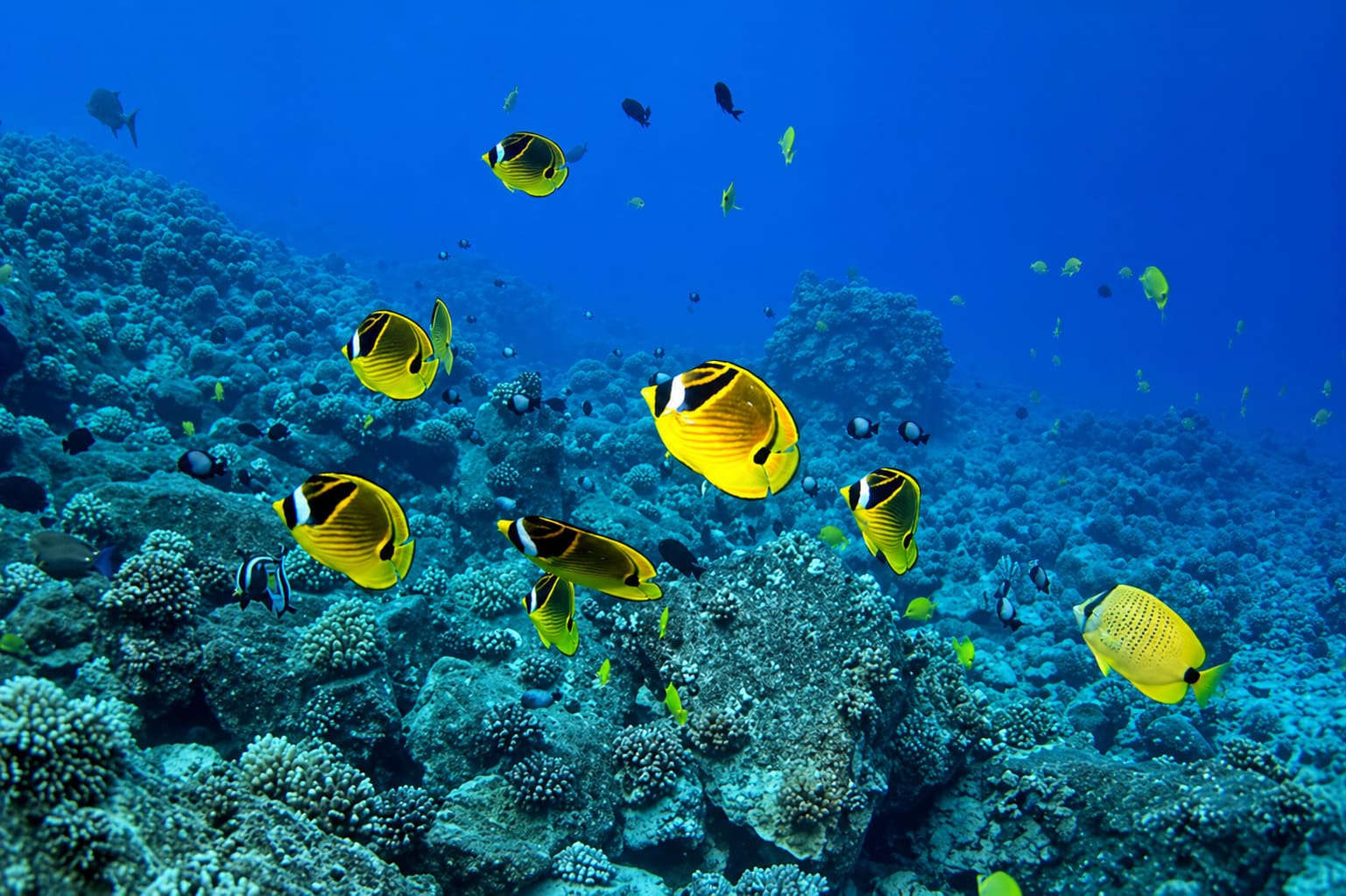
Hawaii's ocean life includes colorful reef fish, sea turtles, monk seals, dolphins, whales, rays, sharks, octopuses and many other marine animals. This guide covers fish families and marine species commonly associated with Hawaiian reefs, tide pools, sandy bottoms and offshore waters.
Hawaii Fish and Marine Life Guide
Hawaii's surrounding ocean is home to an extraordinary variety of reef fish, marine mammals, sea turtles and invertebrates. From shallow coral reefs and tide pools to sandy bottoms and deeper offshore waters, each habitat supports different species with unique colors, shapes, feeding habits and survival strategies. Visitors can also browse the broader Hawaii ocean life guide for more marine background.
This guide introduces many of the fish families and marine animals commonly associated with Hawaiian waters. Some are easy to spot while snorkeling near coral heads, while others live deeper offshore, hide in reef crevices, rest on the seafloor or travel long distances across the Pacific. For safer ocean planning, review Hawaii beach safety tips before entering the water.
Reef Fish in Hawaii
Hawaii's reefs are known for bright butterflyfishes, damselfishes, wrasses, surgeonfishes and unicornfishes, triggerfishes and parrotfishes. Many reef fish stay close to coral, rocks or sand where they can find food and shelter. Some feed on algae, while others hunt small fish, plankton, crustaceans or invertebrates.
Reef fish often use color, body shape and behavior to survive. Some blend into their surroundings, while others stand out with bold patterns that help them signal, defend territory or confuse predators. In addition, many species play an important role in reef health by grazing algae or cleaning other fish.
Predators, Bottom Dwellers and Camouflage Experts
Hawaii's marine life includes many skilled predators. Barracudas, jacks, groupers, lizardfishes, trumpetfishes and cornetfishes use speed, ambush tactics or stealth to catch prey. Eels hide in reef crevices, while scorpionfishes rely on camouflage and venomous spines for protection.
Other animals live close to the ocean floor. Rays, sea cucumbers, crabs, goatfishes and bonefishes use sand, mud or rubble habitats for feeding and protection. Together, these bottom-dwelling species show how diverse Hawaii's marine habitats are beyond the colorful reef surface.
Marine Mammals and Sea Turtles
Hawaiian waters also support important marine mammals and reptiles. Spinner dolphins, humpback whales, Hawaiian monk seals and sea turtles are among the most memorable animals visitors may see. Some are seasonal, while others live in Hawaii year-round.
The Hawaiian green sea turtle, or honu, is the most commonly seen sea turtle in the Islands. Hawaiian monk seals are rare and protected, so people should always keep a safe distance. During winter, humpback whales visit Hawaiian waters to breed, give birth and nurse their young. Visitors can learn more in the guides to honu, dolphins in Hawaii, Hawaii sharks and Maui whale watching tours.
Coral Reefs and Ocean Habitats
Coral reefs help support much of Hawaii's nearshore marine life. Reef structures provide shelter, feeding areas and nursery habitat for many fish and invertebrates. However, coral is fragile, and even brief contact from hands, fins or gear can damage living colonies.
Lava rock, sandy channels, tide pools, offshore ledges and deeper open water also support different animals. As a result, a calm reef lagoon may look very different from a rocky shoreline, a black sand beach or an offshore dive site. For more background, see the Hawaiian coral reef, Hawaiian lava and Hawaii beach sand composition.
Respecting Hawaii's Marine Life
Marine animals are best enjoyed with care and distance. Snorkelers and swimmers should avoid touching fish, turtles, coral, octopuses, monk seals or other wildlife. Coral reefs are fragile, and even a light touch can cause damage.
Use reef-conscious habits, keep fins away from coral, never feed fish and follow posted wildlife rules. Responsible viewing helps protect Hawaii's marine ecosystems for future visitors and for the animals that depend on them. For more environmental context, see marine debris in the Hawaiian Islands.
Responsible Snorkeling and Wildlife Viewing
Before entering the water, check surf, wind, visibility and currents. Choose lifeguarded beaches when possible, snorkel with a buddy and stay close enough to shore or the boat to return safely. Beach guides such as Hawaii beaches, Oahu beaches, Maui beaches, Kauai beaches and Big Island beaches can help visitors understand different shoreline settings.
If you see turtles, dolphins, monk seals, rays or other larger animals, give them room to move naturally. Instead of chasing wildlife for photos, float calmly and let the encounter happen from a respectful distance. Visitors who want guided help can compare Hawaii island tours, Hawaii dinner cruises, Oahu snorkeling tours, Maui snorkeling tours, Kauai snorkeling tours and Big Island snorkeling tours.
Browse Hawaii Fish and Marine Animals
The directory below includes Hawaiian reef fish, offshore fish, marine mammals, sea turtles and other ocean animals. Use the cards to learn about each group's appearance, habitat, feeding behavior, Hawaiian names when available and where they may be seen in Hawaii's waters.
Guide Directory
Explore Hawaiian Fish
Browse related topics in this Hawaiian Fish guide.
Angelfishes
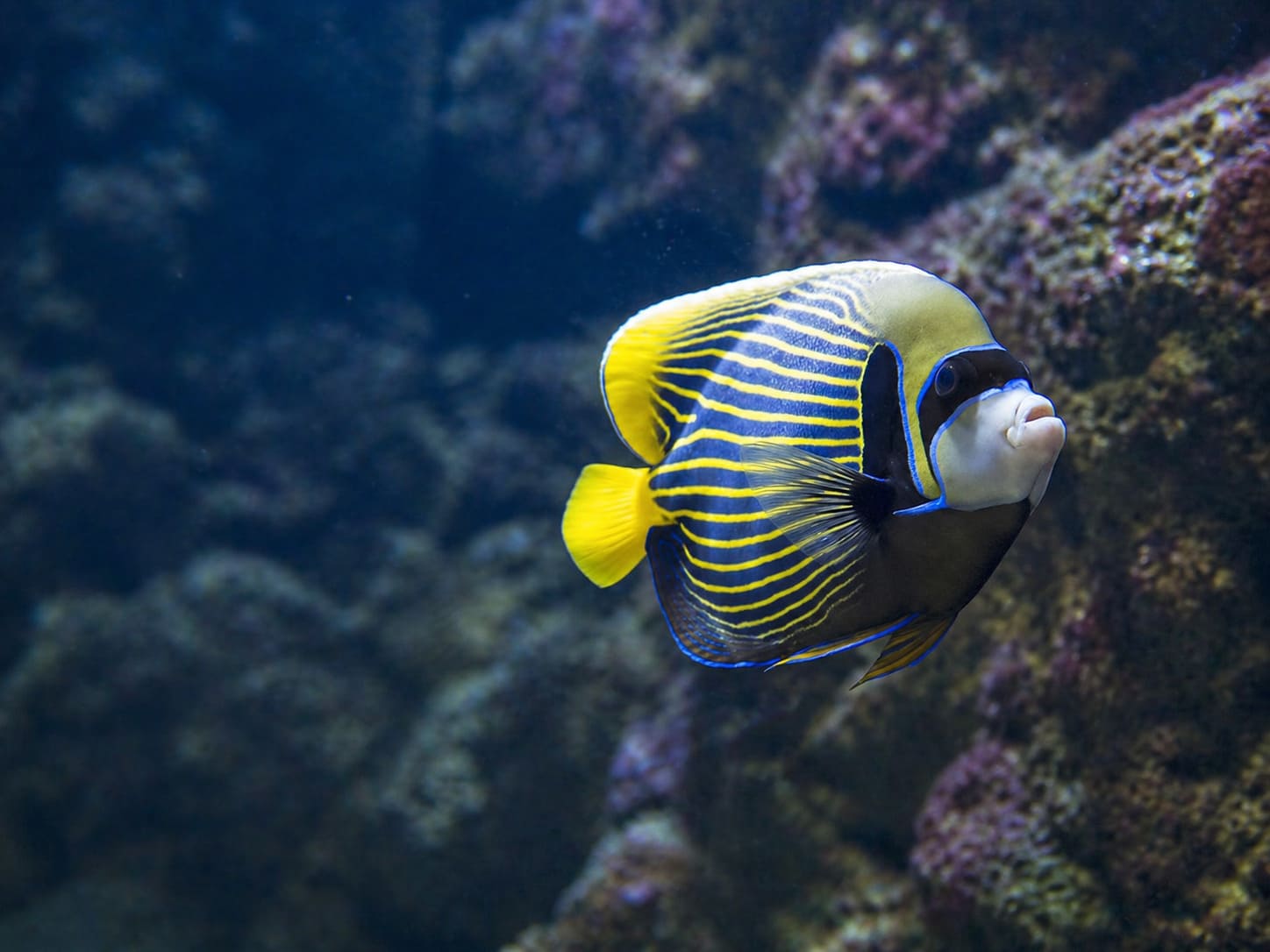
Angelfishes can be found on Hawaii's shallow reefs and in tropical waters of the Atlantic, Indian and Pacific oceans. There are about 86 species of angelfish worldwide, and five are commonly seen...
View guide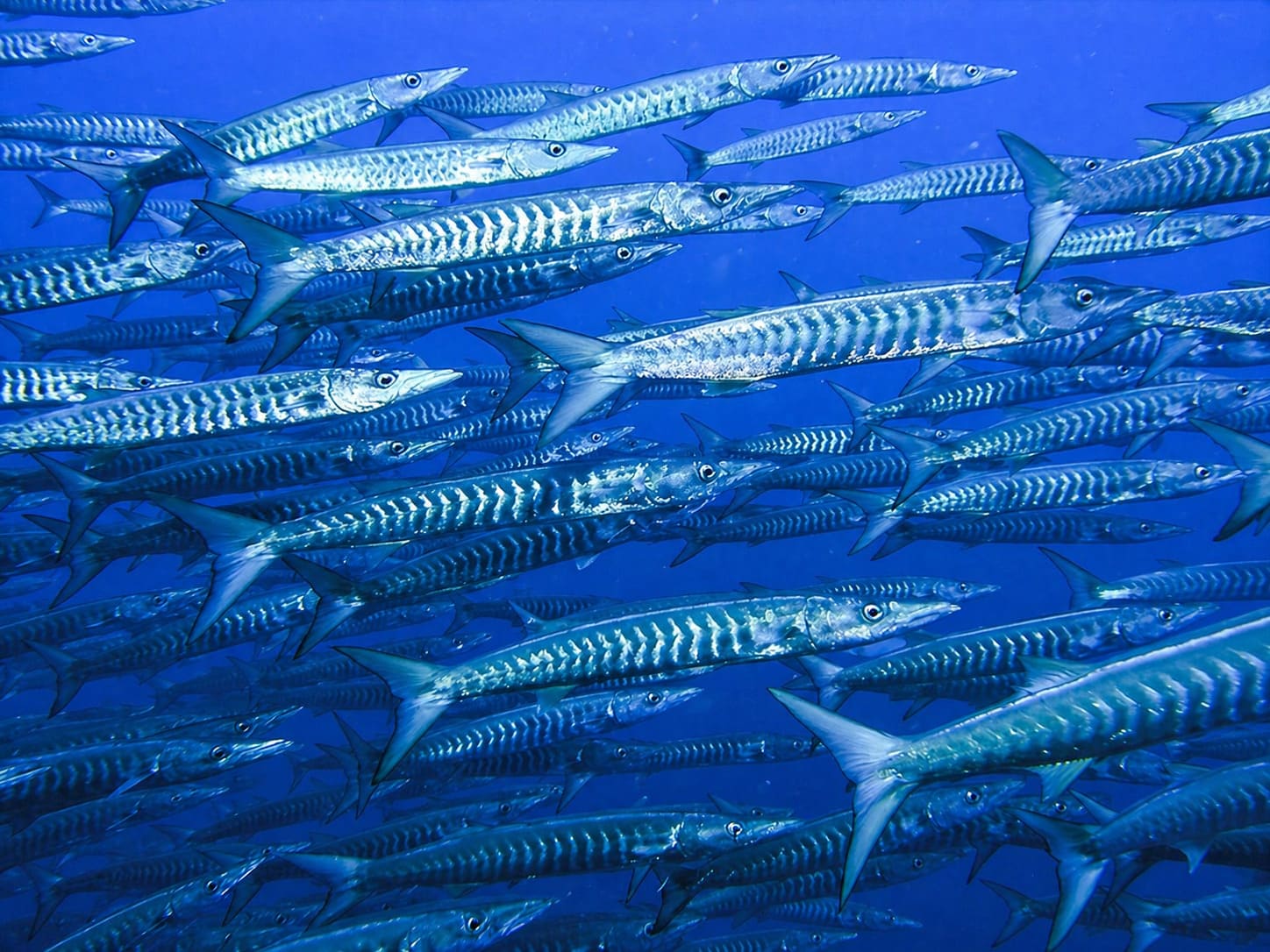
Barracudas
Barracudas are sleek predatory fish found in tropical and subtropical oceans around the world. They have long bodies covered with small, smooth scales, and their pointed jaws hold rows of sharp teeth....
View guide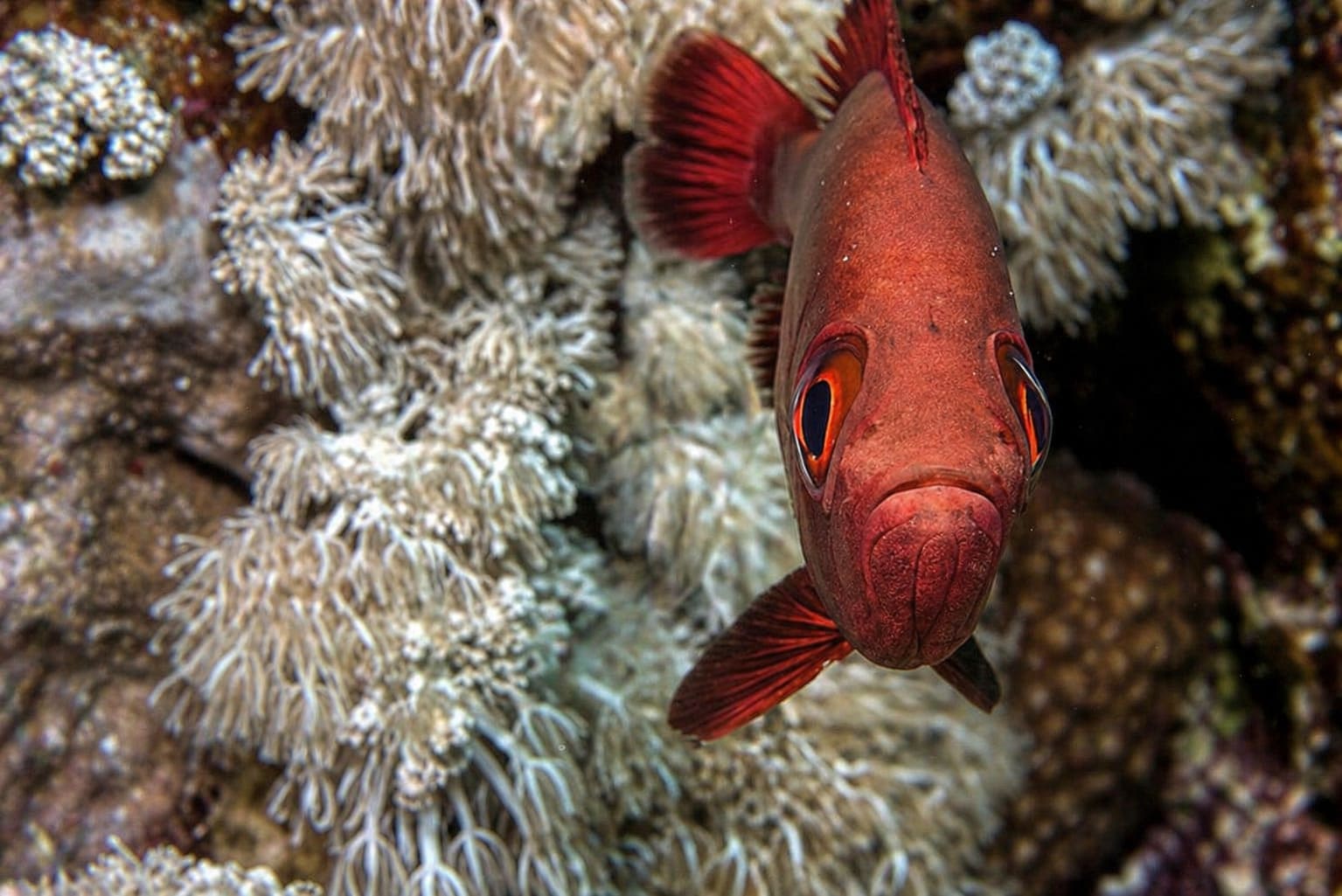
Bigeyes
Bigeyes are reef fish in the family Priacanthidae. There are about 18 species worldwide, and several occur in Hawaiian waters. The Hawaiian Bigeye and Common Bigeye live in nearshore waters, while two...
View guide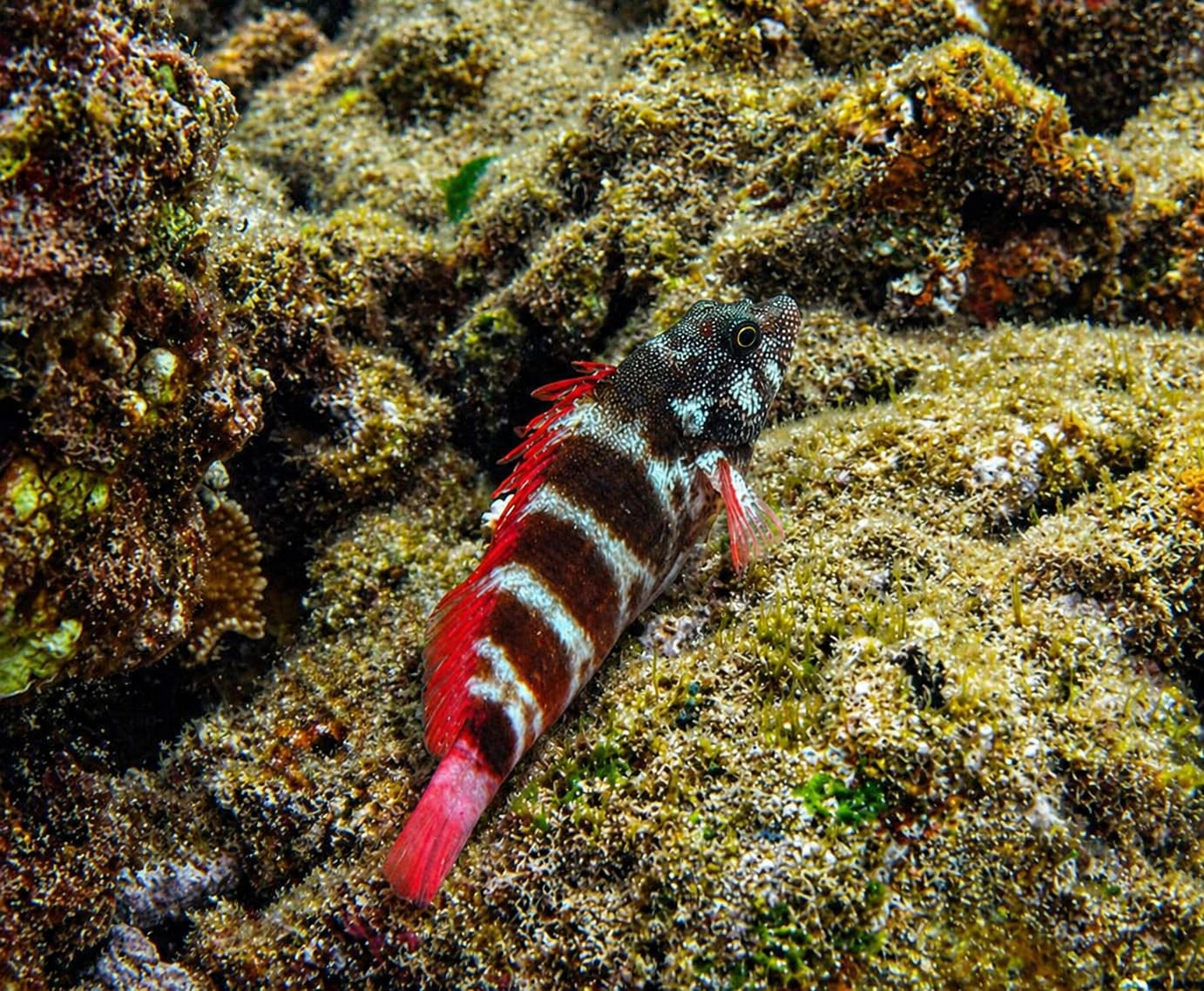
Blennies
Blennies are small reef fish with long, narrow bodies, large eyes and expressive faces. Some species look almost eel-like because of their stretched body shape. They often rest on the sea floor,...
View guide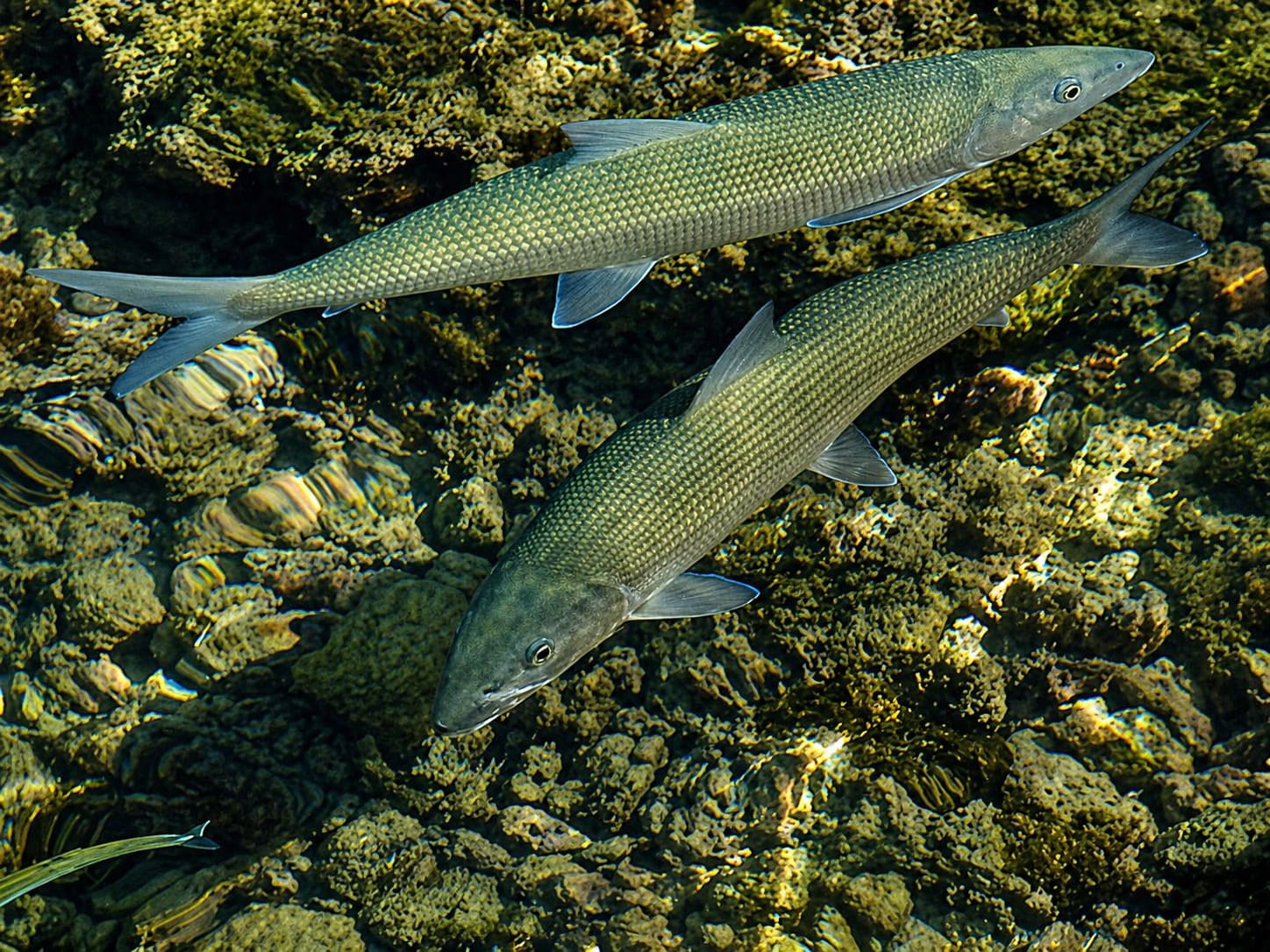
Bonefishes
Bonefishes are slim, silvery fish with streamlined bodies and deeply forked tails. Their shape helps them move quickly through shallow coastal waters, especially across sandy flats and clear lagoons. In Hawaii, bonefish...
View guide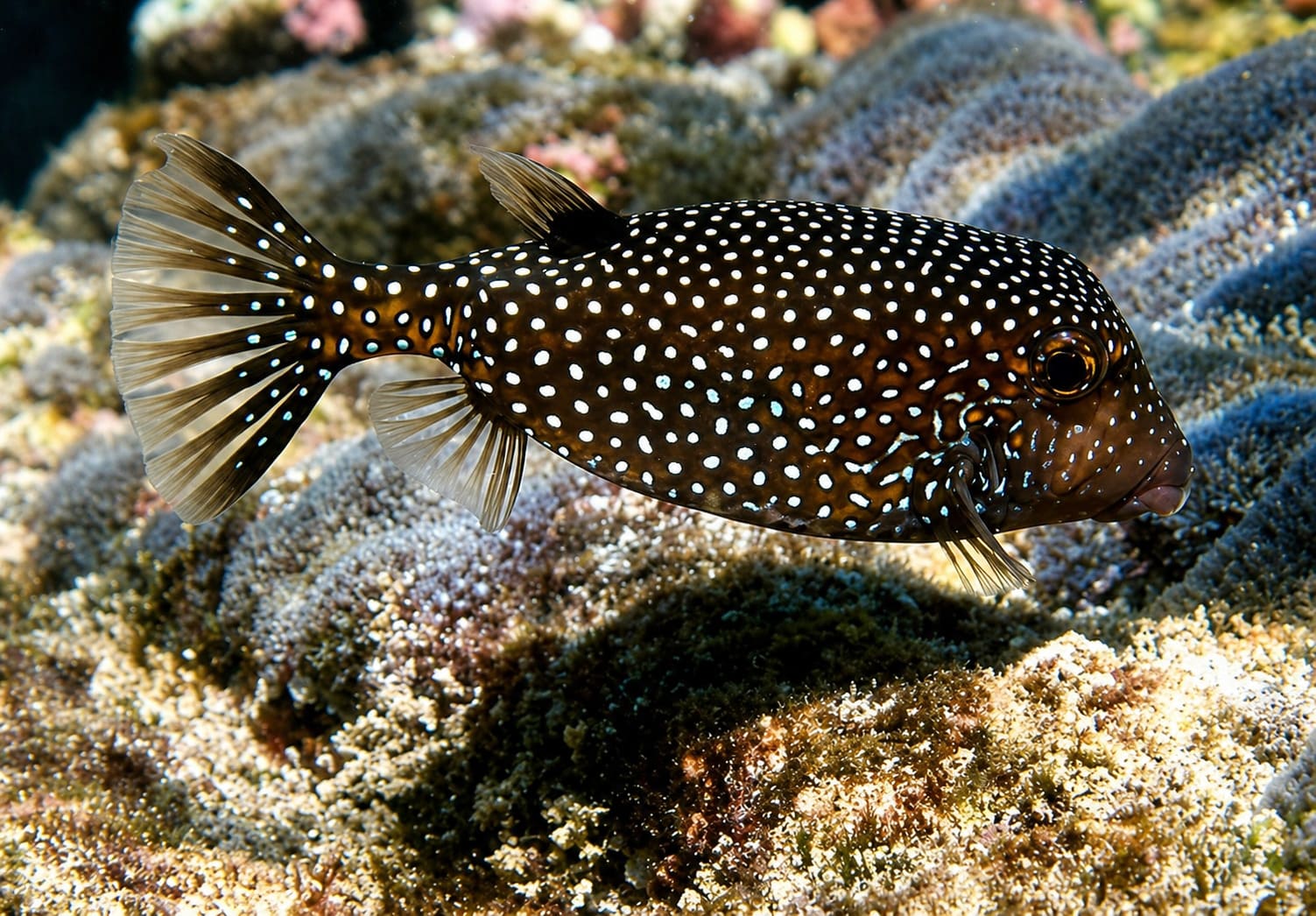
Boxfishes
Boxfishes are unusual reef fish closely related to pufferfishes and filefishes. Their bodies are encased in a hard, rough shell made of bony plates. Because of this rigid outer covering, only their...
View guide
Butterflyfishes
Butterflyfishes rank among the most common coral reef fish in Hawaii. They stand out with bright colors, especially shades of yellow, and their flat, disk-like bodies make them easy to recognize. While...
View guide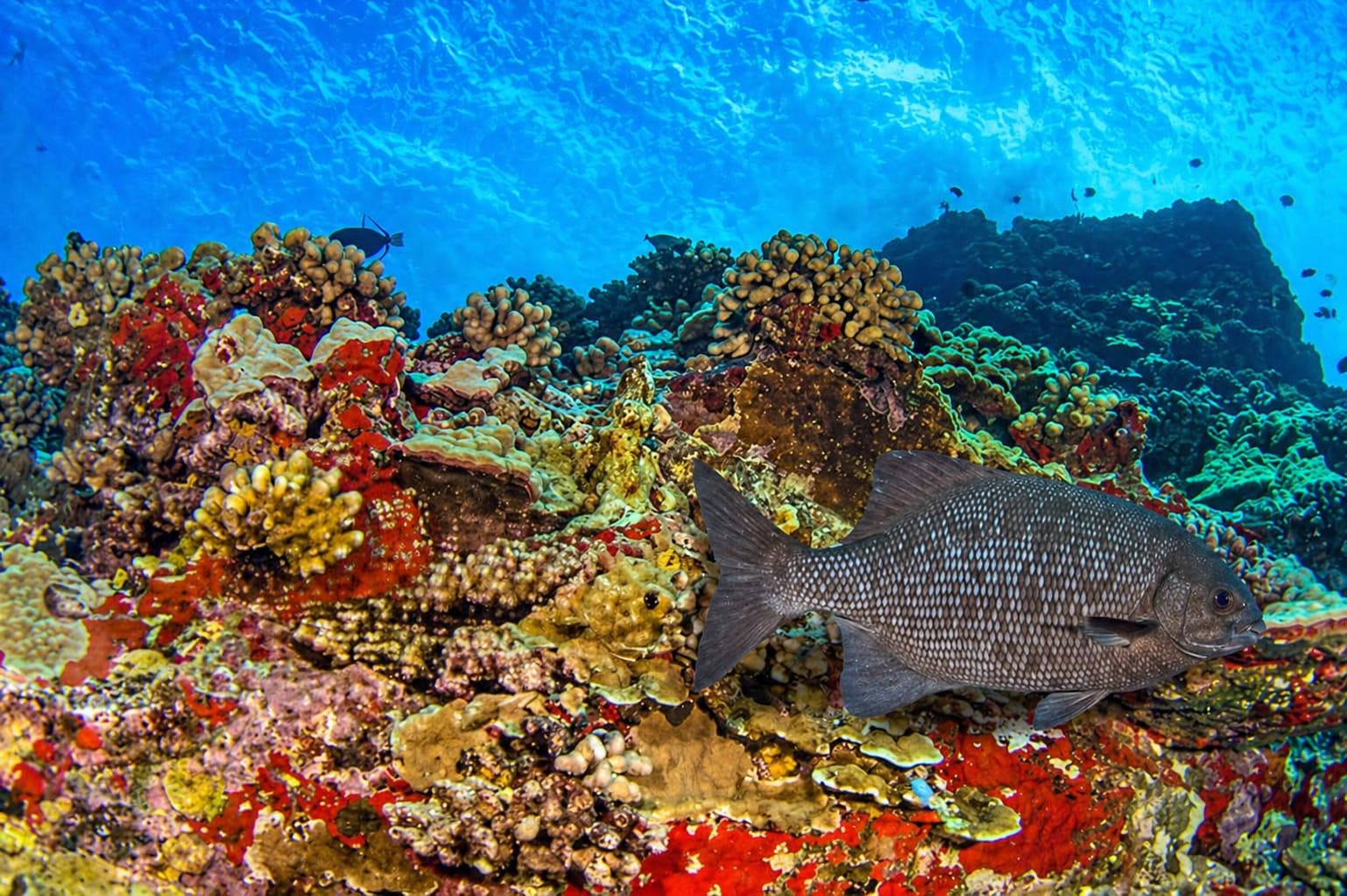
Chubs
Chubs are heavy-looking reef fish with oval, medium-sized bodies, small pointed mouths and strong tails. In Hawaii, they often swim through shallow rocky areas where seaweed and algae grow. Their sturdy shape...
View guide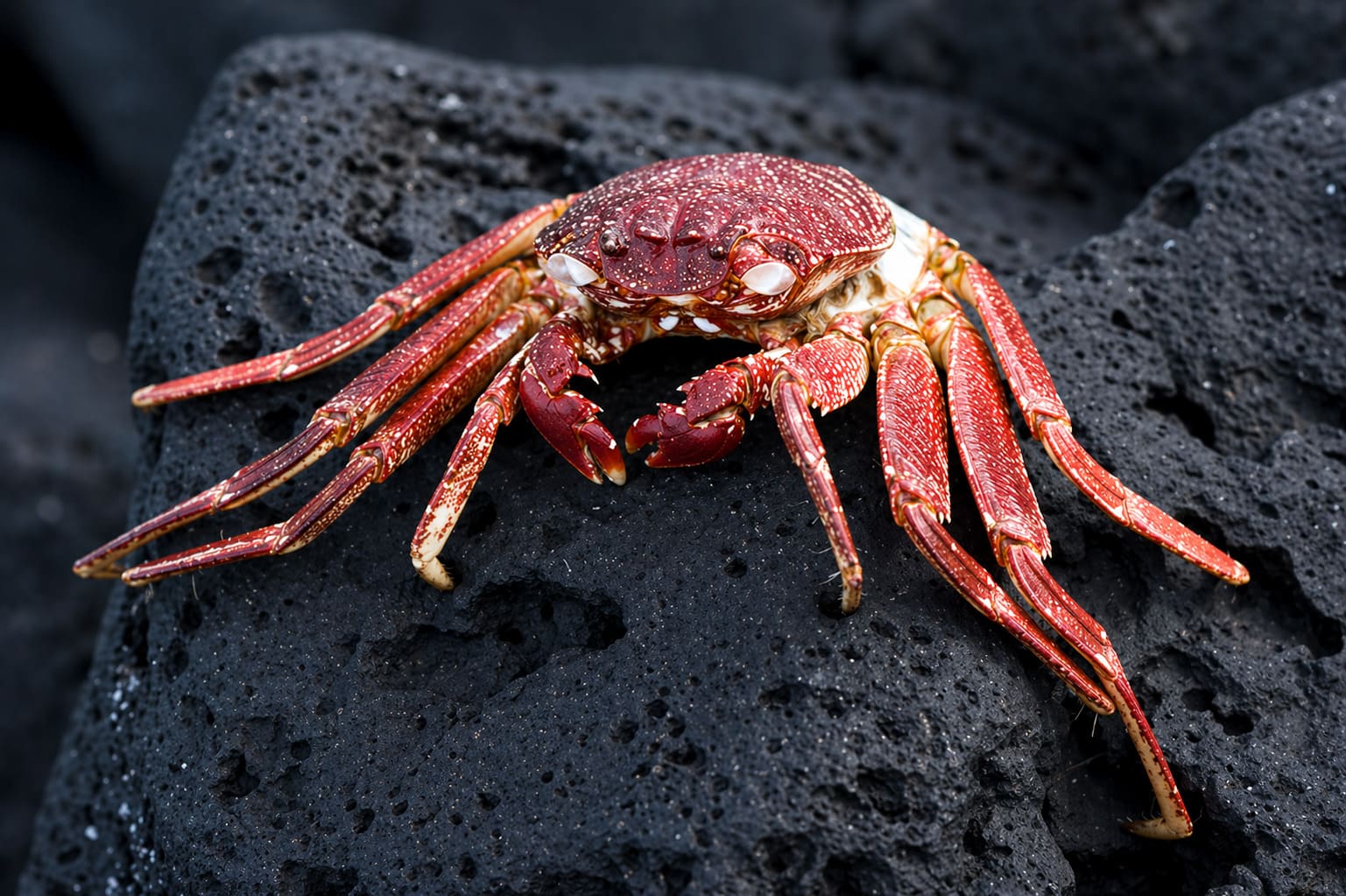
Crabs
Coastal Crustaceans in Hawaii Nearly 200 crab species live in Hawaiian waters, from tiny tide pool dwellers to larger reef and deeper-water varieties. These animals are common along rocky shores, sandy beaches, reef flats...
View guide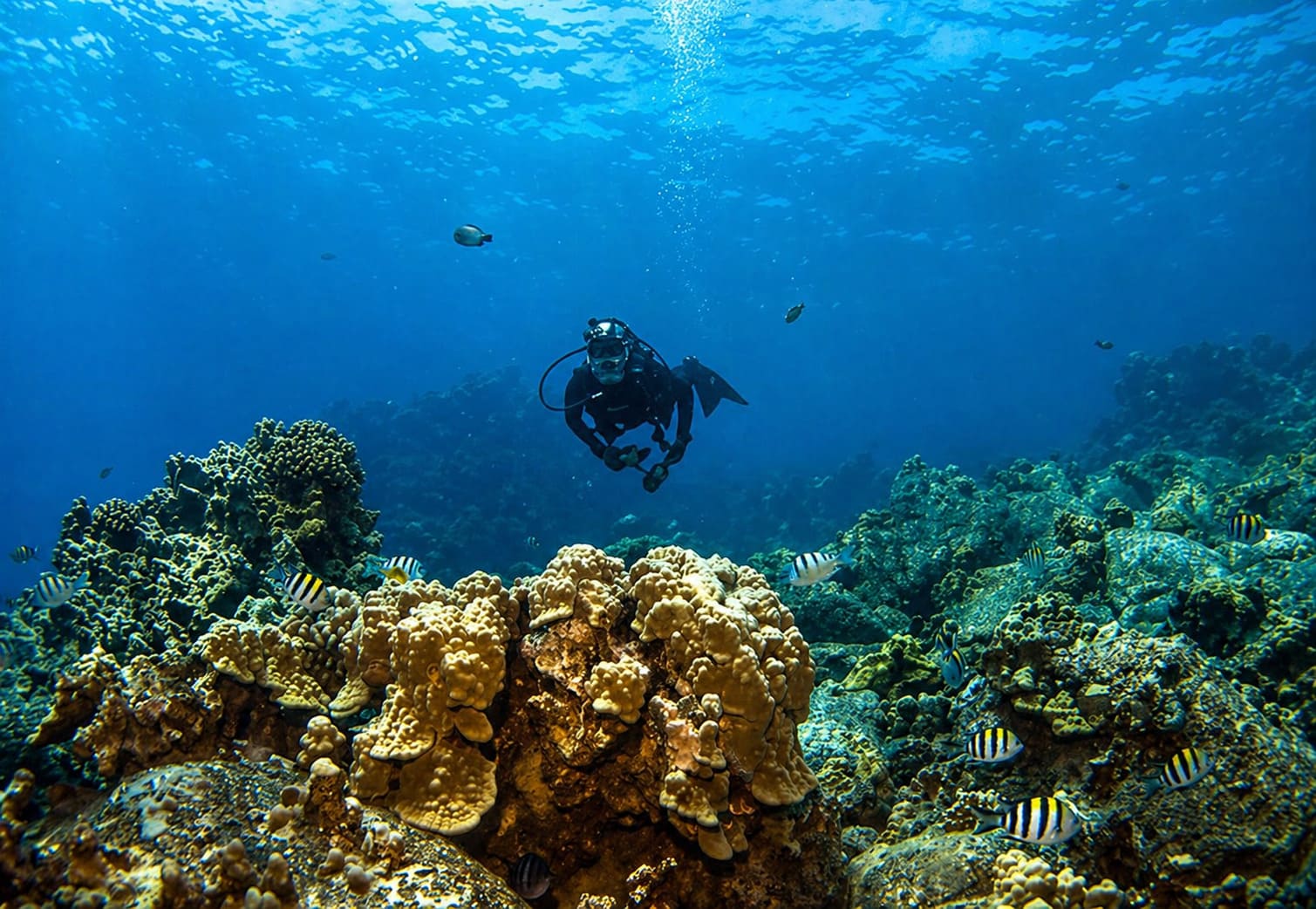
Damselfishes
Small Reef Fish Around Coral Heads Damselfishes are small reef fish, usually six inches or less in length. They often appear in large numbers around coral heads, rocky reef areas and shallow reef slopes....
View guide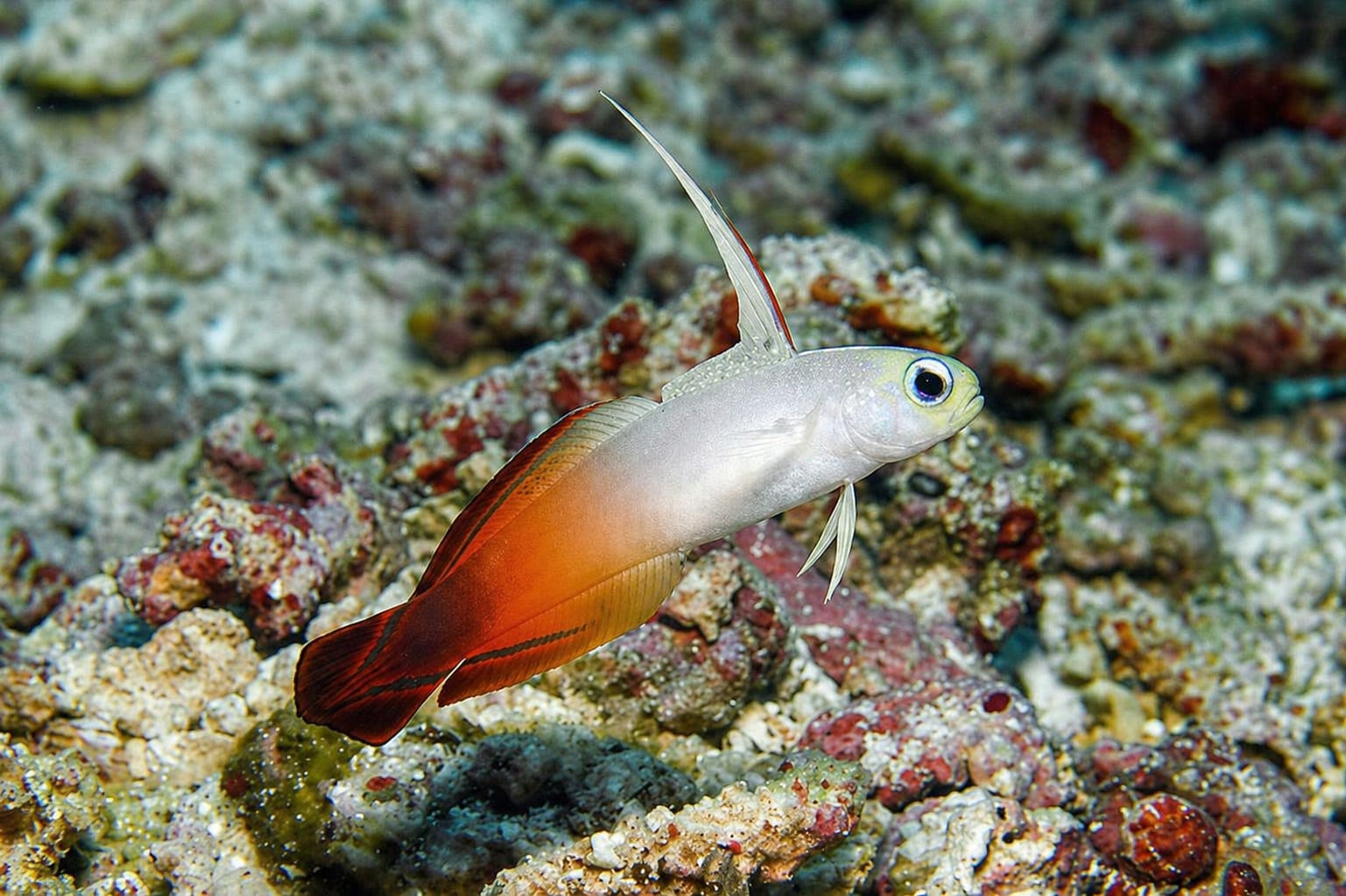
Dartfishes
Small Reef Fish That Hover Near Burrows Dartfishes are slender reef fish with two dorsal fins and a quick, darting style of movement. They often live near sandy or rubble-bottomed areas close to reefs....
View guide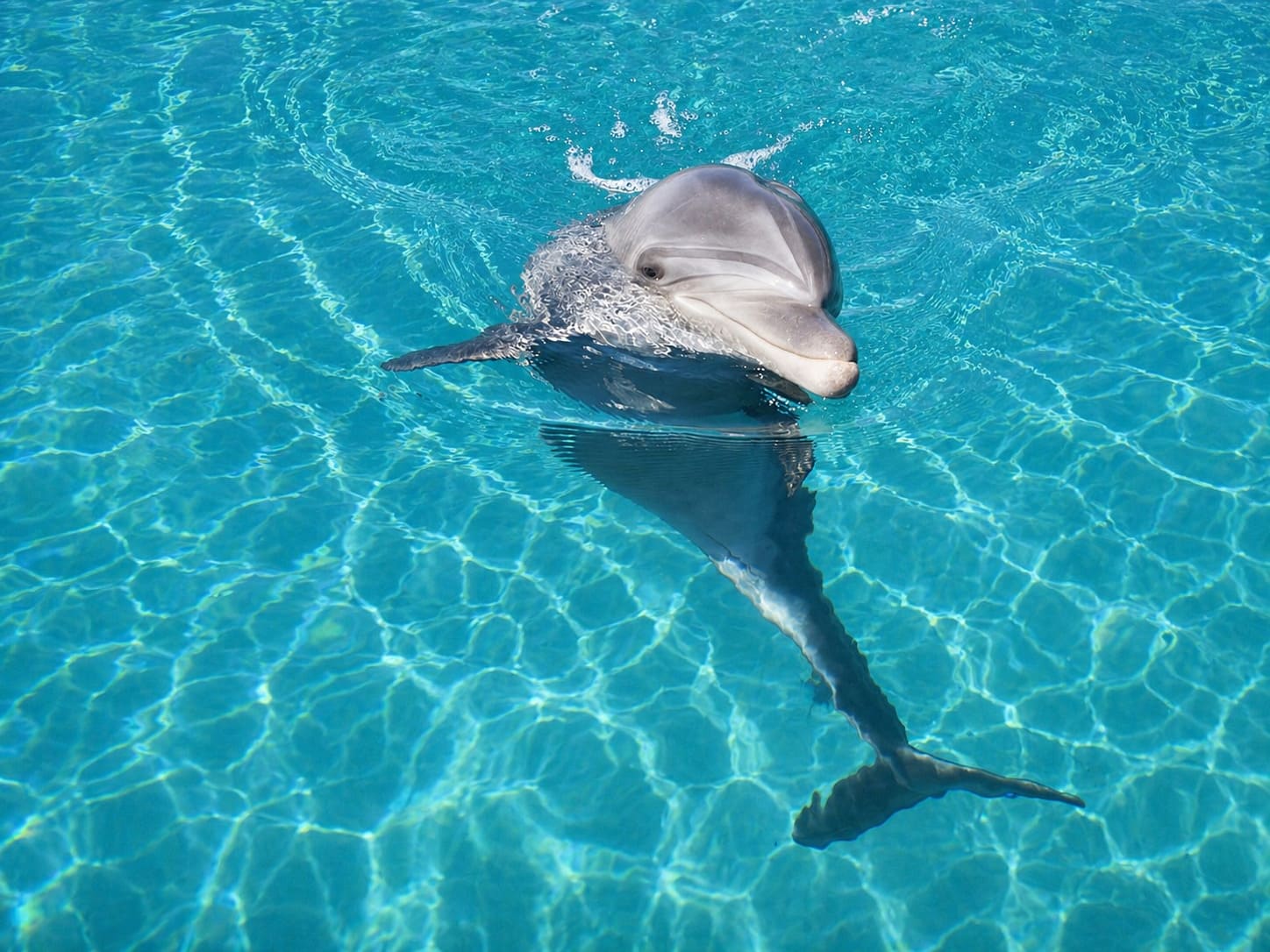
Dolphins
Dolphins are intelligent, social marine mammals and some of the most exciting animals to see in Hawaiian waters. They move with grace, travel in groups and use several forms of communication, including...
View guide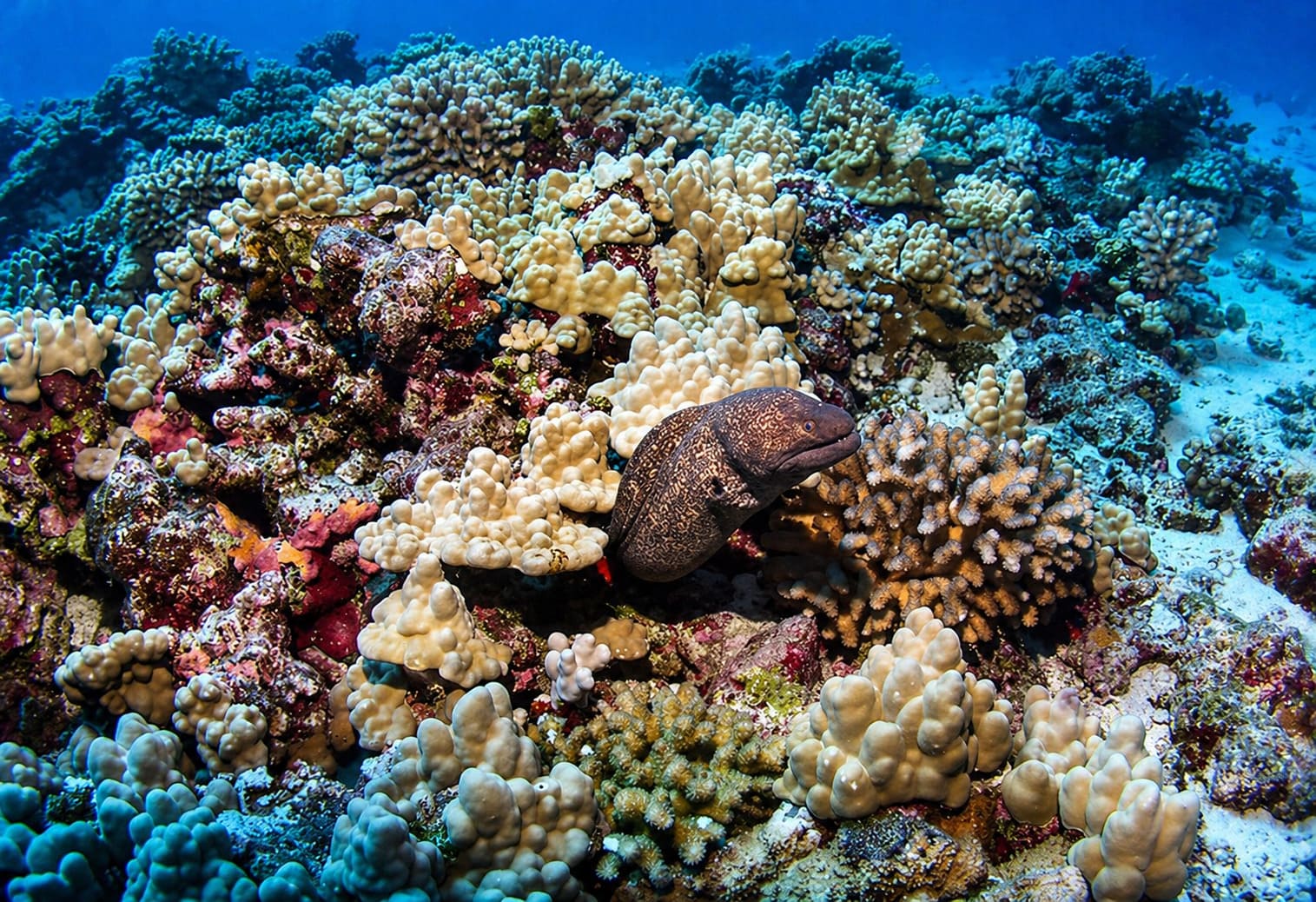
Eels
Eels look snake-like, but they are fish. In Hawaii, divers and snorkelers may see morays, congers, snake eels and garden eels. Many hide in reef crevices, rocky holes or sand, so they...
View guide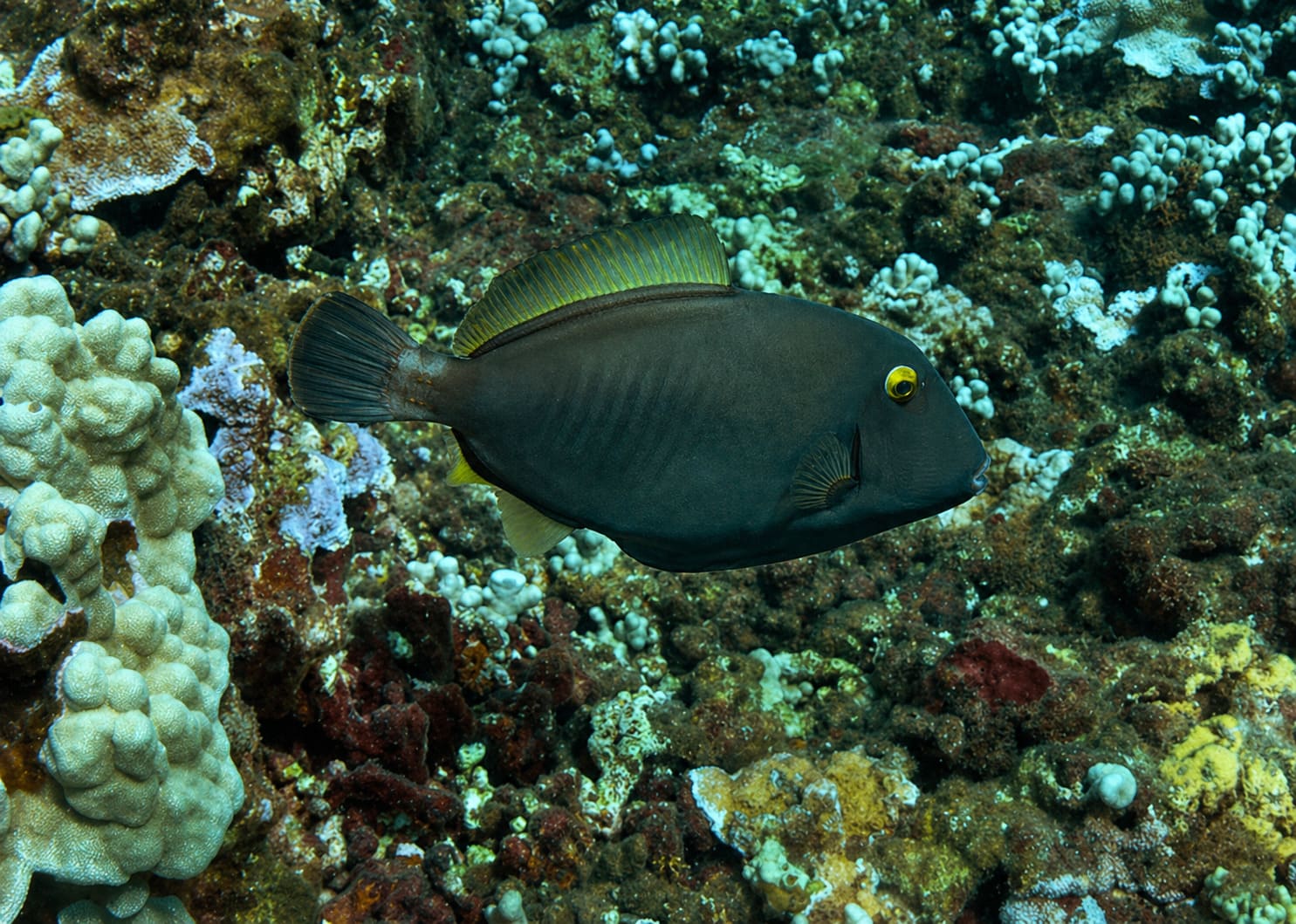
Filefishes
Filefishes are reef fish with narrow, compressed bodies and small mouths with sharp teeth. Their most noticeable feature is a stout dorsal spine, which often has small thornlike points. When a filefish...
View guide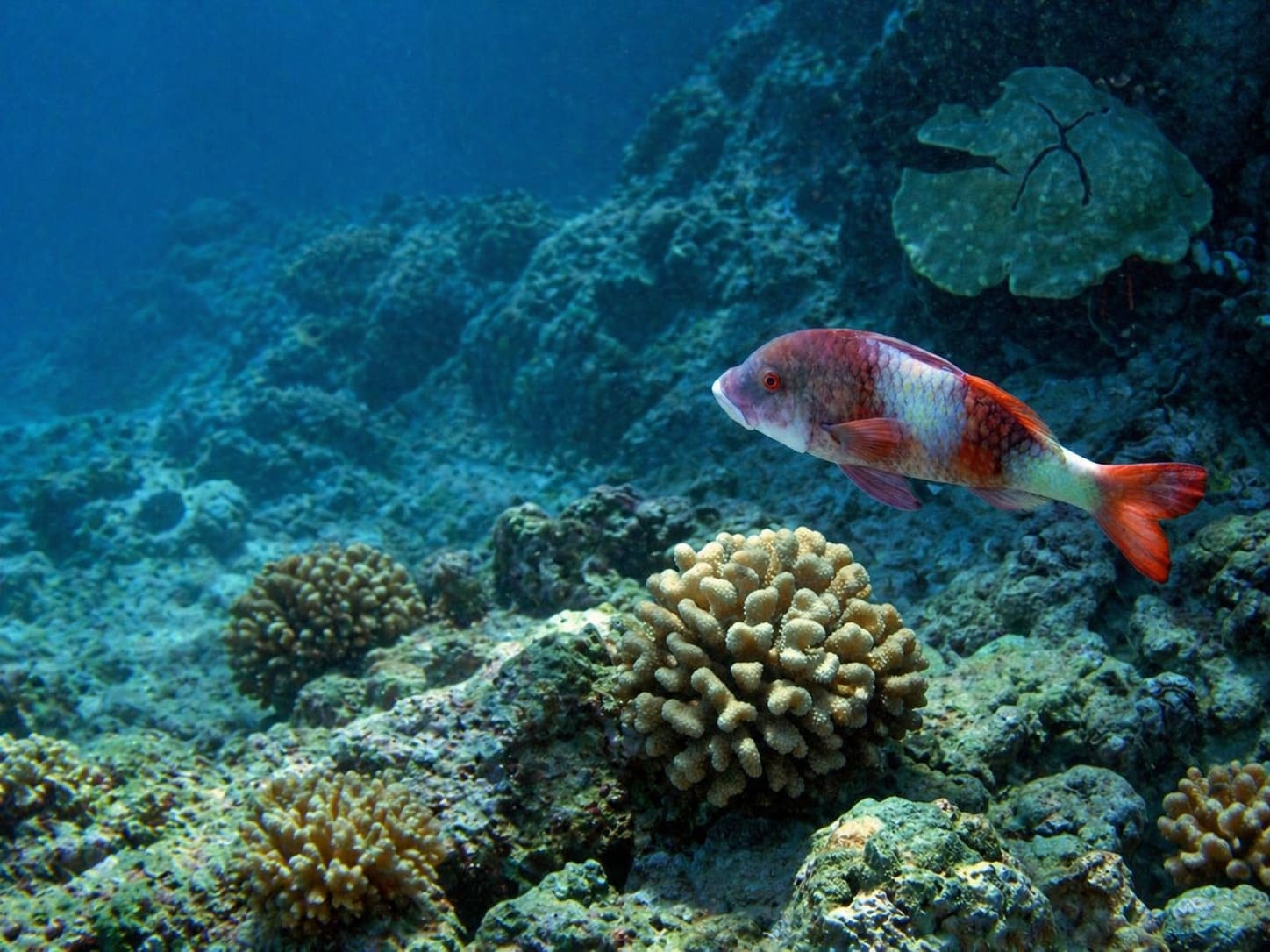
Goatfishes
Goatfishes are common reef and sand-bottom fish in Hawaii. Snorkelers often notice them moving slowly over sandy areas while sweeping the bottom with two whisker-like barbels under the chin. These barbels help...
View guide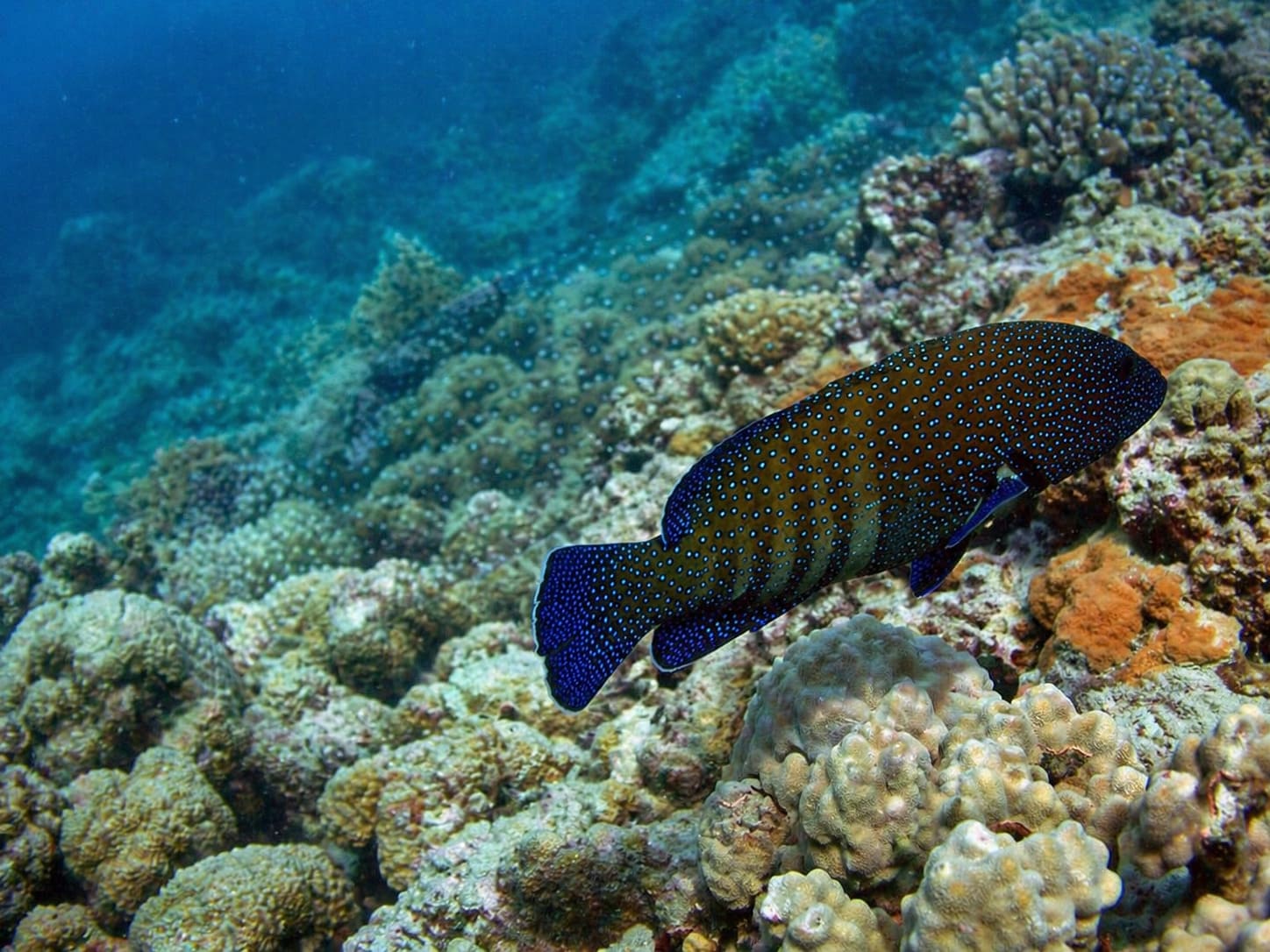
Groupers
Groupers are heavy-bodied predatory fish with large mouths, strong jaws and a usually solitary lifestyle. Many stay close to the bottom, where they rest near reef ledges, rocky areas, caves or deeper...
View guide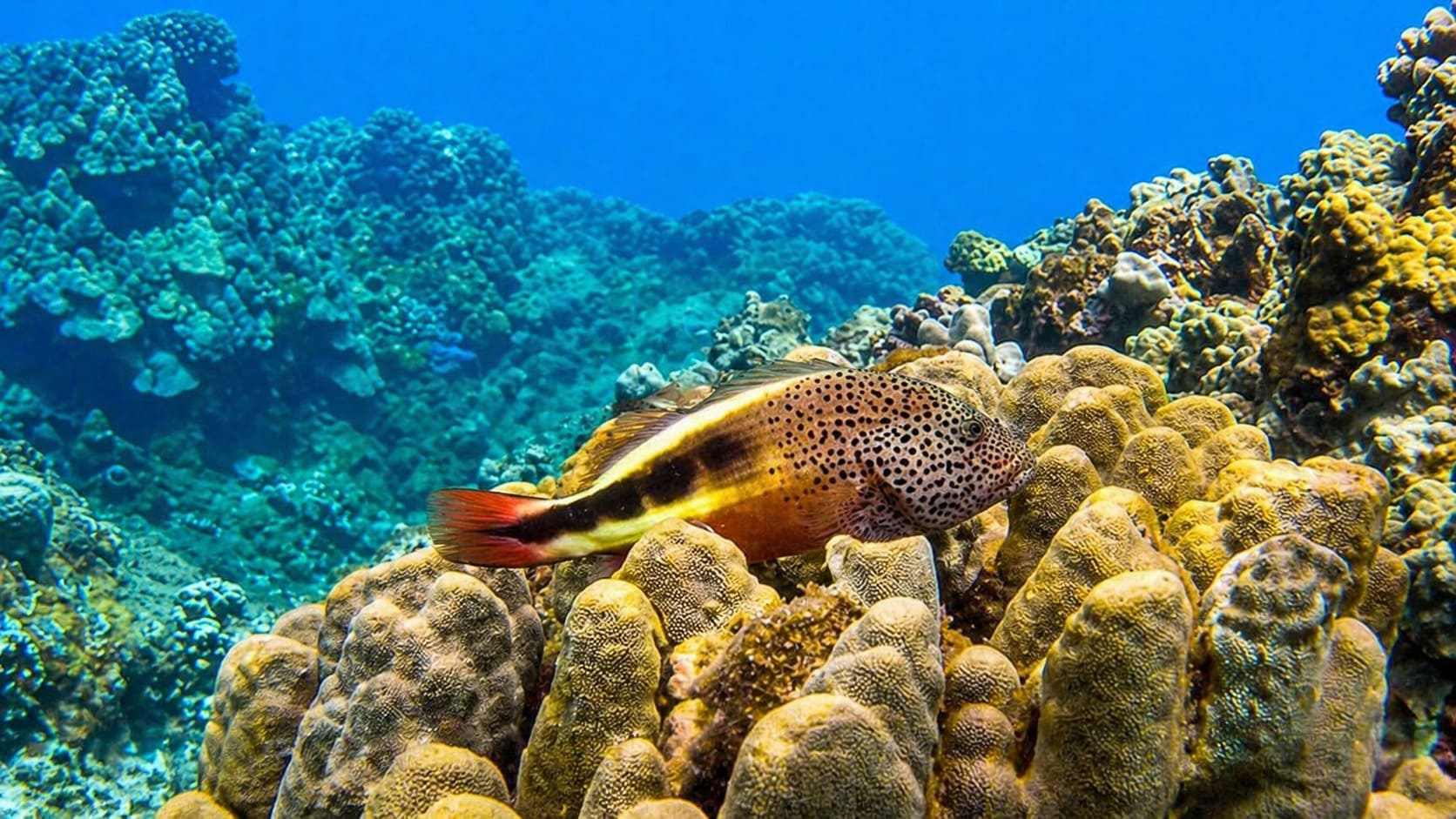
Hawkfishes
Hawkfishes are reef fish known for their watchful, perched behavior. They often sit motionless on coral heads, rocky outcrops or reef ledges while waiting for prey. When a small fish or crustacean...
View guide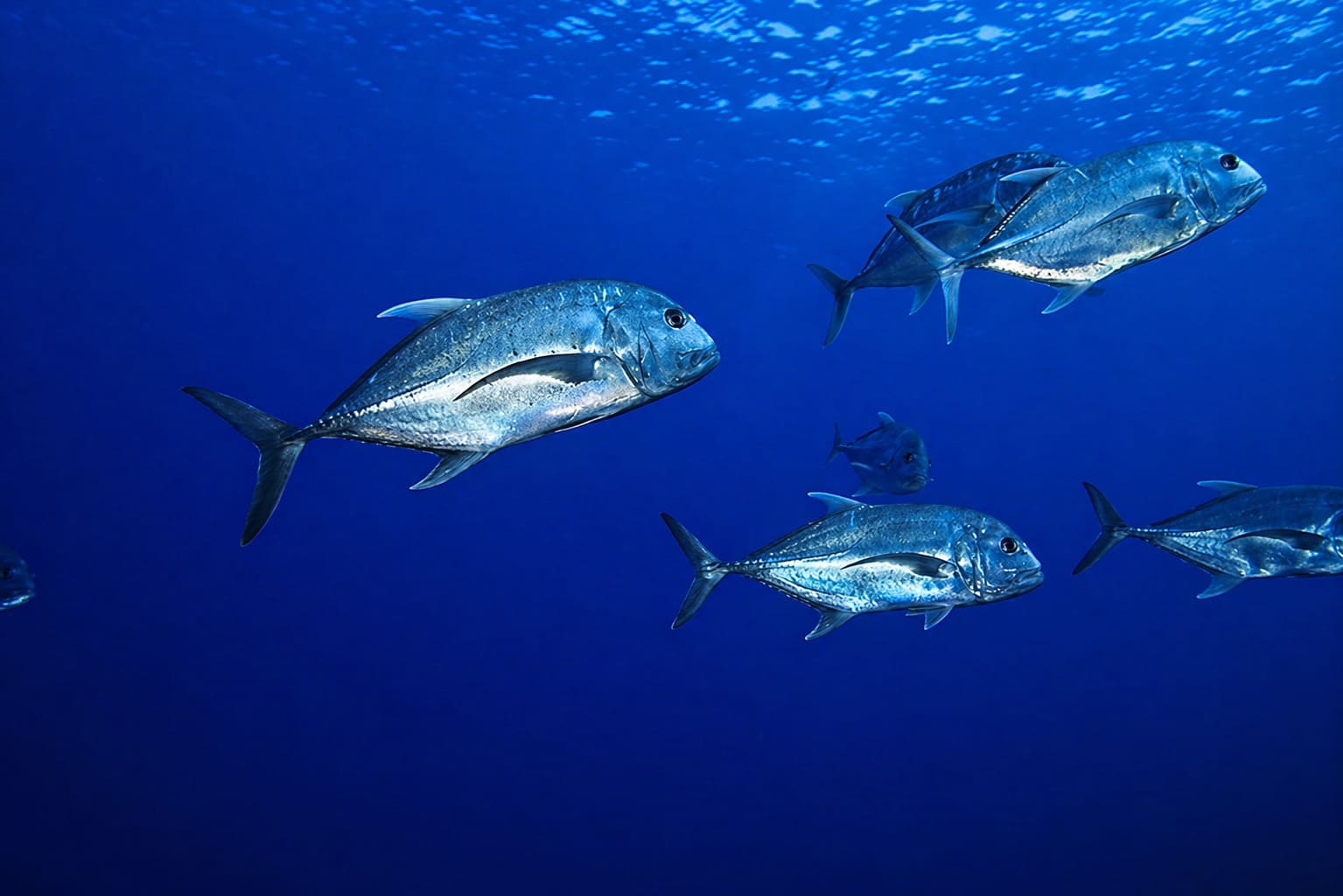
Jacks
Jacks are strong, fast-swimming fish in the family Carangidae. This group includes trevallies, leatherbacks, rainbow runners, pompanos, scads and several other related fish. In Hawaii, they often patrol open water near reef...
View guide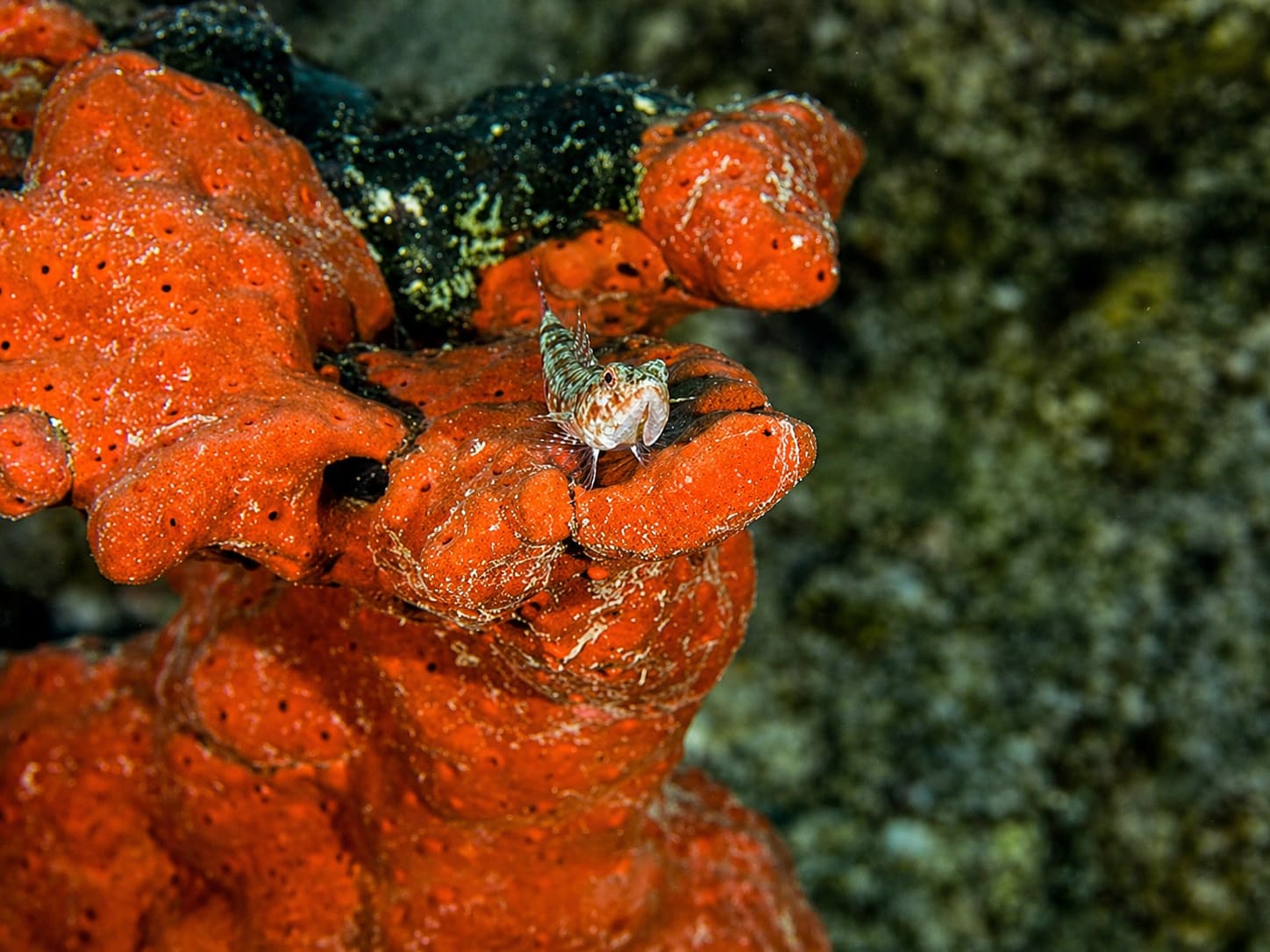
Lizardfishes
Lizardfishes are bottom-dwelling reef predators that often rest motionless on sand, rocks or coral rubble. Their camouflage helps them blend into the seafloor, so snorkelers and divers may not notice them until...
View guide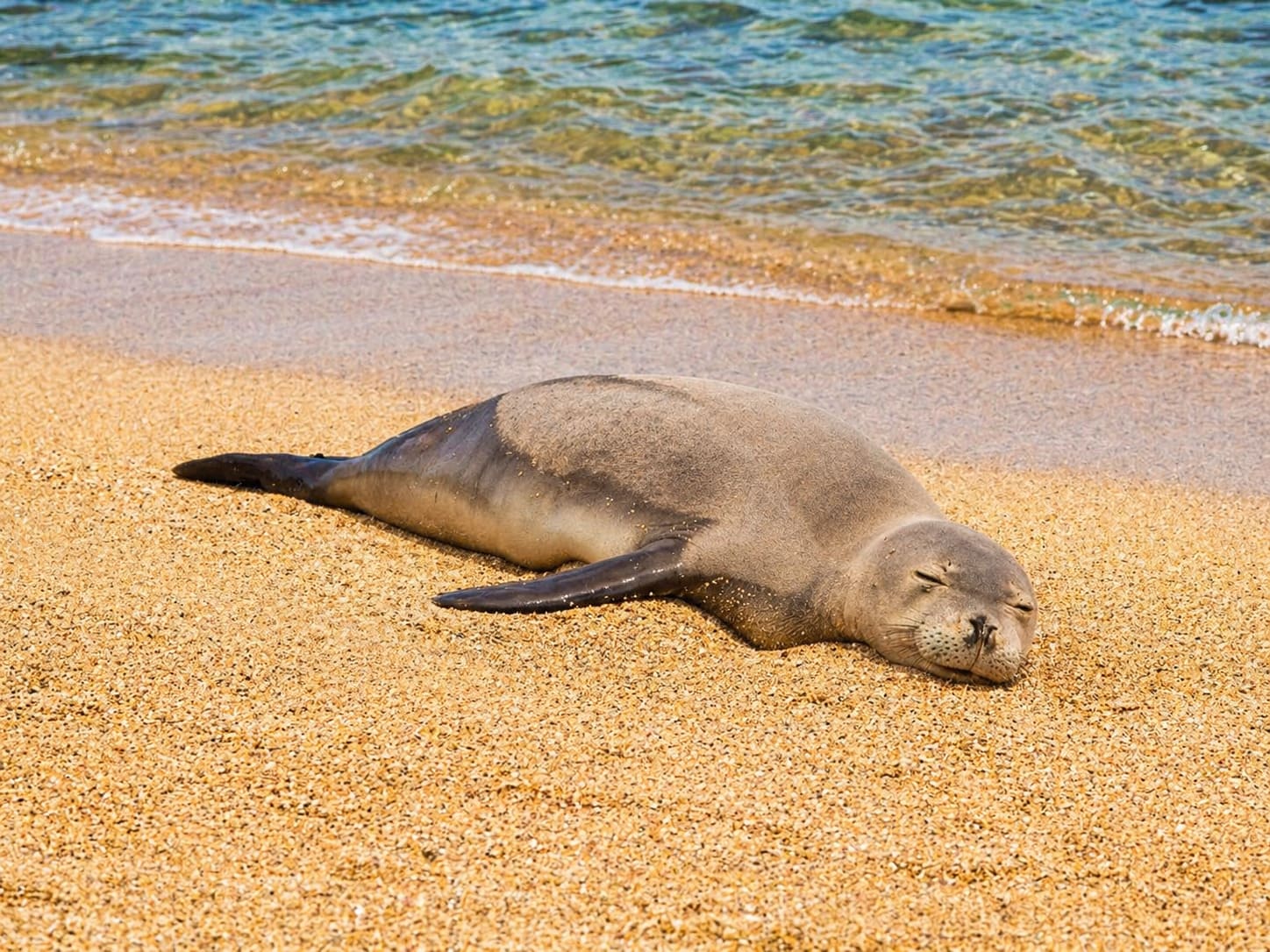
Monk Seals
There are three monk seal species: the Caribbean monk seal, the Mediterranean monk seal and the Hawaiian monk seal. The Caribbean monk seal is extinct, while the Mediterranean and Hawaiian species...
View guide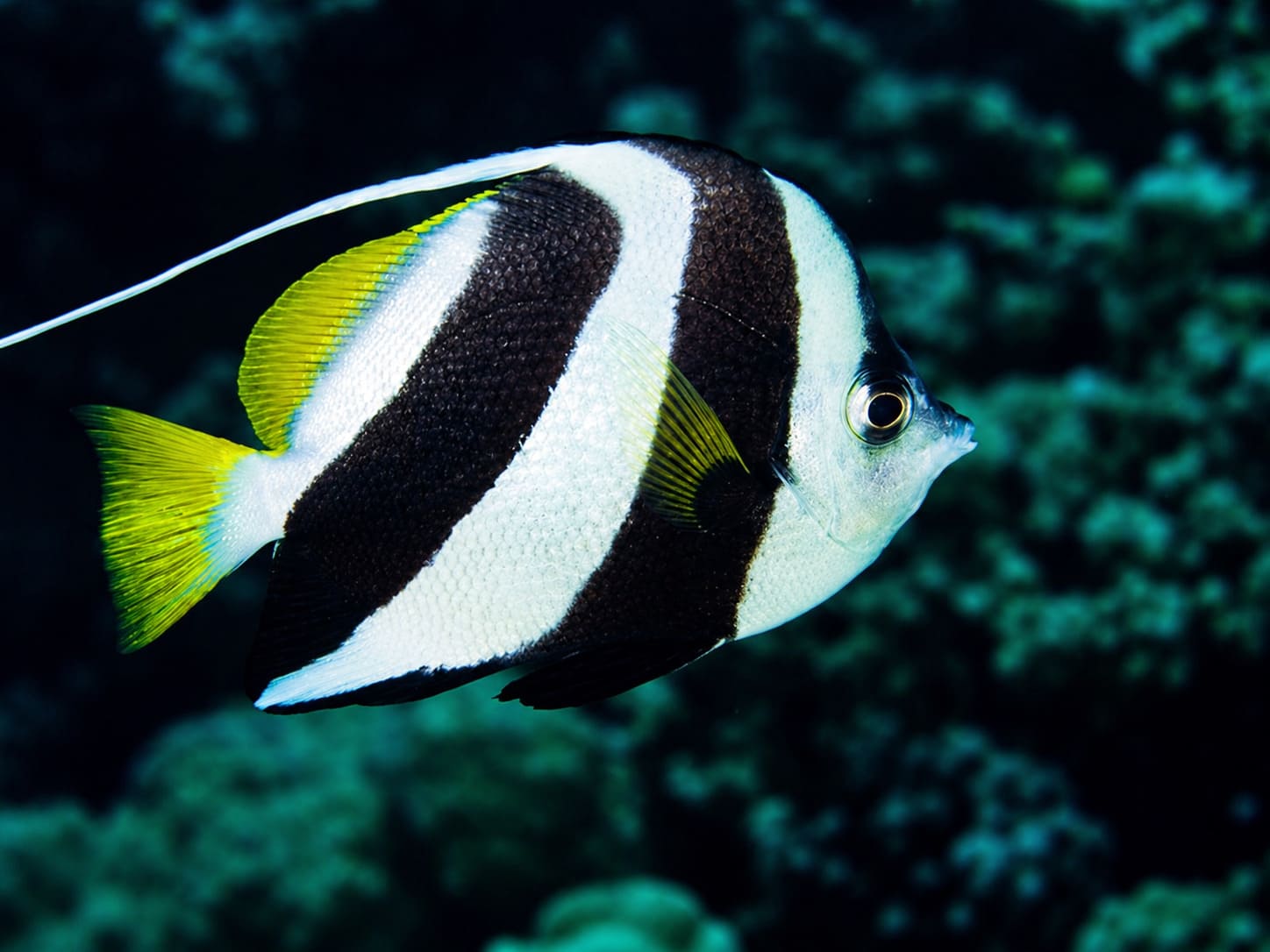
Moorish Idols
Moorish Idols are among the most recognizable reef fish in Hawaii. Their tall, disk-like bodies, bold black-white-yellow bands and long trailing dorsal filament make them stand out immediately on the reef....
View guide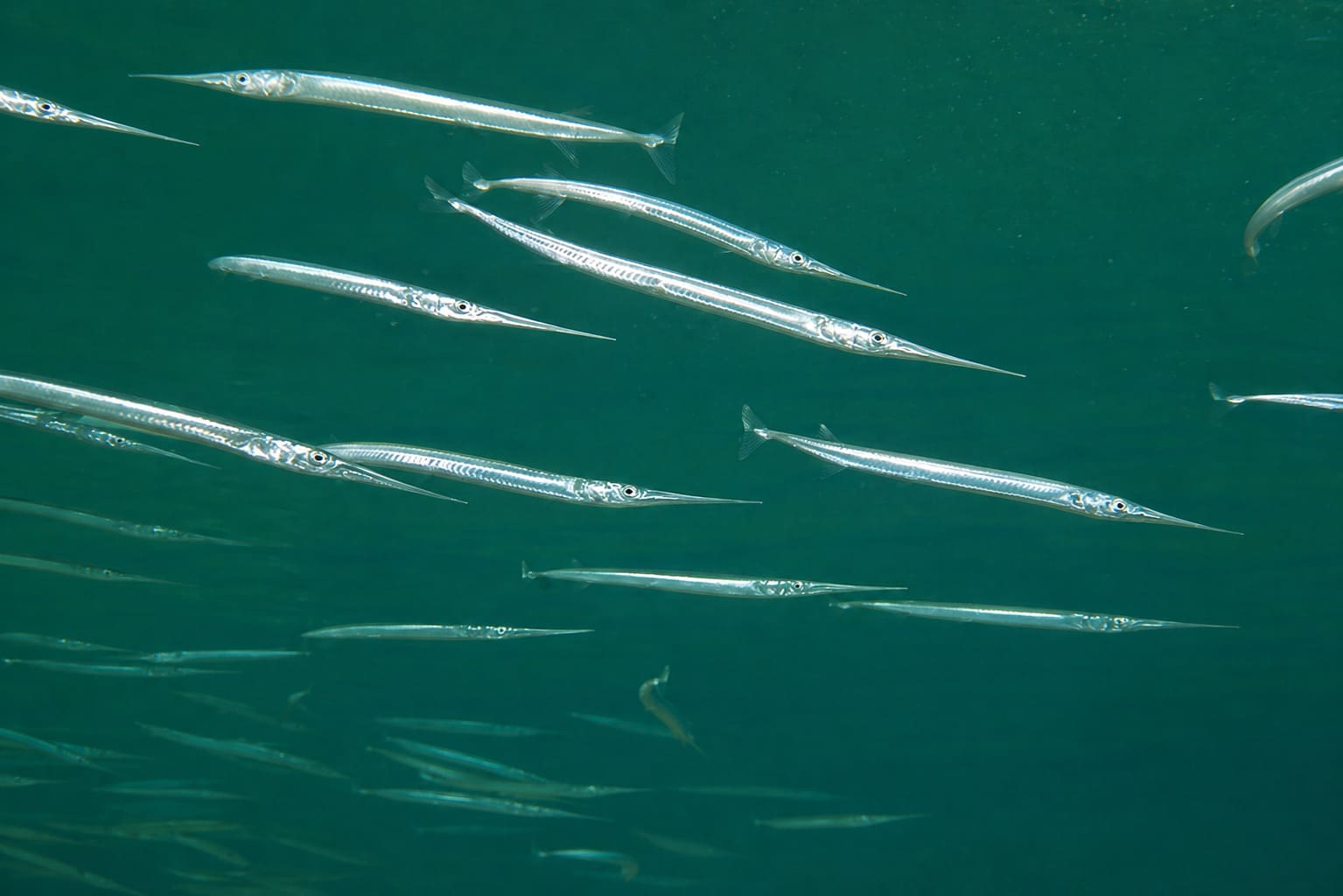
Needlefishes
Needlefishes are long, slender fish that usually swim just below the ocean surface. Their pointed, needlelike beaks contain sharp teeth, which they use to catch small schooling fish. Because of their shape,...
View guide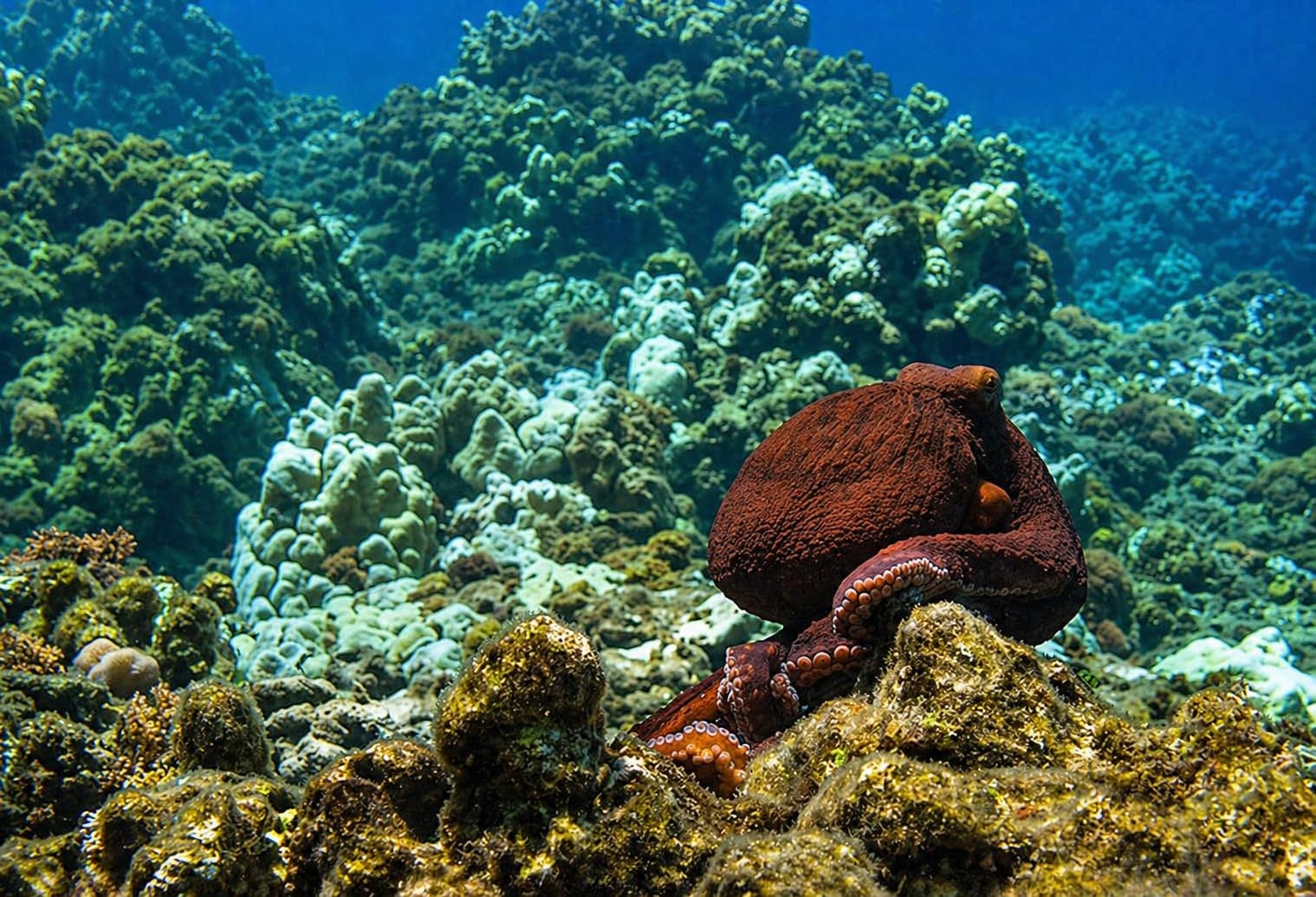
Octopuses
Octopuses are among the most intelligent animals in Hawaii's reefs. They have flexible bodies, eight arms, strong suction cups and the ability to change color and texture quickly. Because they have no...
View guide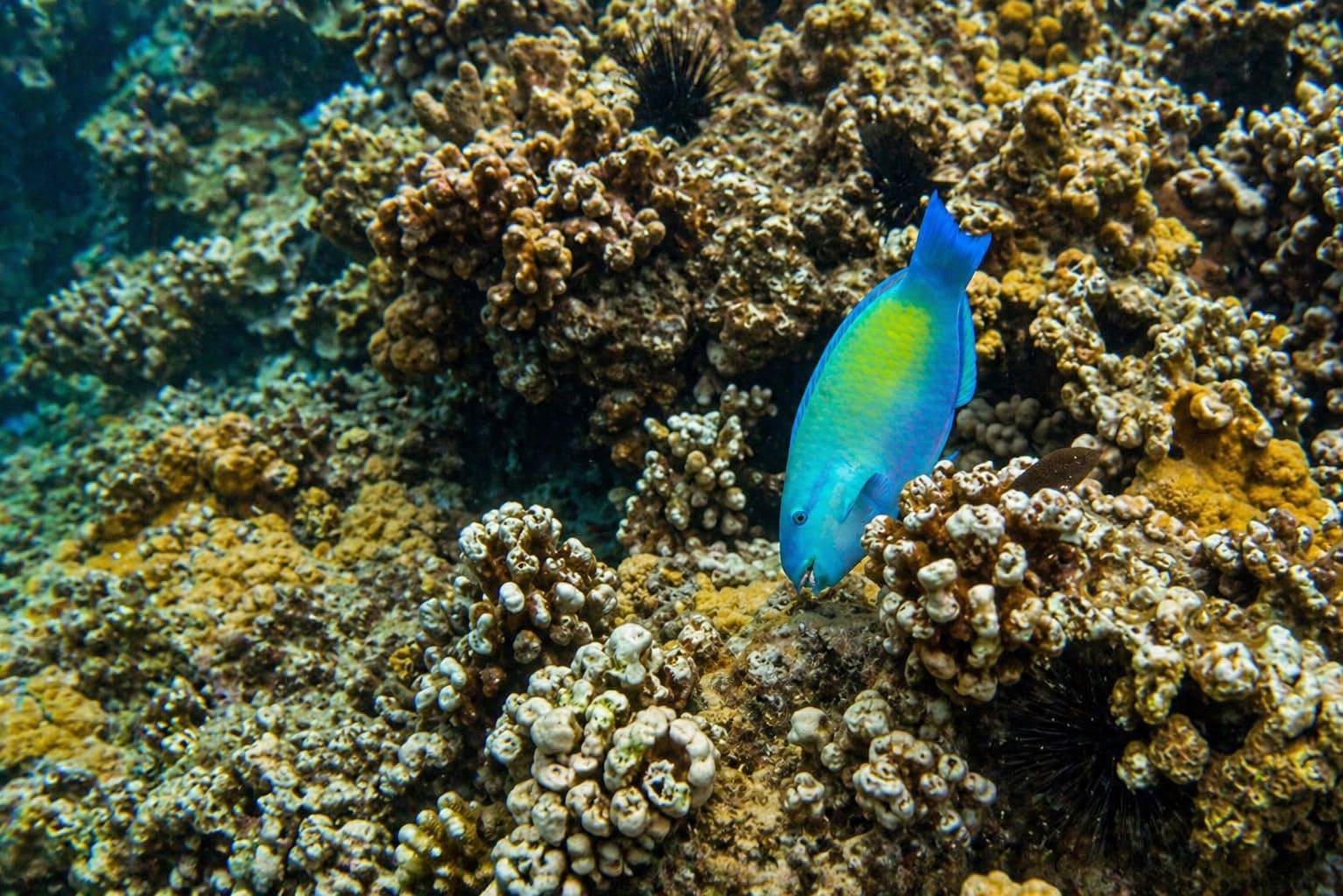
Parrotfishes
Parrotfishes are colorful reef fish best known for their strong, beaklike dental plates. These teeth look somewhat like a parrot's beak and help the fish scrape algae from rocks and coral heads....
View guide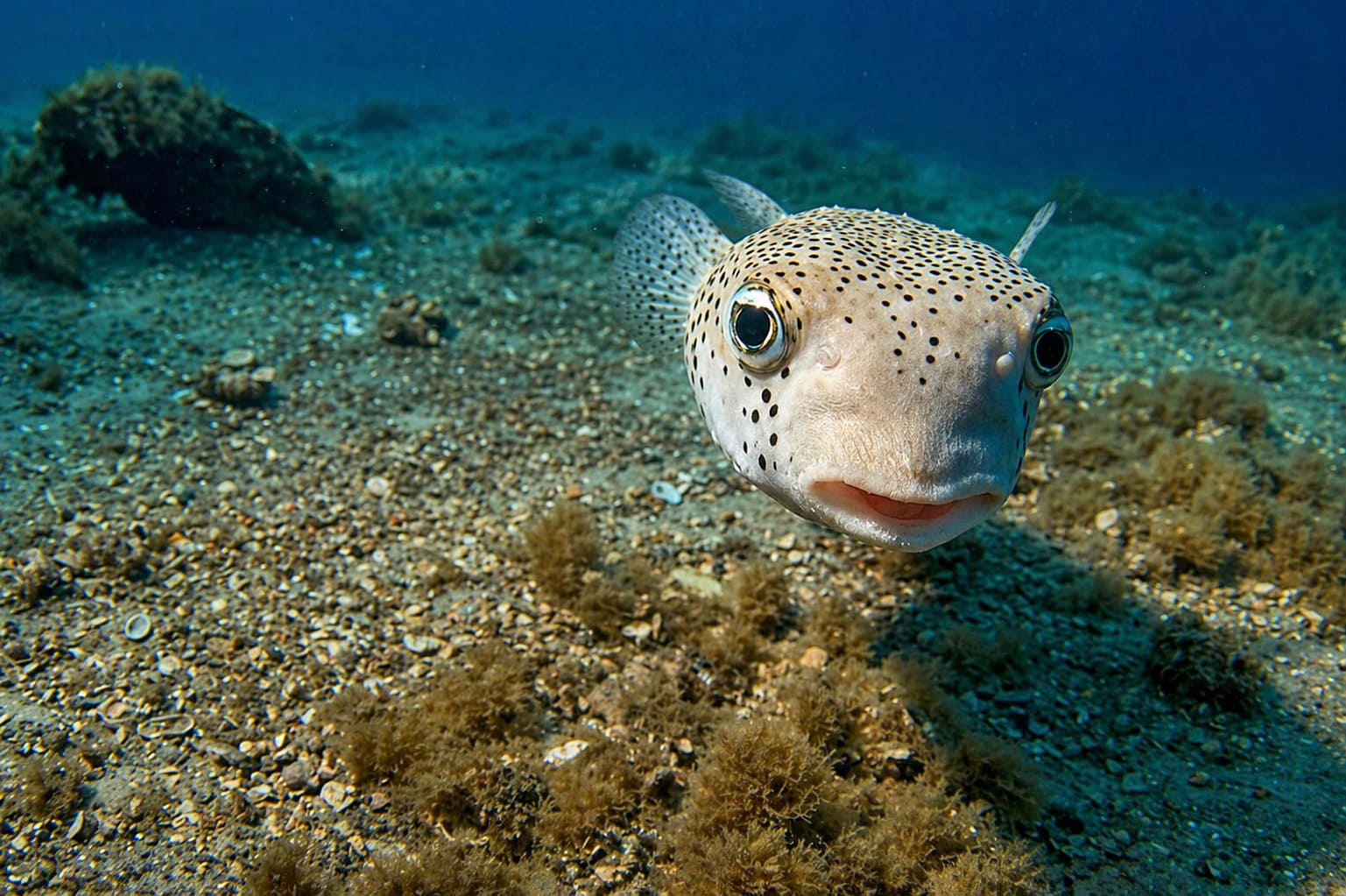
Porcupinefishes
Porcupinefishes are reef fish known for their sharp spines and dramatic defense behavior. When calm, the spines lie flat against the body. However, when a porcupinefish feels threatened, it can inflate into...
View guide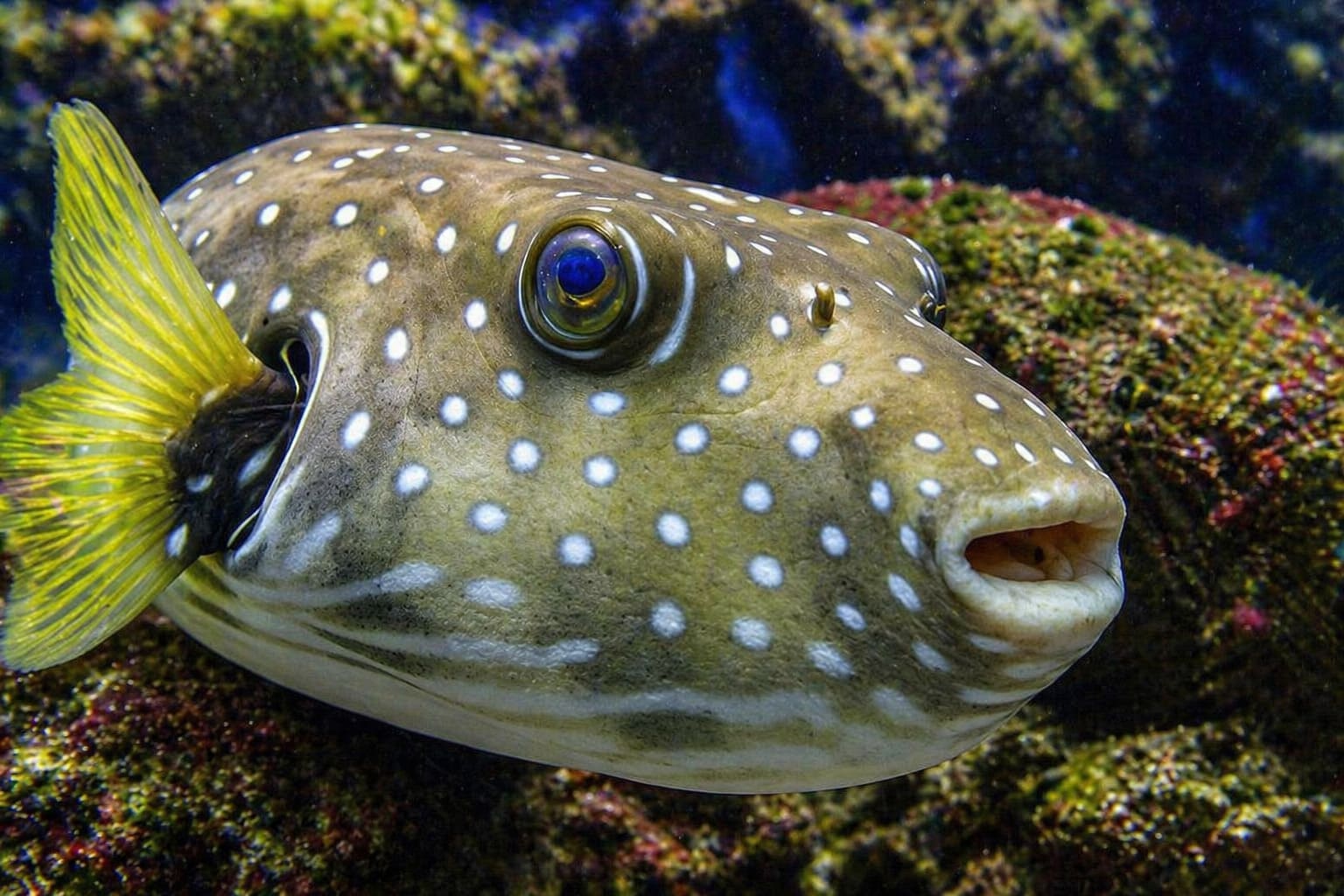
Pufferfishes
Pufferfishes are closely related to porcupinefishes, but they have their own distinct look and defenses. When threatened, they take in water and expand into a rounded balloon shape. This sudden size change...
View guide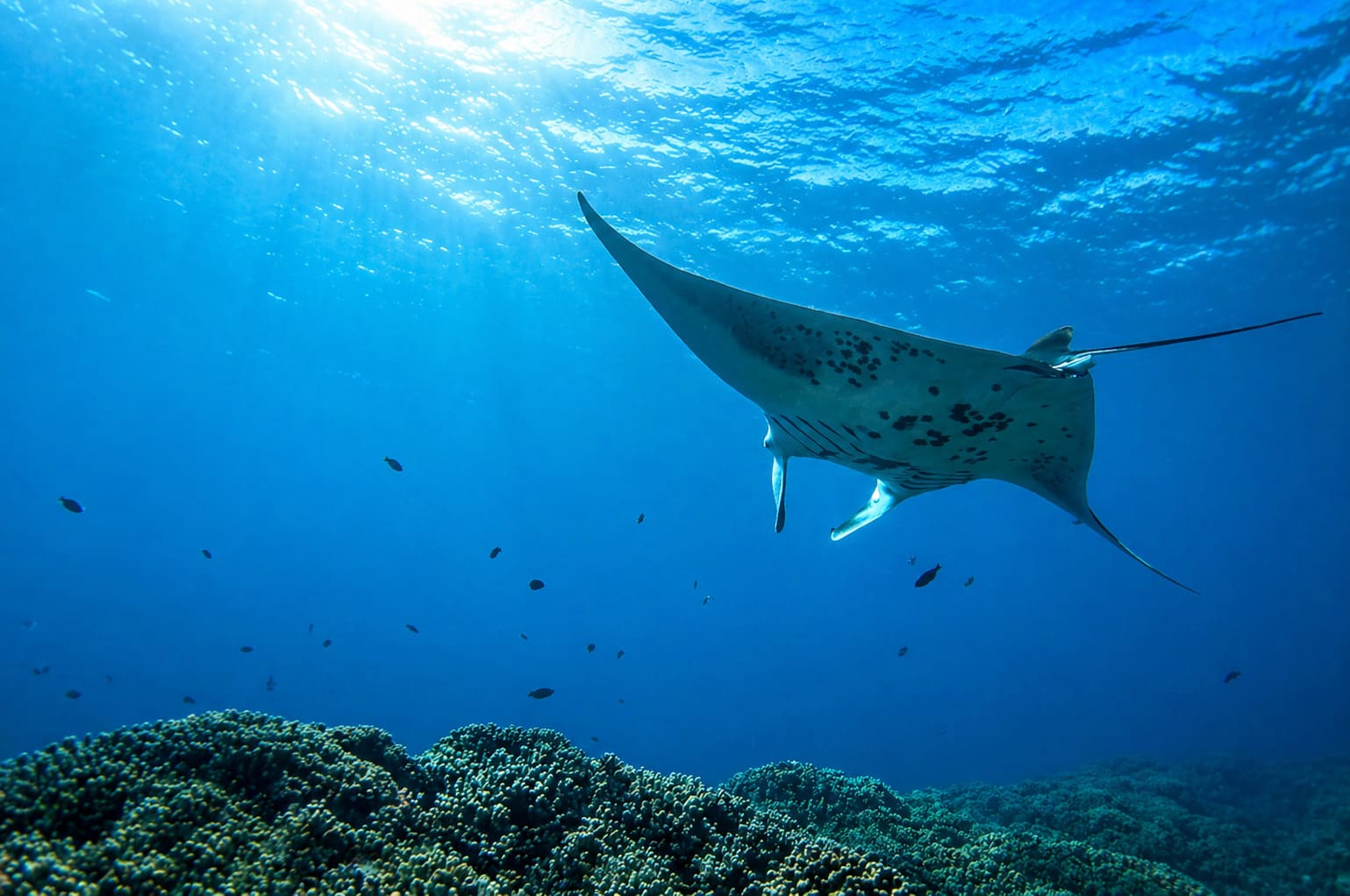
Rays
Rays may look very different from sharks, but they are closely related to them. Both belong to a group of fishes with skeletons made of cartilage instead of bone. These graceful animals...
View guide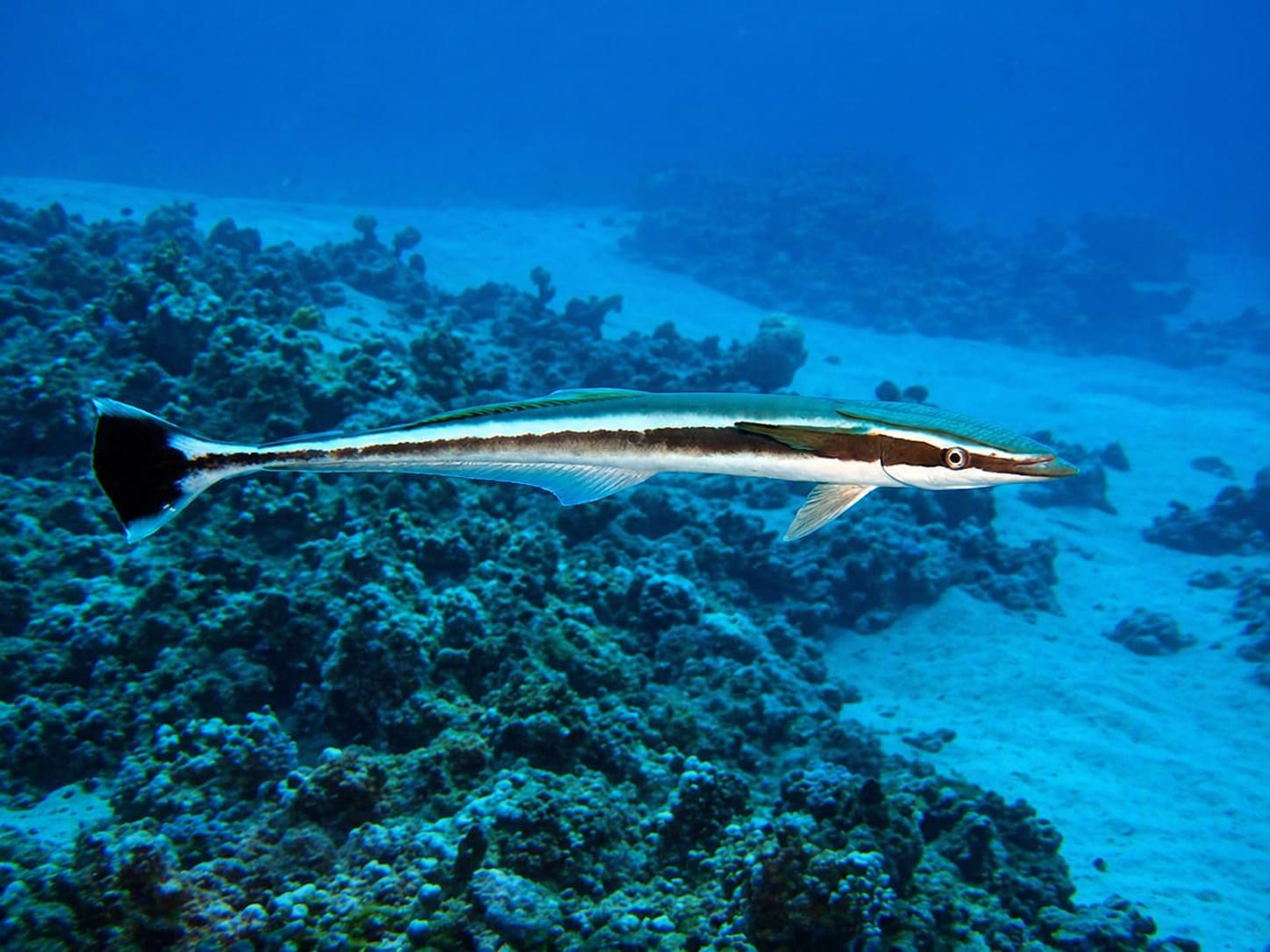
Remoras
Remoras are also known as suckerfishes because they use a suction disk on top of the head to attach to larger animals. This disk is a modified fin that works like a...
View guide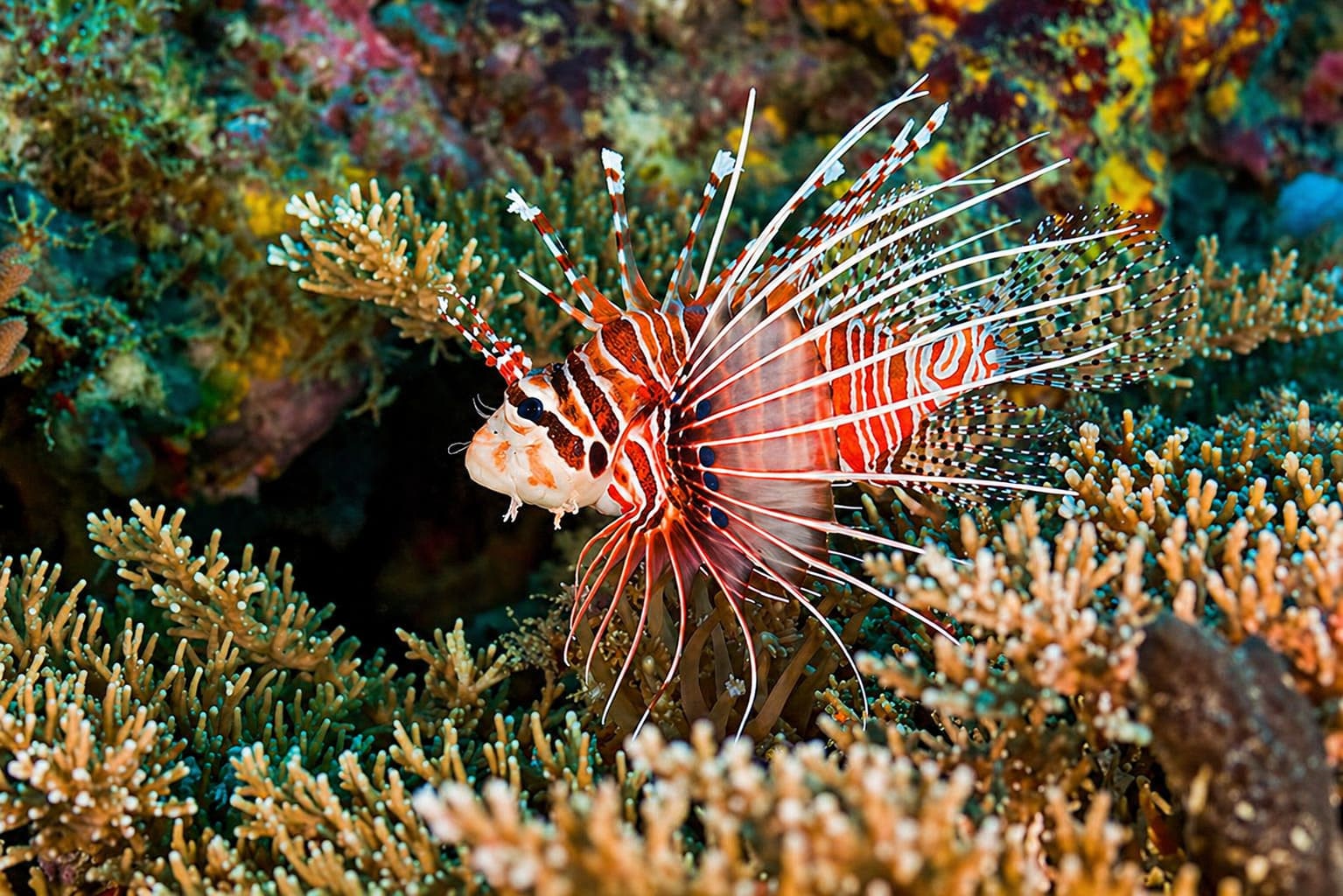
Scorpionfishes
Scorpionfishes are reef predators that rely on patience and camouflage. They do not move around much. Instead, they rest on the reef and blend into rocks, coral and rubble until prey comes...
View guide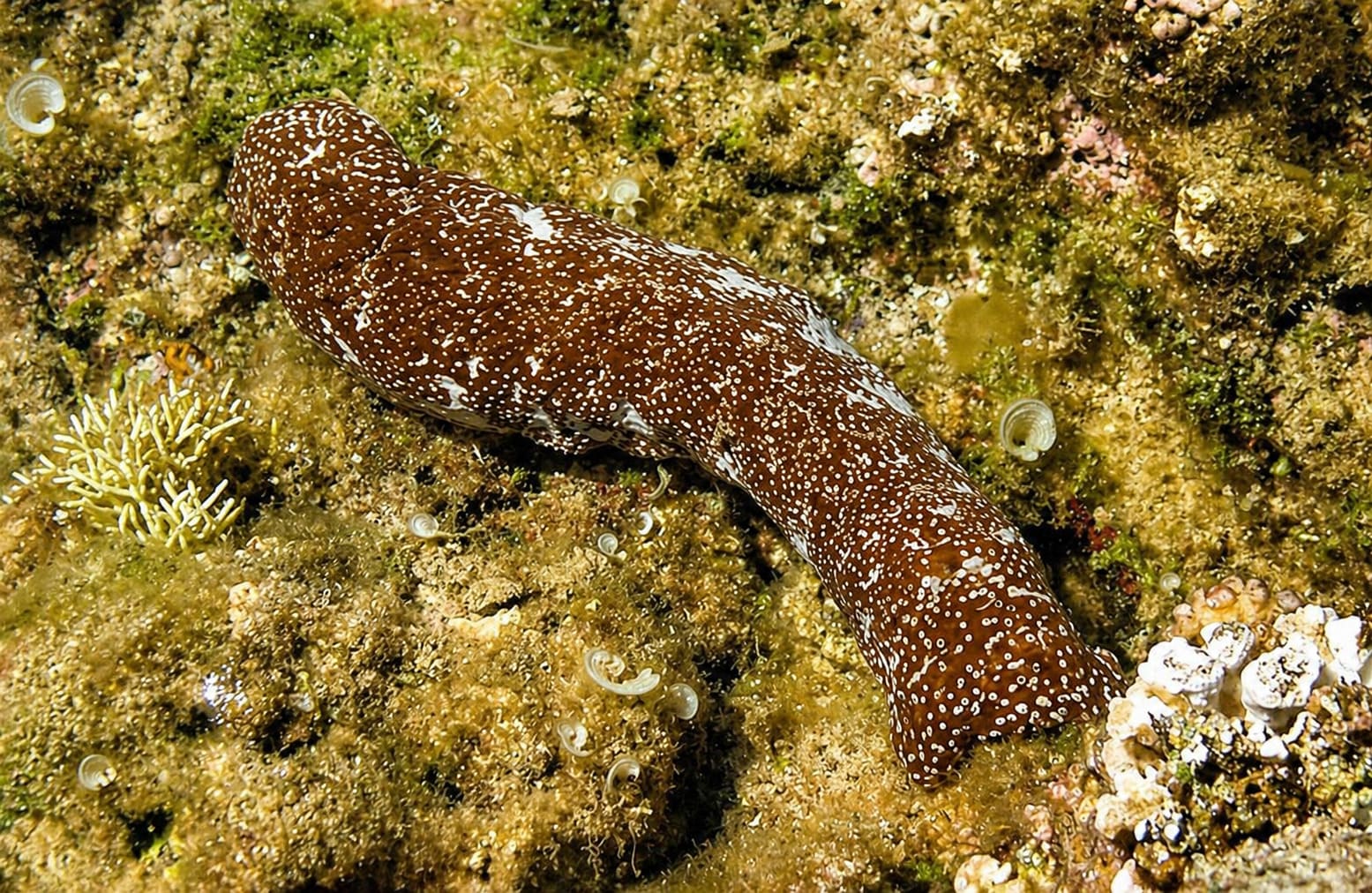
Sea Cucumbers
Sea cucumbers are marine animals with leathery skin and long, soft bodies. They live on the seafloor, in sandy areas, tide pools and reef habitats. In Hawaii, their Hawaiian name is...
View guide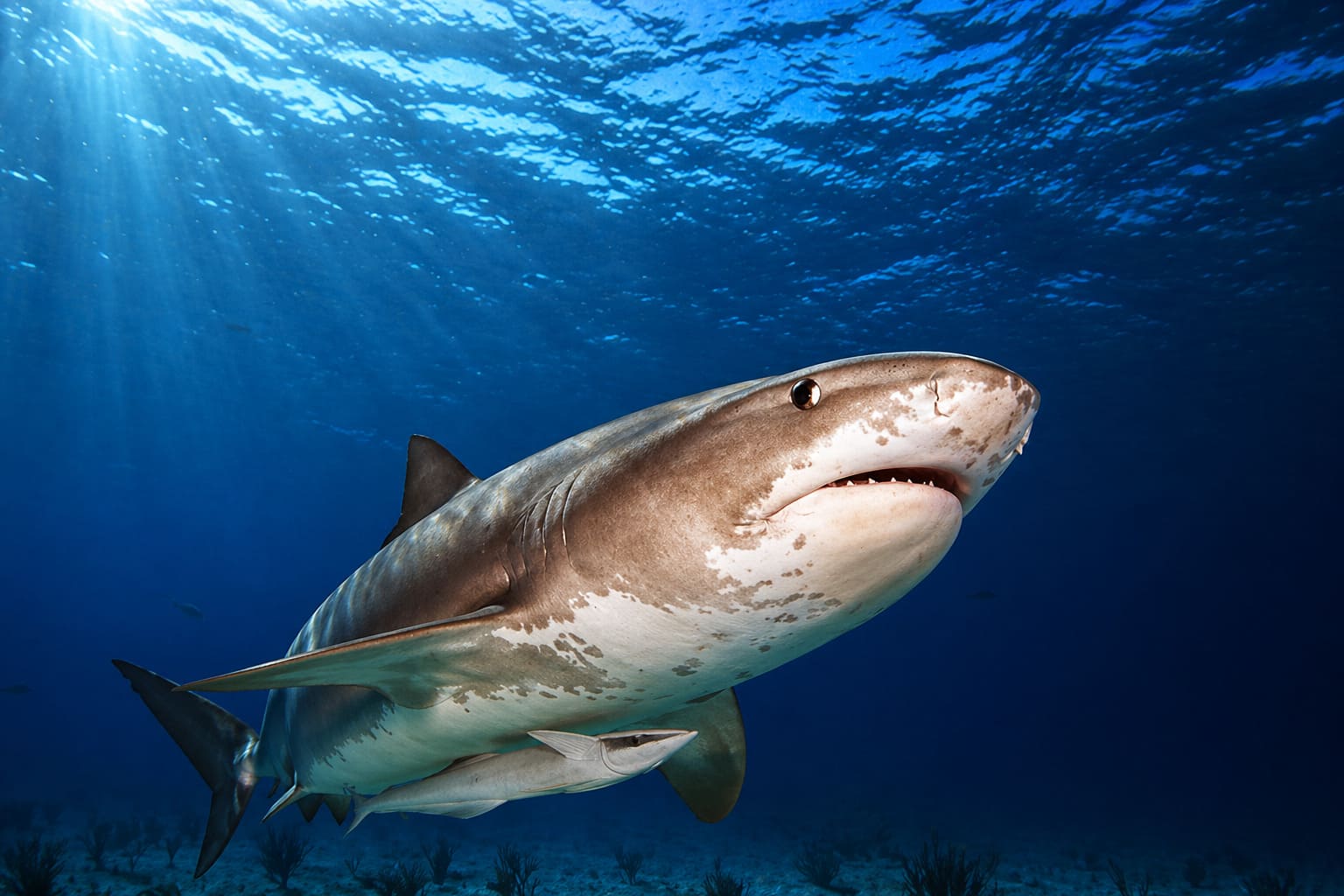
Sharks
Sharks are some of the most powerful predators in the ocean. They use sharp senses, strong bodies and specialized teeth to find and catch prey. In Hawaii, the Hawaiian word for shark...
View guide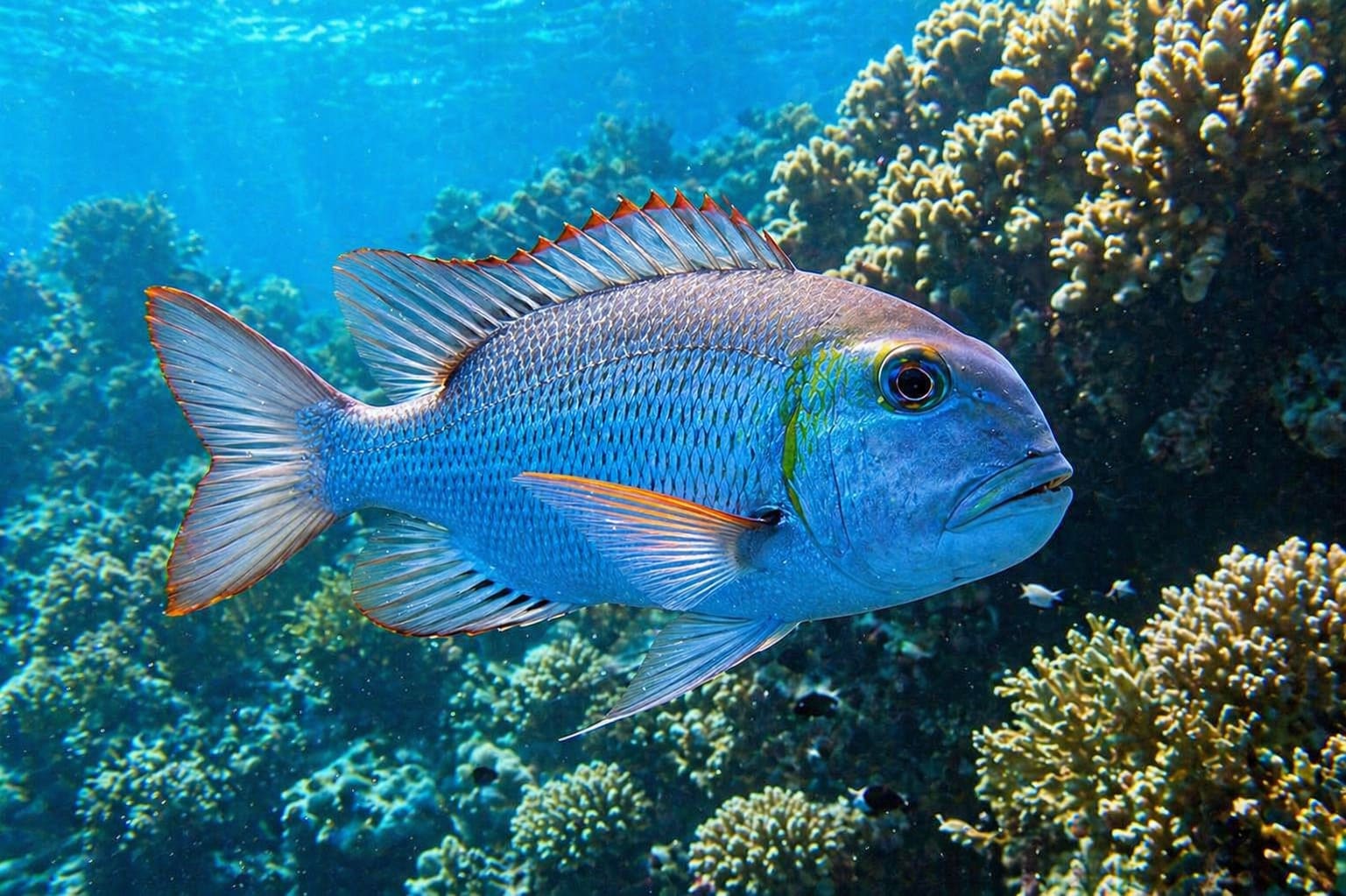
Snappers
Snappers are carnivorous fish in the family Lutjanidae. In Hawaii, many species live in deeper offshore waters, while others can be seen closer to reefs and rocky slopes. They range in size...
View guide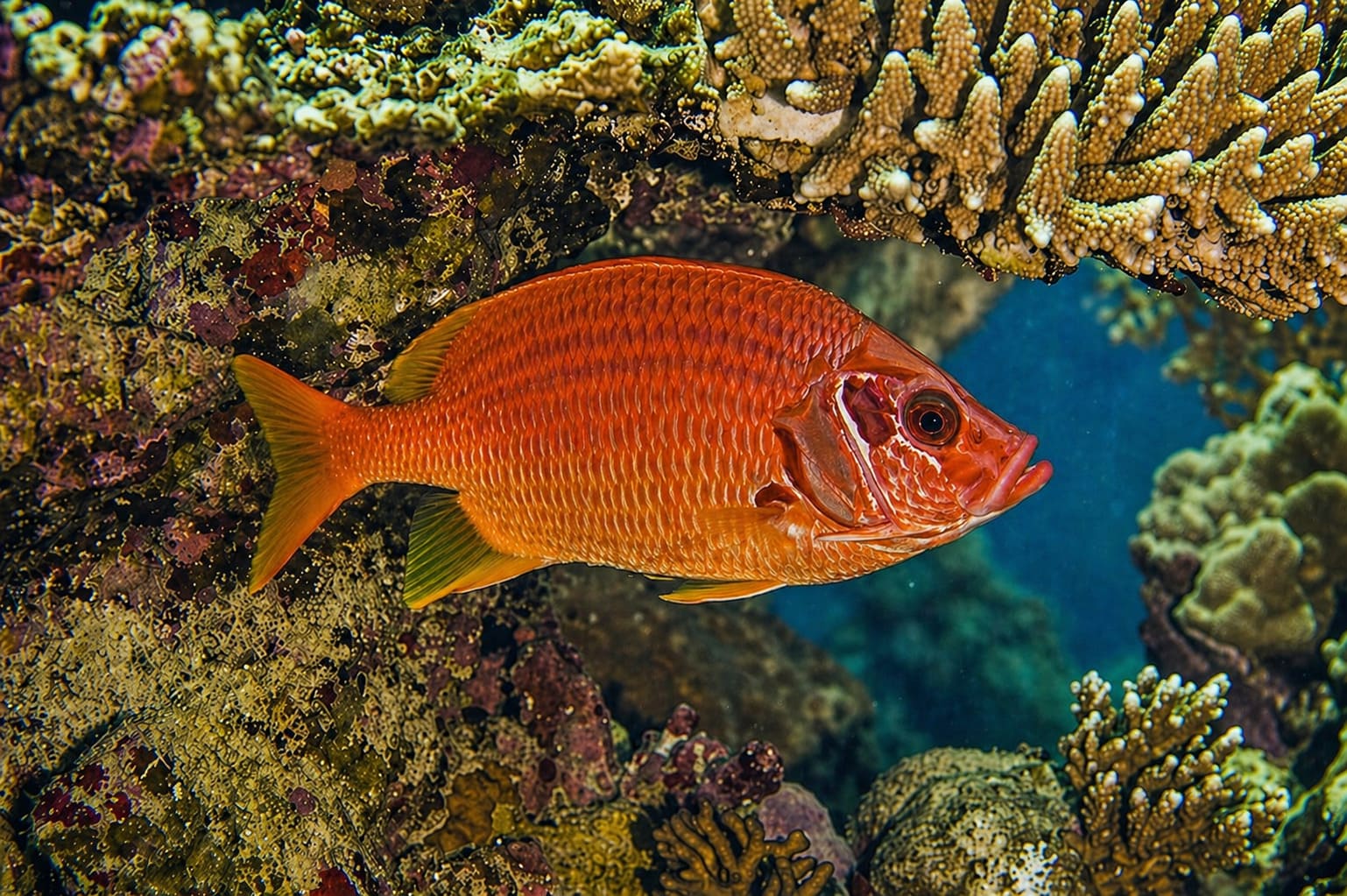
Squirrelfishes and Soldierfishes
Squirrelfishes and soldierfishes are reef fish in the family Holocentridae. Most are red, with large black eyes and forked tail fins. Their big eyes help them hunt at night, while...
View guide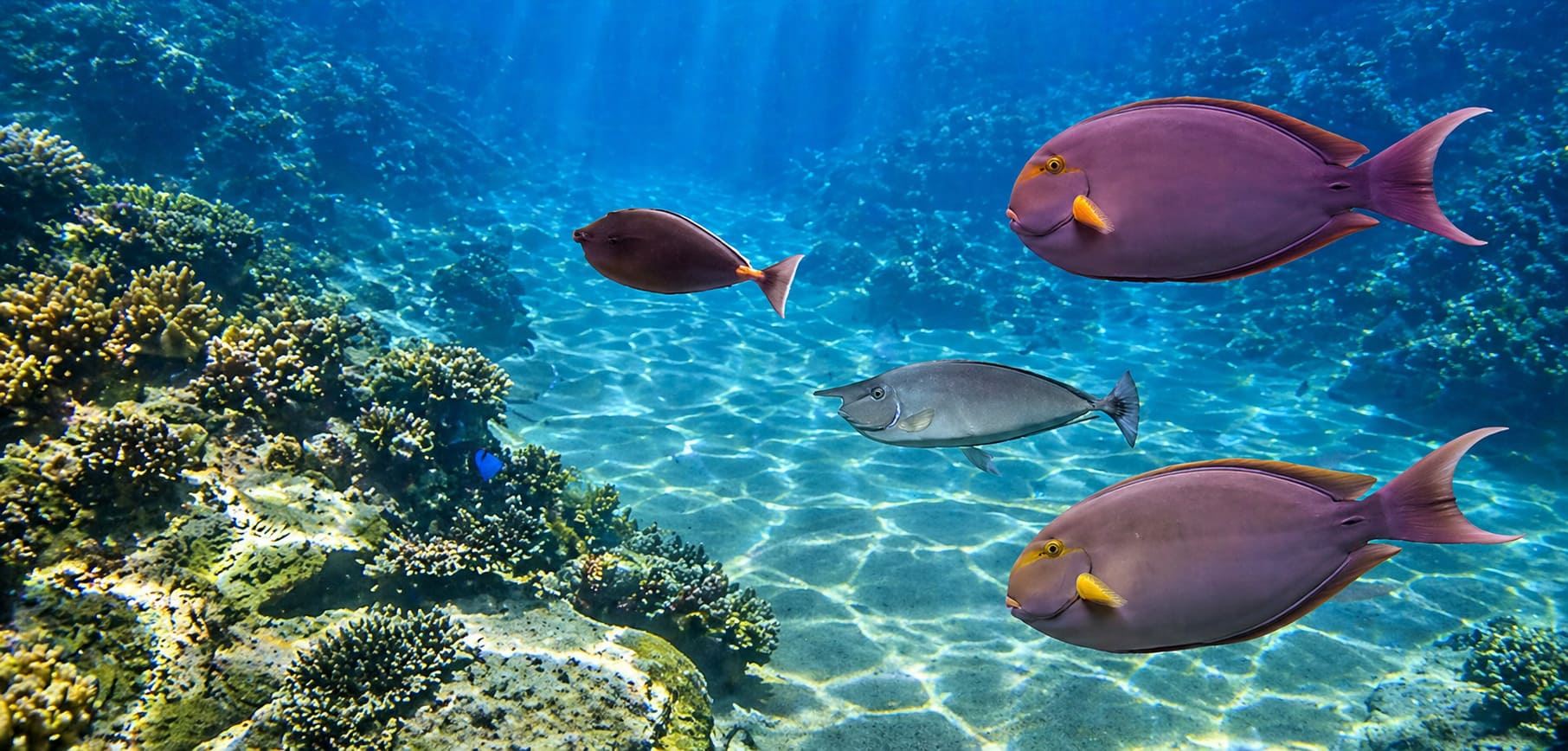
Surgeonfishes and Unicornfishes
Surgeonfishes and unicornfishes are some of the most common fish on Hawaii's reefs. They usually have oval or oblong bodies, with eyes set high on the head. Many species move...
View guide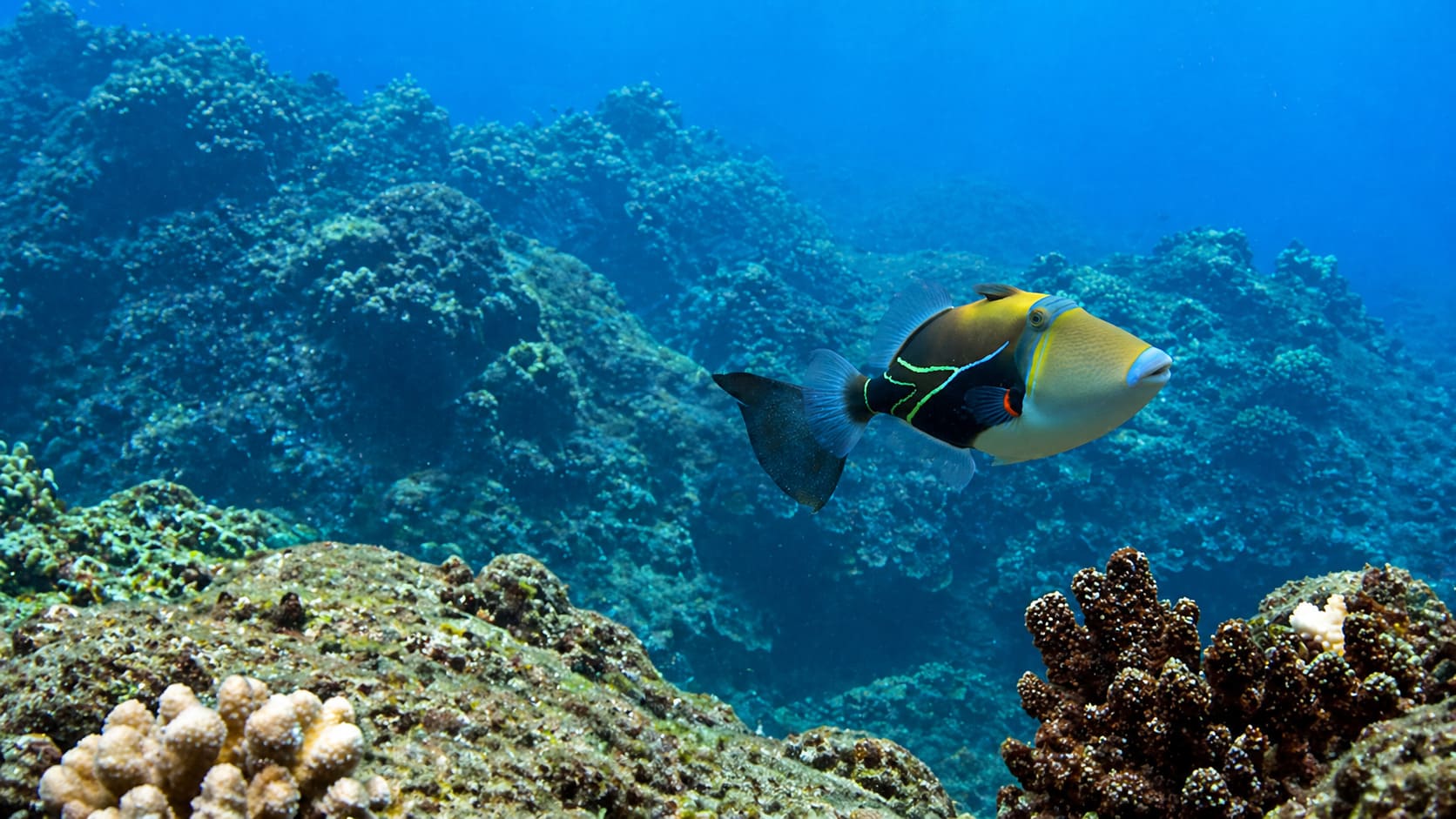
Triggerfishes
Triggerfishes are sturdy reef fish with strong jaws, small powerful mouths and a unique defensive spine system. In Hawaii, the most famous species is the wedgetail triggerfish, known in the Hawaiian language...
View guide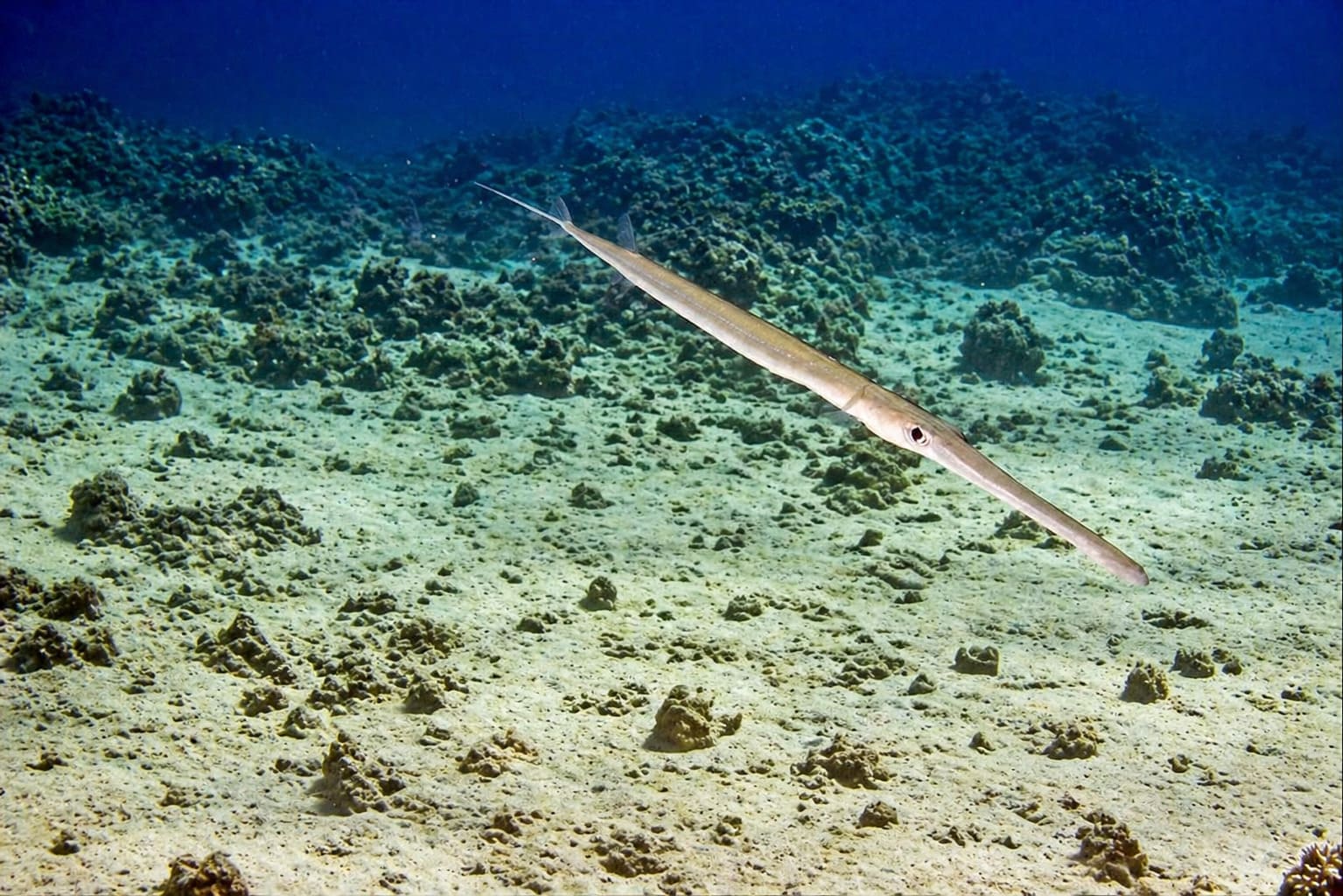
Trumpetfishes and Cornetfishes
Trumpetfishes and cornetfishes are slender reef predators with long bodies and tube-shaped mouths. They are among the more common fish predators on Hawaii's reefs. Both use stealth, patience and a...
View guide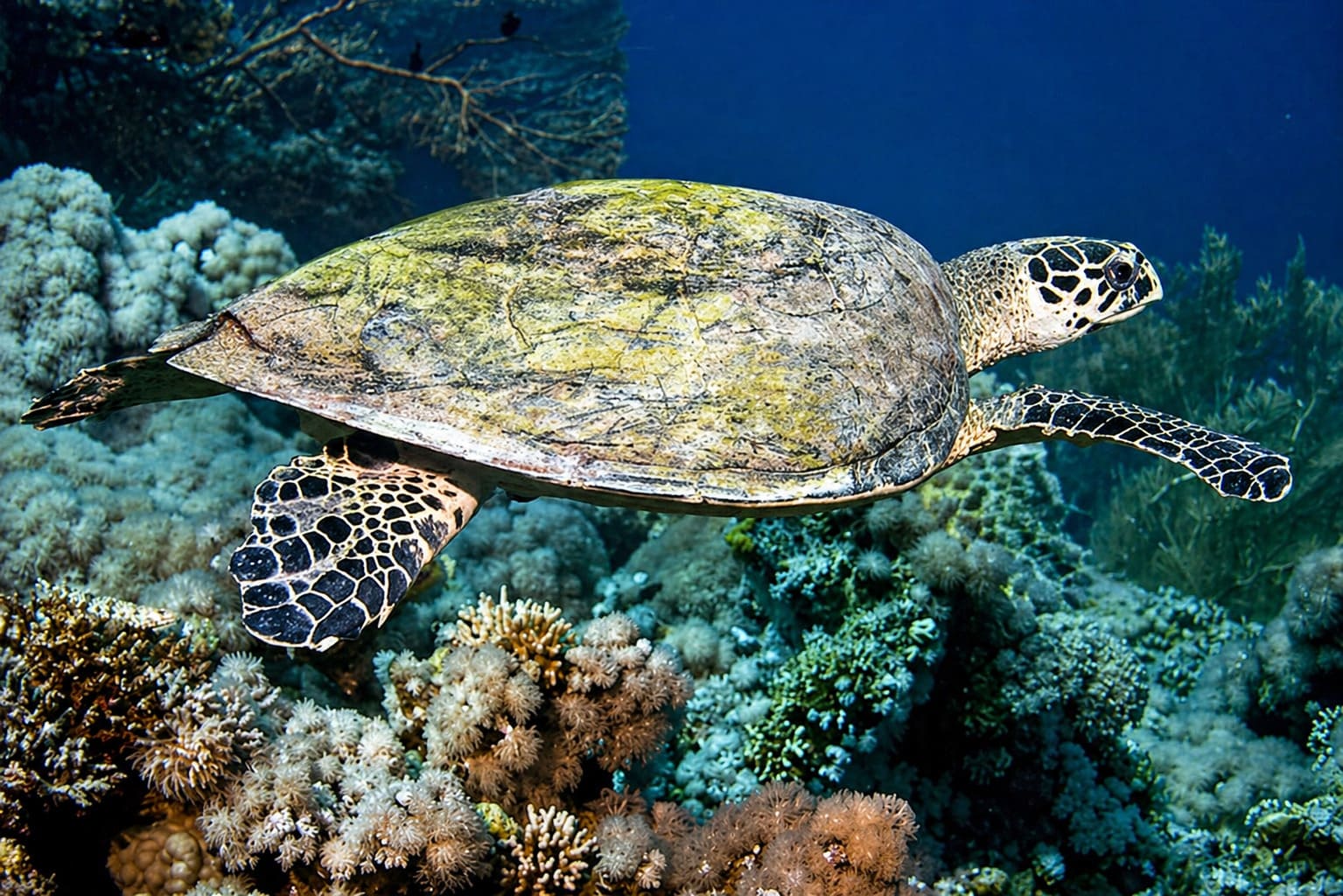
Turtles
Sea Turtles Overview Sea turtles are graceful marine reptiles that surface for short breaths before returning below to swim, rest or feed. In Hawaii, they are among the most memorable animals visitors may see...
View guide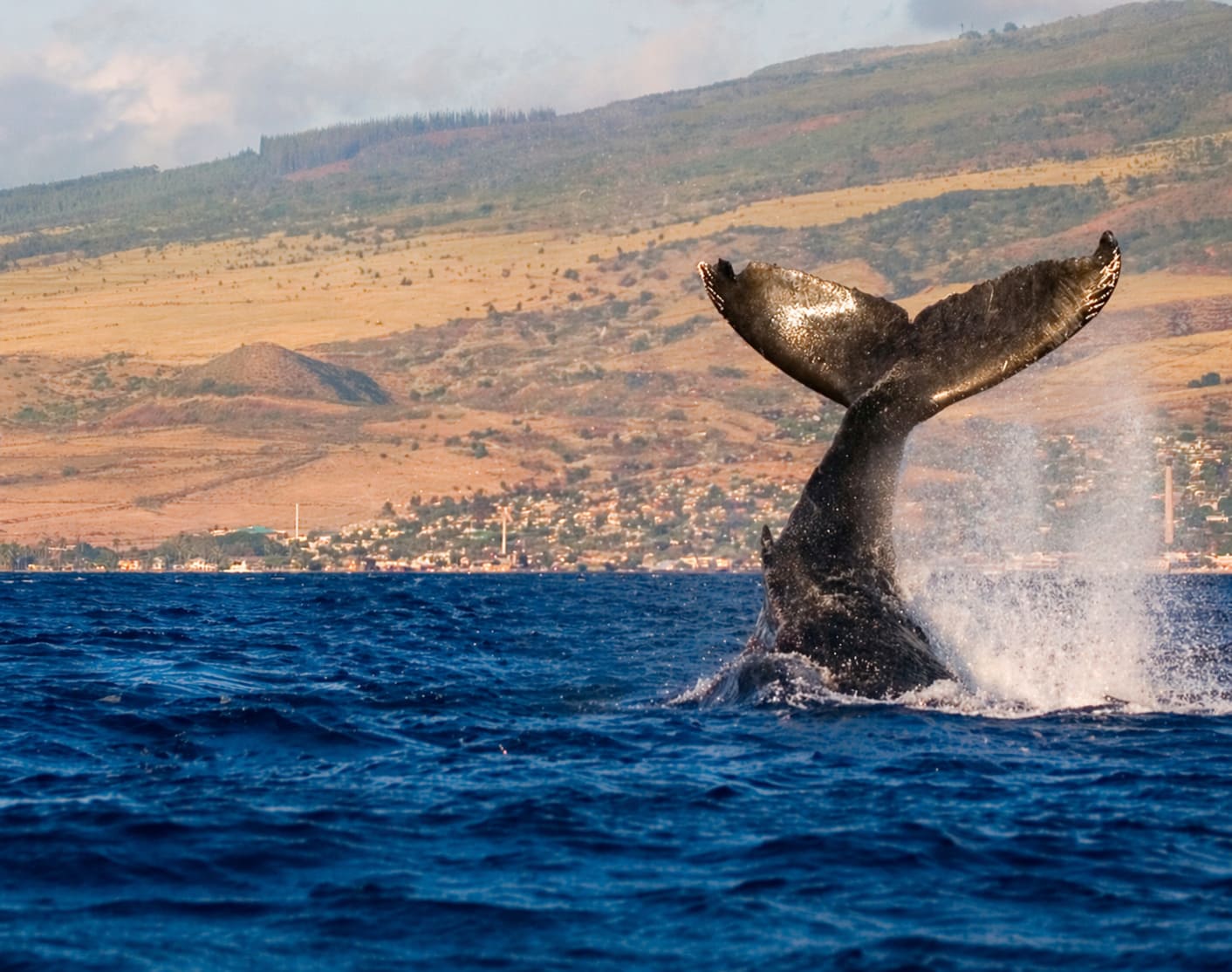
Whales
Humpback whales are among the most impressive marine mammals seen in Hawaii. Each winter, they arrive from colder North Pacific feeding grounds and spend the season in Hawaii's warm waters. During this...
View guide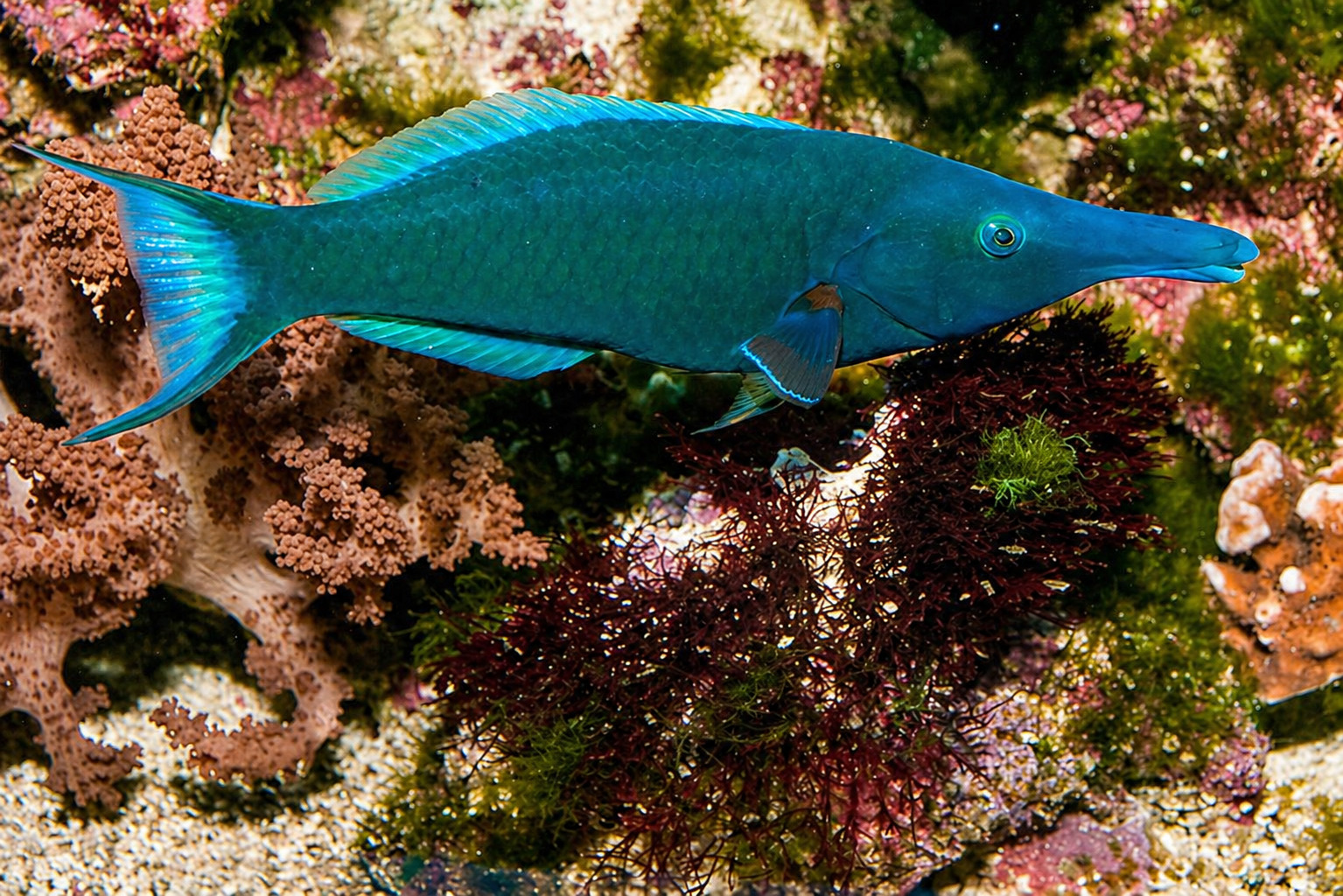
Wrasses
Wrasses are common coral reef fish in Hawaii. Most species have elongated bodies and a continuous dorsal fin, but their colors, patterns and sizes vary widely. Some are small and quick, while...
View guide

Frequently Asked Questions
What kinds of fish can be seen in Hawaii?
Hawaii has many reef fish and marine animals, including butterflyfishes, angelfishes, wrasses, triggerfishes, parrotfishes, surgeonfishes, goatfishes, eels, rays, sharks and reef predators such as jacks and barracudas.
What is Hawaii's state fish?
Hawaii's state fish is the humuhumunukunukuapua'a, also known as the wedgetail triggerfish or Picasso triggerfish. It is a colorful reef fish often seen in shallow Hawaiian waters.
Where is the best place to see reef fish in Hawaii?
Good places to see reef fish include calm snorkeling beaches, protected bays, reef flats and marine life conservation areas. Always check ocean conditions first and avoid touching coral or wildlife.
Are there marine mammals in Hawaiian waters?
Yes. Hawaiian waters are home to dolphins, whales and the endangered Hawaiian monk seal. Humpback whales visit in winter, while several dolphin species and monk seals may be seen year-round.
Can I touch sea turtles, monk seals or reef fish in Hawaii?
No. Wildlife should be viewed from a respectful distance. Sea turtles and monk seals are protected, and touching or disturbing marine animals can harm them and may violate wildlife protection rules.
What should snorkelers know before viewing Hawaii marine life?
Snorkelers should avoid standing on coral, keep fins away from the reef, never feed fish, watch ocean conditions and give all wildlife plenty of space. Responsible snorkeling helps protect Hawaii's reefs and marine animals.