

Hawaii Beach Safety Tips
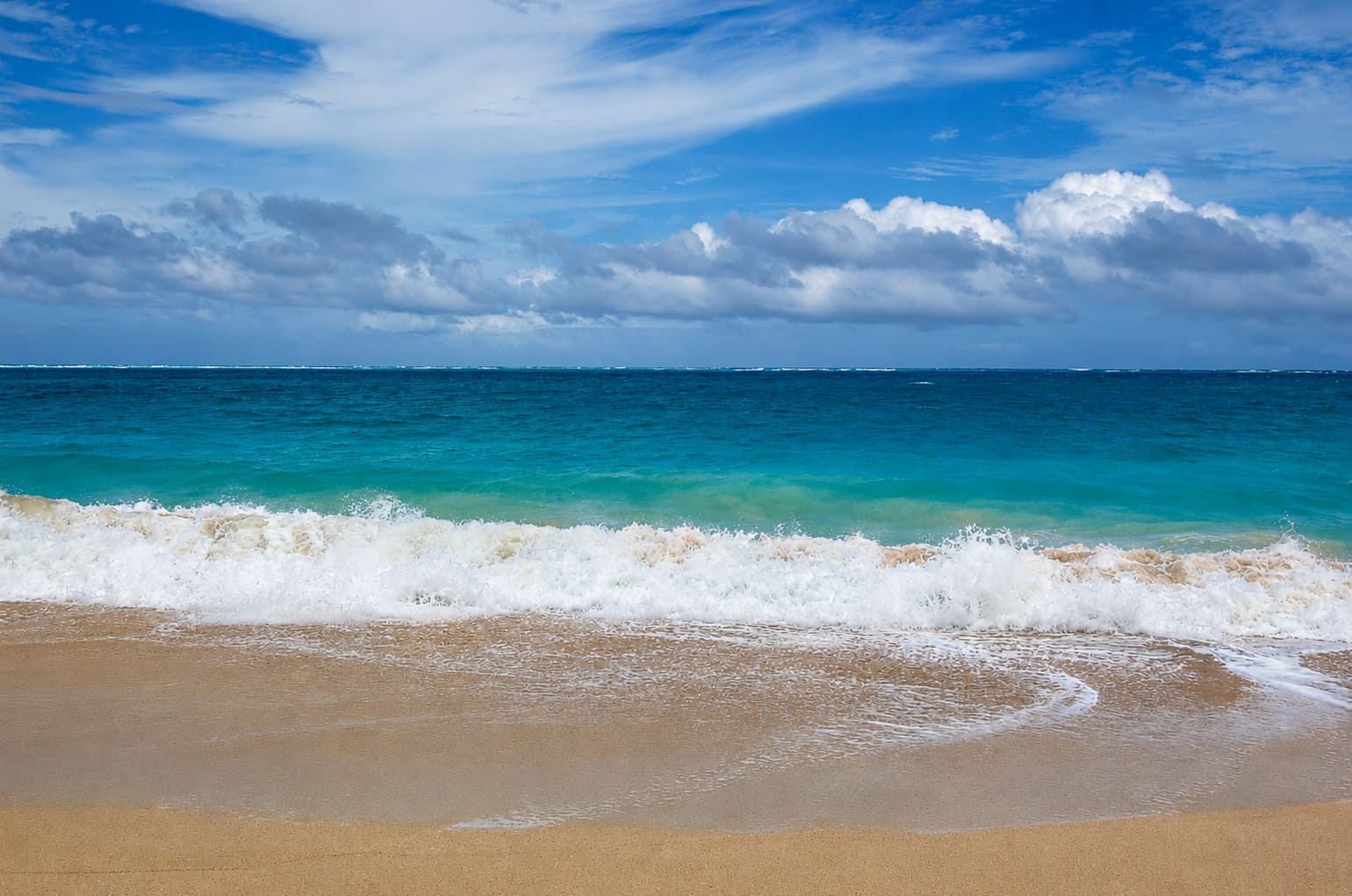
Hawaii's beaches are beautiful, but ocean conditions can change quickly. Powerful shorebreak, high surf, strong currents, rip currents, slippery rocks, sharp coral and other hazards can make swimming dangerous even when the water looks calm. Before entering the ocean, check the conditions, read posted warning signs and use common sense. When in doubt, don't go out. For broader ocean planning, see Hawaii marine life and dangers in Hawaii.
Choose a beach with a lifeguard
Whenever possible, swim at a guarded beach. Lifeguards understand local ocean conditions and can warn visitors about hazards, but they cannot watch everyone at every moment. Stay near shore, remain within sight and choose conditions that match your swimming ability.
Pay attention to warning signs
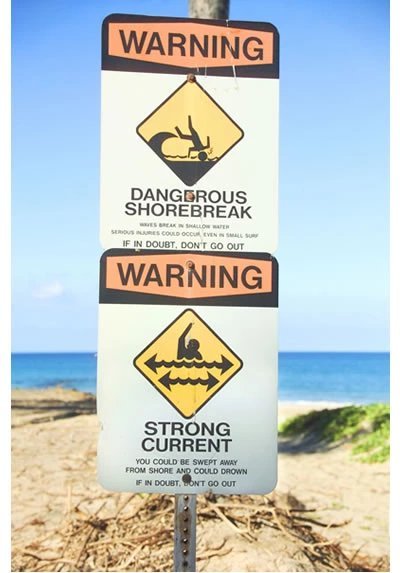
Beach signs may warn about strong currents, high surf, stinging jellyfish, sharp coral, dangerous shorebreak, monk seals, turtles or other local hazards. Read and follow all posted warnings before entering the water.
Avoid remote beaches for swimming
Remote beaches can be scenic, but they may have no lifeguards, no quick emergency help and stronger hidden currents. If no one else is in the water, there may be a reason. In that case, enjoy the view from shore and choose a safer guarded beach for swimming.
Never turn your back on the ocean
Sudden waves can knock people down, sweep them off rocks or pull them into deeper water without warning. Always keep an eye on the water, especially near rocky shorelines, tide pools, lava shelves and surf zones.
If in doubt, don't go out
If you are unsure whether conditions are safe, stay out of the ocean. The safest choice is always to wait, ask a lifeguard or choose a calmer guarded beach.
Rip Currents
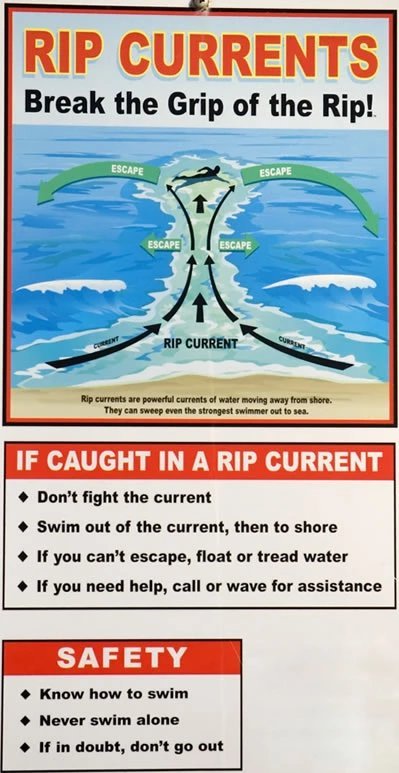
Rip currents are strong, fast-moving channels of water that flow away from shore. They often form near breaking waves, jetties, piers, reef channels or gaps in sandbars. A swimmer caught in a rip current may be pulled away from the beach and become exhausted while trying to swim directly back to shore. Instead of fighting the current, stay calm, float if needed and swim parallel to the shoreline until you are out of the moving water.
How to Reduce Your Risk
- Swim at beaches with lifeguards whenever possible.
- Never swim alone.
- Obey posted beach warning signs.
- Ask a lifeguard about current conditions before going in.
- Stay away from piers, jetties and rocky points where currents may be stronger.
- Watch for choppy, discolored or unusually calm-looking channels between breaking waves.
- Stay out of the water if conditions look questionable.
What to Do if You Are Caught in a Rip Current
- Stay calm and conserve your energy.
- Do not fight the current or try to swim straight back to shore.
- Swim parallel to the shoreline until you are out of the current, then swim diagonally back toward shore.
- If you cannot escape, float, tread water and signal for help by waving and calling out.
If You See Someone in Trouble
- Call a lifeguard immediately.
- If no lifeguard is present, call 911.
- Do not enter the water unless you are trained to perform ocean rescues.
- Throw something that floats, such as a life jacket, cooler or inflatable item.
- Yell clear instructions, such as “float,” “stay calm” and “swim parallel to shore.”
Final Beach Safety Reminder
Beach conditions in Hawaii are seasonal and can vary by island, shoreline and time of day. A beach that is calm in summer may become hazardous in winter, and a beach that looks peaceful from shore may still have strong currents. Check with lifeguards, follow posted signs and remember: if in doubt, don't go out. If you plan to snorkel, surf or explore tide pools, also review Hawaii snorkeling, surfing in Hawaii, bodyboarding in Hawaii and the Hawaiian coral reef.


