

Hawaii Travel Guide
Big Island Weather
Big Island weather changes dramatically from one region to another. The island is large, volcanic and mountainous, so rainfall, sunshine, wind and temperature can vary widely between the east side, west side, upcountry areas and high-elevation summits.
From a visitor's point of view, the Big Island's weather often divides the island into two major sides. The Hilo side on the east is much wetter, while the Kailua-Kona side on the west is much drier and sunnier. Trade winds bring moisture from the northeast, and the island's mountains help wring that moisture out as rain on the windward side.
Hilo Weather and the Rainy East Side
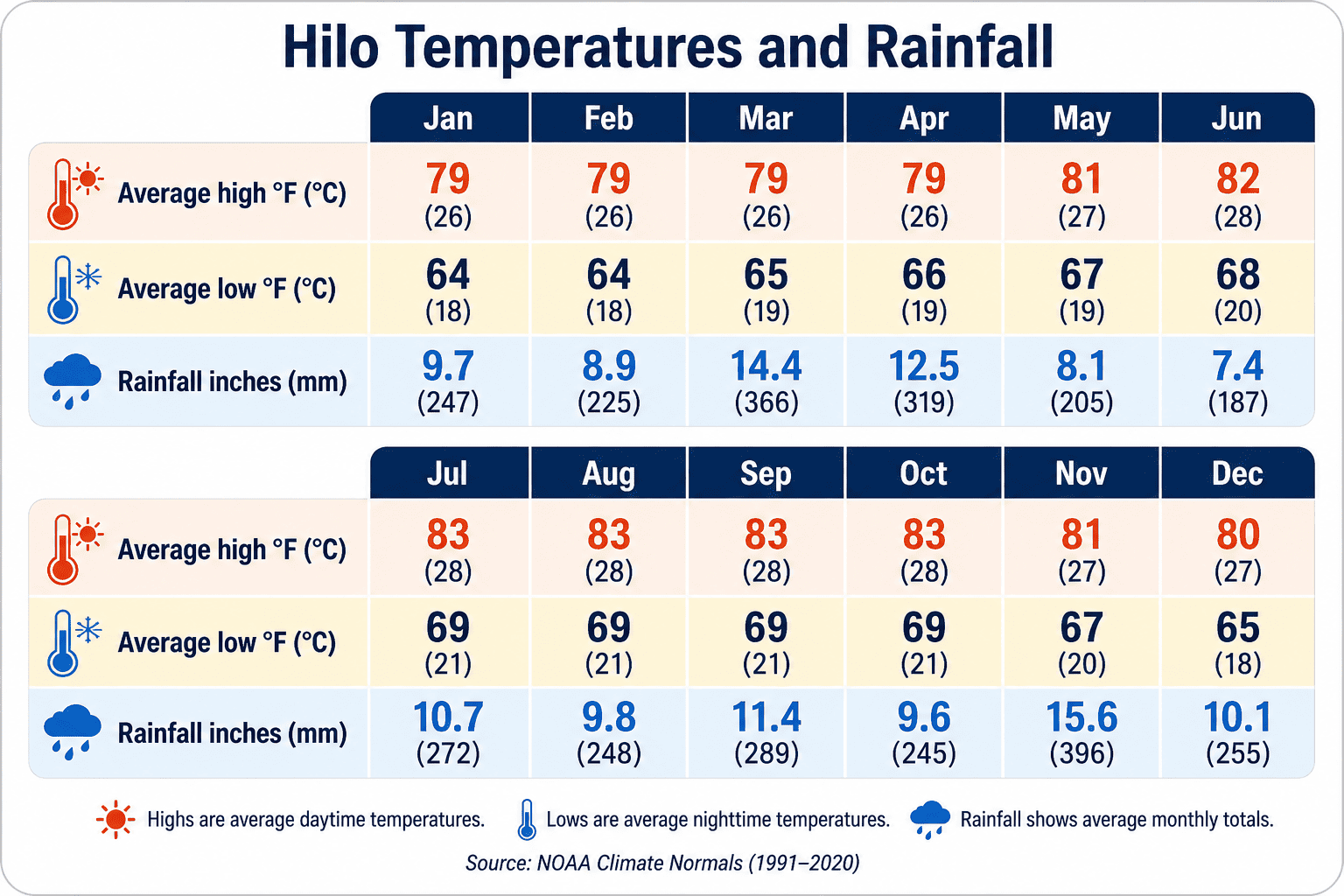
Hilo is known for rain, lush scenery, waterfalls and tropical greenery. The city receives a large amount of rainfall each year, but many showers happen at night, early in the morning or in short daytime bursts. The extra rain helps create the east side's deep green landscapes, tropical foliage and waterfall-filled valleys.
The rainy east side also has a different coastal feel than the west side. Runoff can make some nearshore waters look darker or murkier after rain, and the shoreline around Hilo is more rocky than sandy in many places. Visitors who want lush scenery, gardens, waterfalls and a greener Hawaii landscape often enjoy the Hilo side.
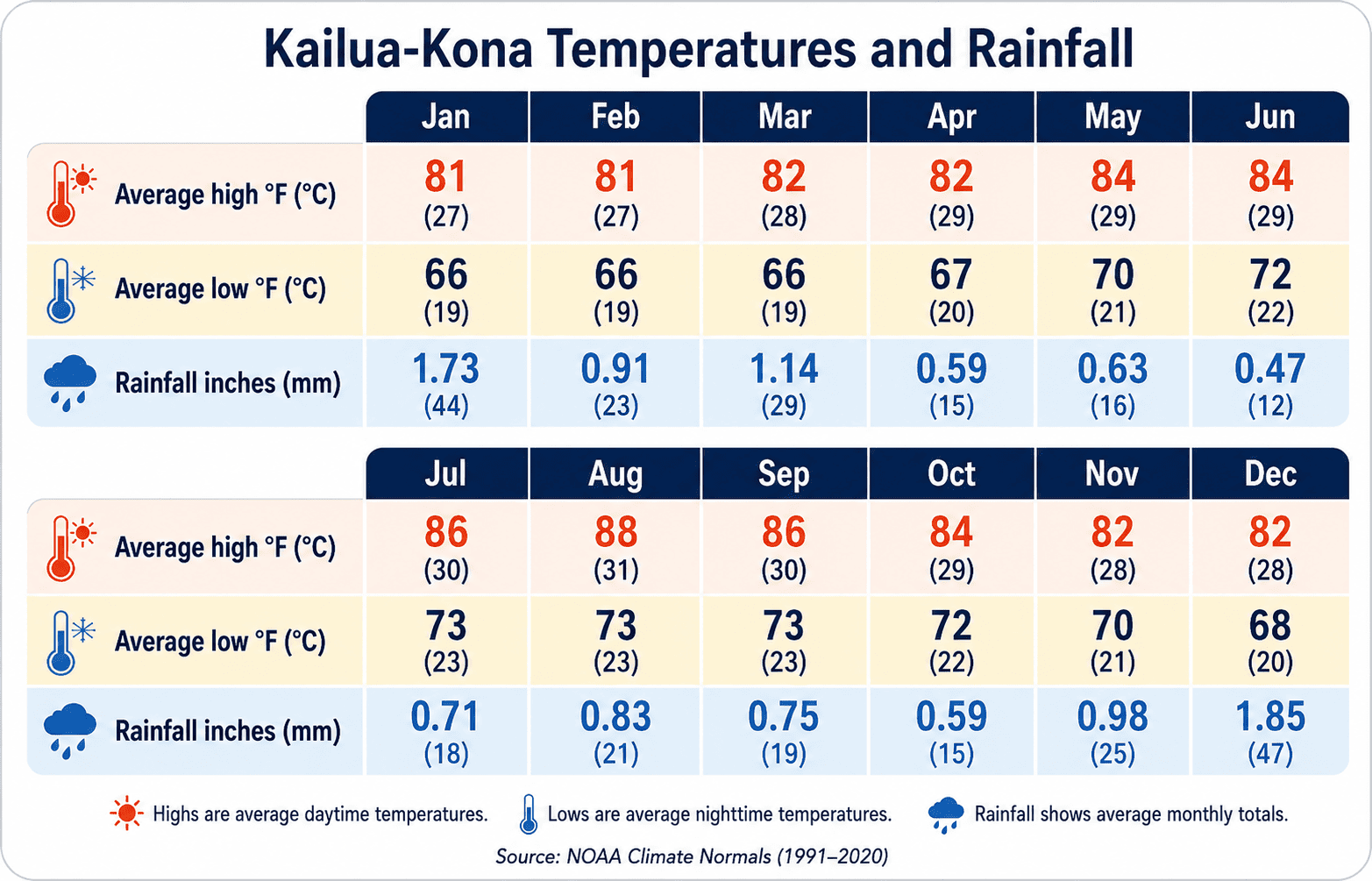
Kailua-Kona Weather and the Sunny West Side
The Kona side of the Big Island is dry and sunny on most days of the year. This is one reason many hotels, resorts, vacation rentals and beach-focused stays are located along the west side and Kohala Coast. Visitors often choose this side of the island for sunshine, clearer nearshore water, snorkeling, diving and beach time.
The Kohala Coast, north of Kailua-Kona, is the driest major resort area on the island. When rain does fall along the leeward side, it often arrives later in the afternoon or evening and may be brief. The west side also has more sandy beaches than the Hilo side, making it especially popular for coastal vacations.
Temperature, Elevation and Ocean Conditions
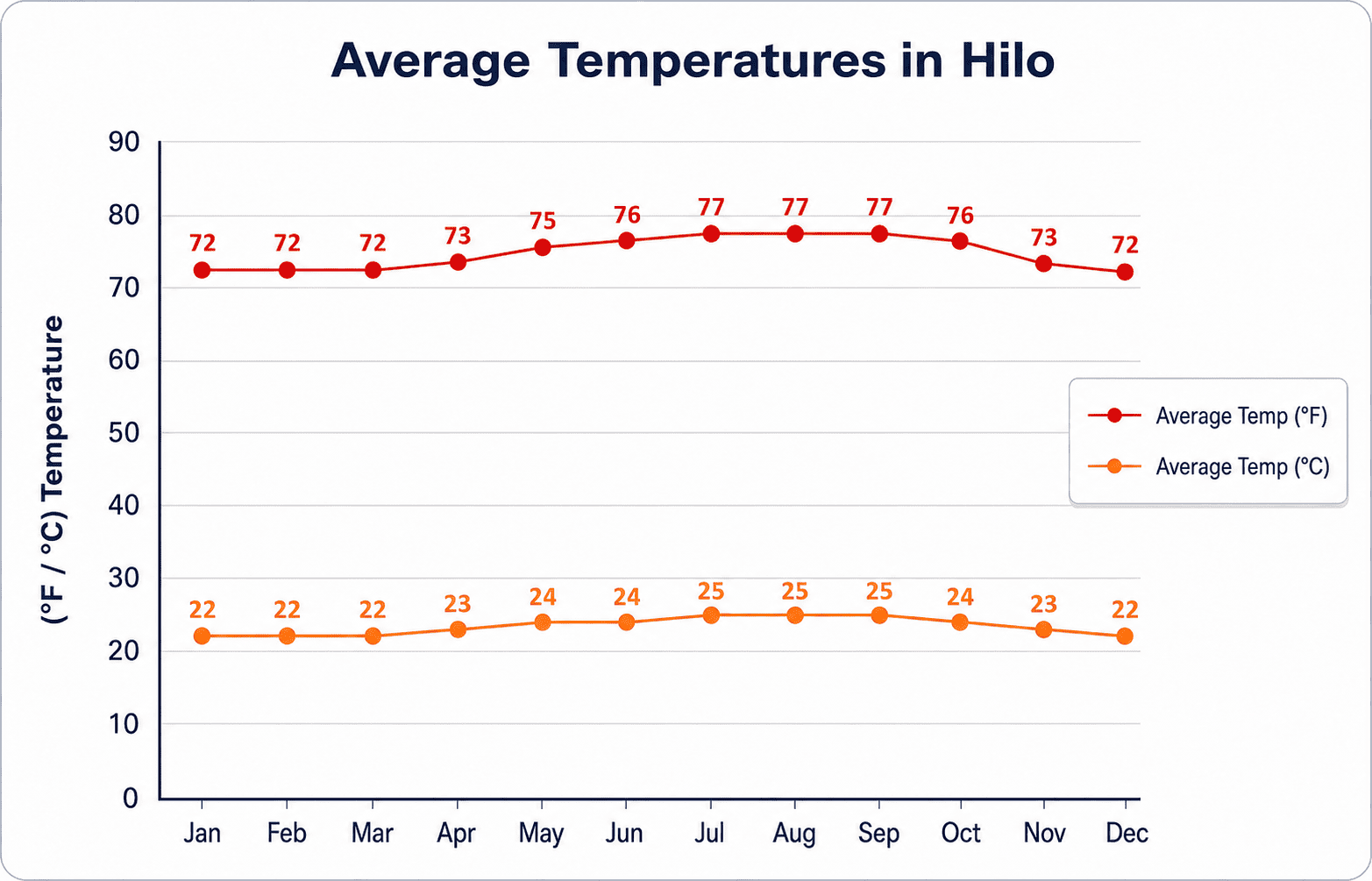
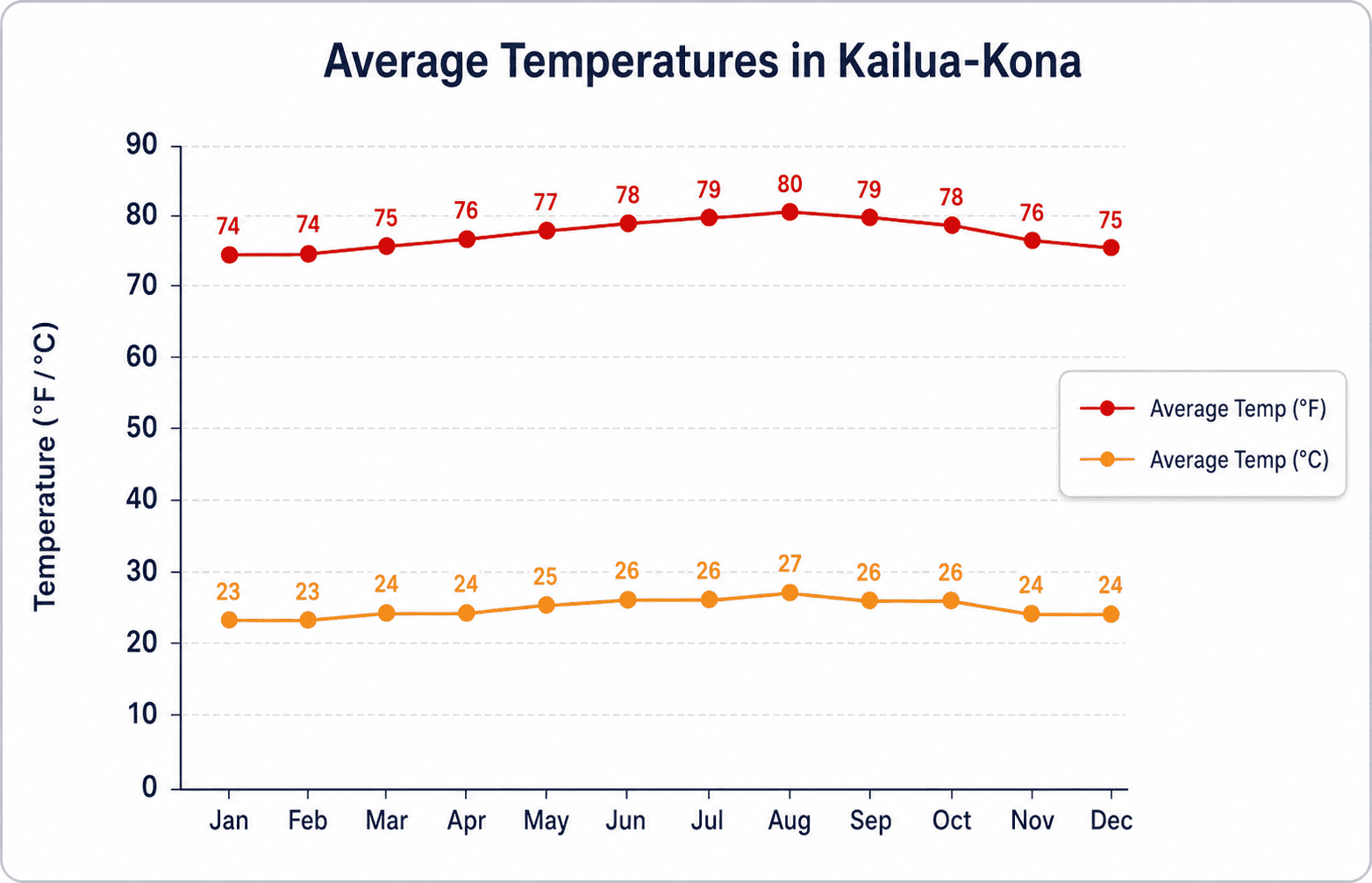
At sea level, Hilo and Kailua-Kona have warm temperatures throughout the year, and the main difference between the two areas is rainfall rather than temperature. Higher elevations are cooler. Waimea sits at about 2,670 feet, Volcano is cooler near the entrance to Hawaii Volcanoes National Park, and the summits of Mauna Kea and Mauna Loa can feel dramatically colder than the coast.
The Big Island's average ocean temperature is around 75°F (24°C) in February and about 82°F (28°C) in September. Some coastal spots can feel cooler where freshwater springs enter the ocean, including areas near Hilo such as Carlsmith Beach Park and Ice Pond.
Big Island Climate Zones
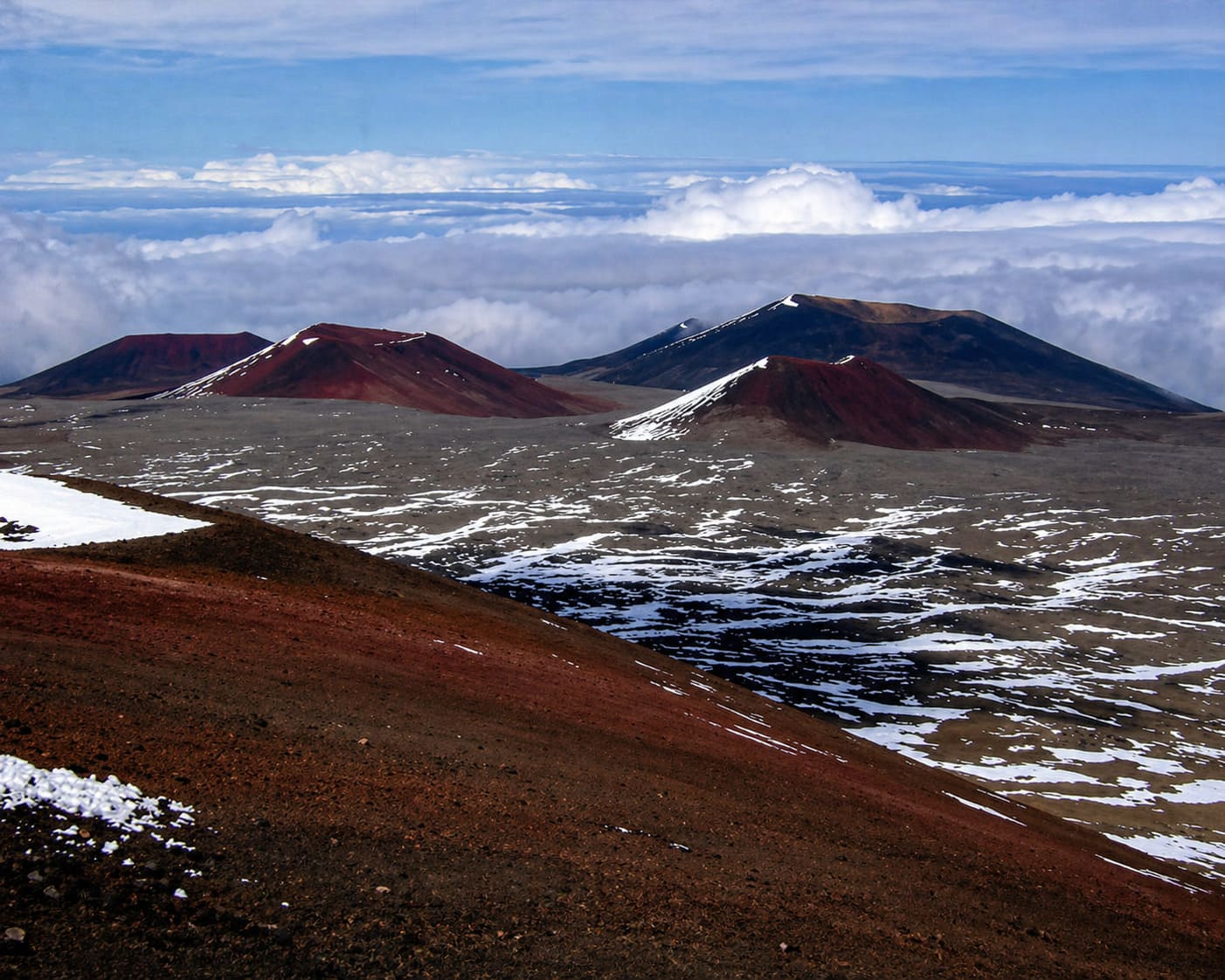
No other Hawaiian island has the same range of weather and climate variety as the Big Island. The island includes dry leeward coastlines, wet windward rainforest, cool uplands, volcanic landscapes and high mountain environments. This variety helps explain why visitors can experience sunshine, rainforest, lava fields, misty uplands and even snow on high summits during the right conditions.
This climate diversity makes the Big Island especially interesting for travelers who want more than one type of Hawaii landscape in a single trip. You can spend the morning in a cool upcountry or volcanic area, then return to a warm beach on the coast later the same day.
Volcanic Smog on the Big Island
Vog, or volcanic smog, can affect parts of the Big Island when volcanic emissions and wind patterns create hazy air. Conditions vary, but the Kona side can be more affected when trade winds carry vog around the island. Hazy days may reduce long-distance views and can bother people with asthma or other respiratory sensitivities.
Most visitors can still enjoy their trip, but sensitive travelers should pay attention to current air quality, avoid strenuous outdoor activity when vog is thick and spend more time indoors if breathing feels uncomfortable.


Frequently Asked Questions
Why is Hilo wetter than Kona?
Hilo is on the windward east side of the island, where moist trade winds bring frequent rain. Kona sits on the leeward west side, so it is usually drier and sunnier.
What is the driest area on the Big Island?
The Kohala Coast, north of Kailua-Kona, is one of the driest visitor areas on the island and is known for sunny resort weather and beach conditions.
Can it snow on the Big Island?
Yes. The high summits of Mauna Kea and Mauna Loa can receive snow during winter storms because they rise more than 13,000 feet above sea level.
What is vog on the Big Island?
Vog is volcanic smog created when volcanic emissions mix with air and moisture. It can create hazy conditions and may bother people with asthma or respiratory sensitivities.
Is the ocean warm around the Big Island?
Yes. The Big Island's ocean temperature averages about 75°F in winter and about 82°F in late summer, though some spring-fed coastal spots may feel cooler.