

Maui Weather Guide
Maui Weather
Plan your trip with Maui weather patterns, Kihei temperatures, rainfall trends, ocean conditions, Haleakala climate notes and regional tips for the island's sunny and windward coasts.
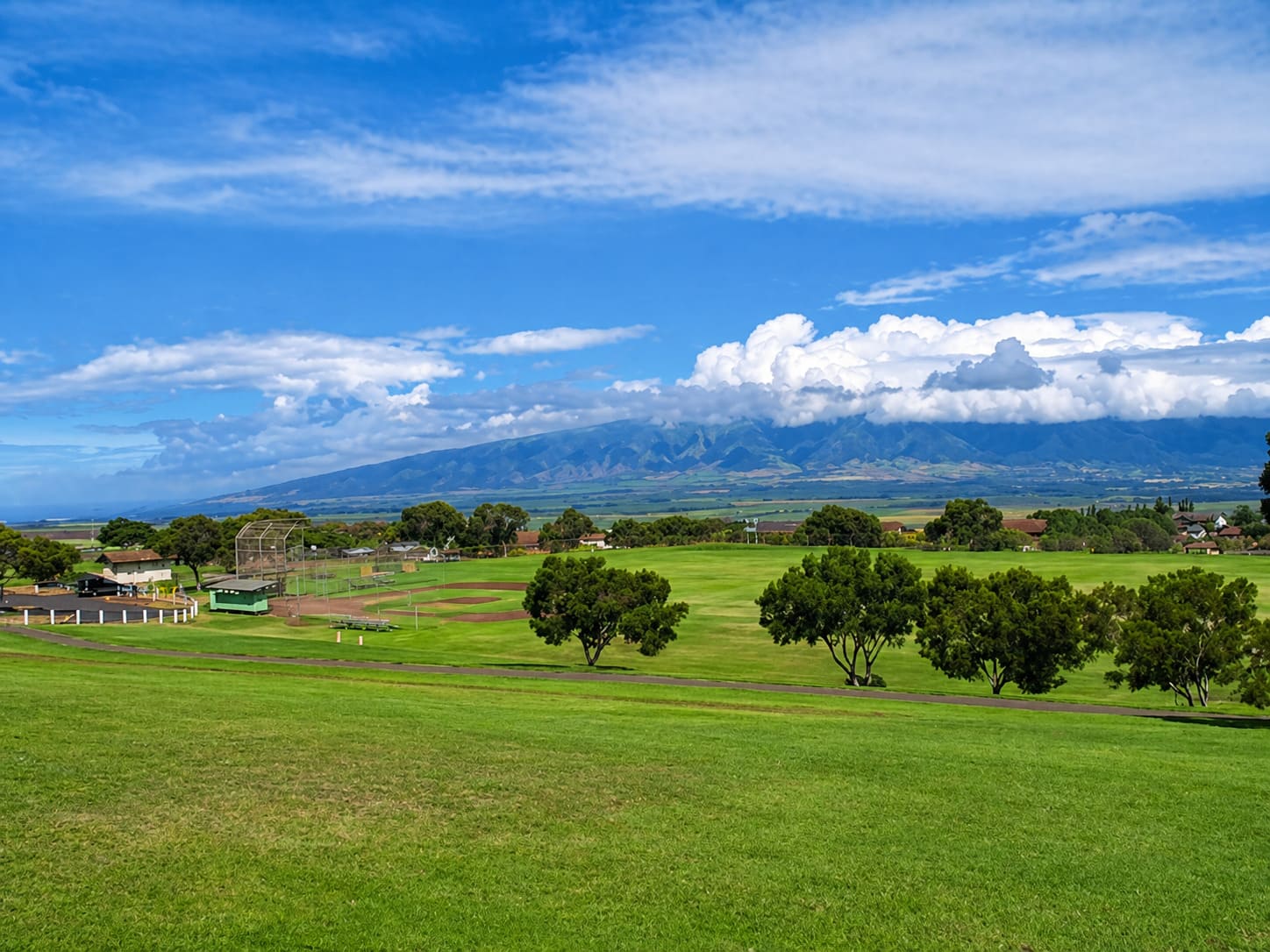
Maui weather varies by region because trade winds, mountains and elevation all shape the island's climate. The south and west shores are generally drier and sunnier, while the north and east shores receive more rain and look greener and more tropical.
The predominant trade winds often blow from the northeast, carrying moisture toward Maui's mountains. When these clouds reach the slopes, rain falls more often on windward areas such as the north shore, east Maui and parts of the Road to Hana region. Meanwhile, leeward coastal areas such as Kihei, Wailea, Makena, Kaanapali and Kapalua usually see more sunshine and less rainfall.
Temperatures at sea level stay warm throughout the year and do not vary dramatically from one coastline to another. The bigger difference is the amount of rain, wind and cloud cover each area receives. South Maui and much of West Maui are popular with visitors who want sunny beach weather, while windward Maui feels lusher and more tropical.
The summit of Haleakala National Park is much cooler than the coast because it rises to 10,023 feet. Visitors heading to the summit for sunrise, sunset or hiking should bring warm layers. Temperatures can feel cold, especially before dawn and when winds are strong.
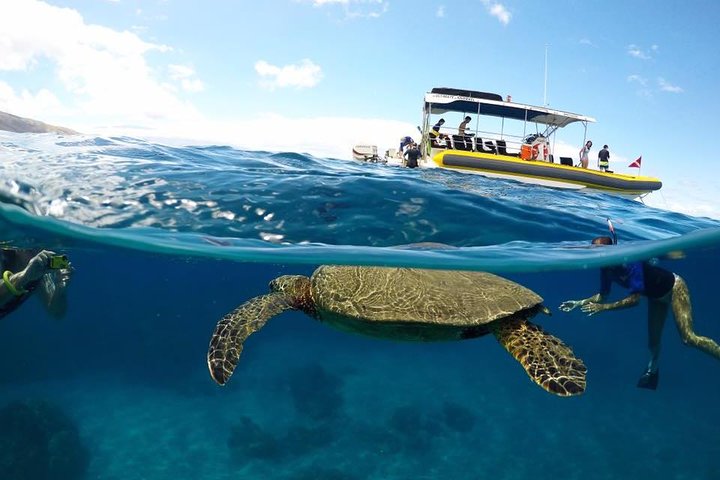
Maui's average ocean temperature is around 75°F (24°C) in February and about 80°F (27°C) in September, so the ocean stays comfortable for swimming throughout the year.
Volcanic Smog on Maui
Vog, or volcanic smog, is much more common on the Big Island than on Maui because the Big Island has active volcanic areas. Most of the time, Maui's trade winds help keep the air clear. However, when Kona winds blow from the south, vog can drift toward Maui and create haze in the air.
Many visitors barely notice vog, but people with asthma or respiratory sensitivities may feel the effects more strongly. On hazy vog days, it can help to limit strenuous outdoor activity, stay hydrated and spend more time indoors if breathing feels uncomfortable.
For most trips, Maui's weather is easy to enjoy with a little regional planning. Choose South Maui or West Maui for generally sunnier beach weather, allow extra flexibility for windward areas, and pack a warm layer if you plan to visit Haleakala.
Frequently Asked Questions
Which side of Maui has the best weather?
The south and west shores usually have the sunniest and driest weather. Kihei, Wailea, Makena, Kaanapali and Kapalua often see more sunshine than windward north and east Maui.
Does it rain a lot on Maui?
Rain depends on where you are. Windward areas and mountain slopes receive more rain, while South Maui and much of West Maui usually stay drier and sunnier.
What is the average temperature in Kihei?
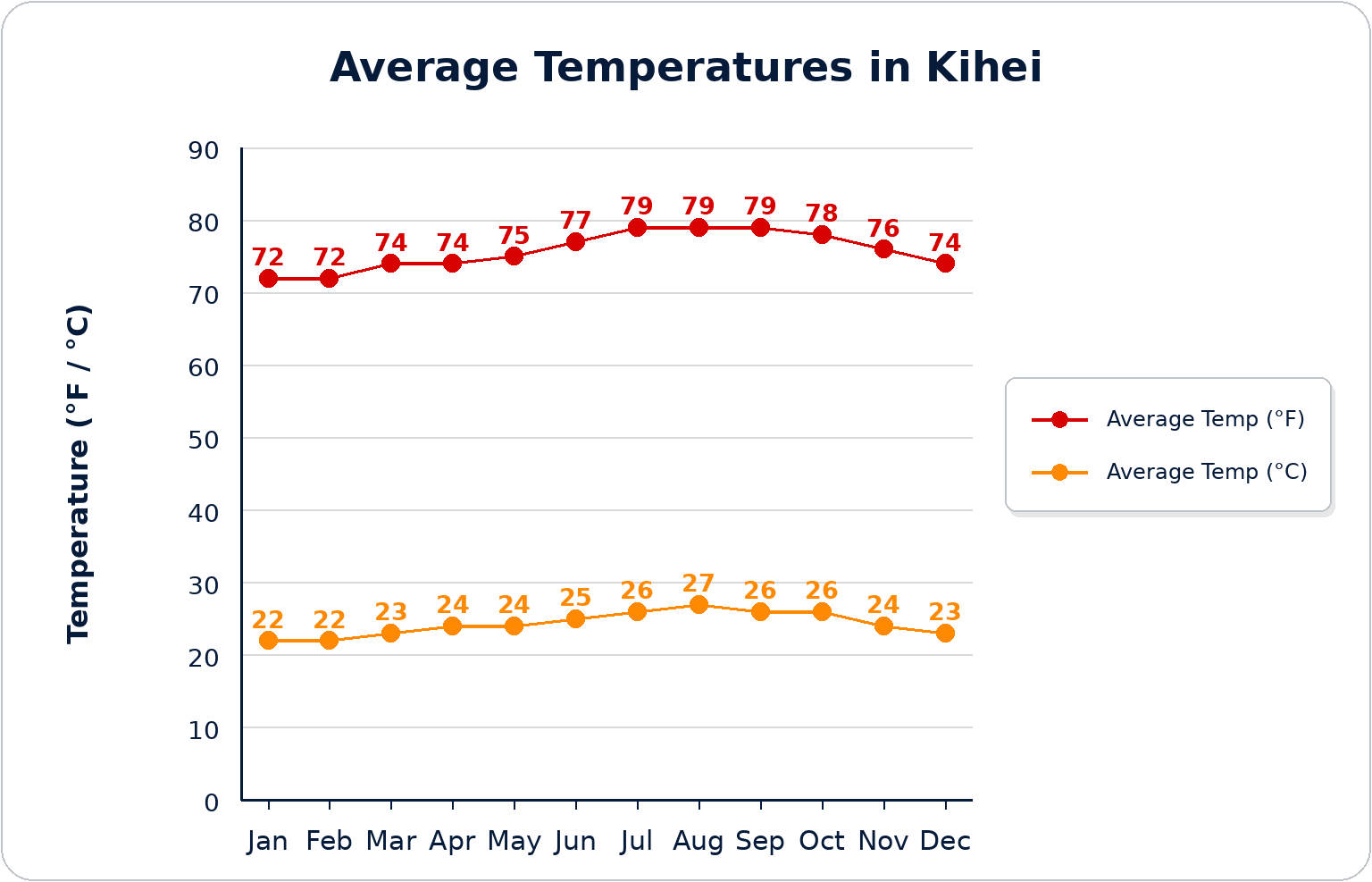
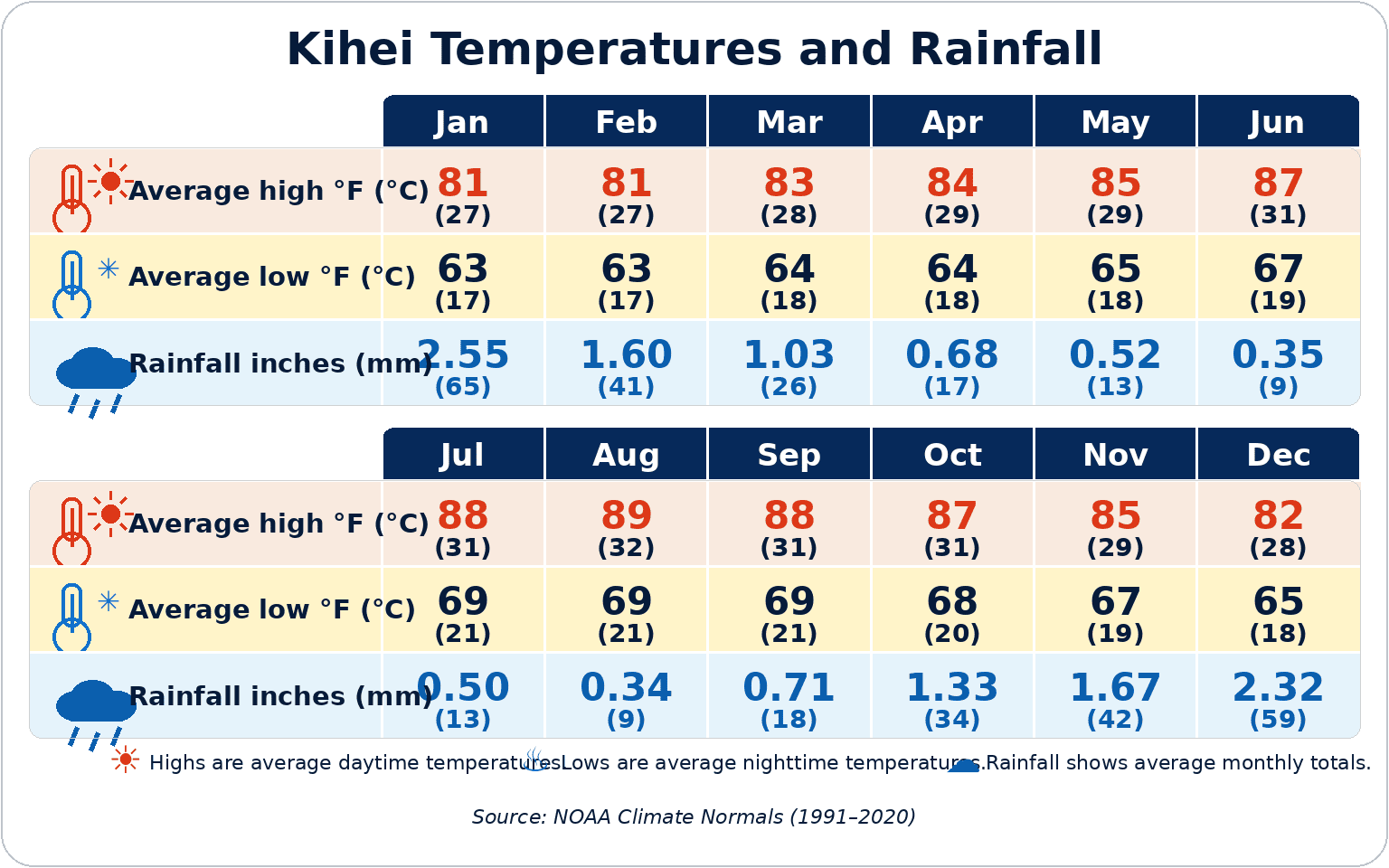
Kihei stays warm year-round. Average daytime highs generally range from the low 80s in winter to the upper 80s in late summer, with mild nighttime temperatures.
Is the ocean warm enough for swimming year-round on Maui?
Yes. Maui's ocean temperature averages about 75°F in winter and about 80°F in late summer and early fall, so the water stays warm enough for swimming throughout the year.
Does vog affect Maui?
Vog only affects Maui occasionally when wind patterns shift. It can create haze and may bother people with asthma or respiratory sensitivities, but it is not an everyday issue for most visitors.