

Hawaii Marine Life Guide
Sharks
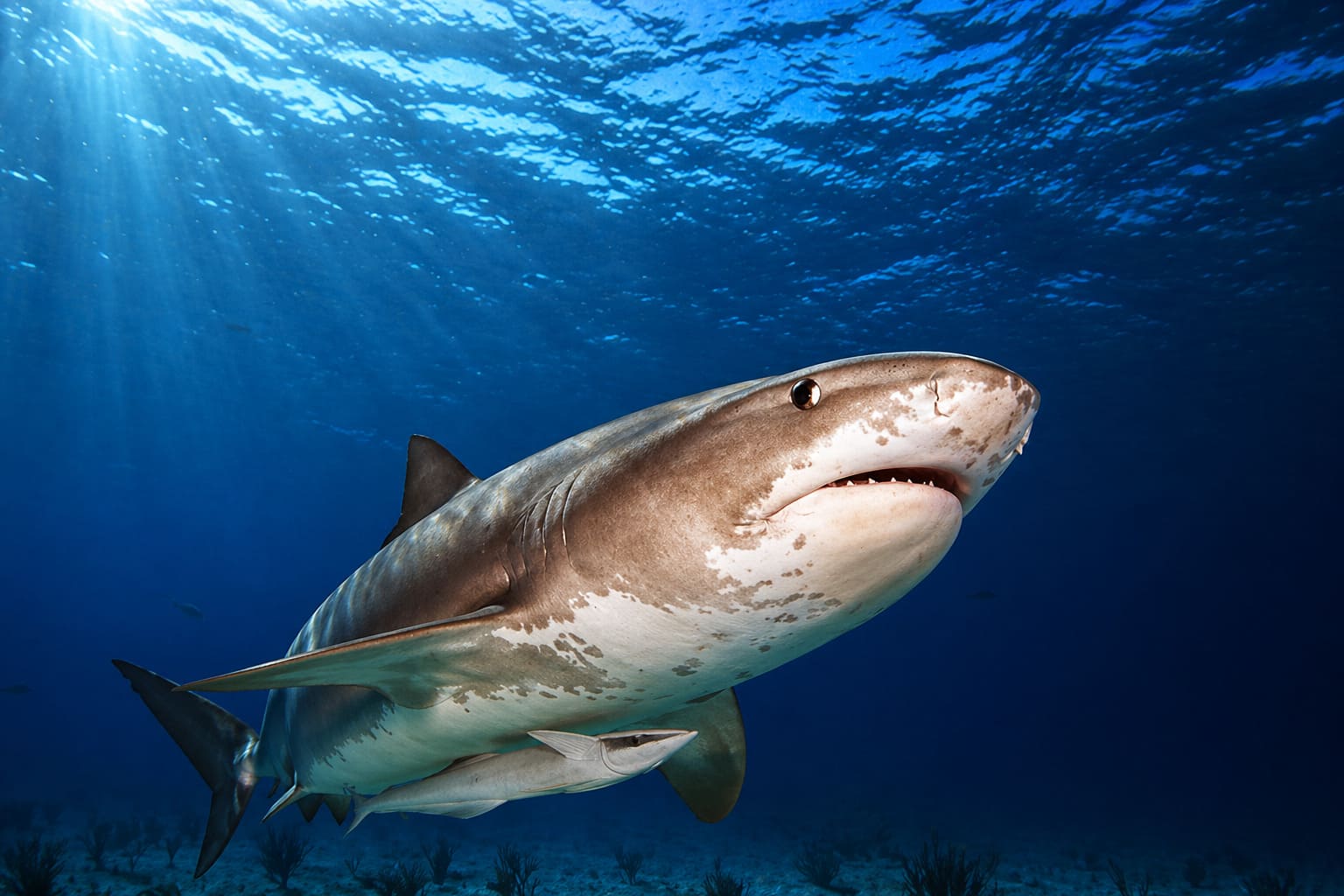
Sharks are powerful ocean predators with sharp senses, replaceable teeth and an important role in Hawaii's marine food web. In Hawaiian, sharks are called mano, and they also hold cultural meaning as respected animals and, for some families, 'aumakua.
Sharks Overview
Sharks are some of the most powerful predators in the ocean. They use sharp senses, strong bodies and specialized teeth to find and catch prey. In Hawaii, the Hawaiian word for shark is mano. Visitors can browse the broader Hawaii fish guide for more marine animal profiles.
There are 36 shark species in Hawaiian waters. However, most live offshore or in deeper water away from beaches. The species most likely to be seen closer to shore include the gray reef shark, Galapagos shark, blacktip reef shark, whitetip reef shark, whale shark, hammerhead shark and tiger shark. For more ocean background, visitors can also explore the broader Hawaii ocean life section.


Quick Facts About Sharks
- Families listed: Carcharhinidae, Rhincodontidae and Sphyrnidae
- Hawaiian name: Mano
- Hawaii species: 36 species
- Diet: Carnivorous
- Body feature: Rough skin with tiny tooth-like scales
- Gills: Five to seven exposed gill slits on each side
- Teeth: Constantly replaced throughout life
- Nearshore species: Reef sharks, Galapagos sharks, hammerheads, whale sharks and tiger sharks
Shark Senses
Sharks have an excellent sense of smell. They can detect tiny traces of blood or other scent in the water from long distances. In addition, they sense low-frequency vibrations, such as the movement of an injured animal.
These senses help them locate prey in open water, reef channels and deeper ocean habitats. As a result, sharks can patrol large areas efficiently and respond quickly to changes in their surroundings. Other large marine animals in Hawaii include rays, dolphins, whales and Hawaiian monk seals.
Body Features
Shark skin feels rough like sandpaper because it contains tiny tooth-like structures called dermal denticles. These structures help protect the skin and reduce drag as the shark swims.
Most sharks also have a full set of fins, including caudal, pectoral, pelvic, dorsal and sometimes anal fins. Their mouths sit on the underside of the head, and their gill slits remain exposed on each side.
Teeth and Feeding
Sharks constantly replace their teeth. New teeth grow along the inner edge of the jaw and move outward as older teeth wear down or break off. In many sharks, this replacement cycle continues throughout life.
All sharks are carnivores, but their diets vary by species. Some hunt fish and squid. Others feed on rays, sea turtles, marine mammals or carrion. Whale sharks, despite their huge size, filter plankton and small organisms from the water. Other reef predators to compare include barracudas, groupers, jacks and lizardfishes.
Sharks Near Hawaii Shorelines
Most sharks in Hawaii stay away from busy swimming areas. However, some species may come near shorelines, reef edges, channels or river mouths. Tiger sharks account for most shark-related incidents in Hawaii, though encounters remain uncommon.
Ocean users can reduce risk by avoiding murky water, staying out of the ocean near river mouths after heavy rain, not swimming near fishing activity and avoiding the water at dawn, dusk or night when visibility is low. Visitors planning ocean time can also review Hawaii beach safety tips, Hawaii snorkeling and beach guides such as Hawaii beaches, Oahu beaches, Maui beaches, Kauai beaches and Big Island beaches.
Cultural Meaning of Mano
Sharks hold deep meaning in Hawaiian culture. For some families, certain sharks were regarded as 'aumakua, or ancestral guardian spirits. This cultural connection reflects respect, relationship and responsibility rather than simple fear.
With their sharp senses, replaceable teeth, powerful swimming ability and Hawaiian name mano, sharks remain among the most important and respected animals in Hawaii's ocean environment. Visitors interested in cultural background can also browse the Hawaiian language, Hawaiian culture and Legend of Nanaue the Shark Man.
Ocean Safety and Conservation
Respectful ocean behavior helps protect both people and marine life. Avoid feeding fish, disturbing wildlife or swimming in risky conditions. Also, keep a safe distance from all large ocean animals and follow posted signs or lifeguard guidance.
Visitors interested in reef and ocean protection can also read about the Hawaiian coral reef, marine debris in the Hawaiian Islands and Hawaii beach sand composition.