

Hawaii Reef Fish Guide
Lizardfishes
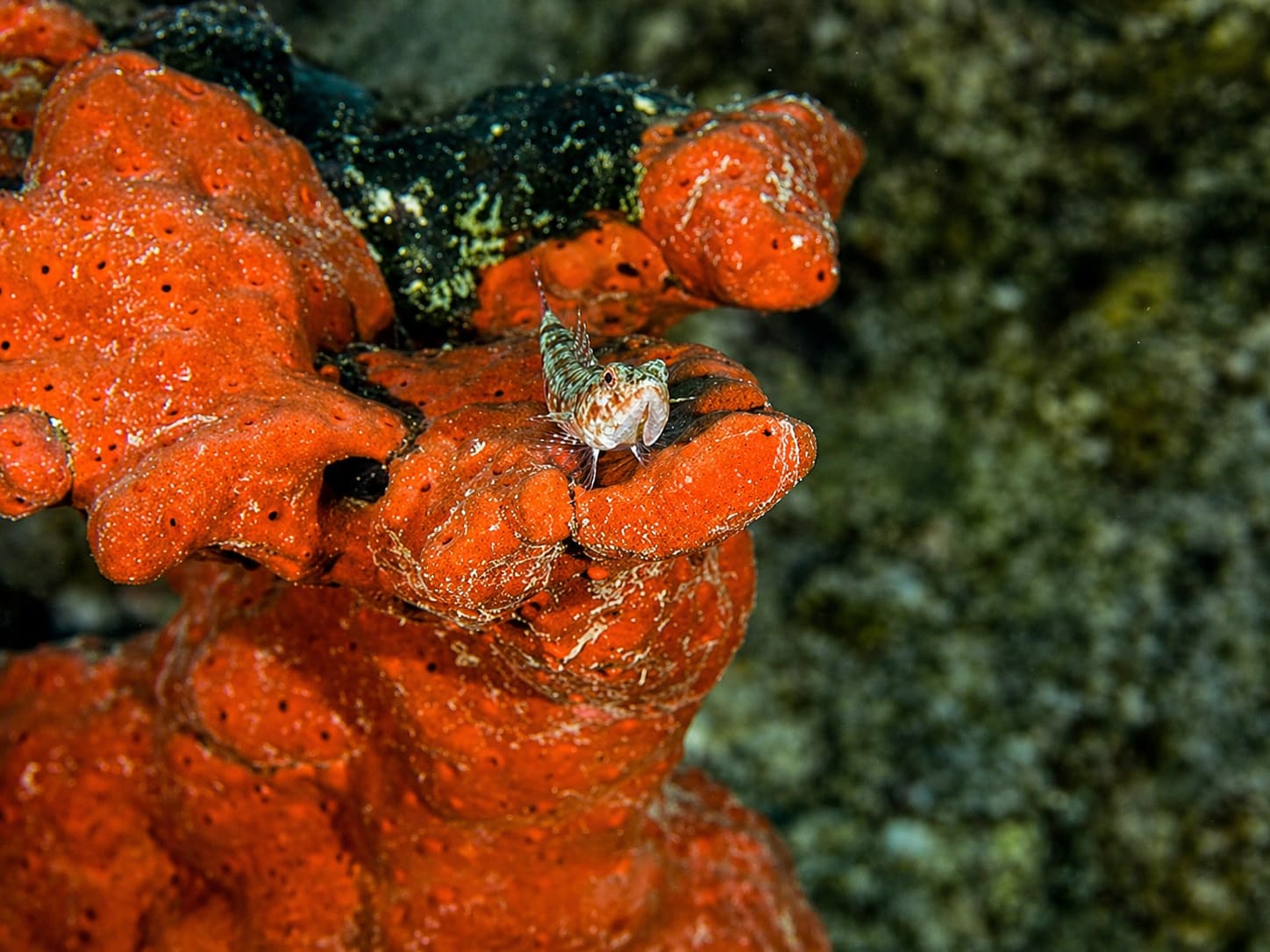
Lizardfishes are camouflaged ambush predators that rest quietly on sand, rocks or coral rubble before striking at small fish. In Hawaii, they are called 'ulae, and 16 species live in local waters.
Lizardfishes Overview
Lizardfishes are bottom-dwelling reef predators that often rest motionless on sand, rocks or coral rubble. Their camouflage helps them blend into the seafloor, so snorkelers and divers may not notice them until they move. Once prey comes close, they strike quickly. Visitors can browse the broader Hawaii fish guide for more reef fish and marine animal profiles.
In the Hawaiian language, lizardfishes are called 'ulae. Sixteen species can be found in Hawaiian waters. Their broad heads, sharp teeth and still hunting posture make them some of the more unusual predators on the reef bottom. For more ocean background, visitors can also explore the broader Hawaii ocean life section.


Quick Facts About Lizardfishes
- Family: Synodontidae
- Hawaiian name: 'Ulae
- Hawaii species: 16 species
- Body style: Elongated body with a lizard-like head
- Habitat: Sandy bottoms, rocks, coral rubble and reef flats
- Feeding style: Ambush predator
- Main food: Smaller fish
- Key feature: Sharp teeth, including teeth on the tongue
How Lizardfishes Hunt
Lizardfishes use patience and camouflage. First, they settle on the bottom and remain still. Then they wait for a small fish to come close enough. Finally, they lunge forward and grab the prey with sharp teeth.
They usually swallow fish head first and in one piece. This method helps the prey slide down more easily and reduces resistance from fins or spines. Other reef predators and ambush hunters include groupers, hawkfishes, scorpionfishes and trumpetfishes and cornetfishes.
Where to See Them in Hawaii
Lizardfishes live on sandy bottoms, rubble patches, reef flats and rocky areas. They can appear in shallow snorkeling areas as well as deeper coastal waters. However, their camouflage makes them difficult to spot against sand or broken coral.
To find one, scan the bottom slowly. Look for a fish shape lying flat and still. The eyes, head outline or sudden movement may reveal the fish before the full body becomes obvious. Visitors planning reef time can also review Hawaii snorkeling, Hawaii beach safety tips and guided options such as Oahu snorkeling tours, Maui snorkeling tours, Kauai snorkeling tours and Big Island snorkeling tours.
Teeth and Identification
The mouth is one of the most striking features of a lizardfish. These fish have many sharp teeth, including teeth on parts of the tongue. As a result, they can hold slippery prey securely after a quick strike.
- Look for a broad, lizard-like head.
- Watch for a fish lying still on the bottom.
- Notice the camouflaged body pattern.
- Check sandy or rubble areas near reef edges.
- Watch for sudden lunges at passing prey.
Role on the Reef
Lizardfishes help control populations of smaller fish by acting as bottom ambush predators. Although they often go unnoticed, they play an active role in the reef food web. Their hunting style also shows how important camouflage and patience can be in reef survival.
Other sand-bottom or reef-floor animals include bonefishes, goatfishes, rays, crabs and sea cucumbers.
Snorkeling and Diving Notes
Because lizardfishes rely on staying still, calm observation gives you the best chance to see them. Avoid touching or disturbing the bottom, since many camouflaged animals live there. In addition, stirring up sand can reduce visibility and stress nearby marine life.
With their hidden posture, fast strikes and Hawaiian name 'ulae, lizardfishes are fascinating predators to look for on Hawaii's sandy reef floors. Visitors interested in reef habitats can also read about the Hawaiian coral reef, Hawaii beach sand composition and marine debris in the Hawaiian Islands.