

Hawaii Reef Fish Guide
Goatfishes
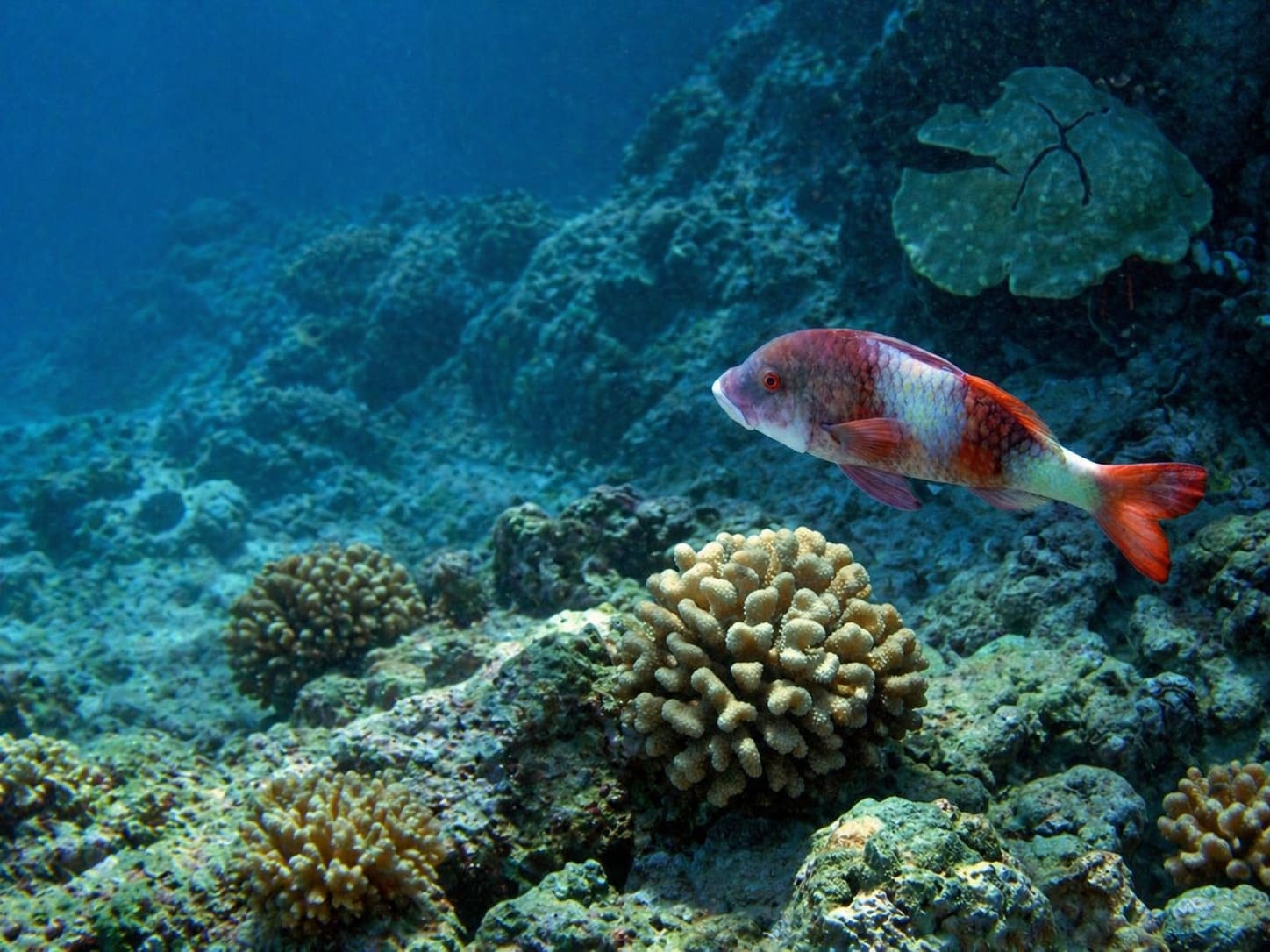
Goatfishes are easy to recognize by the whisker-like barbels under their chin, which they sweep over sand to find hidden food. In Hawaii, striped goatfishes are often called weke, small juveniles are called 'oama, and other types are known as moano.
Goatfishes Overview
Goatfishes are common reef and sand-bottom fish in Hawaii. Snorkelers often notice them moving slowly over sandy areas while sweeping the bottom with two whisker-like barbels under the chin. These barbels help them find food hidden in sand, rubble and reef cracks. Visitors can browse the broader Hawaii fish guide for more reef fish and marine animal profiles.
Goatfishes belong to the family Mullidae. They all have forked tails, and many species can change color quickly. Although many stay close to the ocean floor, some Hawaiian species also swim in midwater during the day. For more ocean background, visitors can also explore the broader Hawaii ocean life section.


Quick Facts About Goatfishes
- Family: Mullidae
- Key feature: Two chin barbels used to search for food
- Tail shape: Forked tail
- Common habitat: Sandy bottoms, reef edges, rubble areas and mixed reef habitats
- Diet: Worms, mollusks, shrimps, crabs and other small invertebrates
- Behavior: Often searches along the bottom, but some species swim in midwater
- Color ability: Many species can change color quickly
How to Identify Goatfishes
The chin barbels are the easiest clue. Goatfishes use them like sensory probes, brushing them over the sand as they search for buried prey. When the barbels are tucked in, they may be harder to notice, so watch the fish while it feeds.
- Look for two whisker-like barbels under the chin.
- Watch for slow searching movements over sand.
- Notice the forked tail.
- Check for stripes, color changes or groups moving near the bottom.
Feeding Behavior
Goatfishes search for food by sweeping their barbels across the seafloor. These sensory organs help them detect worms, mollusks and other invertebrates hidden in sand. In addition, some species use their barbels near reef crevices to find shrimps, crabs and other small animals.
This feeding style makes them interesting to watch while snorkeling. A goatfish may pause, probe the sand, dig slightly and then move on to another patch. Other bottom-feeding or sand-associated marine animals include bonefishes, rays, crabs and sea cucumbers.
Hawaiian Names
There is no single Hawaiian name that covers every goatfish species. Striped goatfishes are commonly called weke, a word meaning “to open.” Young weke under seven inches are called 'oama. Other goatfishes are known as moano.
These names reflect the importance of goatfishes in Hawaiian fishing and food traditions. Some species remain well known to local fishers today. Visitors interested in cultural background can also browse Hawaiian language, Hawaiian food and dining in Hawaii.
Where to See Them in Hawaii
Goatfishes are commonly seen in sandy areas near reefs, reef flats, lagoons and mixed sand-and-rubble habitats. They often feed along the bottom, but some species may gather in midwater during daylight hours.
Because many can change color, the same fish may look different depending on mood, habitat or time of day. Therefore, behavior and body shape can help with identification as much as color. Visitors planning reef time can also review Hawaii snorkeling, Hawaii beach safety tips and guided options such as Oahu snorkeling tours, Maui snorkeling tours, Kauai snorkeling tours and Big Island snorkeling tours.
Snorkeling Notes
Goatfishes usually allow calm observers to watch their feeding behavior from a respectful distance. Avoid stirring up sand, chasing fish or touching reef surfaces. Instead, pause and watch how the fish uses its barbels to search for food.
With their forked tails, quick color changes and distinctive chin barbels, goatfishes are some of the most recognizable bottom-feeding fish in Hawaiian waters. Visitors interested in reef habitats can also read about the Hawaiian coral reef, Hawaii beach sand composition and marine debris in the Hawaiian Islands.