

Sea Cucumbers

Hawaii Marine Life Guide

Sea Cucumbers

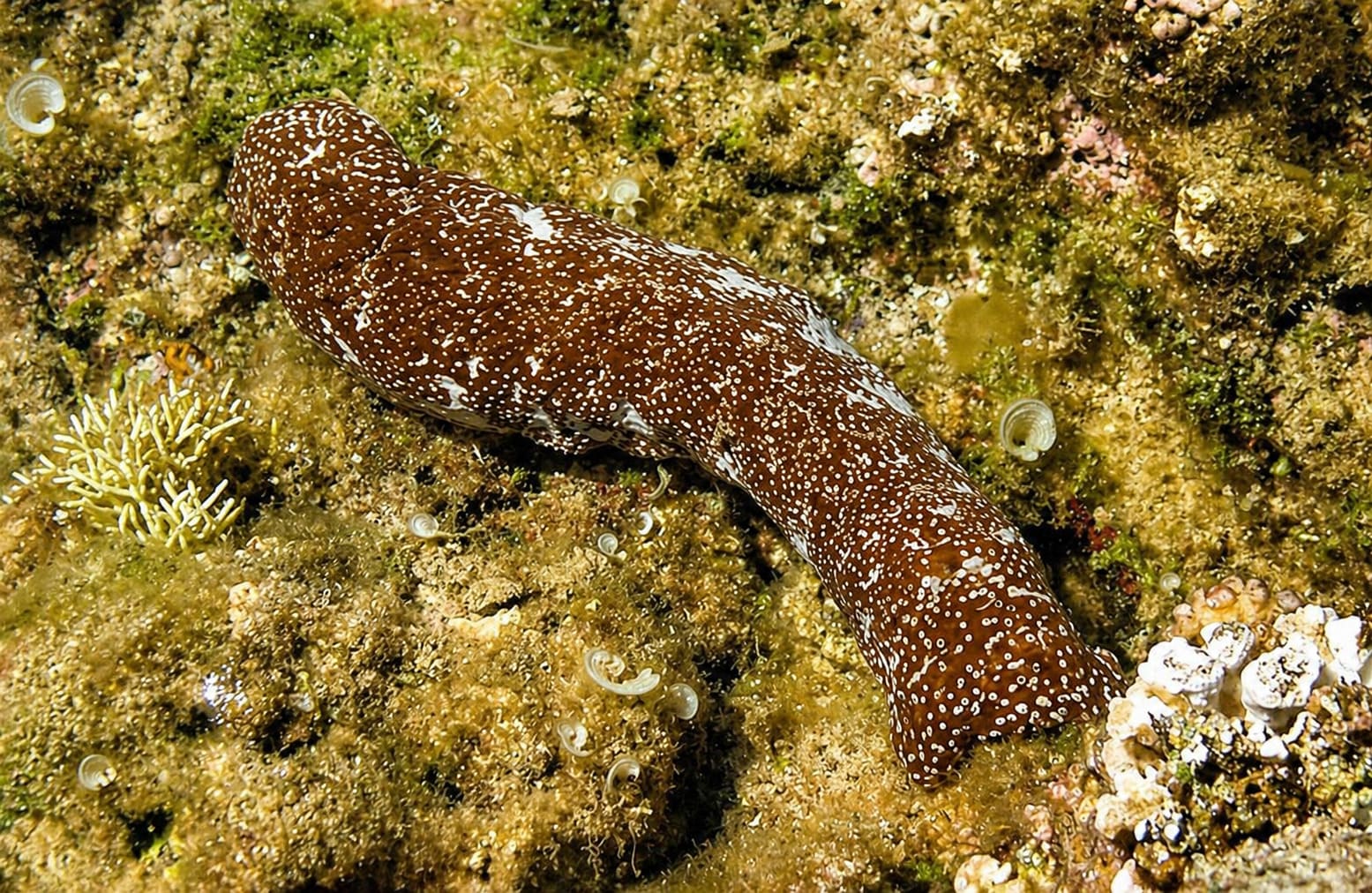
Sea cucumbers are slow-moving seafloor animals with leathery bodies, tube feet and an important cleanup role in Hawaii's reefs and sandy habitats. In Hawaiian, they are called loli.

Sea Cucumbers Overview

Sea cucumbers are marine animals with leathery skin and long, soft bodies. They live on the seafloor, in sandy areas, tide pools and reef habitats. In Hawaii, their Hawaiian name is loli. Visitors can browse the broader Hawaii fish guide for more marine animal profiles.

Although they may look simple, sea cucumbers play an important role in ocean ecosystems. They feed on debris, organic matter and tiny particles in sand or water. As a result, they help recycle nutrients and keep the seafloor cleaner. For more ocean background, visitors can also explore the broader Hawaii ocean life section.

Quick Facts About Sea Cucumbers

  • Group: Holothuroidea
  • Hawaiian name: Loli
  • Body texture: Leathery skin
  • Body shape: Elongated and soft
  • Movement: Tube feet
  • Common size: Usually 3 to 12 inches (10 to 30 cm)
  • Smallest species: About 0.12 inch (3 mm)
  • Largest species: Up to about 3.3 feet (1 m)
  • Diet: Organic debris, sand particles and seafloor material

Where Sea Cucumbers Live in Hawaii

Sea cucumbers can be found in shallow reef environments, sandy bottoms and tide pools around the Hawaiian Islands. Many rest openly on sand or reef flats, while others stay partly hidden among rocks, coral rubble or seafloor debris.

Because they move slowly, they are easy to observe when conditions are calm. However, they should not be picked up or disturbed, since handling can stress or injure them. Visitors planning shoreline or reef time can also review Hawaii beach safety tips, Hawaii snorkeling and the broader Hawaii ocean life guide.

How They Move and Feed

Sea cucumbers move with tiny tube feet along the underside of the body. Their movement is slow, but it allows them to travel across sand and reef surfaces while feeding.

Many species feed by taking in sand or seafloor material and extracting organic matter from it. Others filter tiny particles from the water. In this way, they act like natural recyclers in the marine environment. Other bottom-dwelling or sand-associated animals include crabs, rays, goatfishes and bonefishes.

Defense Behavior

Some sea cucumbers have unusual defense methods. When threatened, certain species can expel sticky filaments or even internal organs. This may distract a predator and give the animal time to survive.

Afterward, some species can regenerate lost parts. Even so, people should never try to trigger this defense behavior. It places stress on the animal and can harm its chances of survival.

Communication and Biology

Sea cucumbers can communicate through chemical signals released into the water. These hormone signals may help coordinate behaviors such as spawning. Even though they seem inactive, they respond to their environment in specialized ways.

They also have a simple but effective body plan. Most have an elongated body, leathery skin and internal organs arranged for life on or in the seafloor.

Viewing Notes

When viewing sea cucumbers in Hawaii, look but do not touch. Avoid stepping in tide pools or walking across reef flats where these animals live. In addition, keep fins and feet off the bottom while snorkeling.

With their slow movement, seafloor-cleaning role and Hawaiian name loli, sea cucumbers are quiet but important members of Hawaii's marine life. Visitors interested in reef and shoreline habitats can also read about the Hawaiian coral reef, Hawaii beach sand composition and marine debris in the Hawaiian Islands.