

Hawaii Marine Mammal Guide
Dolphins
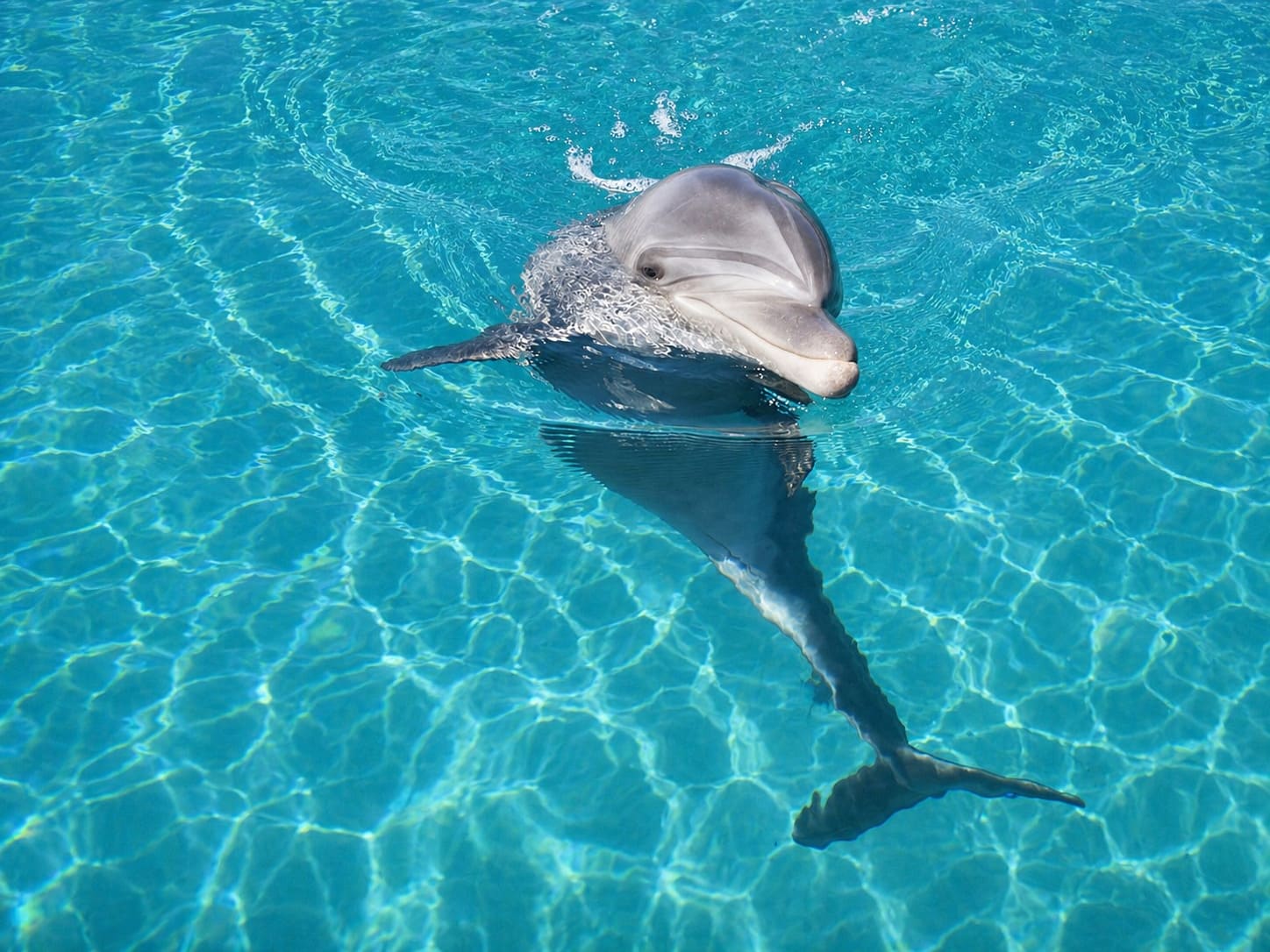
Dolphins are intelligent, social marine mammals that use whistles, clicks, body language and echolocation to communicate and find food. Hawaiian waters host about 15 dolphin species, including bottlenose dolphins and spinner dolphins.
Dolphins Overview
Dolphins are intelligent, social marine mammals and some of the most exciting animals to see in Hawaiian waters. They move with grace, travel in groups and use several forms of communication, including whistles, clicks and body language. Visitors can browse the broader Hawaii fish guide for more marine animal profiles.
Hawaiian waters are home to about 15 dolphin species, including bottlenose dolphins and spinner dolphins. These animals rely on echolocation, or natural sonar, to navigate and find food. By sending out sound signals and reading the echoes, dolphins can locate fish, squid and other objects in the water. For more ocean background, visitors can also explore the broader Hawaii ocean life section.


Quick Facts About Dolphins
- Family: Delphinidae
- Animal type: Marine mammal
- Hawaii species: About 15 species occur in Hawaiian waters
- Common examples: Bottlenose dolphins and spinner dolphins
- Communication: Whistles, clicks, body language and touch
- Navigation tool: Echolocation, also called sonar
- Diet: Fish, squid and other marine prey
- Important viewing rule: Keep respectful distance and never chase, touch or feed wild dolphins
Communication and Echolocation
Dolphins communicate in several ways. They whistle, click, leap, slap the water and use body movements to interact with each other. These signals help them stay together, coordinate behavior and respond to their surroundings.
In addition, dolphins use echolocation to find food and navigate underwater. They send out clicks that bounce off fish, squid, rocks or other objects. Then they interpret the returning echoes to understand what lies ahead. Related marine animals in Hawaii include whales, Hawaiian monk seals and sea turtles.
Dolphins in Hawaiian Waters
Different dolphin species use Hawaiian waters in different ways. Bottlenose dolphins may travel along coastlines and offshore waters. Spinner dolphins often feed offshore at night and rest closer to shore during the day, which makes them especially vulnerable to disturbance.
Because dolphins need time to rest, feed and care for their young, people should watch them without trying to interact. Responsible viewing protects both the animals and the experience for future visitors. Visitors planning ocean activities can also review Hawaii beach safety tips, Hawaii snorkeling and the guide to Hawaii island tours.
Respectful Dolphin Viewing
If you see dolphins while swimming, boating, kayaking or paddleboarding, stay calm and give them room. Do not chase, block, feed, touch or surround them. Let dolphins choose their own path and never try to force an encounter.
- Do not attempt to touch wild dolphins.
- Do not chase, corner or intercept a pod.
- Avoid sudden, aggressive or jerky movements.
- If dolphins approach, stay calm and avoid engaging them.
- Move away slowly if your presence changes their behavior.
Hawaii Spinner Dolphin Rule
In Hawaii, federal law prohibits swimming with, approaching, or remaining within 50 yards of Hawaiian spinner dolphins. The rule applies to people, vessels and objects within 2 nautical miles of the main Hawaiian Islands and in designated waters around Lanai, Maui and Kahoolawe. It also prohibits intercepting or placing yourself in the path of a Hawaiian spinner dolphin so that the animal comes within 50 yards.
This rule exists because spinner dolphins feed offshore at night and rest near shore during the day. Close approaches can disturb resting behavior and affect the animals' health over time. Therefore, the safest and most respectful choice is to watch from a distance.
Where Dolphins May Be Seen
Dolphins may be seen along many Hawaiian coastlines and offshore areas. Popular dolphin-watching regions include the Waianae Coast on Oahu, parts of the Big Island's Kona Coast, waters around Lanai and areas off Maui. Sightings depend on season, ocean conditions, species and natural dolphin movement.
For the best experience, choose responsible wildlife-viewing operators who follow distance rules and avoid activities that pursue or disturb dolphins. Visitors may also compare nearby ocean activities such as Oahu dolphin watching, Maui dolphin watching, Kauai dolphin watching and Big Island dolphin watching.
Ocean Safety and Wildlife Care
Dolphins are wild marine mammals, not pets or performers. Even when they appear playful, they need space to rest, hunt and care for young. In addition, ocean conditions can change quickly, so swimmers and boaters should put safety first.
With their intelligence, social behavior and strong connection to Hawaii's marine environment, dolphins are best appreciated through respectful, legal and low-impact viewing. Visitors interested in marine conservation can also read about the Hawaiian coral reef, marine debris in the Hawaiian Islands and Hawaii sharks.