

Hawaii Reef Fish Guide
Surgeonfishes and Unicornfishes
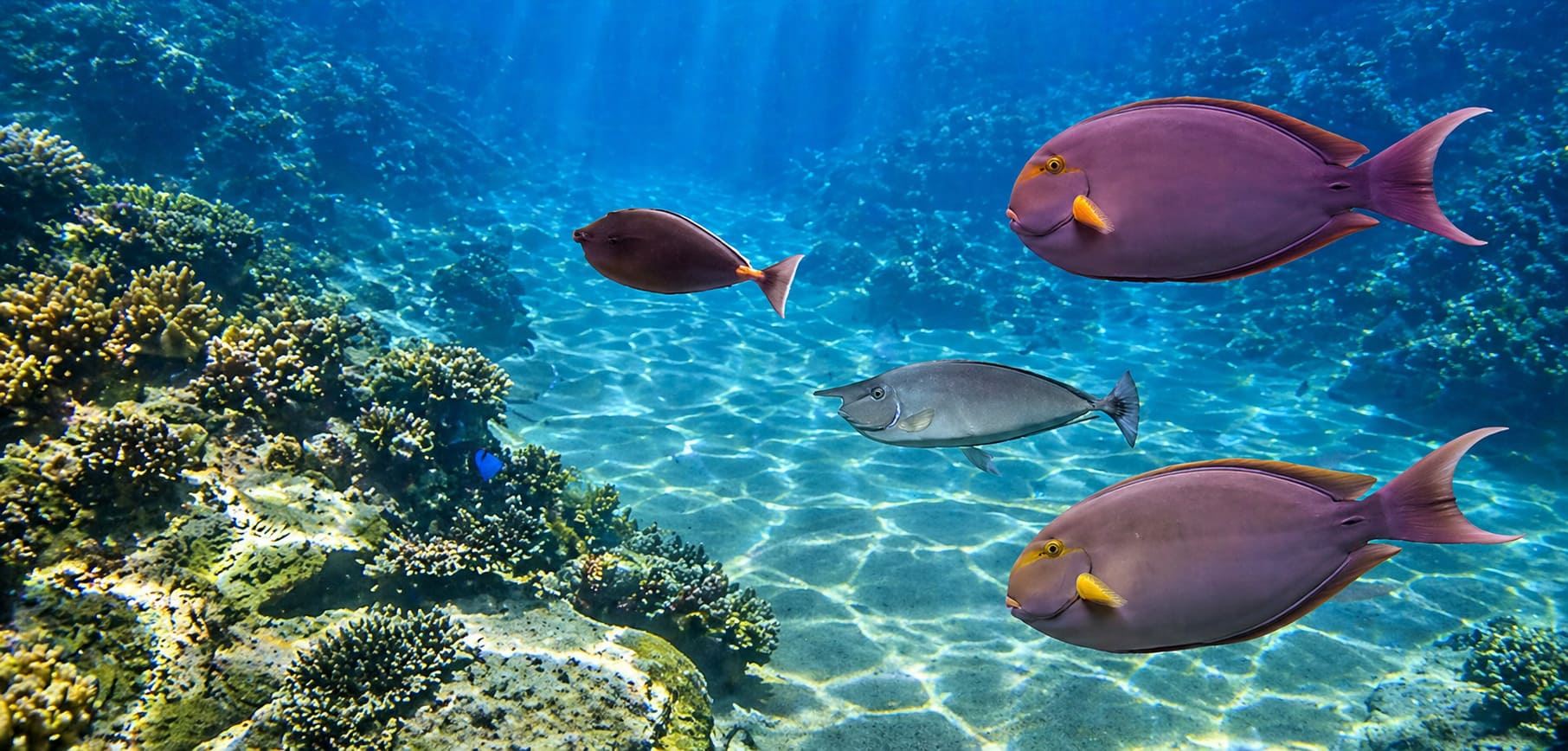
Surgeonfishes and unicornfishes are common reef fish in Hawaii, often seen grazing algae or cruising near coral and rocky reef areas. Surgeonfishes have sharp tail “scalpels,” while unicornfishes have sharp bony keels and, in some species, a horn-like forehead feature.
Surgeonfishes and Unicornfishes Overview
Surgeonfishes and unicornfishes are some of the most common fish on Hawaii's reefs. They usually have oval or oblong bodies, with eyes set high on the head. Many species move steadily over coral, rocks and reef slopes while feeding or traveling in groups. Visitors can browse the broader Hawaii fish guide for more reef fish and marine animal profiles.
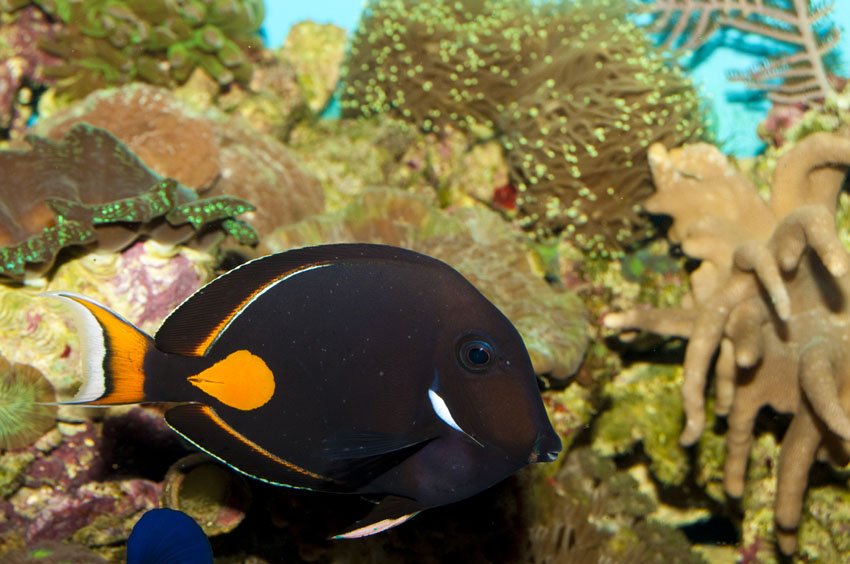
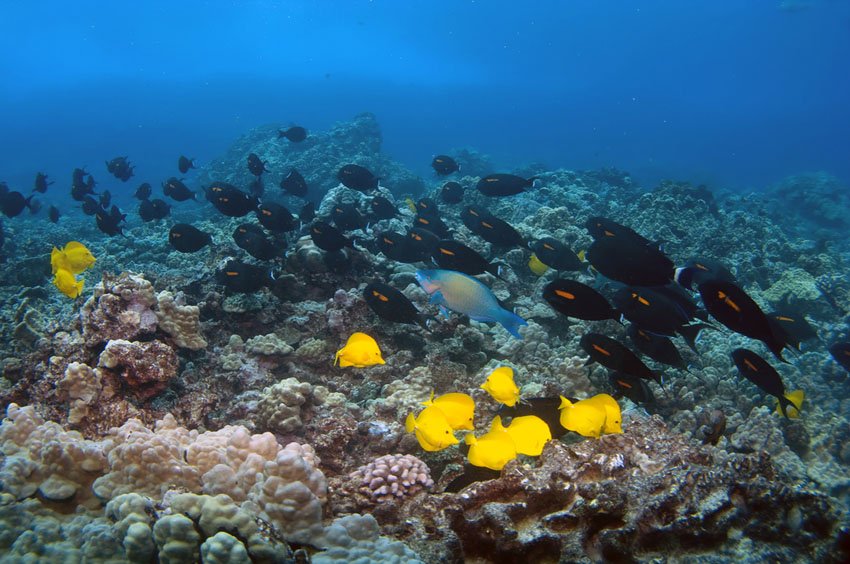
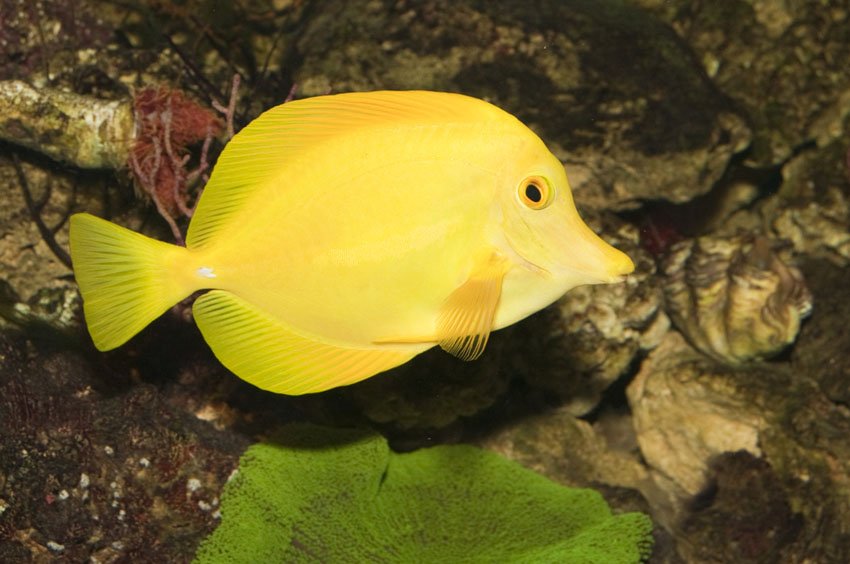
These fish belong to the family Acanthuridae. In Hawaiian waters, 23 acanthurid species occur, and one is endemic. Well-known examples include yellow tangs, convict tangs, Achilles tangs, orangespine unicornfish and paletail unicornfish. For more ocean background, visitors can also explore the broader Hawaii ocean life section.

Photo gallery
Surgeonfishes and Unicornfishes Photos
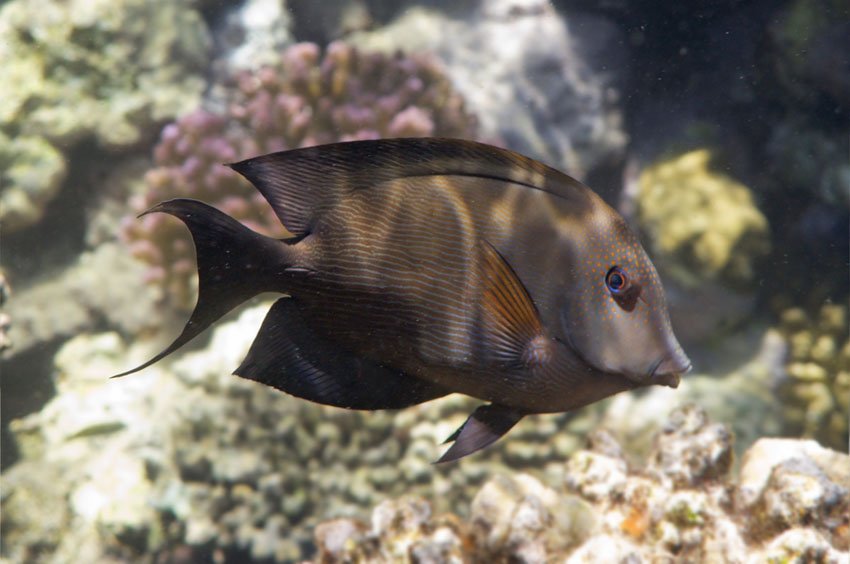
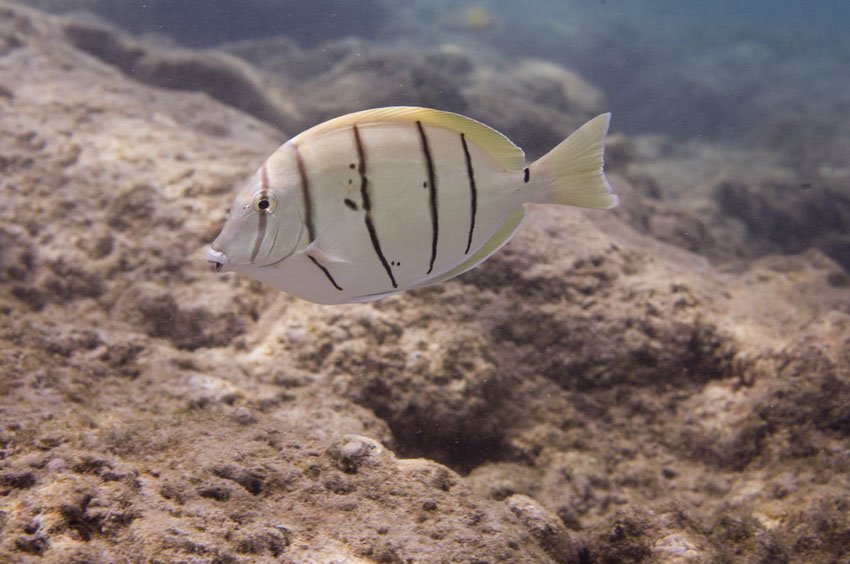
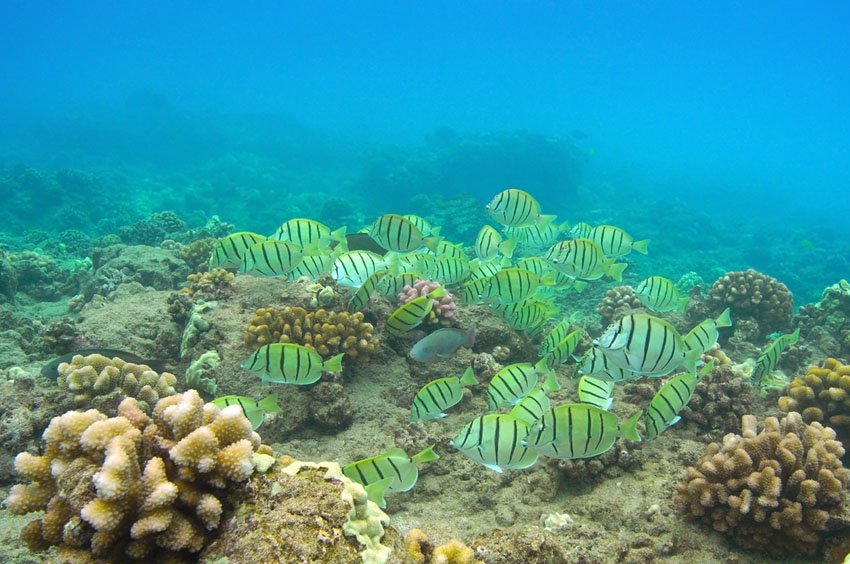
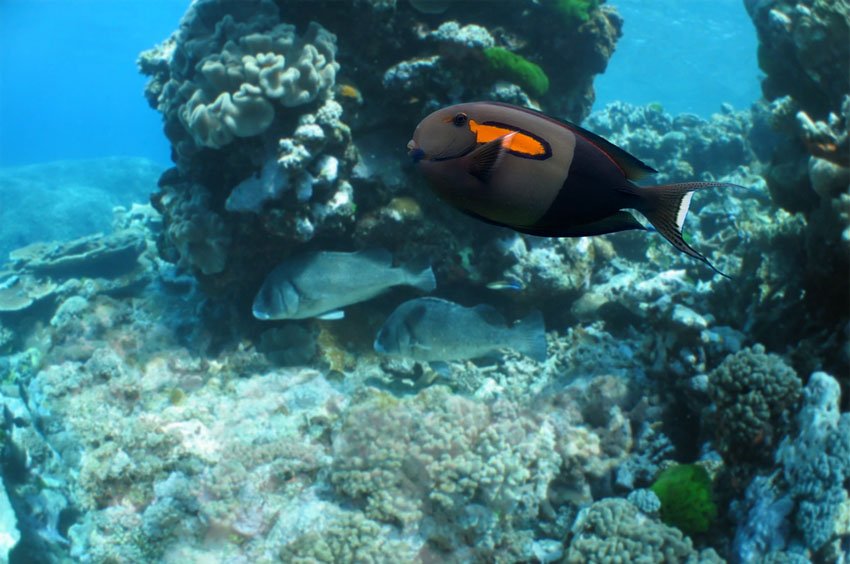
Quick Facts About This Reef Fish Group
- Family: Acanthuridae
- Hawaii species: 23 species
- Endemic Hawaii species: One species
- Common body shape: Oval or oblong
- Common habitats: Coral reefs, rocky reefs, reef flats and reef slopes
- Surgeonfish diet: Mainly algae, though some eat organic material on the bottom
- Unicornfish diet: Often plankton
- Hawaiian name for unicornfishes: Kala, meaning “thorn”
Surgeonfishes on Hawaii Reefs
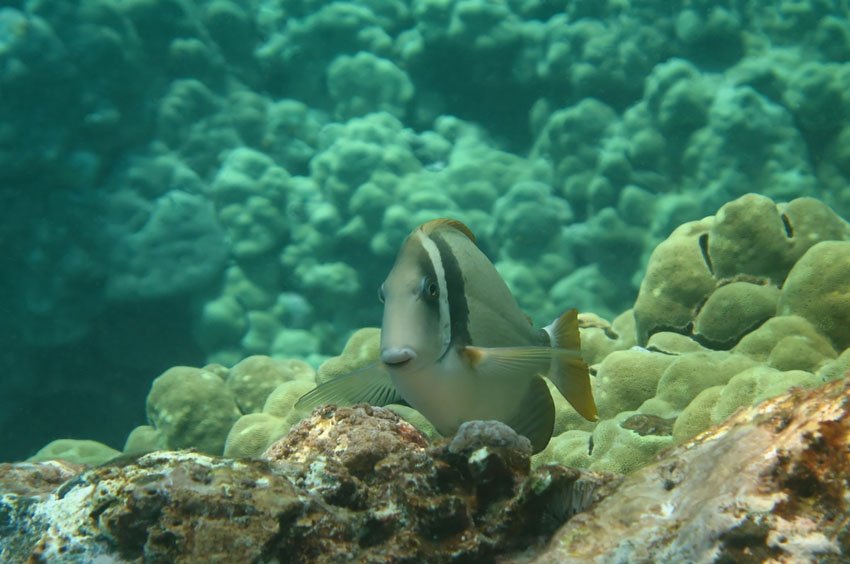
Surgeonfishes get their name from the sharp, forward-pointing spines near the base of the tail. These spines are often compared to scalpels because they can cut painfully if touched. However, these fish do not chase or attack snorkelers.
Most surgeonfishes graze on algae. They use small mouths to scrape algae from rocks, coral surfaces and reef structure. As a result, they help keep reef algae growth in balance. Other reef grazers and plant-feeding fish include parrotfishes, chubs and triggerfishes.
Unicornfishes and Kala
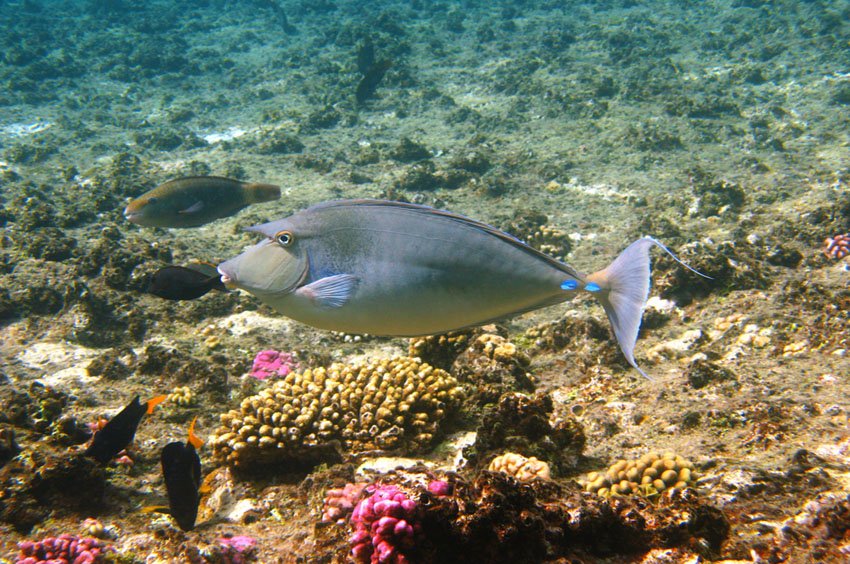
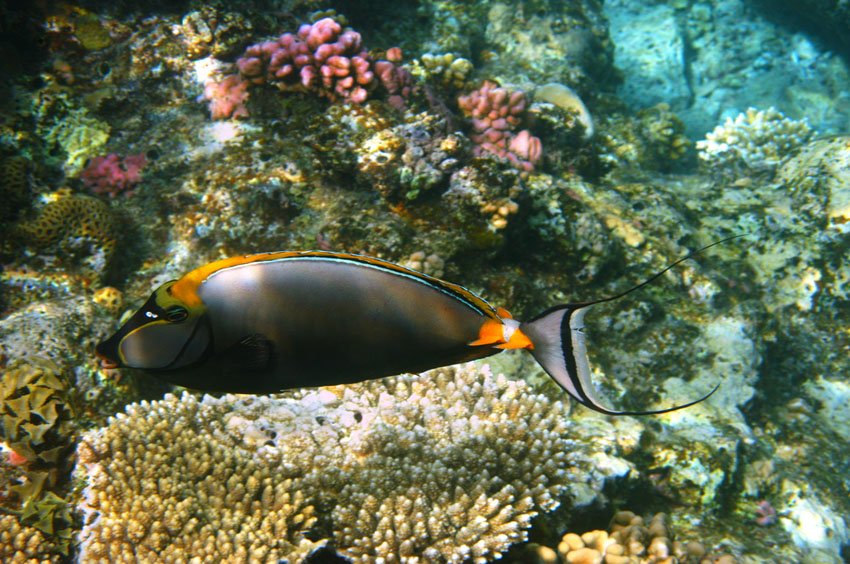
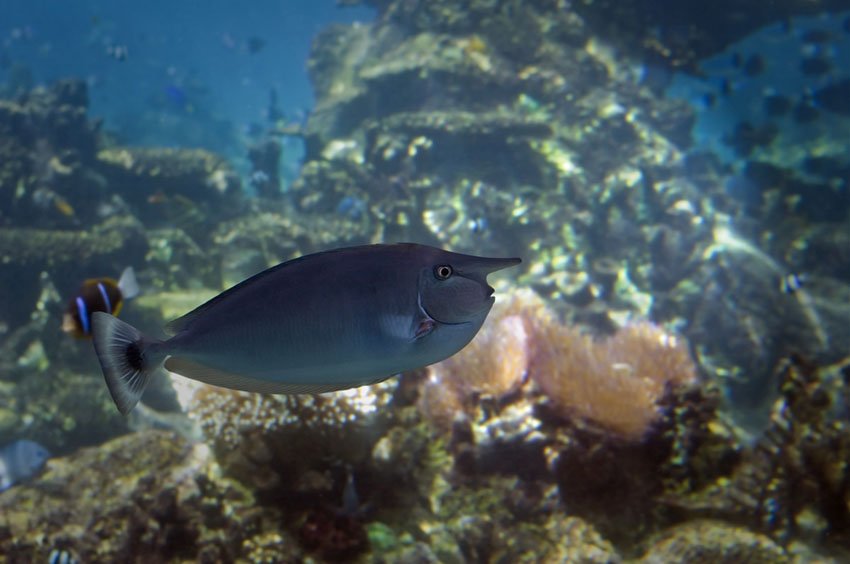
Unicornfishes differ from surgeonfishes in several ways. Instead of tail scalpels, they have rigid bony keels that can also be sharp. Some species also develop a horn-like projection on the forehead, which gives them the “unicorn” name.
In Hawaiian, unicornfishes are called kala, meaning “thorn.” This name fits their sharp keels and defensive body features. Unlike many surgeonfishes, unicornfishes often feed on plankton in the water column. Visitors interested in Hawaiian names and meanings can also browse the Hawaiian language section.
How to Identify Them
These fish often have a strong, streamlined look and swim with steady control. Some species, such as yellow tangs, stand out because of bright color. Others, such as convict tangs, show stripes or more subtle patterns.
- Look for oval or oblong reef fish.
- Watch for algae-grazing behavior on rocks or coral.
- Check the tail base for sharp spines or bony keels.
- Look for horn-like forehead features on some unicornfishes.
- Notice whether the fish feeds on reef surfaces or in open water.
Sharp Spines and Safety
The sharp tail spines of surgeonfishes and the bony keels of unicornfishes can cause painful cuts. These features create the most risk for fishermen handling fish in nets or on spears. For snorkelers and divers, they pose little danger as long as the fish are not touched or chased.
Therefore, the safest approach is simple: observe them calmly and keep your hands away. These fish are best enjoyed as active reef grazers and swimmers, not handled wildlife. Visitors planning reef time can also review Hawaii snorkeling, Hawaii beach safety tips and guided options such as Oahu snorkeling tours, Maui snorkeling tours, Kauai snorkeling tours and Big Island snorkeling tours.
Reef Role and Feeding
Surgeonfishes play an important role on reefs because many graze algae. By feeding on algae, they help keep reef surfaces open and support a healthier reef balance. Meanwhile, plankton-feeding unicornfishes connect reef communities with food drifting in the water.
Together, these fish add movement, color and ecological value to Hawaii's reefs. Their grazing and feeding behavior is also one of the most interesting things to watch while snorkeling. Other colorful reef fish groups to compare include butterflyfishes, angelfishes, wrasses and damselfishes.
Viewing Notes
Yellow tangs, convict tangs and other acanthurids are often easy to see in clear, shallow reef areas. Move slowly, avoid touching coral and let the fish continue feeding naturally. In addition, keep space from any fishing activity where fish may be stressed or handled.
With their sharp defensive features, algae-grazing habits and common presence on Hawaii's reefs, surgeonfishes and unicornfishes are among the most important and recognizable reef fish groups in the Islands. Visitors interested in reef habitats can also read about the Hawaiian coral reef, Hawaii beach sand composition and marine debris in the Hawaiian Islands.