

Hawaii Reef Fish Guide
Boxfishes
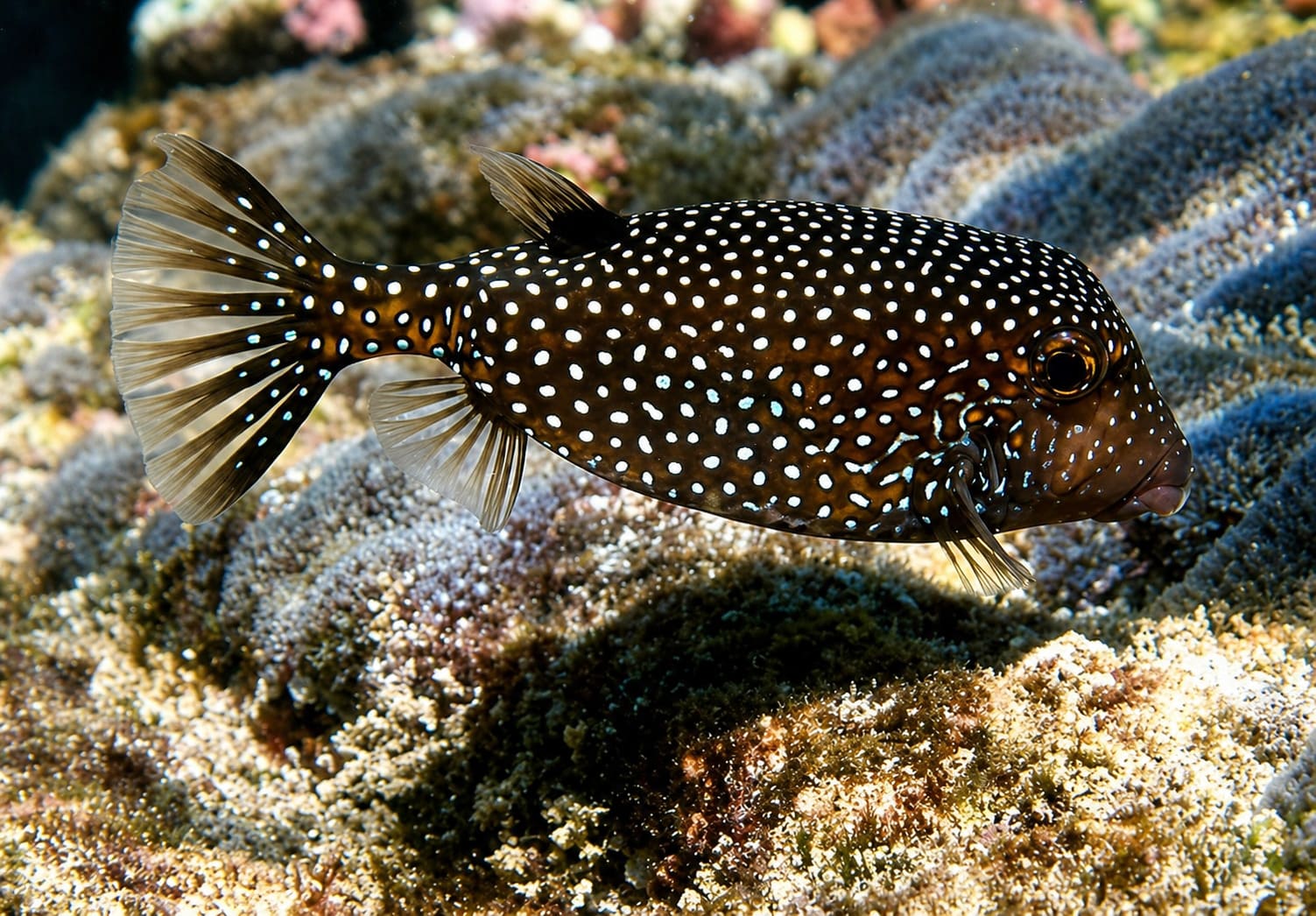
Boxfishes are unusual reef fish with hard, shell-like bodies and small movable fins, eyes and mouths. In Hawaii, they are called pahu, meaning “box,” a name that fits their angular body shapes.
Boxfishes Overview
Boxfishes are unusual reef fish closely related to pufferfishes and filefishes. Their bodies are encased in a hard, rough shell made of bony plates. Because of this rigid outer covering, only their eyes, fins and mouths move freely. Visitors can browse the broader Hawaii fish guide for more reef fish and marine animal profiles.
Five species of boxfish can be seen in Hawaiian waters. Some have a box-like body shape, while others look triangular, hexagonal or rounded. Their Hawaiian name is pahu, meaning “box.” For more ocean background, visitors can also explore the broader Hawaii ocean life section.


Quick Facts About Boxfishes
- Family: Ostraciidae
- Hawaiian name: Pahu
- Meaning of Hawaiian name: “Box”
- Hawaii species: Five species occur in Hawaiian waters
- Related fish: Pufferfishes and filefishes
- Body feature: Hard shell made of fused bony plates
- Movable parts: Eyes, fins and mouth
- Diet: Algae, worms, small crustaceans and sponges
Why Boxfishes Look So Different
Boxfishes have a stiff, armored body that gives them their distinctive shape. Instead of bending their whole body like many fish, they rely on small fin movements to steer and swim. Their motion can look slow, careful and precise.
Their body shape varies by species. Some look like little boxes, while others have more angular or rounded forms. This unusual structure helps protect them from predators and makes them easy to recognize on the reef. Other reef fish with unusual defense features include porcupinefishes, pufferfishes, filefishes and triggerfishes.
Where Boxfishes Live in Hawaii
Boxfishes are usually seen around reefs and rocky shoreline habitats. They often stay close to the reef floor, where they can search for food and shelter. Many are solitary and are usually seen alone except during mating behavior.
Snorkelers and divers may spot boxfishes moving slowly over coral, rubble or rocky reef surfaces. Their geometric shape and careful swimming style make them stand out from faster reef fish. Visitors planning reef time can also review Hawaii snorkeling, Hawaii beach safety tips and guided options such as Oahu snorkeling tours, Maui snorkeling tours, Kauai snorkeling tours and Big Island snorkeling tours.
Feeding and Reef Behavior
Boxfishes feed on a variety of reef foods. They may pick at algae, worms, small crustaceans and sponges. Their small mouths allow them to take food from reef surfaces and tight spaces.
- They often feed close to the reef floor.
- They eat algae and small reef animals.
- They usually swim slowly and deliberately.
- They are often solitary outside of mating periods.
Other reef fish and bottom-associated animals that feed near reef surfaces include goatfishes, sea cucumbers, crabs and rays.
Defense and Safety Notes
Some boxfishes can release toxic mucus when stressed. This defense can help deter predators, but it can also harm other fish in confined spaces such as aquariums. In the open ocean, this chemical defense is one more way boxfishes protect themselves.
As with all reef life, snorkelers and divers should observe boxfishes without touching, chasing or cornering them. Calm viewing gives the fish space and helps protect Hawaii's reef ecosystems. Visitors interested in reef habitats can also read about the Hawaiian coral reef, Hawaii beach sand composition and marine debris in the Hawaiian Islands.
With their hard shell-like bodies, slow precise swimming and Hawaiian name pahu, boxfishes are among the most distinctive reef fish found in Hawaiian waters.