

Hawaii Reef Fish Guide
Filefishes
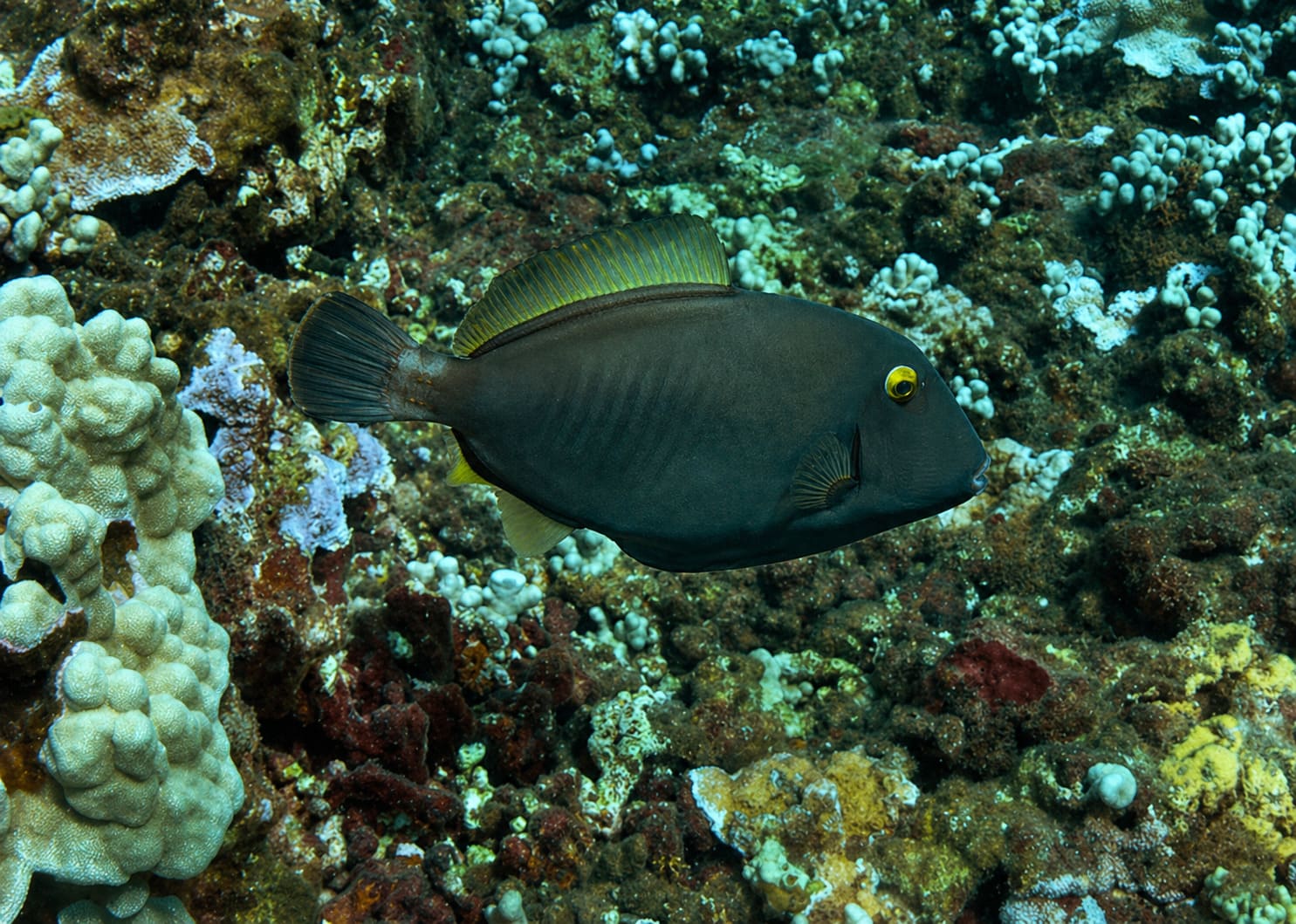
Filefishes are narrow-bodied reef fish with small mouths, sharp teeth and a raised dorsal spine used for defense. In Hawaii, they are called 'o'ili, a name likely linked to the way their spine “comes up” when they feel alert or threatened.
Filefishes Overview
Filefishes are reef fish with narrow, compressed bodies and small mouths with sharp teeth. Their most noticeable feature is a stout dorsal spine, which often has small thornlike points. When a filefish feels alert, threatened or excited, it can raise this spine above the body. Visitors can browse the broader Hawaii fish guide for more reef fish and marine animal profiles.
In the Hawaiian language, filefishes are called 'o'ili, meaning “sprout” or “come up.” This name likely refers to the raised dorsal spine. Seven filefish species live in Hawaiian waters, and three of them are endemic, meaning they are found nowhere else in the world.


Quick Facts About Filefishes
- Family: Monacanthidae
- Hawaiian name: 'O'ili
- Meaning of Hawaiian name: “Sprout” or “come up”
- Hawaii species: Seven species
- Endemic Hawaii species: Three species
- Body shape: Narrow and laterally compressed
- Key feature: Raised dorsal spine with thornlike points
- Diet: Algae, small invertebrates, sponges and other reef foods
How Filefishes Move
Filefishes swim differently from many reef fish. Instead of using strong tail beats all the time, they often wave their dorsal and anal fins. This fin movement allows them to hover, turn carefully and move through tight reef spaces.
Because of this swimming style, filefishes can move forward and backward with good control. This helps them feed around coral, rocks and crevices without making sudden, wide movements. Other reef fish with distinctive movement or body shapes include triggerfishes, boxfishes, pufferfishes and porcupinefishes.
Defense and Color Change
The dorsal spine gives filefishes a useful defense. When raised, it can make the fish harder for predators to swallow or remove from a crevice. In addition, some species can change color quickly to match their surroundings.
This color-changing ability helps them blend into algae, coral rubble or reef shadows. As a result, a filefish may seem to disappear when it settles near a matching background.
Diet and Reef Habitat
Filefishes are generally omnivores. They may feed on algae, small invertebrates, sponges, coral polyps and other reef materials, depending on the species. Their small mouths and sharp teeth help them pick food from reef surfaces.
- They often feed close to reef structure.
- Some graze on algae and plant material.
- Others pick at small animals or sponges.
- Their narrow bodies help them move through tight reef areas.
Where to See Them in Hawaii
In Hawaii, filefishes can appear around reefs, rocky areas and coral rubble where they find both food and shelter. However, their narrow bodies and color-changing abilities can make them hard to spot at first.
Snorkelers and divers should look for slow, controlled fin movement and a narrow body profile. Also, watch for the raised dorsal spine, especially if the fish becomes alert. Visitors planning reef time can also review Hawaii snorkeling, Hawaii beach safety tips and the broader Hawaii ocean life guide.
Snorkeling Notes
Filefishes are best watched quietly from a respectful distance. Avoid chasing them or poking near crevices, since these behaviors can stress reef fish and damage habitat.
With their raised dorsal spine, careful swimming style and Hawaiian name 'o'ili, filefishes are distinctive members of Hawaii's reef fish community. Visitors interested in reef habitats can also read about the Hawaiian coral reef, Hawaii beach sand composition and marine debris in the Hawaiian Islands.