
Hawaii Marine Life Guide
Porcupinefishes
Porcupinefishes are spiny reef fish that can inflate into a round, hard-to-swallow ball when threatened. In Hawaii, they are called kokala and were sometimes regarded as 'aumakua, or family guardian spirits.
Porcupinefishes Overview
Porcupinefishes are reef fish known for their sharp spines and dramatic defense behavior. When calm, the spines lie flat against the body. However, when a porcupinefish feels threatened, it can inflate into a large ball, which makes the spines stand out and makes the fish much harder for predators to swallow. Visitors can browse the broader Hawaii fish guide for more reef fish and marine animal profiles.
In Hawaii, porcupinefishes are called kokala. In old Hawaii, some families revered them as 'aumakua, or family guardian spirits. This cultural meaning adds another layer of importance to one of Hawaii's most unusual reef fish. For more background, visitors can also explore the Hawaiian language and Hawaiian culture sections.

Quick Facts About Porcupinefishes
- Family: Diodontidae
- Hawaiian name: Kokala
- Body feature: Sharp spines that rise when the fish inflates
- Defense behavior: Inflates into a large round shape
- Poison: Contains tetrodotoxin, a powerful neurotoxin
- Predators: Tiger sharks may prey on them despite their defenses
- Cultural note: Some families honored them as 'aumakua
How Porcupinefishes Defend Themselves
Porcupinefishes use several defenses at once. First, they can inflate by taking in water, which turns their body into a rounded ball. Then their spines stand upright, making them difficult and dangerous for predators to bite or swallow.
A large inflated porcupinefish can reach the size of a basketball. With spines that may extend 2 to 3 inches (5 to 7 cm), the fish becomes a serious challenge even for large predators. Other reef fish with unusual defense strategies include pufferfishes, boxfishes, filefishes and scorpionfishes.
Poison and Safety
Porcupinefishes also contain tetrodotoxin, a powerful poison. This toxin can cause tingling, numbness, paralysis and, in severe cases, death. Because of this risk, people should never handle, eat or provoke porcupinefishes.
If a person gets stung or injured by a porcupinefish, they should seek emergency medical care immediately. The wound may need careful treatment, and poisoning symptoms require urgent attention. Visitors planning ocean time can also review Hawaii beach safety tips, Hawaii snorkeling and the broader Hawaii ocean life guide.
Predators and Reef Life
Even with sharp spines and poison, porcupinefishes still face predators. Tiger sharks sometimes prey on them, which shows how powerful and adaptable these sharks can be. Still, the porcupinefish's defenses protect it from many other attackers.
Porcupinefishes usually move slowly and rely more on protection than speed. Their unusual shape and calm movement make them fascinating to watch, but their defenses deserve respect. Other reef predators and large marine animals include Hawaii sharks, groupers, barracudas and jacks.
How to Identify Porcupinefishes
- Look for a rounded reef fish with visible spines.
- Notice the slow, deliberate swimming style.
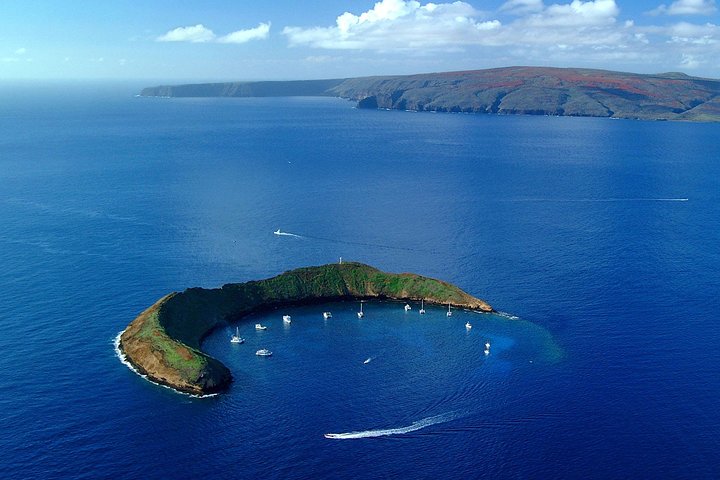
- Watch for spines lying flat when the fish is calm.
- Never try to make the fish inflate for a photo.
- Keep distance and let it move naturally.
Viewing Notes
Porcupinefishes should be observed without touching or stressing them. Making a fish inflate may look interesting, but it uses energy and signals distress. Therefore, responsible snorkelers and divers should keep space and avoid chasing, poking or cornering them.
With their sharp spines, inflation defense, poison and Hawaiian name kokala, porcupinefishes are among the most distinctive and respected reef animals in Hawaiian waters. Visitors interested in reef habitats can also read about the Hawaiian coral reef, Hawaii beach sand composition and marine debris in the Hawaiian Islands.