

Hawaii Reef Fish Guide
Blennies
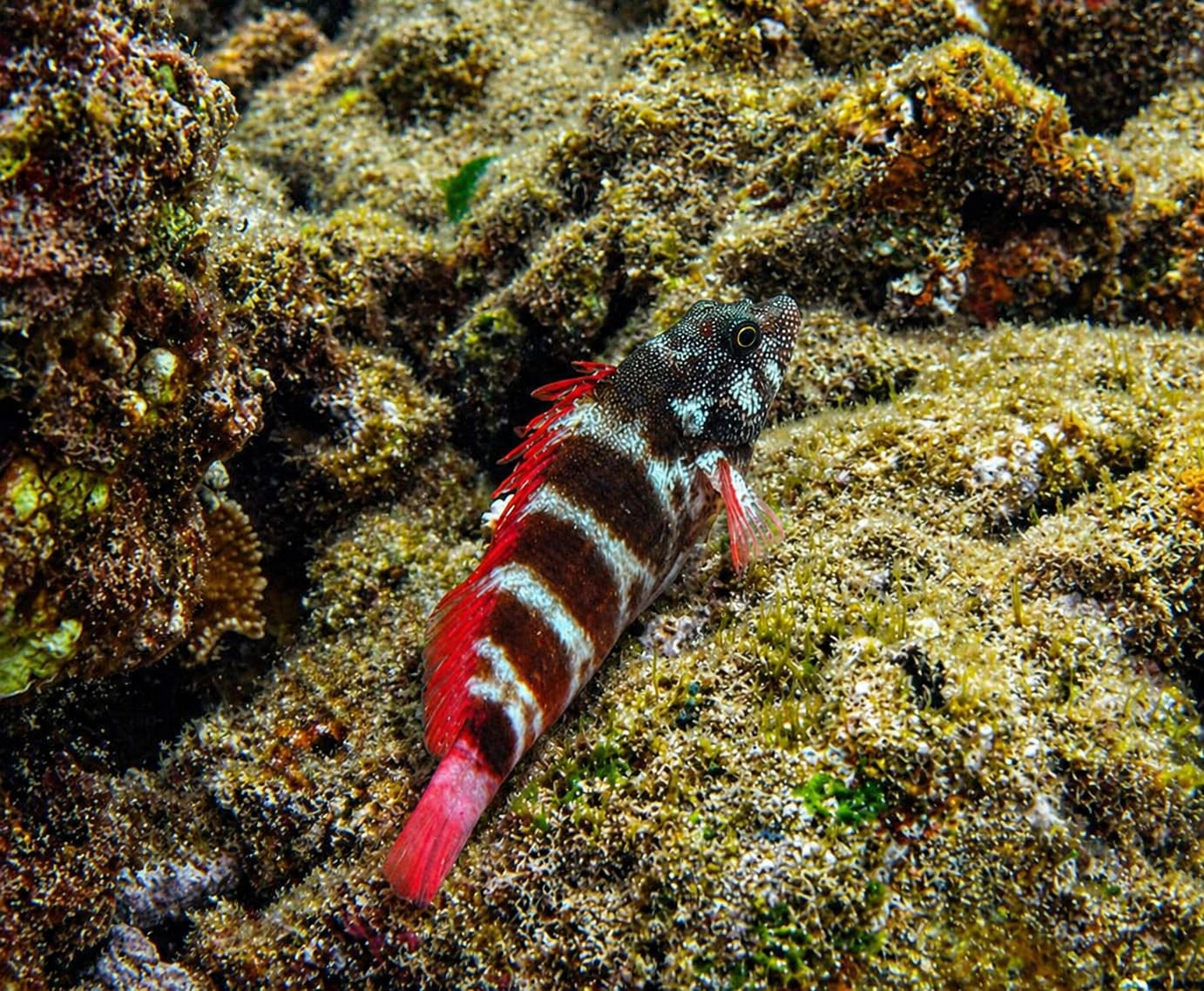
Blennies are small, curious reef fish with long bodies, large eyes and hiding habits that make them fun to spot in tide pools, reef crevices and shallow ocean areas. In Hawaiian, blennies are called pao'o.
Blennies Overview
Blennies are small reef fish with long, narrow bodies, large eyes and expressive faces. Some species look almost eel-like because of their stretched body shape. They often rest on the sea floor, perch on rocks or hide in reef crevices. Visitors can browse the broader Hawaii fish guide for more reef fish and marine animal profiles.
Blennies can also be seen in tide pools along Hawaii's coastlines. Many are small and quick, so they may be easy to overlook at first. In the Hawaiian language, blennies are called pao'o.


Quick Facts About Blennies
- Family: Blenniidae
- Hawaiian name: Pao'o
- Worldwide species: More than 300 species
- Hawaii species: About 15 species
- Body shape: Small, long and narrow
- Common habitats: Tide pools, reef crevices, sand patches and rocky shorelines
- Typical behavior: Resting, hiding, darting and perching near the bottom
Where Blennies Live in Hawaii
Blennies live close to the bottom in shallow reef and shoreline habitats. They use cracks, holes, sand pockets, coral rubble and rock surfaces for protection. Tide pools can also be good places to look for them, especially when the water is calm and clear.
Because blennies are small and often hide, they require patient observation. A snorkeler or tide pool visitor may notice one only after watching the same patch of rock for a while. Visitors planning shoreline or reef time can also review Hawaii snorkeling, Hawaii beach safety tips and the broader Hawaii ocean life guide.
How to Identify Blennies
Blennies often have large eyes, wide mouths and a slightly comical look. Their colors and patterns vary by species, but many blend well with rocks, algae or sand. Their behavior can be just as helpful for identification as their appearance.
- Look for small fish sitting on rocks or the sea floor.
- Watch for quick darts into holes or crevices.
- Notice the long body and large eyes.
- Check tide pools and shallow reef edges carefully.
Feeding and Reef Role
Many blennies feed on algae, tiny invertebrates and bits of organic material. Their diet depends on the species and habitat. Some graze along rocks or reef surfaces, while others pick small food items from the bottom.
By feeding on algae and small reef materials, blennies play a quiet but useful role in nearshore ecosystems. They are part of the small reef fish community that supports larger predators and helps keep reef surfaces active. Other small or reef-associated fish groups include damselfishes, wrasses, gobies and hawkfishes.
Viewing Tips
Blennies are best observed slowly and calmly. Move carefully near tide pools or shallow reef areas, and avoid stepping on rocks covered with marine life. Do not poke into crevices or disturb hiding fish.
With their alert eyes, quick movements and Hawaiian name pao'o, blennies are small but memorable members of Hawaii's reef and tide pool life. Visitors interested in reef habitats can also read about the Hawaiian coral reef, Hawaii beach sand composition and marine debris in the Hawaiian Islands.