Hawaiian Trees

Hawaii Tree Guide

Hawaiian Trees

Hawaii's trees tell the story of native forests, canoe plants, coastal shade, island agriculture and the deep relationship between people and the land.

Hawaiian Trees and Island Landscapes

Hawaiian trees shape the Islands in ways visitors notice right away, even before they know the names. Some shade beach parks, some fill valleys with green, and others carry stories tied to voyaging, food, medicine, tools and family life. Together, they help explain why Hawaii's landscapes can change so quickly between shorelines, dry forests, rainforests, farms and cool upland slopes.

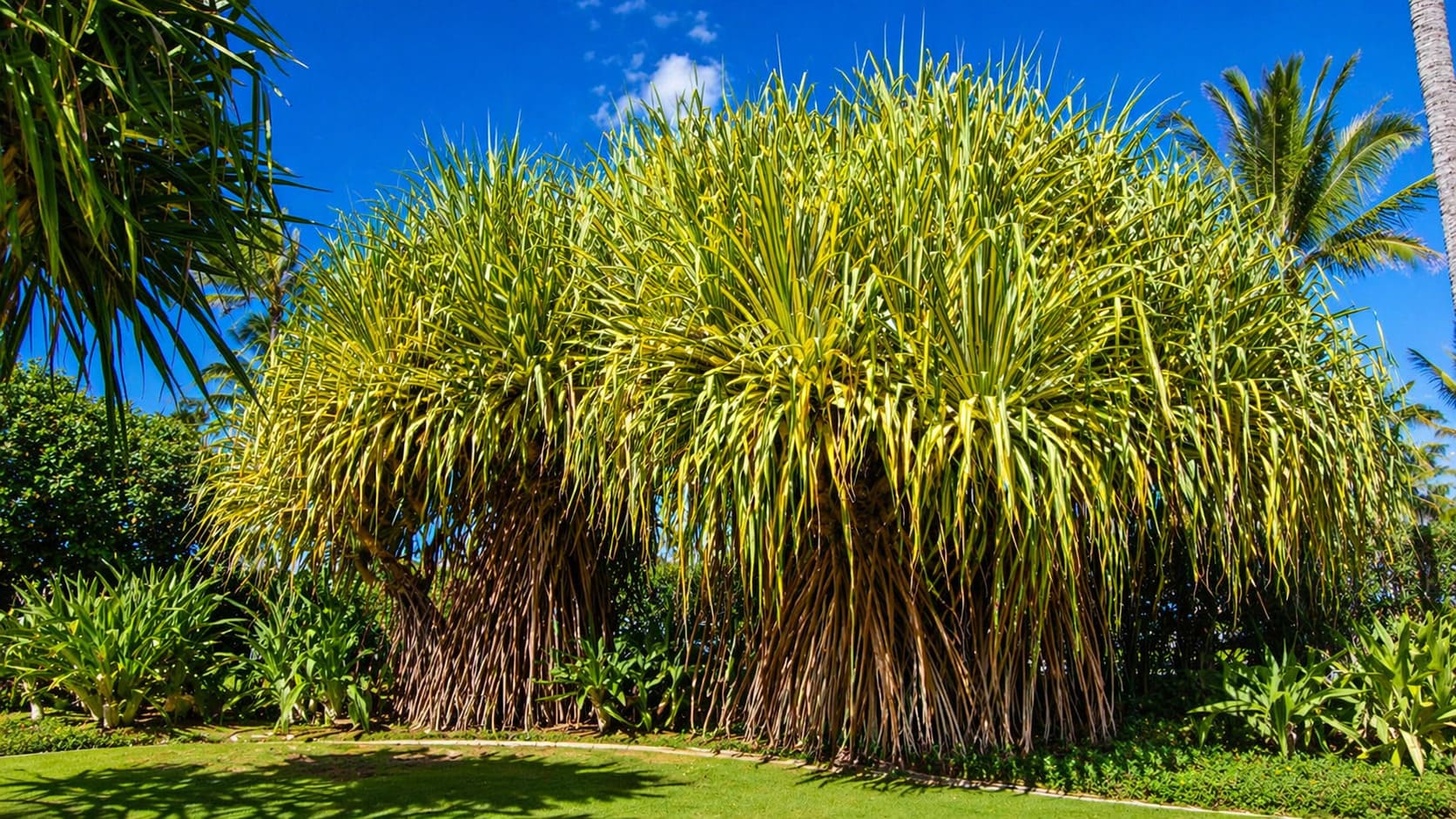
Native trees hold a special place in Hawaii. The koa tree grows in mountain forests and has long been valued for strong, beautiful wood. Hawaiians used koa for canoes, paddles, bowls and other important items. The hala tree, often seen near the coast, provided leaves for weaving mats, baskets, hats and other useful goods.

Canoe Plants and Everyday Uses

Polynesian voyagers carried many useful plants to Hawaii by canoe, choosing species that could support life in a new island home. Coconut, breadfruit, banana and noni became part of daily living. They offered food, drink, medicine, fiber, dye, shade and building material, all in a place far from any continent.

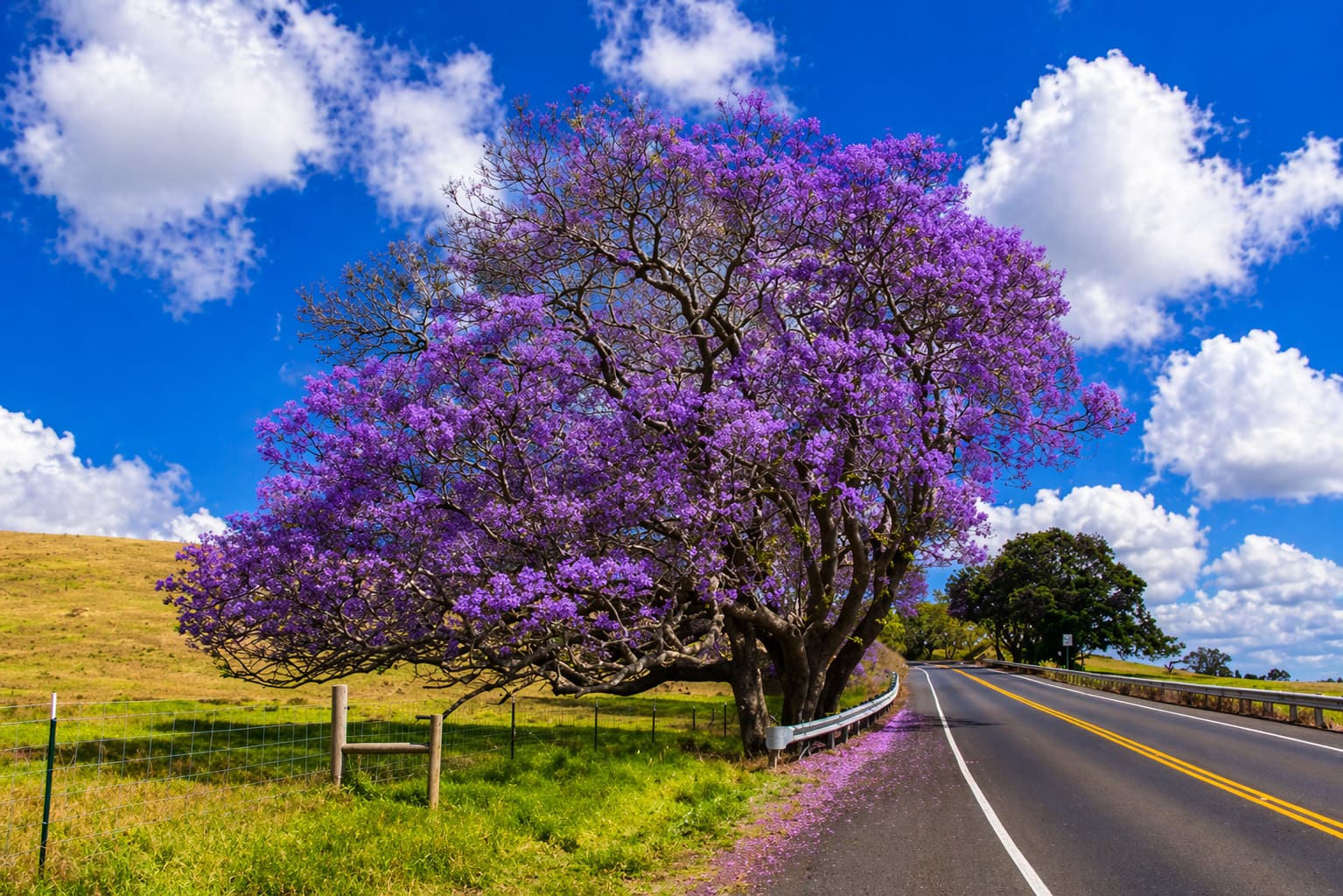
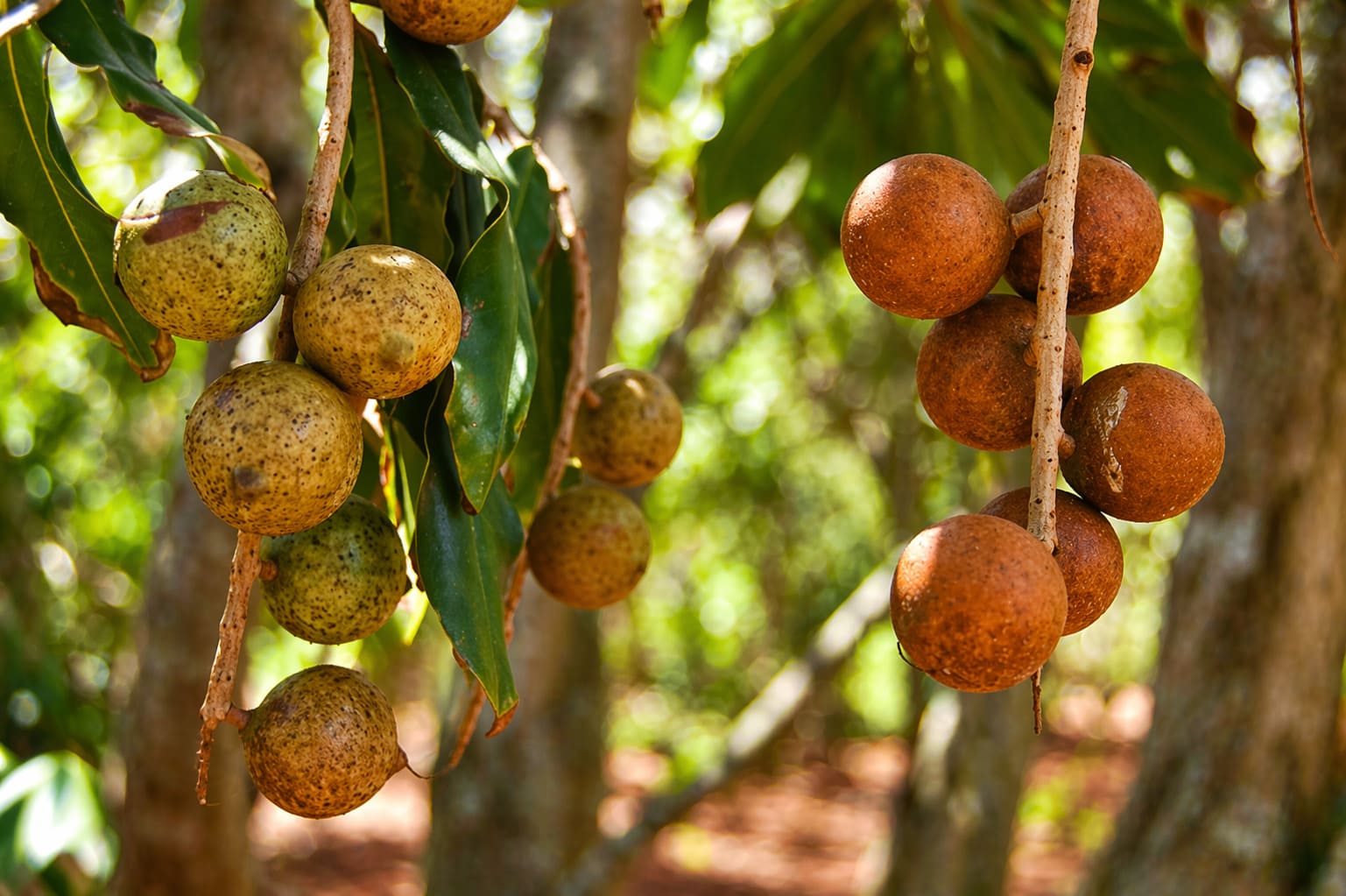
Other trees arrived later and became familiar parts of Hawaii's gardens, farms and town centers. Banyan trees spread wide canopies and aerial roots that create dramatic gathering places. Jacaranda trees brighten cooler upland areas with lavender-blue flowers. Macadamia trees became closely tied to Hawaii farming, especially on the Big Island.

Seeing Trees Around Hawaii

Travelers can spot Hawaii trees in botanical gardens, beach parks, historic towns, scenic roads and forest trails. Coastal areas often feature palms, hala and shade trees, while wetter valleys and higher elevations support koa, ohia and other forest plants. Fruit trees such as papaya also appear in backyards, farms and roadside landscapes.

This Hawaiian trees section brings together native trees, canoe plants, tropical fruit trees and ornamental species found across the Islands. Each profile gives a closer look at appearance, origin, habitat, uses and cultural meaning, so familiar trees become easier to recognize on your next Hawaii walk, drive or garden visit.
Guide Directory

Explore Hawaiian Trees

Browse related topics in this Hawaiian Trees guide.

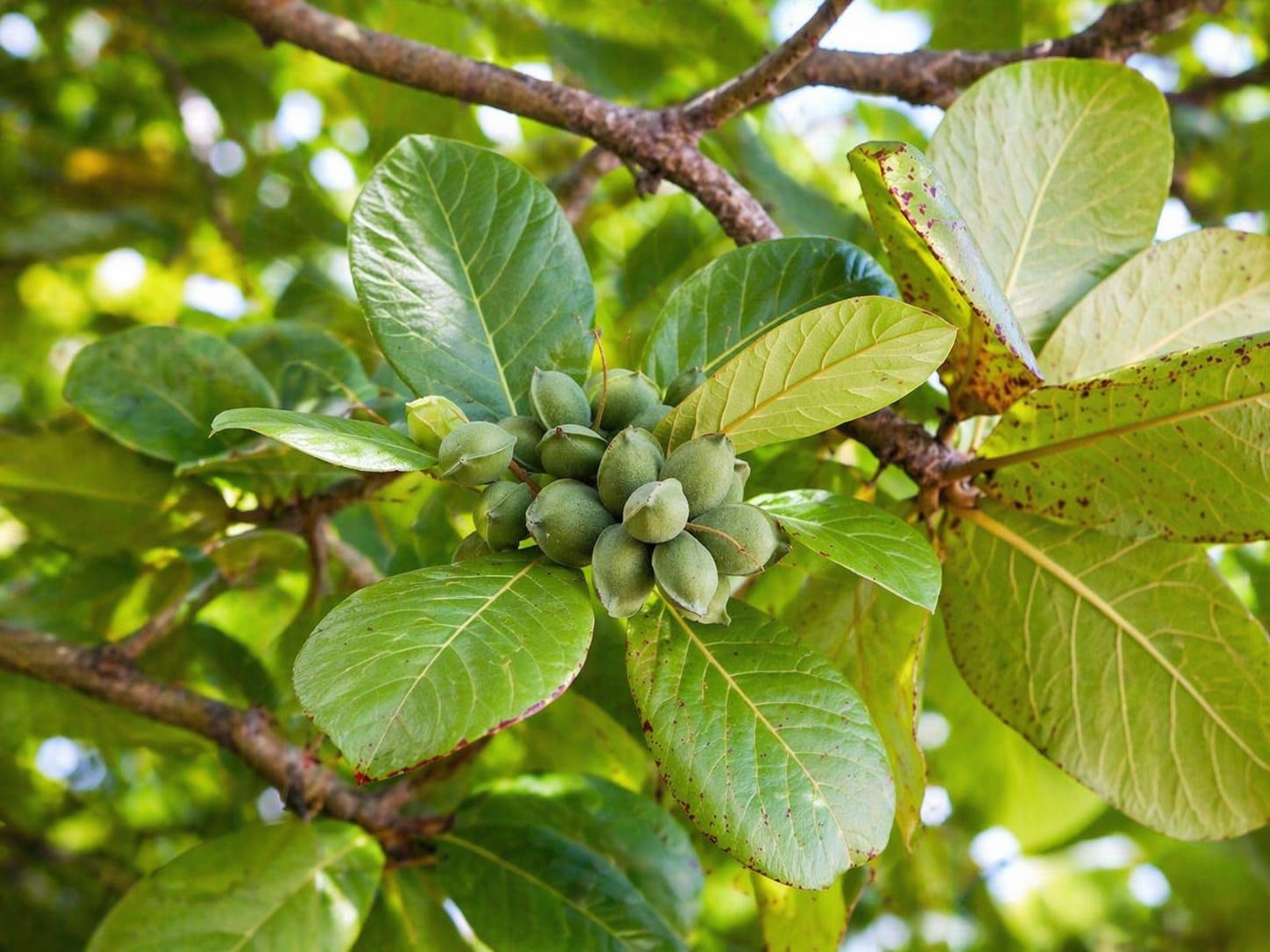
Almond Tree

Almond Tree

The almond tree is a small flowering tree with pale spring blossoms, slender leaves and edible seeds protected inside a hard shell.

Read more
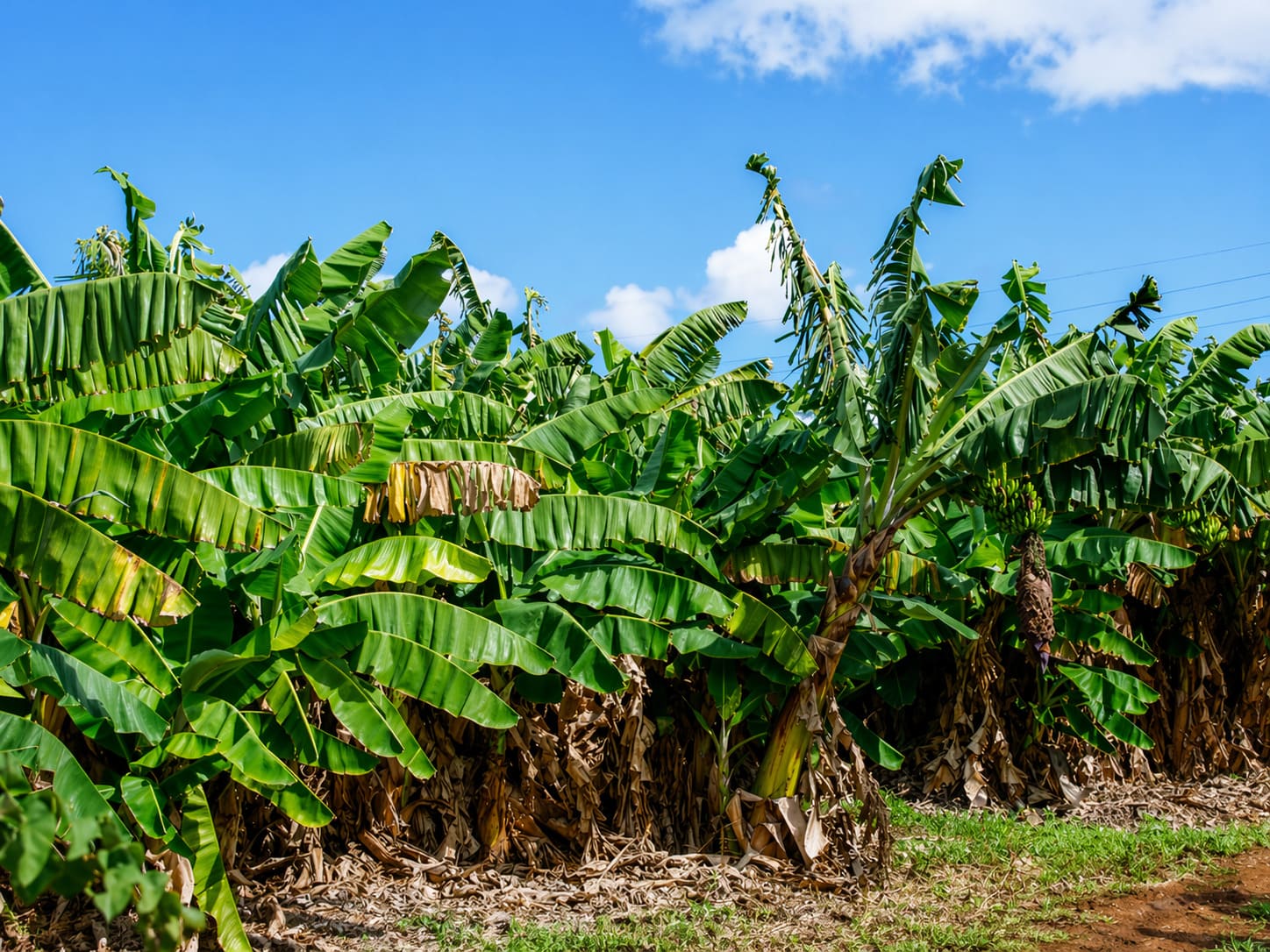
Banana Tree

Banana Tree

The banana plant is one of Hawaii's familiar food plants, with broad leaves, a hanging flower stalk and fruit that grows in heavy green clusters.

Read more
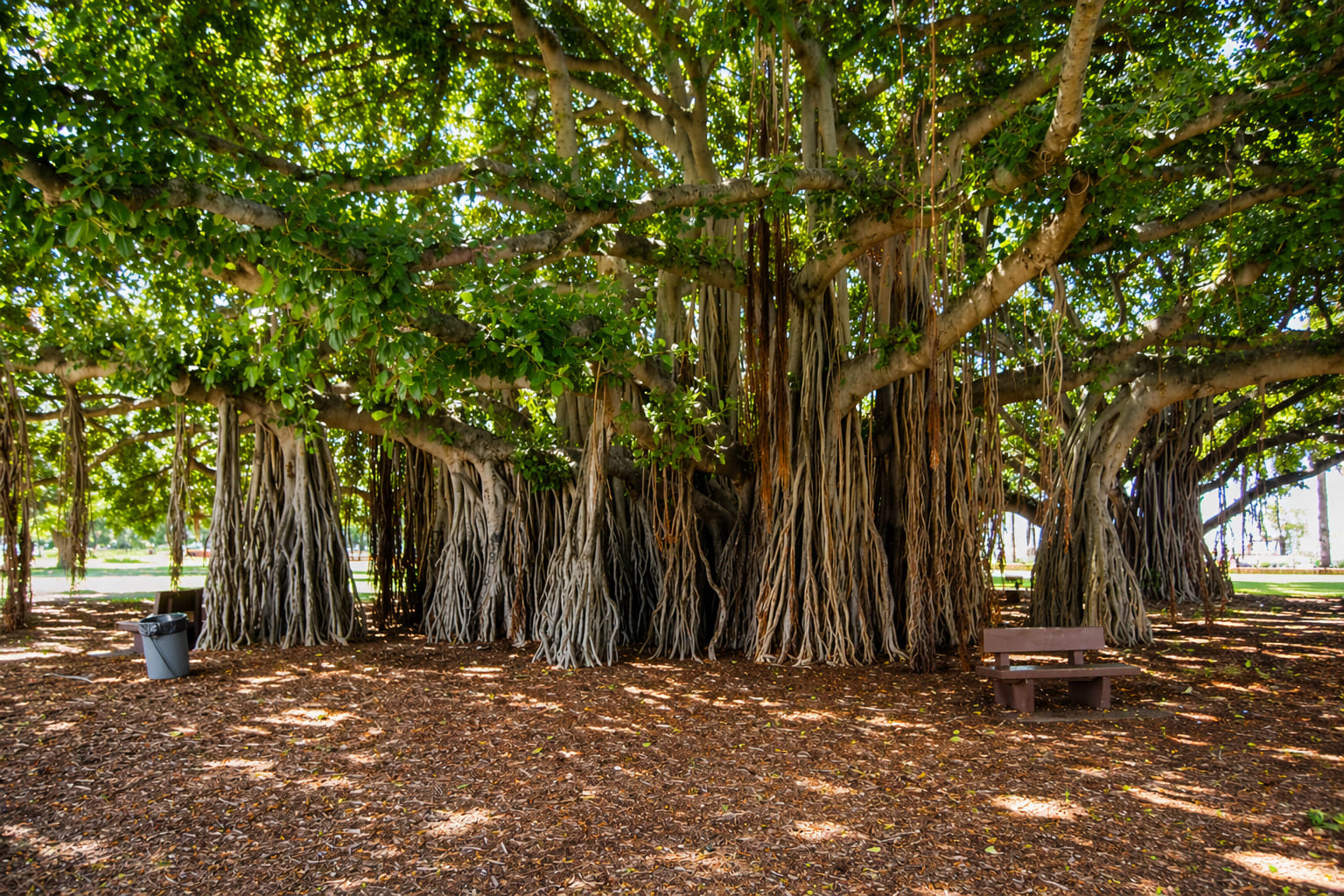
Banyan Tree

Banyan Tree

Banyan trees turn shade into a whole little world, with giant limbs, hanging roots and trunk-like columns that can spread across parks and town squares.

Read more
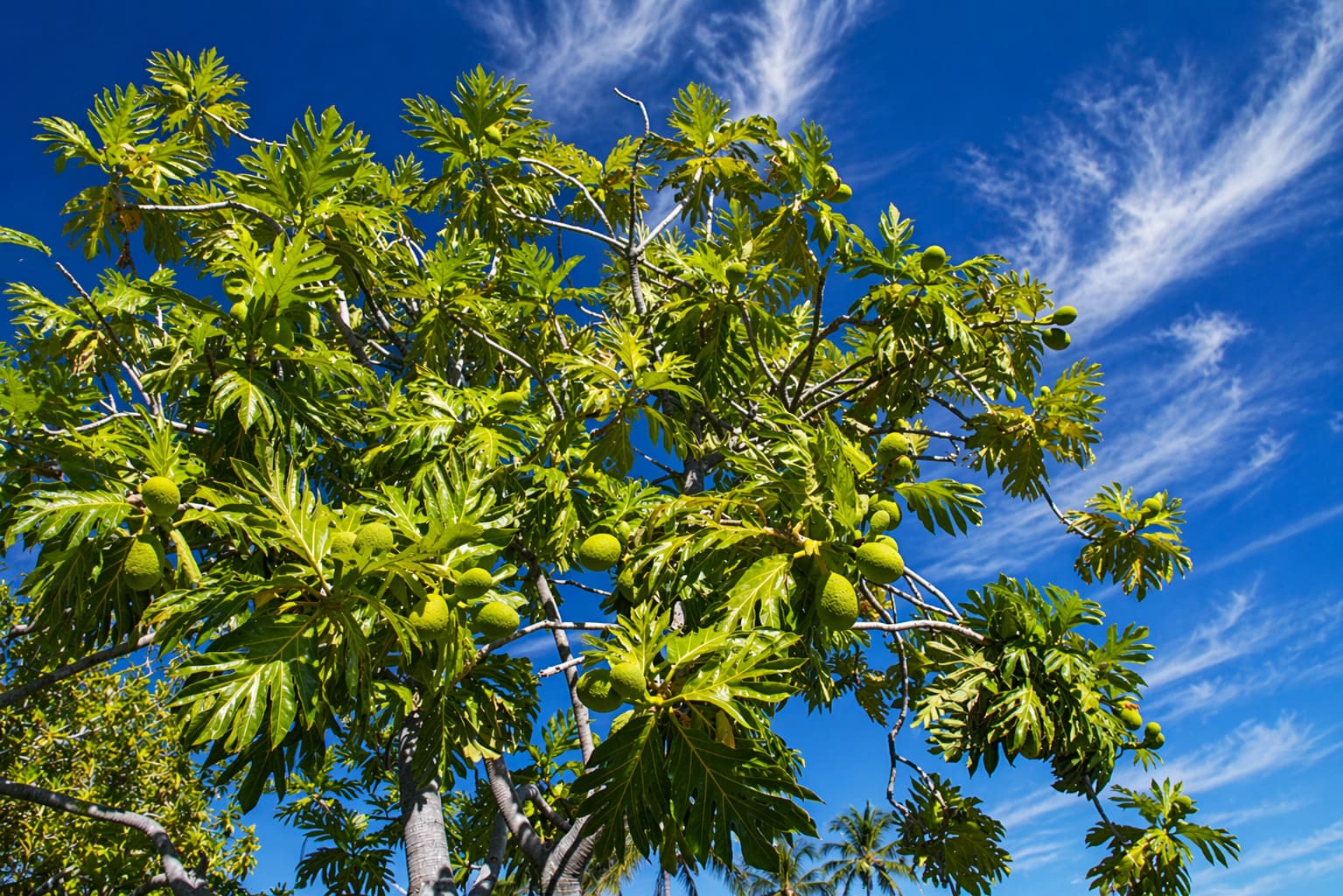
Breadfruit Tree

Breadfruit Tree

Breadfruit, or ulu, grows like a generous pantry tree, with huge lobed leaves and starchy round fruit that helped support island life.

Read more
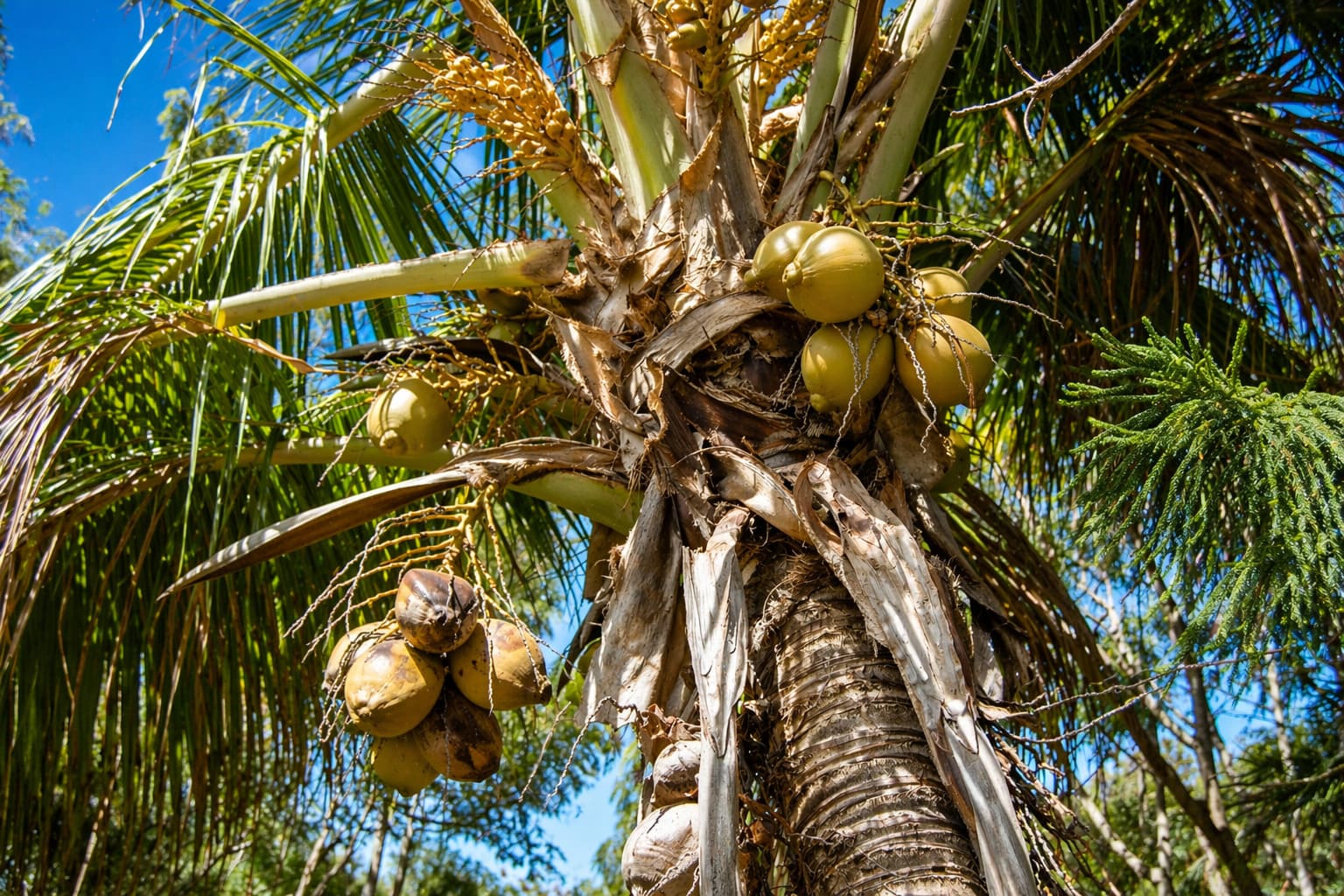
Coconut Tree

Coconut Tree

The coconut tree is the beachside toolbox of old Hawaii, giving water, food, fiber, oil, weaving material and shade from one tall palm.

Read more
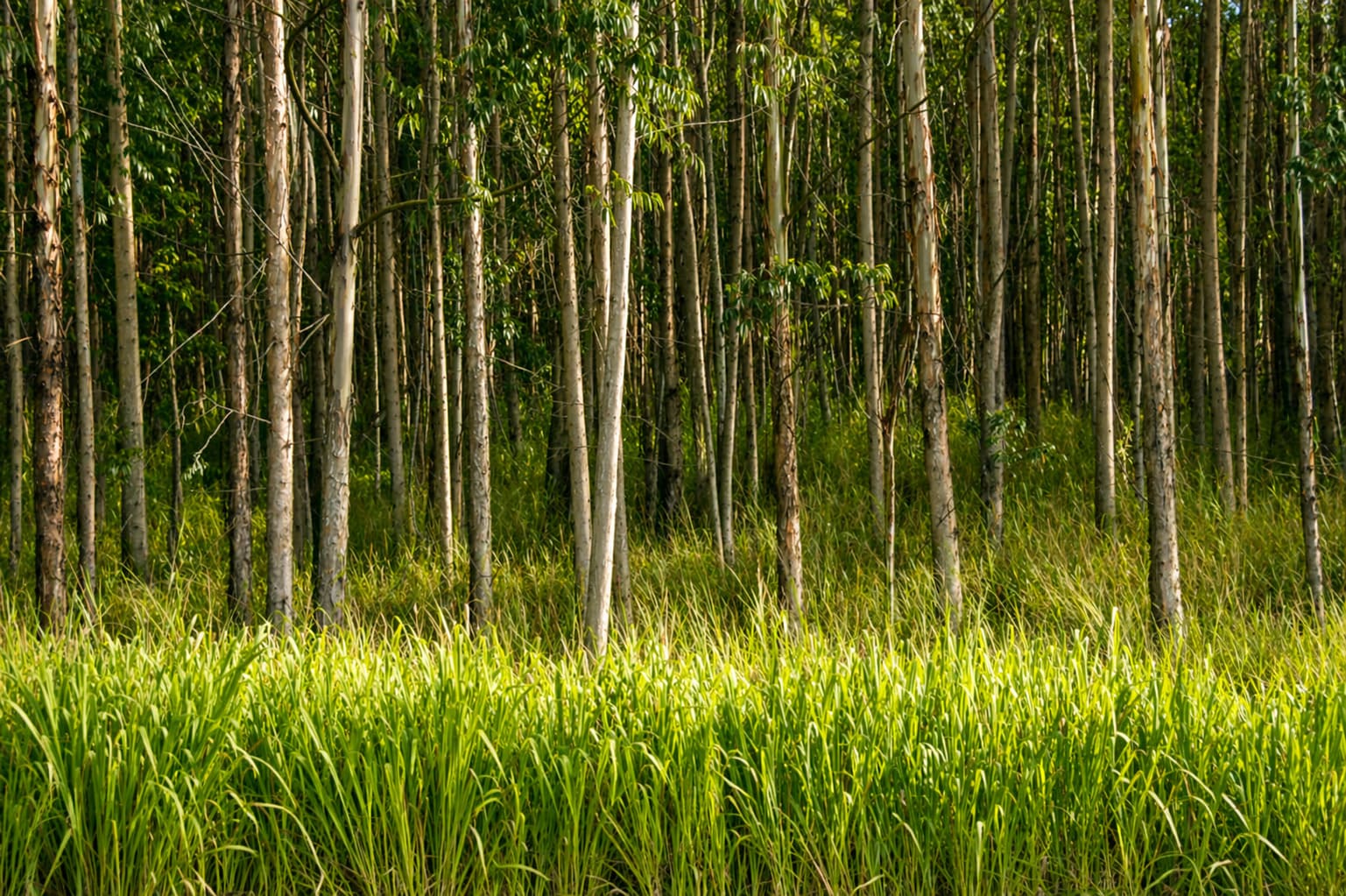
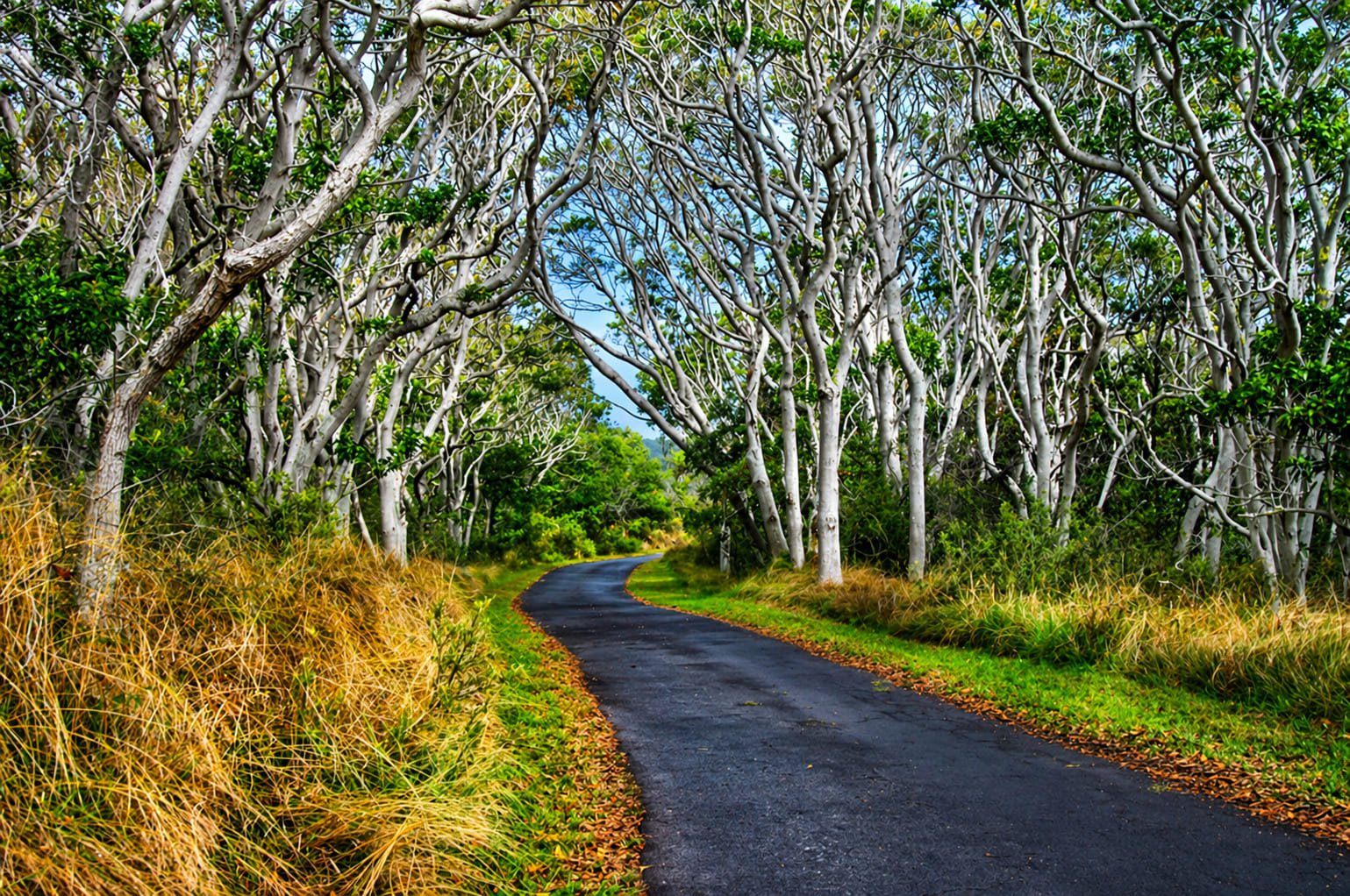
Eucalyptus Tree

Eucalyptus Tree

Eucalyptus trees bring tall trunks, quick growth and, in the case of rainbow eucalyptus, bark that peels into streaks of green, red, orange and purple.

Read more
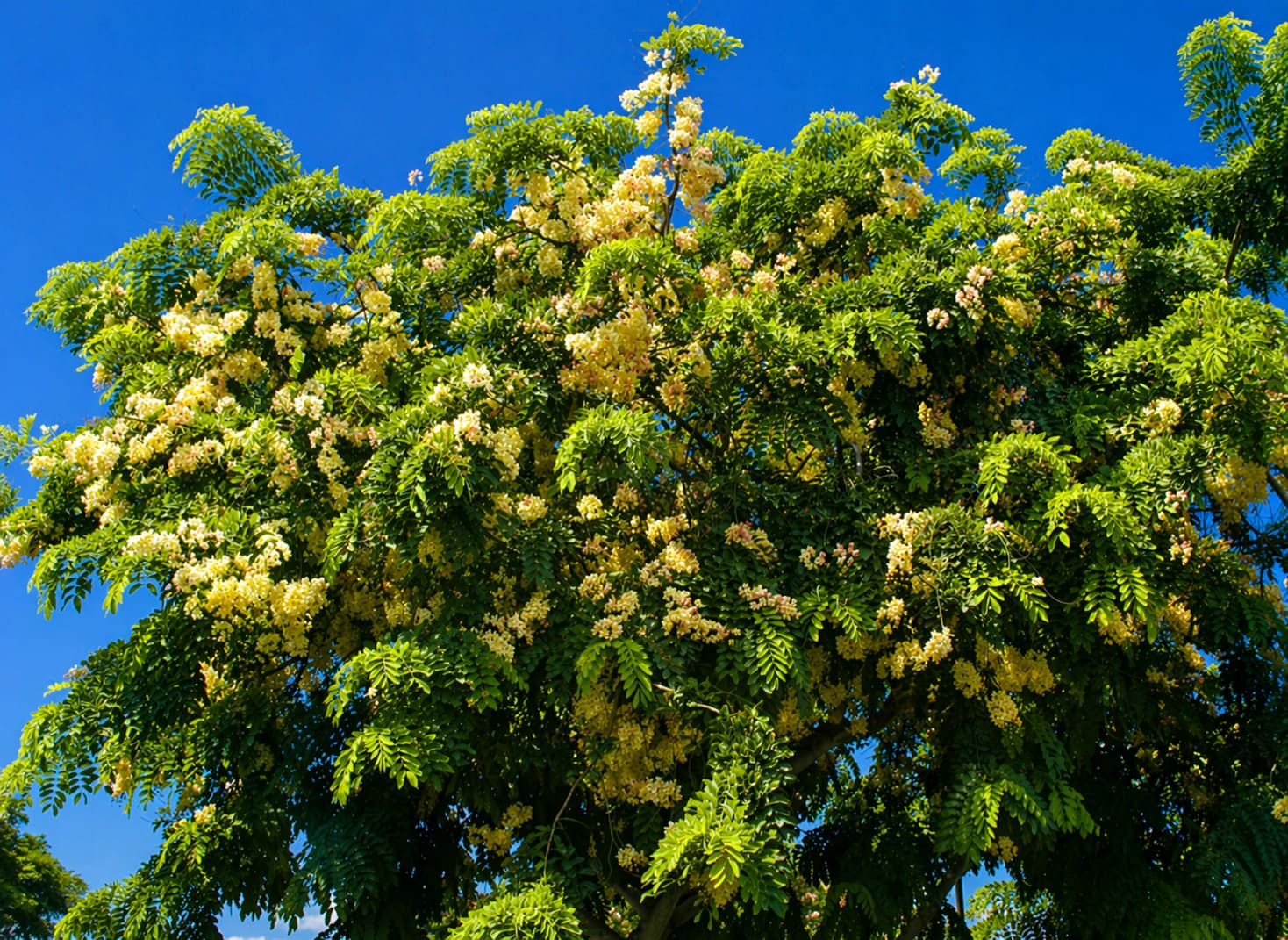
Golden Shower Tree

Golden Shower Tree

When the golden shower tree blooms, its long yellow flower clusters hang like sunlight from the branches, brightening warm Hawaii landscapes.

Read more
Hala Tree

Hala Tree

Hala is the coastal weaver's tree of Hawaii, with spiky leaves, pineapple-like fruit and lau hala leaves once shaped into mats, hats and roofs.

Read more
Jacaranda Tree

Jacaranda Tree

Jacaranda season paints Hawaii's cooler uplands in lavender-blue, with trumpet-shaped blossoms that turn roadsides and gardens softly purple.

Read more
Koa Tree

Koa Tree

Koa is Hawaii's strength tree, rising in native forests with graceful leaves and reddish-brown wood once shaped into canoes, paddles and treasured tools.

Read more
Macadamia Tree

Macadamia Tree

Macadamia trees brought a tough little nut with a big Hawaii story, from sharp-edged leaves to rich kernels packed inside hard brown shells.

Read more
Mangrove Tree

Mangrove Tree

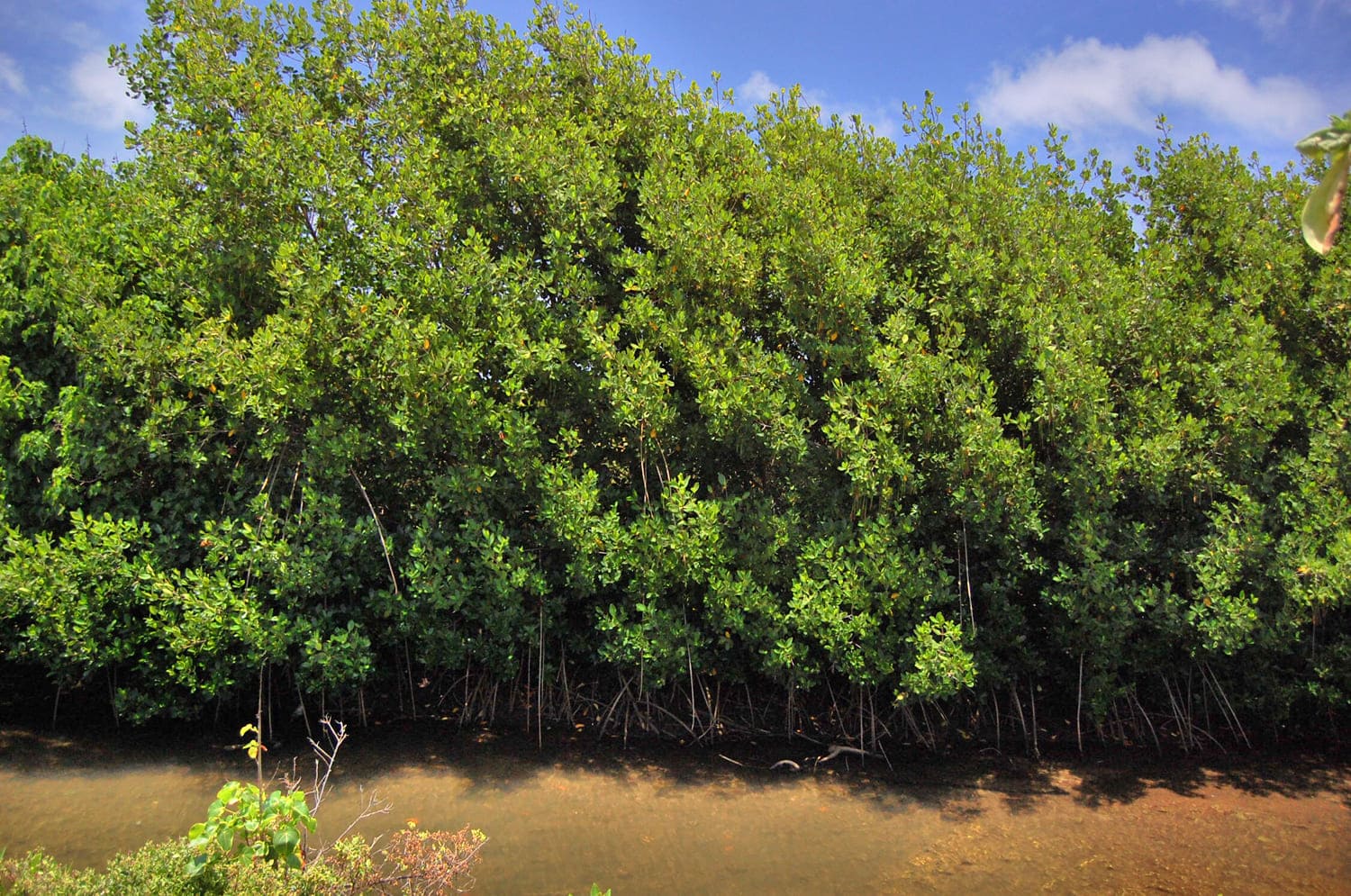
Mangrove trees stand on stilt-like roots where mud, tides and brackish water meet, creating dense shoreline thickets unlike most Hawaii trees.

Read more
Noni Tree

Noni Tree

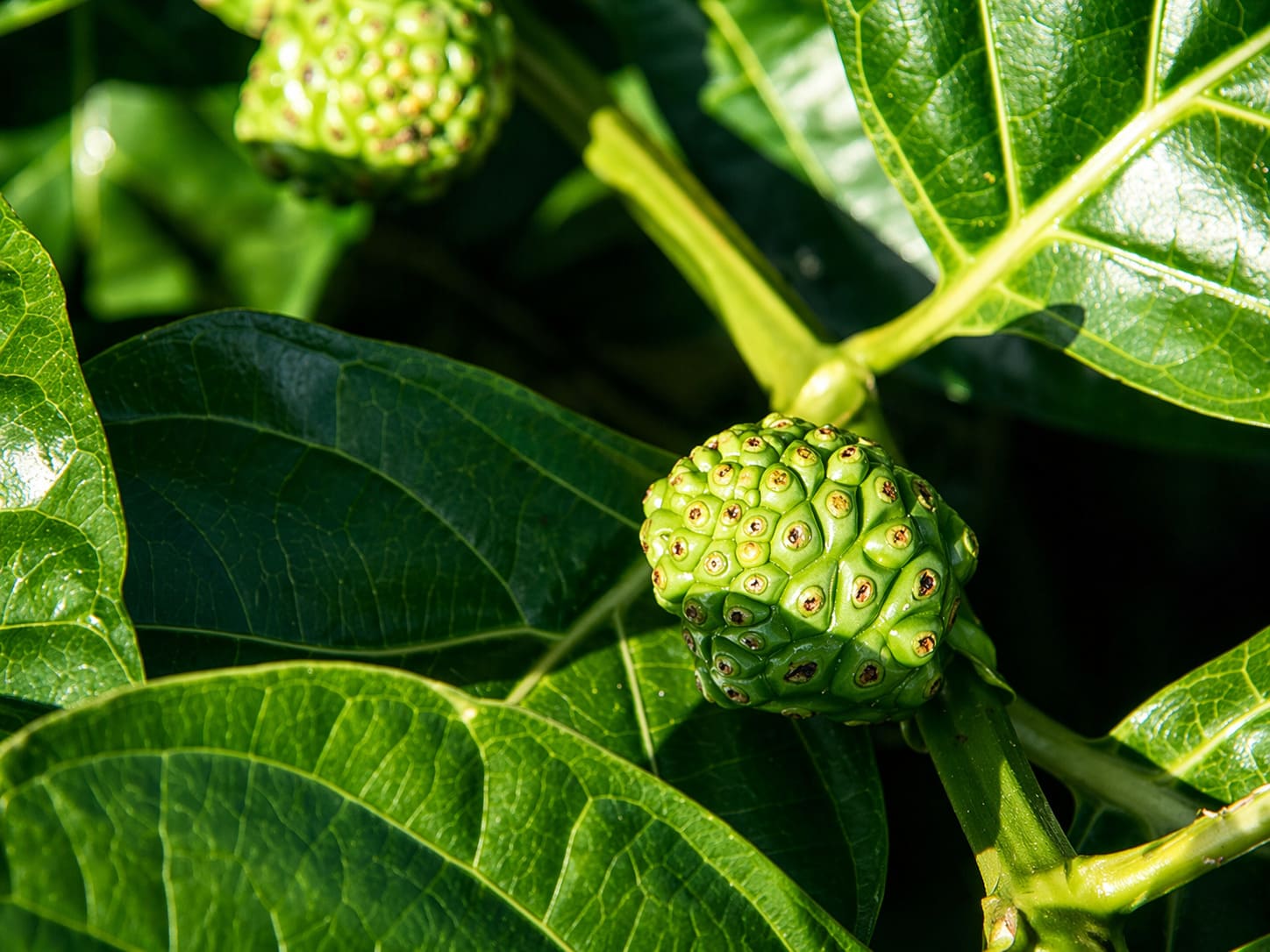
Noni is the bold-scented canoe plant of Hawaii, with pale bumpy fruit, useful dye sources and a long place in traditional island practices.

Read more
Papaya Tree

Papaya Tree

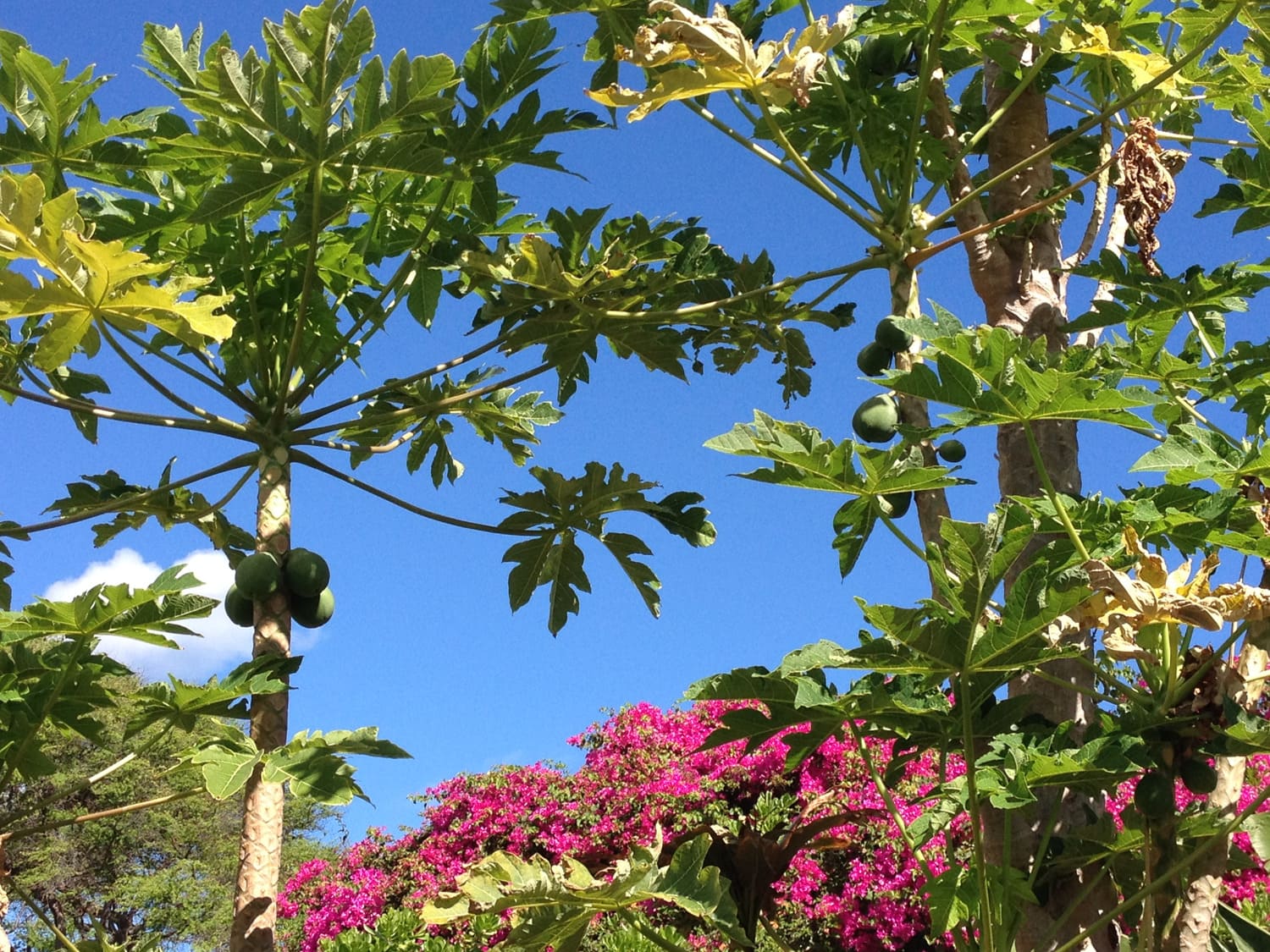
Papaya grows like a fruit tower in Hawaii, with big leaves at the top, a hollow trunk and sweet orange fruit tucked close along the stem.

Read more
Royal Poinciana Tree

Royal Poinciana Tree

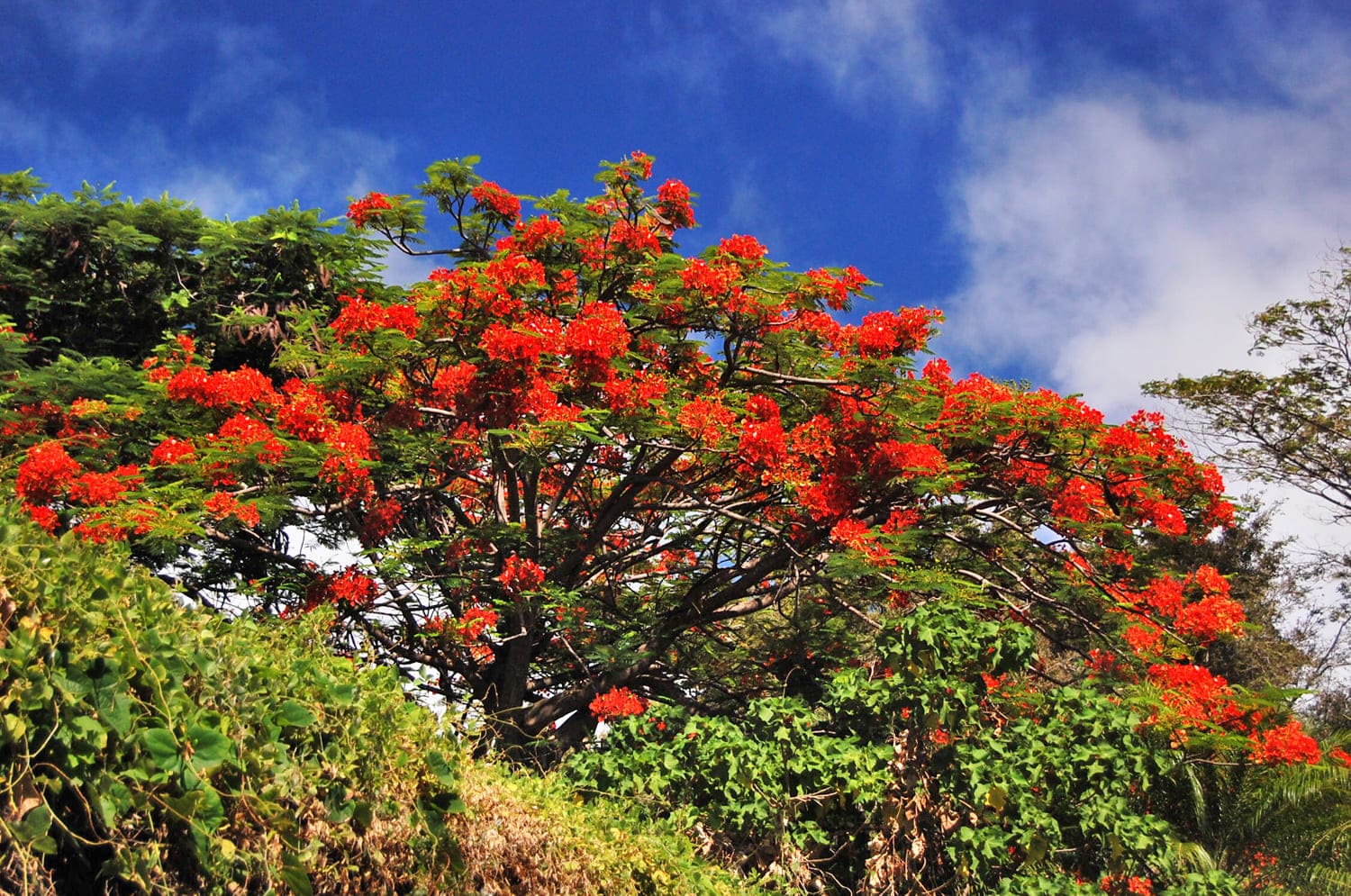
Royal poinciana turns warm Hawaii landscapes into a blaze of red, orange and yellow, with fern-like leaves and long seed pods hanging below.

Read more
Sausage Tree

Sausage Tree

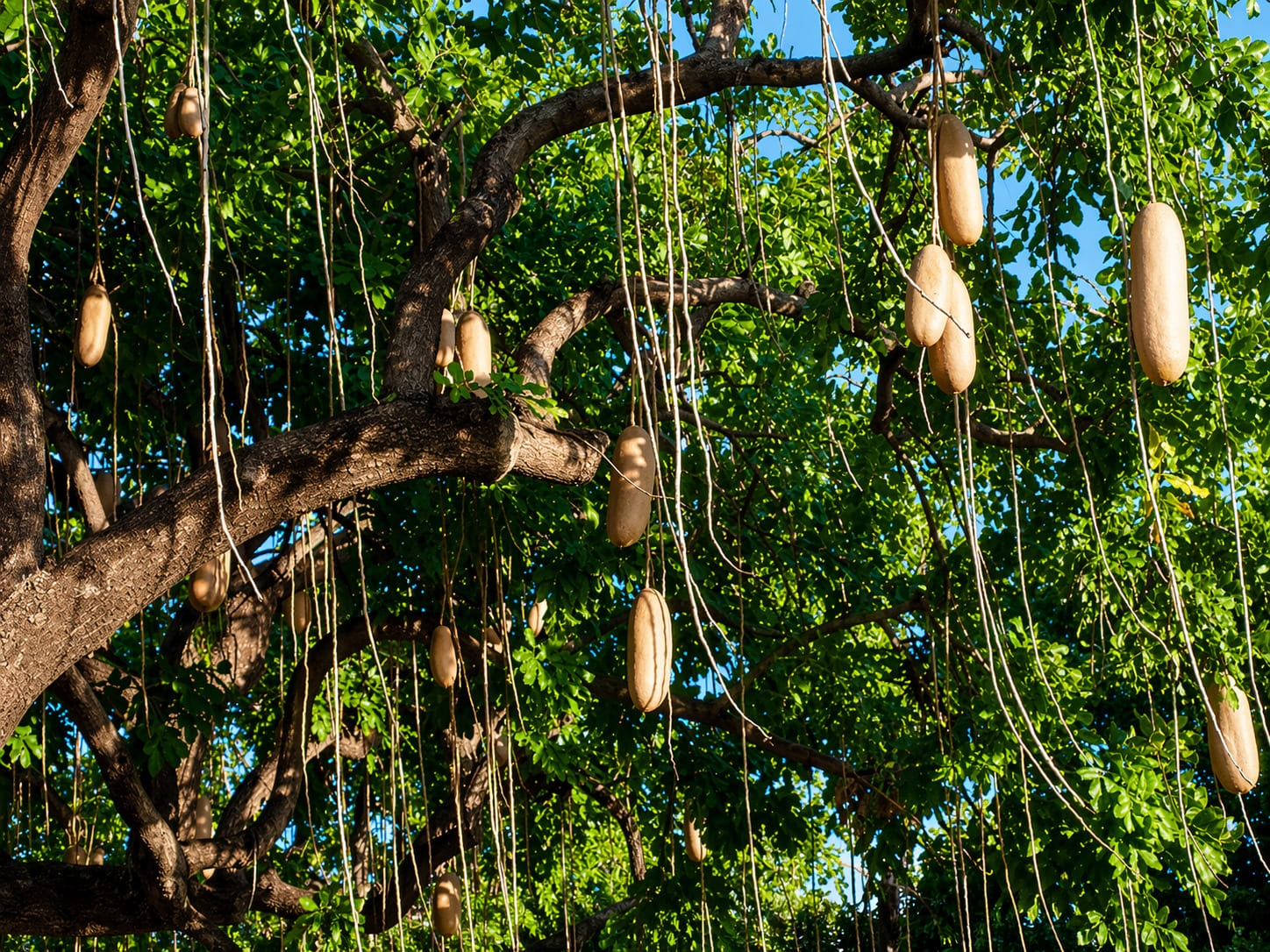
The sausage tree is a tropical conversation starter, with long, heavy fruit dangling from its branches like oversized sausages.

Read more

Frequently Asked Questions

What kinds of trees grow in Hawaii?

Hawaii has native trees, canoe plants, tropical fruit trees and introduced ornamental trees. Common examples include koa, hala, coconut, breadfruit, banyan, macadamia and papaya.

What trees are native to Hawaii?

Native Hawaiian trees include koa, ohia lehua, loulu palms, hala and many other forest and coastal species. Several grow only in Hawaii and support native wildlife.

What are Hawaiian canoe plants?

Canoe plants are useful plants Polynesian voyagers brought to Hawaii. Tree and food plant examples include coconut, breadfruit, noni, banana and sugarcane.

Why is the koa tree important in Hawaii?

Koa is one of Hawaii's most treasured native trees. Its strong wood was used for canoes, paddles, bowls, tools and furnishings, and it still carries cultural importance today.

Where can travelers see interesting trees in Hawaii?

Botanical gardens, beach parks, forest trails, scenic drives, farms and historic towns are good places to see Hawaii trees, including palms, banyans, koa, hala and fruit trees.