

Hawaii Beach Safety & Jellyfish Forecast
Jellyfish Arrival Calendar
Hawaii's jellyfish calendar helps beachgoers track likely box jellyfish arrival dates, understand sting risks and plan safer ocean days.
Hawaii Jellyfish Calendar and Beach Safety Guide
The Hawaii jellyfish calendar helps beachgoers estimate when box jellyfish may arrive near shore. On Oahu, box jellyfish often appear on south and leeward beaches about 8 to 12 days after a full moon, with many calendars highlighting the highest-risk window around days 8 to 10. However, jellyfish can arrive outside the predicted window, so visitors should always check local conditions before swimming.
This calendar is for informational purposes only. Ocean conditions change quickly, and jellyfish may appear on any day of the year. Therefore, always obey posted warning signs, swim at lifeguarded beaches when possible and ask a lifeguard about jellyfish, Portuguese man-of-war, currents, surf and other hazards. For broader ocean planning, review Hawaii beach safety tips, Hawaii marine life and dangers in Hawaii.
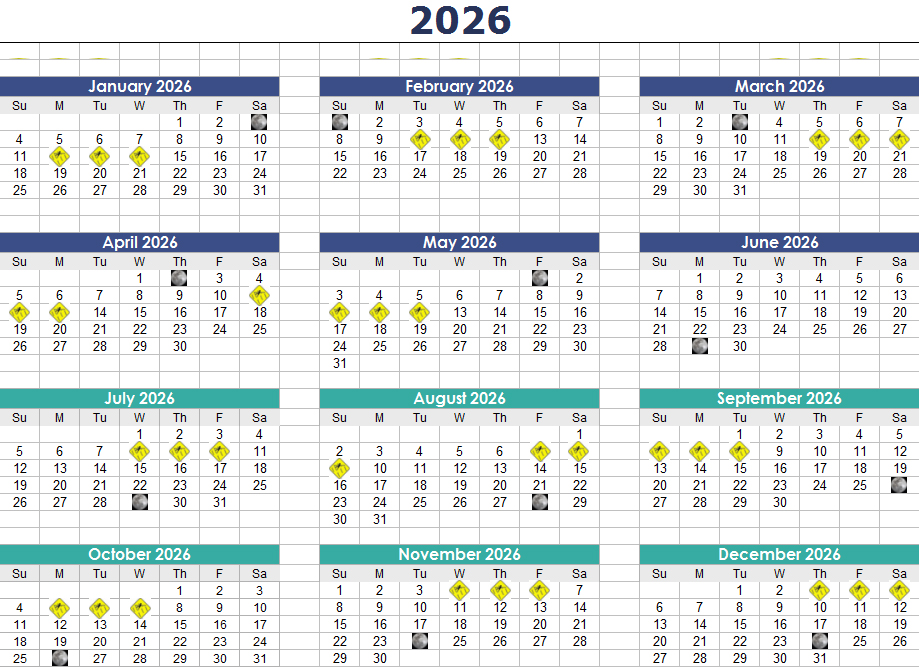

Full Moon

Jellyfish Invasion Likely
Note: This calendar provides estimated jellyfish arrival dates only. Jellyfish may appear at any time. Always obey warning signs posted at beaches, swim at guarded beaches when possible and ask lifeguards about current ocean hazards.


When Do Box Jellyfish Arrive in Hawaii?
Box jellyfish in Hawaii often arrive near shore about 8 to 12 days after a full moon. This pattern appears most often on Oahu's south-facing and leeward beaches, including areas such as Waikiki, Ala Moana and Hanauma Bay.
Even so, the calendar should not replace local beach warnings. Wind, currents, tides and other ocean conditions can affect where jellyfish appear. In addition, warning signs usually appear only at busier beaches, so remote beaches may not have posted alerts.
Where Are Jellyfish Most Common in Hawaii?
Box jellyfish most often affect south and leeward shores. On Oahu, this includes many popular beaches that face south or west. As a result, visitors should pay extra attention to jellyfish forecasts when planning beach days in these areas.
Portuguese man-of-war can appear on different shores, especially windward beaches when trade winds or onshore winds push them toward land. They have a blue or purple float and long tentacles that can still sting after washing onto the beach.
Box Jellyfish in Hawaii
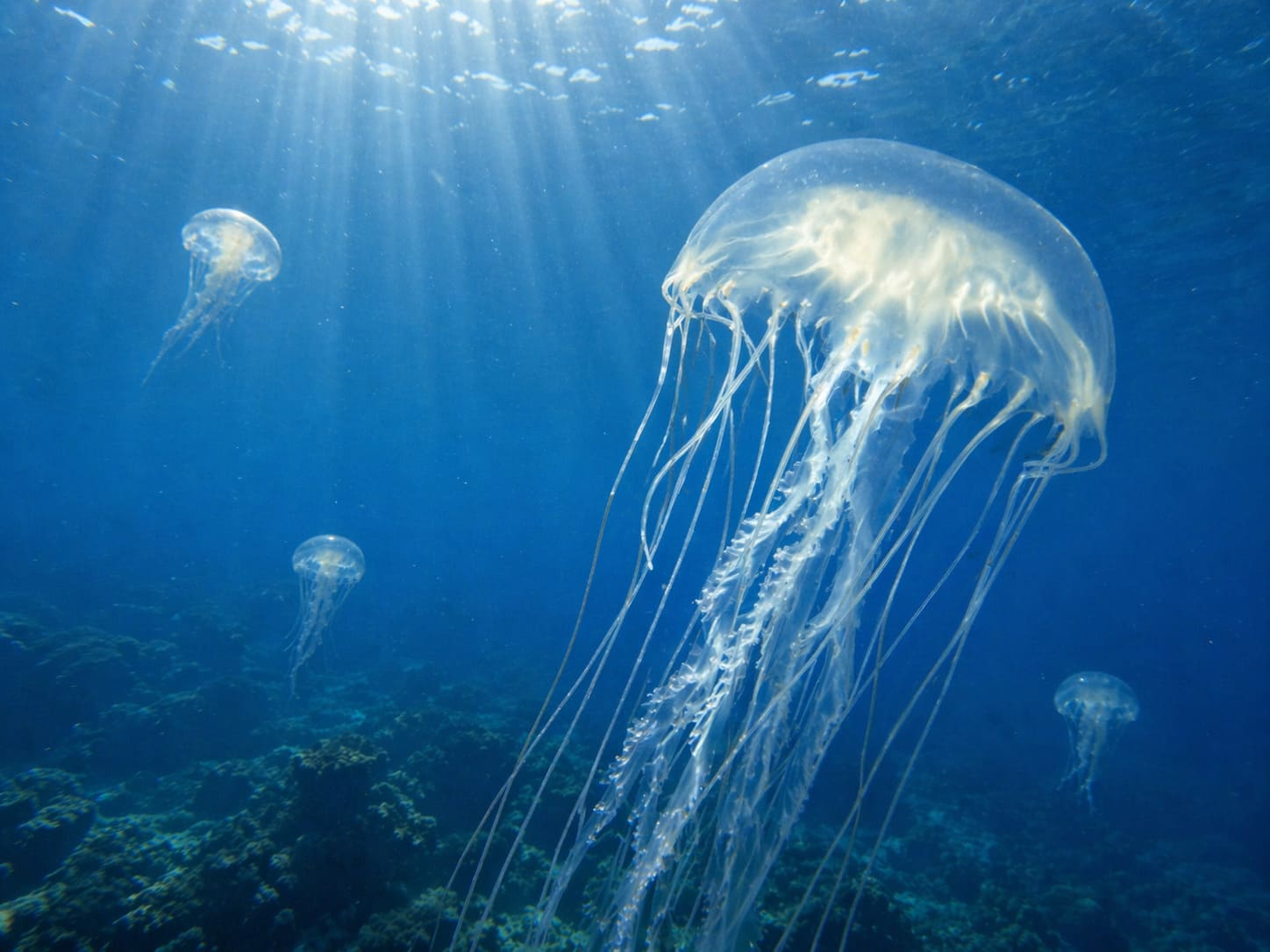
Hawaii's box jellyfish have a cube-shaped bell and long tentacles that can deliver a painful sting. The species commonly associated with predictable monthly arrivals is often called the Hawaiian box jellyfish.
Most stings cause pain, redness and skin irritation. However, some people can have more serious reactions. Children, older adults, people with allergies and anyone with widespread symptoms should get medical help quickly.
Portuguese Man-of-War in Hawaii
The Portuguese man-of-war is not a true jellyfish, but its tentacles can cause a painful sting. These animals often float on the ocean surface and move with wind and current. Because of that, they may wash ashore suddenly.
Do not touch a Portuguese man-of-war, even if it looks dead. Its tentacles can still sting after the animal washes onto the sand. Keep children and pets away from any jellyfish or man-of-war on the beach.
Jellyfish First Aid
If a jellyfish stings you, leave the water calmly and get help from a lifeguard if one is nearby. Do not rub or scrape the sting area because that can make the sting worse.
1. Carefully remove visible tentacles by plucking them off with tweezers, a towel, a napkin or another item. Do not use bare fingers if you can avoid it.
2. For box jellyfish stings, rinse the affected area with vinegar to help prevent additional venom discharge.
3. Use hot water or a hot compress when available to help reduce pain and venom activity. Use water that feels hot but does not burn the skin.
4. Get medical help right away if symptoms are severe, if pain spreads, or if the person has trouble breathing, chest tightness, dizziness, weakness, vomiting or signs of an allergic reaction. Call 911 in an emergency.
University of Hawaii researchers found that some common folk remedies may not help and can make box jellyfish stings worse. Avoid rinsing with freshwater, applying ice, scraping the skin, using alcohol or relying on urine. Instead, seek lifeguard assistance and follow current first aid guidance.
How to Reduce Jellyfish Sting Risk
You cannot remove all sting risk from ocean swimming, but you can lower the chances of getting stung. First, check the jellyfish calendar before visiting south or leeward beaches. Then, look for posted warning signs when you arrive.
- Ask lifeguards about current jellyfish and man-of-war conditions.
- Avoid swimming when jellyfish warning signs are posted.
- Stay out of the water if you see jellyfish or Portuguese man-of-war on the beach.
- Keep children away from beached jellyfish and tentacles.
- Swim at lifeguarded beaches whenever possible.
- Do not swim alone at remote or unguarded beaches.
- Leave the water if you feel a sting or see others getting stung.
Other Ocean Hazards to Watch For
Jellyfish are only one part of Hawaii beach safety. Strong currents, shorebreak, high surf, sharp coral, slippery rocks and sudden waves can also create dangerous conditions.
Before entering the ocean, pause and watch the water. If waves look too strong, the water looks murky or no one else is swimming, choose a safer beach or stay on shore. When in doubt, ask a lifeguard.
Jellyfish, Coral Reefs and Marine Life
Hawaii's ocean includes many animals that deserve respect and space. While jellyfish and man-of-war can sting, other marine animals such as turtles, dolphins, monk seals, rays and reef fish need protection from crowding, touching and feeding.
Snorkelers should keep fins away from coral and avoid standing on the reef. For more background, see the Hawaiian coral reef, Hawaii fish and marine life, sea turtles in Hawaii and Hawaii sharks.
Using the Hawaii Jellyfish Calendar Wisely
The jellyfish calendar can help you plan beach days, especially on Oahu's south and leeward shores. However, it works best when combined with common sense, lifeguard advice and beach warning signs.
If the calendar shows a likely jellyfish arrival window, consider choosing another beach, enjoying shoreline activities or waiting until conditions improve. A flexible plan can help you avoid painful stings while still enjoying Hawaii's beaches safely.
Frequently Asked Questions
When do jellyfish typically appear in Hawaii?
Box jellyfish often appear about 9 to 12 days after a full moon, especially on Oahu's south and leeward shores. However, jellyfish can appear at any time of year.
What should I do if I get stung by a jellyfish?
Leave the water, get help from a lifeguard and avoid rubbing or scraping the skin. For box jellyfish stings, carefully remove tentacles, rinse with vinegar and use hot water or a hot compress if available.
Which Hawaii beaches are most affected by jellyfish?
Box jellyfish most often affect south and leeward beaches, including areas such as Waikiki, Ala Moana and Hanauma Bay on Oahu. Portuguese man-of-war are more common on windward beaches when winds push them ashore.
Is vinegar good for jellyfish stings?
Vinegar can help with box jellyfish stings because it may prevent additional stinging cells from firing. However, sting treatment can vary by species, so ask a lifeguard or medical professional for help.
Can dead jellyfish still sting?
Yes. Jellyfish and Portuguese man-of-war tentacles can still sting after washing onto the beach. Do not touch them, and keep children and pets away from beached jellyfish.
Are jellyfish dates always accurate?
No. Jellyfish calendar dates are estimates based on common box jellyfish arrival patterns. Wind, currents and other ocean conditions can change where and when jellyfish appear.