Kalaupapa

Molokai Town Guide

Kalaupapa

Kalaupapa is a remote Molokai settlement and national historical park known for Hansen's disease history, Saint Damien's legacy, sea cliffs and restricted access.

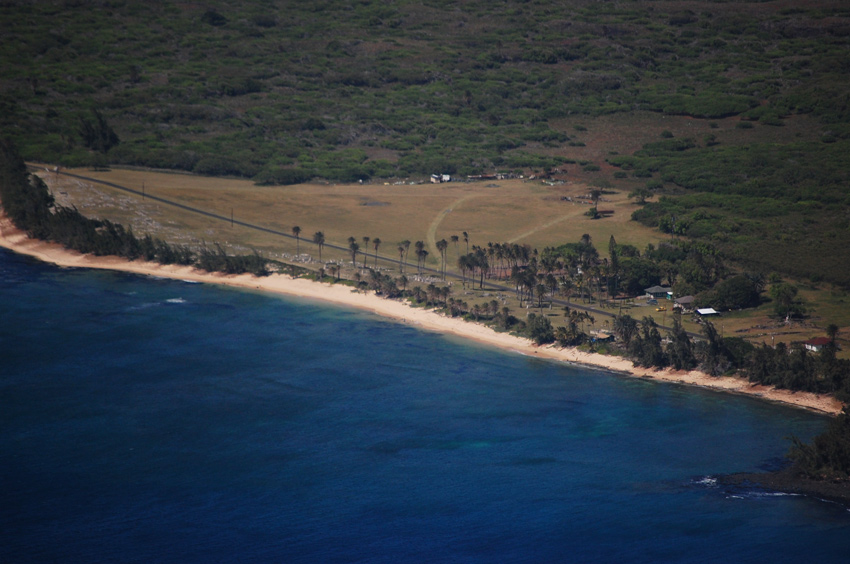
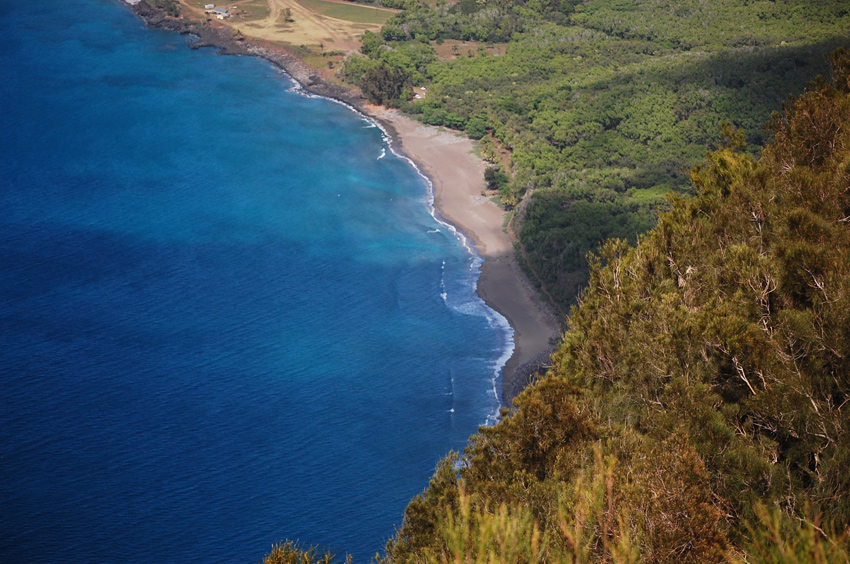
Awahua Beach
Awahua Beach

Kalaupapa, Molokai

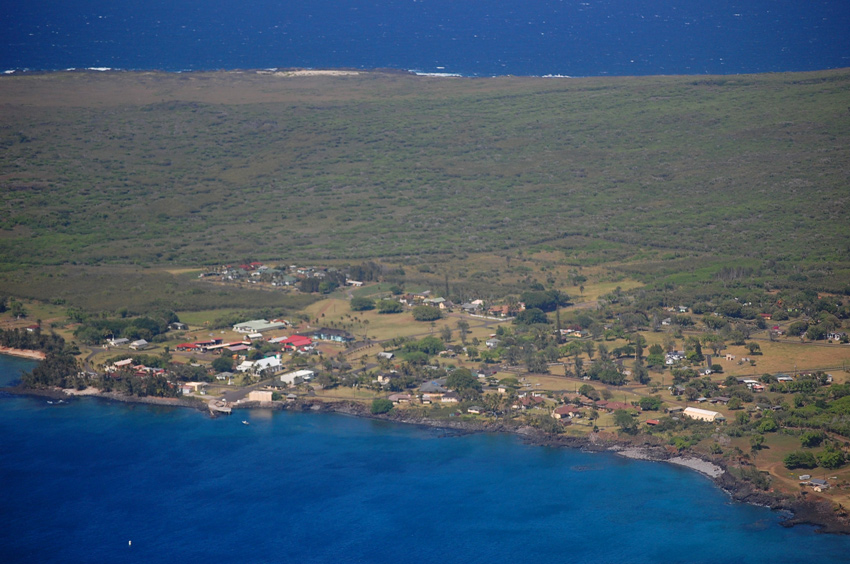
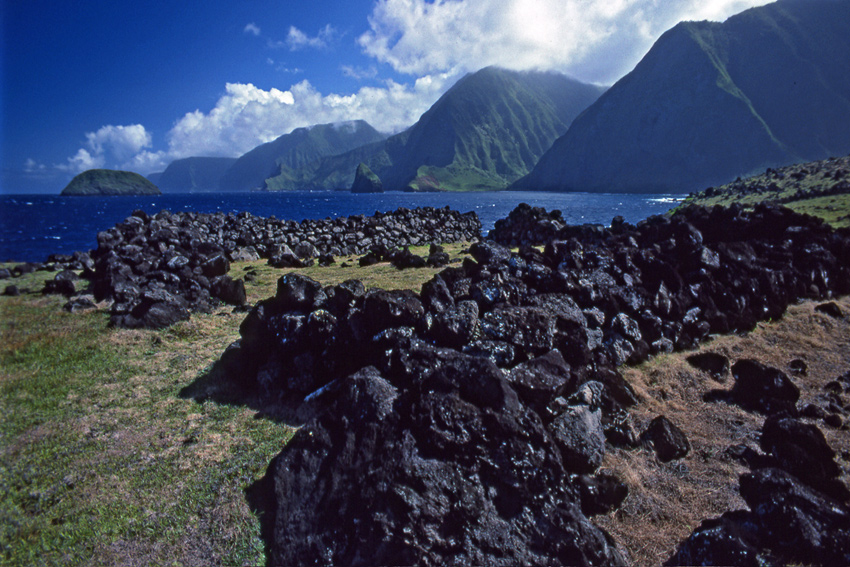
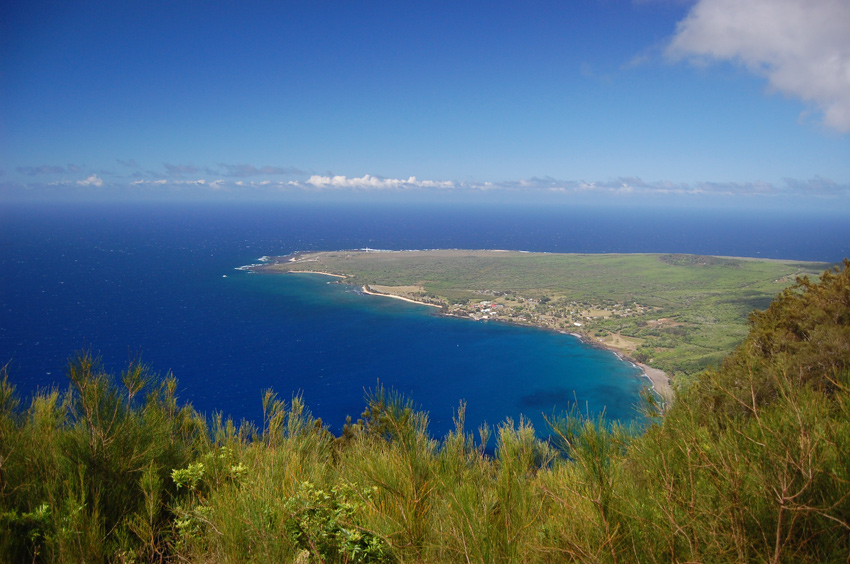
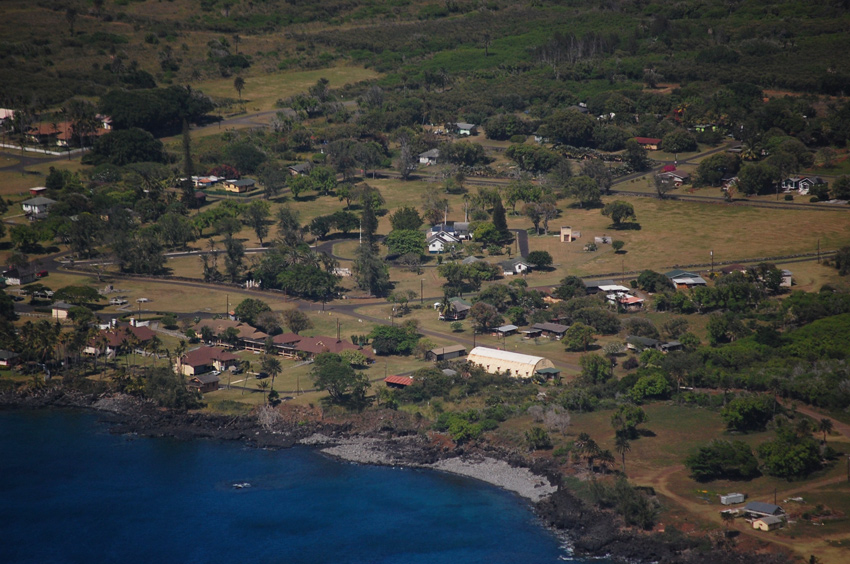
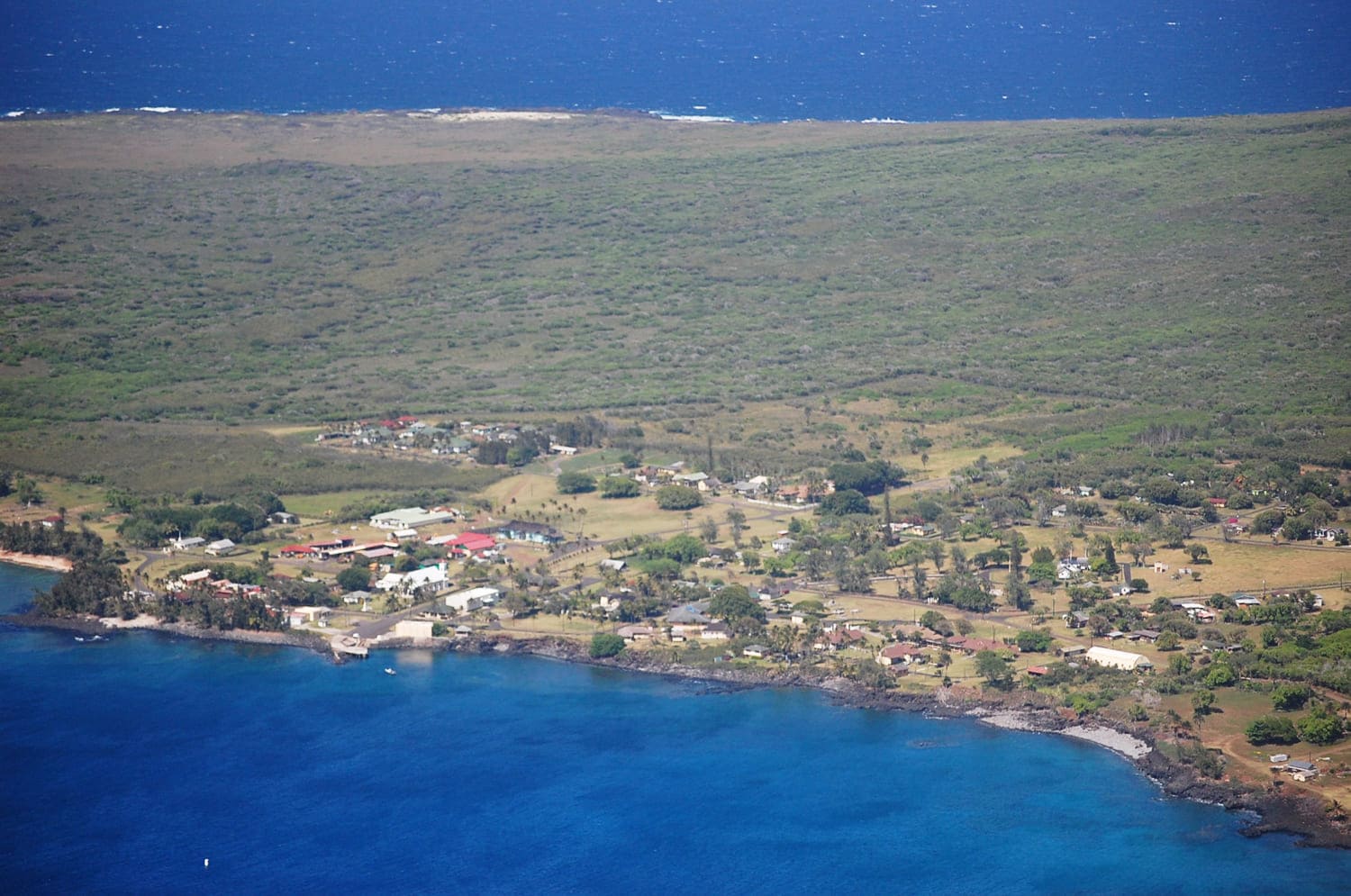
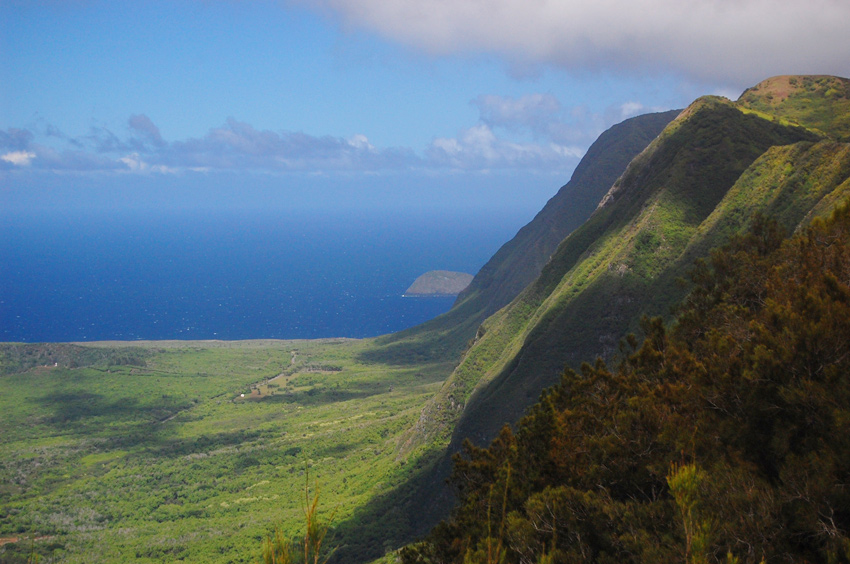
The historic settlement of Kalaupapa is located on the isolated Kalaupapa Peninsula on Molokai's north shore, at the base of the world's highest sea cliffs, which reach about 3,315 feet (1,010 m) into the sky.

In the past, Kalaupapa was a leprosy (Hansen's disease) settlement, where people with leprosy were forced to live in exile. The small settlement was first established on the eastern side of the Kalaupapa Peninsula. Later, it was moved to its current location taking the place of a small Hawaiian fishing village.

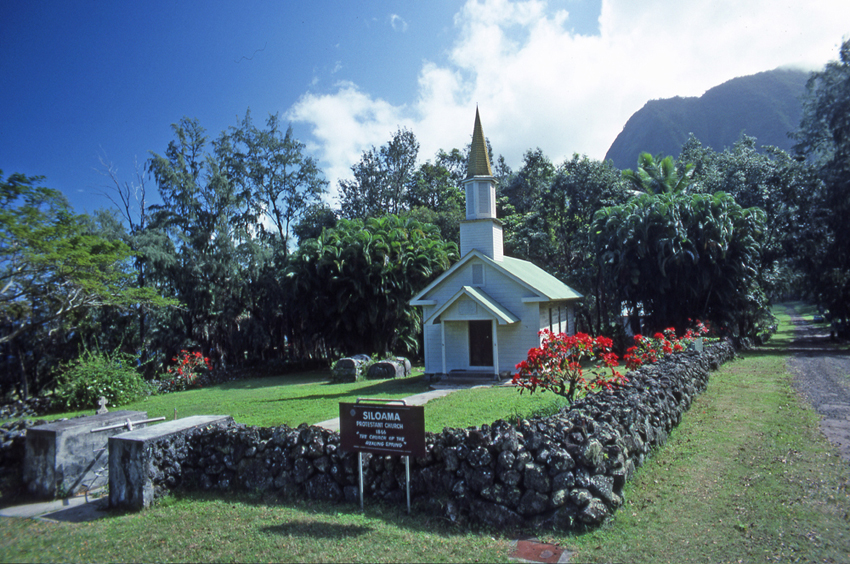
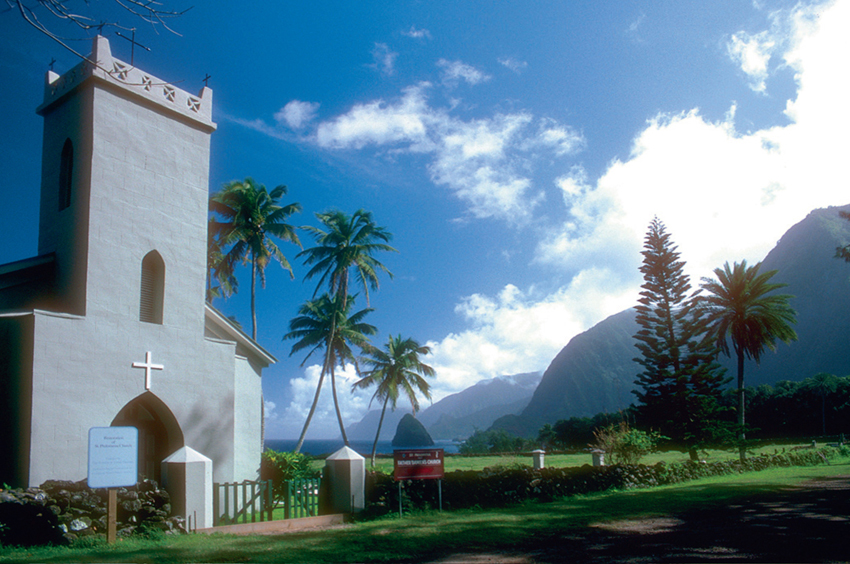
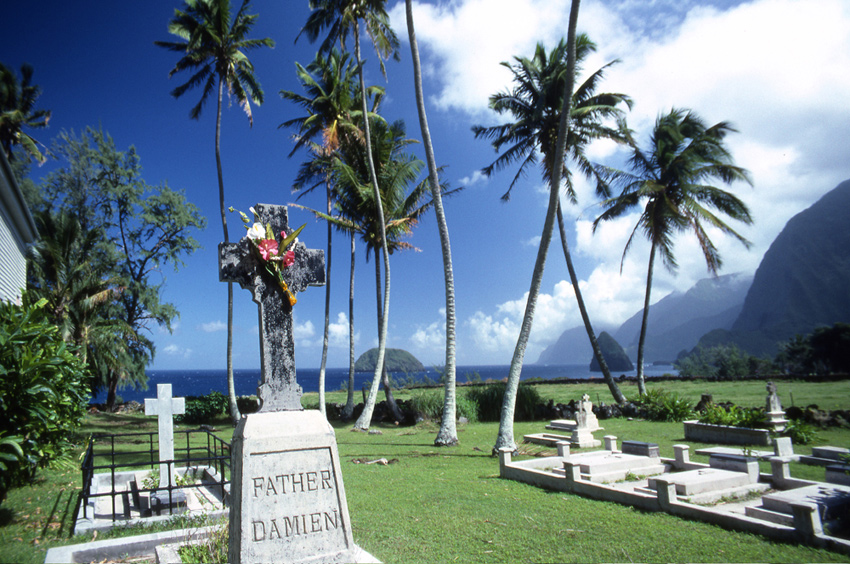
Because of its isolated location, many Hansen's disease patients including children were forced into exile at Kalaupapa, where the only person who was ready to help them was Saint Damien, a Belgian Catholic missionary priest who arrived at Kalaupapa in 1873. He selflessly served these people until he later contracted the disease himself and passed away in 1889. Of about 8,000 patients buried at the Kalaupapa Peninsula, only about 1,300 have marked graves.

As of today, the peninsula is home to 18 surviving Hansen's disease patients. Although they are free to leave since 1969, they chose to stay since the peninsula is the only home they have ever known and they have made their life and friends there.

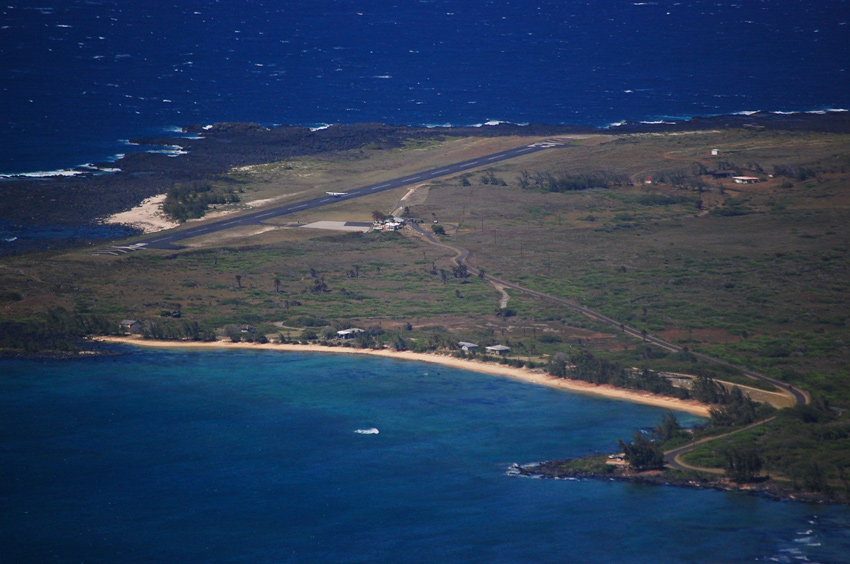
Kalaupapa is one of the most remote and inaccessible locations on Molokai. It is surrounded on three sides by high sea cliffs and fronted by the ocean. No road leads here. The only way to get to the village is with a small propeller airplane or on foot. You'll have to hike down a steep and winding path, which descends almost 2,000 feet (610 m) over 3 miles (4.8 km) and 26 switchbacks, so people who would like to visit the peninsula should be in good physical condition. Alternatively, you can take a mule tour and ride down on one of these sure-footed animals.

Children under 16 years of age are not allowed to visit the village. Also, people who wish to visit are required by state law to have a permit before visiting the park, so it is best to book a tour with a local tour guide.

The National Park Service and the Hawaii State Department of Health share joint management of the Kalaupapa National Historical Park.

Visitor Reviews

Reviews and Ratings

5.0

Rated 5.0 out of 5 based on 1 rated visitor review, plus 1 unrated comment.

Add Your Review
Your rating

Reviews are checked before they appear on the site. If a rating is not selected, the comment will not affect the average rating.

Bart Aronoff

Fri May 04, 2012

The restriction against children under the age of 16 (except those who are relatives of patients) is not because the settlement is a former leprosy settlement. Rather, it is to preserve peace and tranquility, in accordance with the will of the residents.

Pam Wexler Hillman

Mon Oct 31, 2011

This was the most beautiful and unusual experience of the entire trip. The trail was tough...vertical but constructed with a great deal of care and expertise. The view was spectaculer so I am glad that I wasn't on the mule ride. The mules, by the way, were in good flesh. Healthy, strong animals who are obviously well cared for. The tour guide who drove us to key locations on the settlement was charming and provided memorable historical information at each site. Well worth the trip and great exercise!

Location, Access and Directions

Kalaupapa is located on Molokai's remote north shore within Kalaupapa National Historical Park. The marker is placed near the settlement area. No public road leads to Kalaupapa, and visitor access requires permits and current authorized tour arrangements.
Loading map…

Videos

Frequently Asked Questions

Where is Kalaupapa on Molokai?

Kalaupapa is on a remote peninsula on Molokai's north shore, below steep sea cliffs and within Kalaupapa National Historical Park.
What is Kalaupapa known for?

Kalaupapa is known for its Hansen's disease settlement history, patient-resident community, Saint Damien and Saint Marianne Cope legacy, sea cliffs and protected national historical park landscape.

Can visitors go to Kalaupapa?

Visitor access is restricted. Visitors need the required permits and must join an authorized tour arrangement. Current public access is limited and should be confirmed before planning.

Are children allowed to visit Kalaupapa?

Children under 16 are not allowed to visit Kalaupapa Settlement. The restriction helps protect the privacy, peace and daily life of the remaining residents.

Can visitors hike or ride mules to Kalaupapa?

Do not assume trail or mule access is available. Current visitor travel is limited and access rules can change, so check official park guidance and tour details before planning.