
Kalaupapa National Historical Park, Molokai
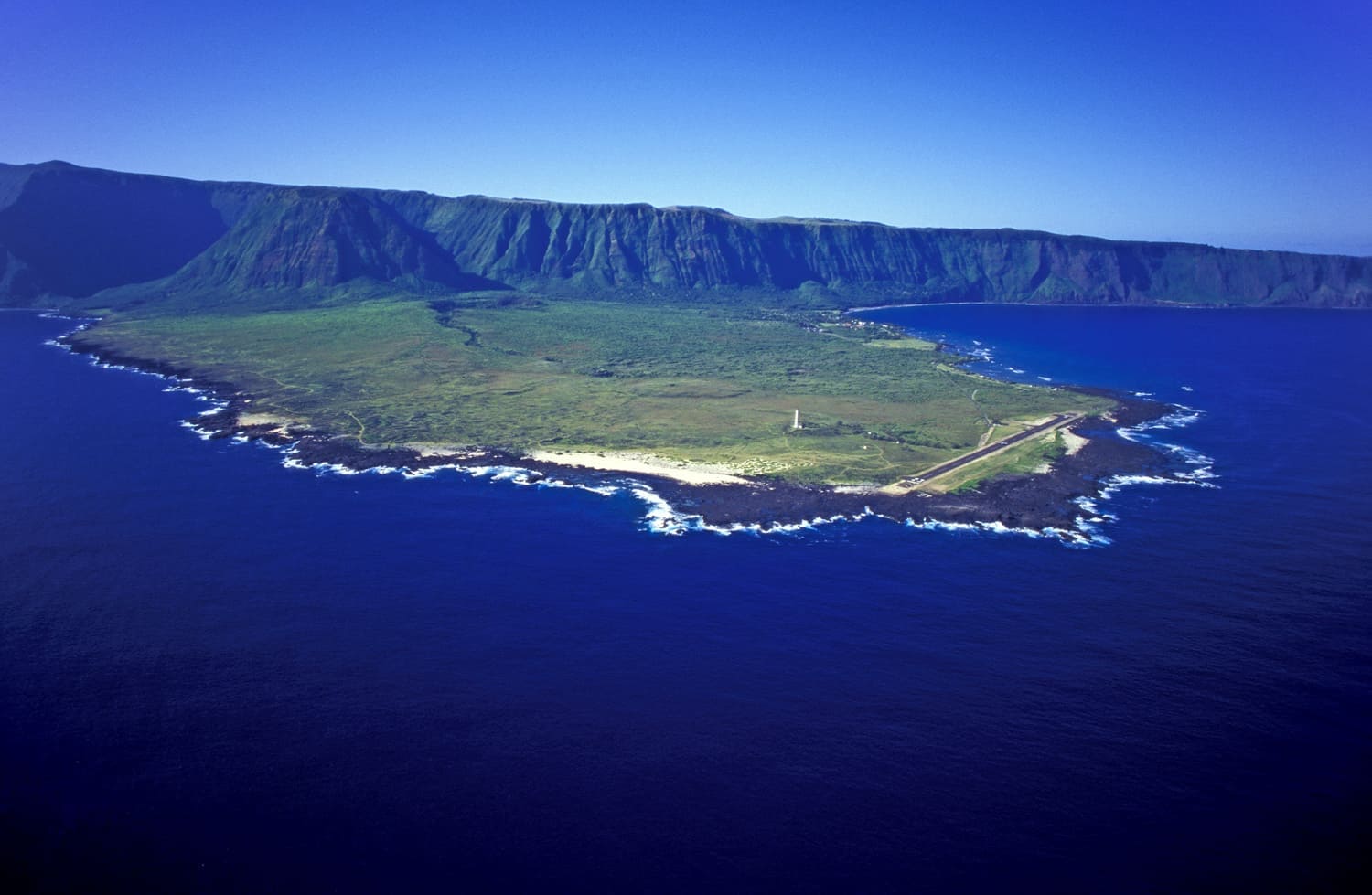
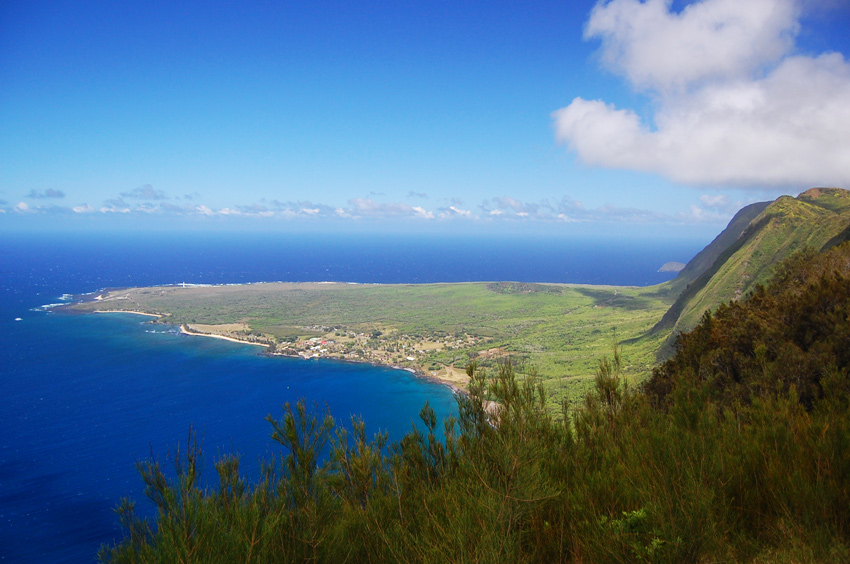
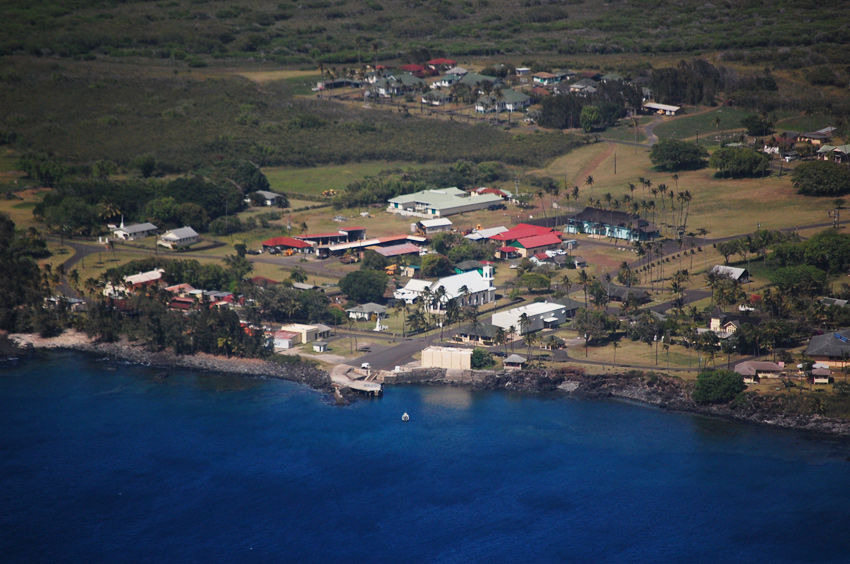
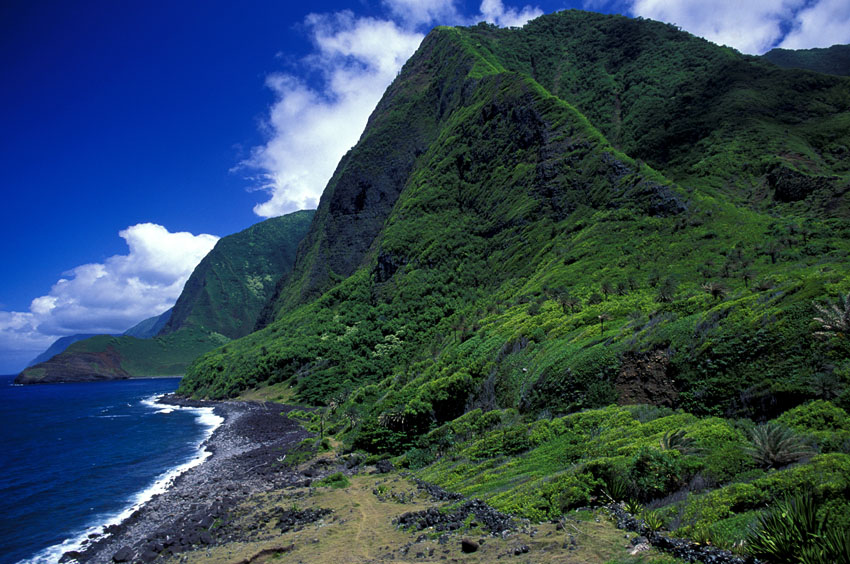
The Kalaupapa National Historical Park is a portal to a number of historic sites on Molokai, such as the Kalawao Coast and the Kalaupapa Peninsula. Kalaupapa is the location of the former leprosy settlement on the island. Between 1866 and 1969, those who contracted leprosy, now known as Hansen's disease, were forced into exile on these five square miles (12.9 sq. km) of windswept land on Molokai's remote north shore.
In the 19th century, infected people were so feared and avoided that when the boat that brought them here from the neighboring island of Oahu sailed past the peninsula, they were often forced overboard right into the turbulent waves. Many of the patients drowned before reaching the shore. And even those who made it to shore, they were given almost no medicine or supplies, not even materials to build a shelter. Kalaupapa became a miserable destiny for those brought here. Many died in those first years and were buried in unmarked cemeteries along the shore. Of about 8,000 patients buried at Kalaupapa, only about 1,300 have marked graves.
In 1873, Saint Damien de Veuster, a Belgian missionary priest of the Congregation of the Sacred Hearts of Jesus and Mary, arrived at Kalaupapa. He became a gift from God for the Kalaupapa patients. He helped build churches and homes and served as a doctor, farmer, carpenter, legal advocate and much more. He selflessly cared for the patients and had close contact with them, even though he knew the disease is contagious. He gave his patients love and hope. He later contracted the disease himself and passed away in 1889.
Kalaupapa is a rather solemn place to visit, to pray and to learn about an important part of Hawaiian history. The peninsula remains a living community as well as a place of memory. Park staff and state employees help care for the settlement, historic sites and remaining residents.
The state operates a kitchen there and pays for all living expenses for the residents, such as food, housing and medical care. There is a small store for patients only. If a patient wants to buy something that's not available there, he or she has to order it by mail. A barge arrives once a year to bring large supplies like trucks, oil, gas and alcohol. Barge day is a major annual event. Otherwise, small supplies and mail are flown in by air. The patients who live on this remote peninsula hardly ever leave. Of course, they are free to leave anytime, but patients choose to stay since it is the only home they know.
The only visitors allowed in the park are those who are over the age of sixteen. Because Kalaupapa is a settlement of Hansen's disease patients, visitors are required by state law to have a permit before visiting the park. The National Park Service and the Hawaii State Department of Health share joint management of the park.
The park's historical features, however, are not the only points of interest. The Kalaupapa National Historical Park has a rich composition of flora and fauna. The park likewise serves as a safe habitat for endangered species in Hawaii.
Key Features
Kalaupapa National Historical Park
Reviews
Reviews and Ratings
Visitor rating
1 rated review
Been here? Share your experience
Visitor experiences
Newest firstLinda Harkness
Sun Mar 20, 2011
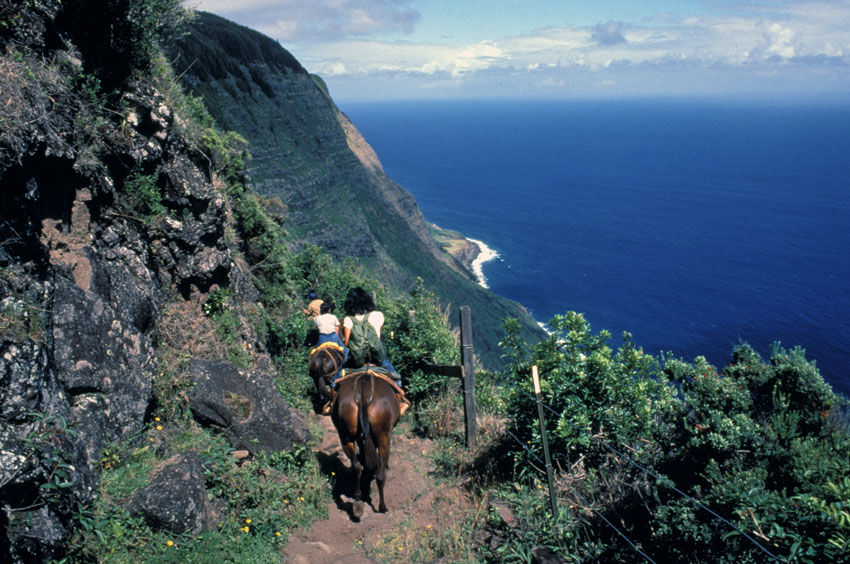
The mule ride to Kalaupapa was the highlight of our trip. It was pricy but I woud do it again tomorrow. I can't explain how beautiful it is to ride down the trail along the ocean. It was raining and a rainbow started right in front of us and arched into the ocean. We literally rode under it (it seemed that way anyway). The history of Kalaupapa is facinating and breaks my heart. Saint Damien truly was a saint and the people loved him. The company that takes the mules down to Kalaupapa also gives you a tour of the island and take you into churches built by Father Damien. I can't explain it but just GO!
Map
Location, Parking and Directions
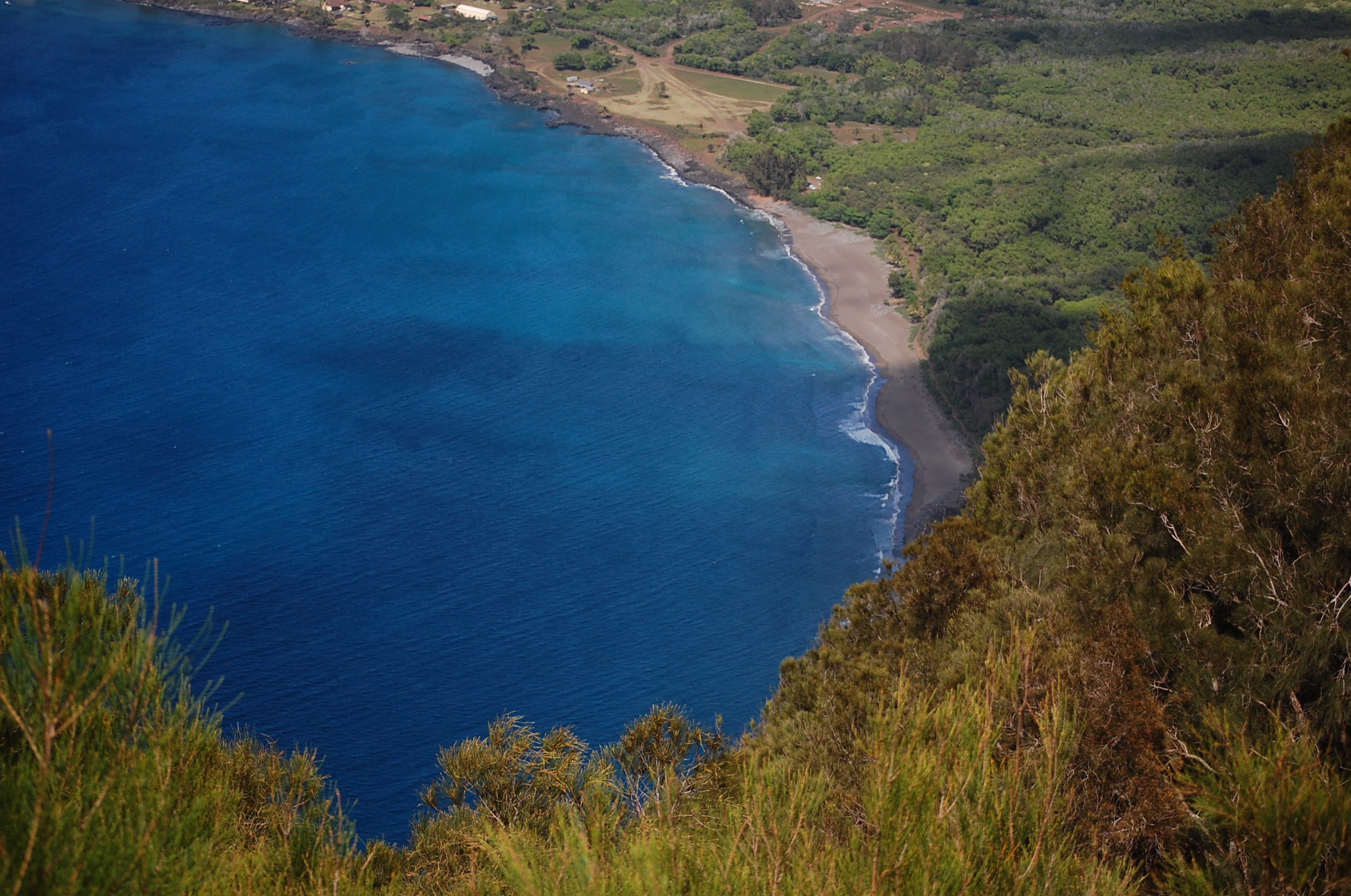
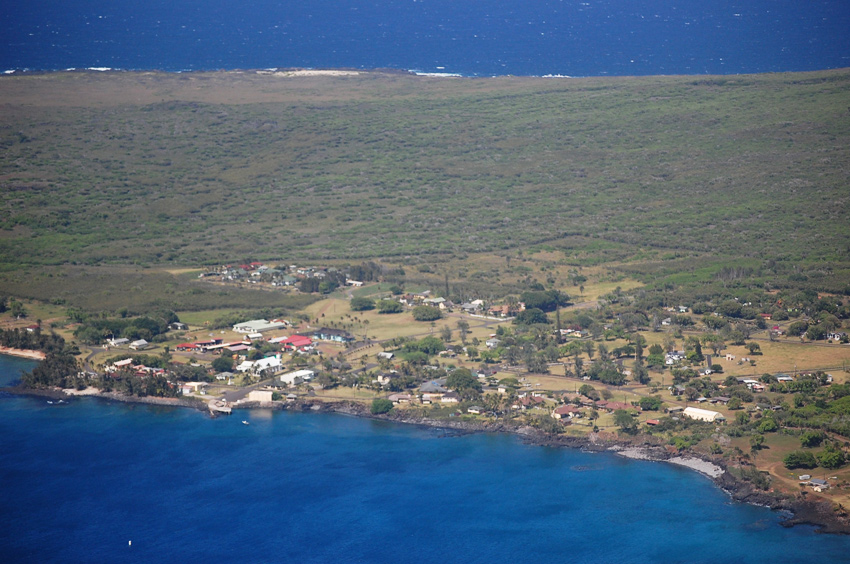
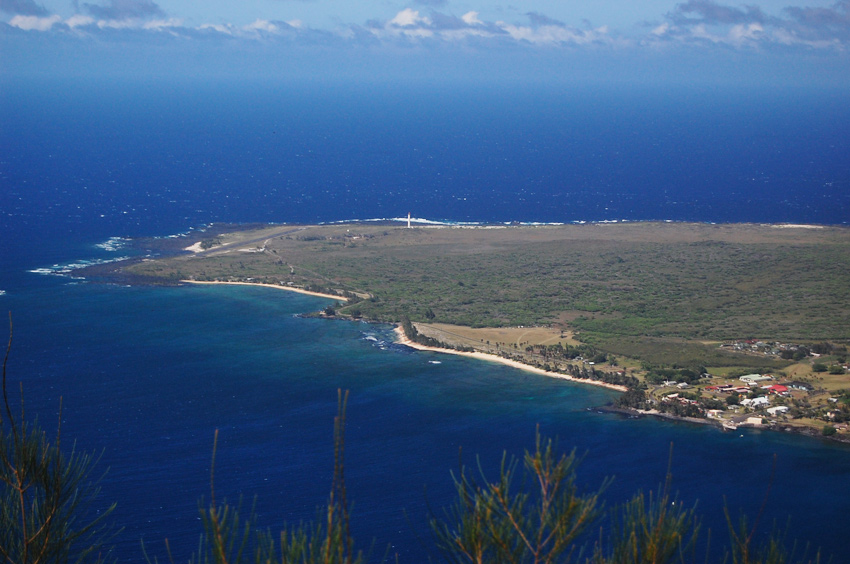
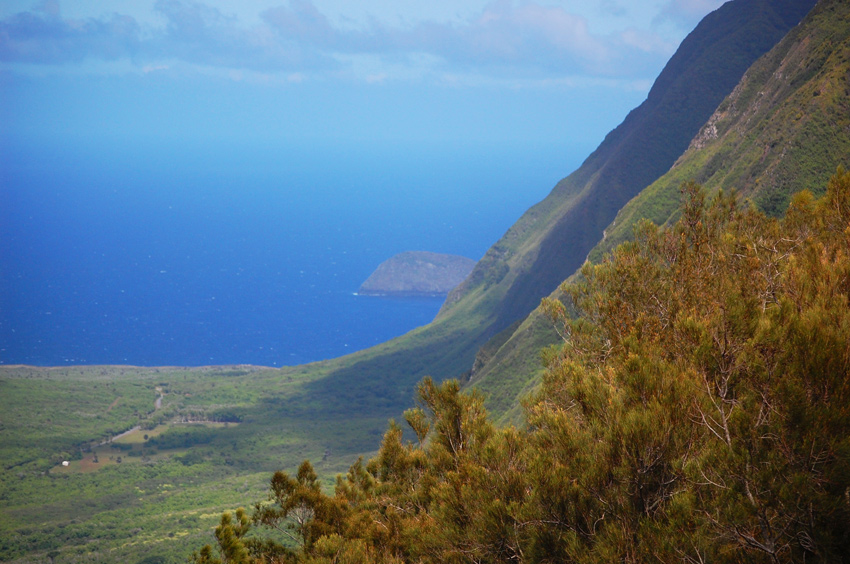
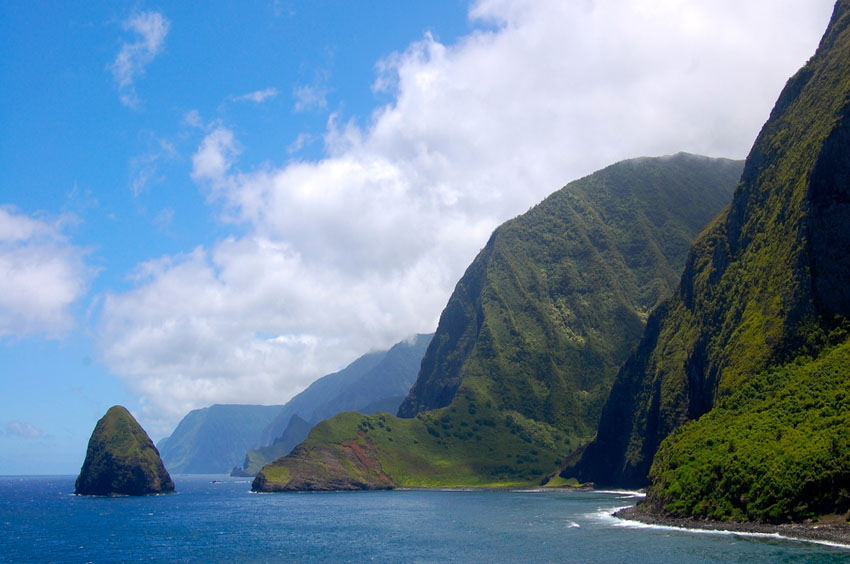
Kalaupapa National Historical Park is on the remote Kalaupapa Peninsula below Molokai's north shore sea cliffs. The settlement is cut off from topside Molokai by steep pali and ocean, and current visitor access is by approved permit and small-plane travel. The park includes Kalaupapa, Kalawao, churches, cemeteries, shoreline areas and historic settlement landscapes.
Photos
Kalaupapa National Historical Park Photos
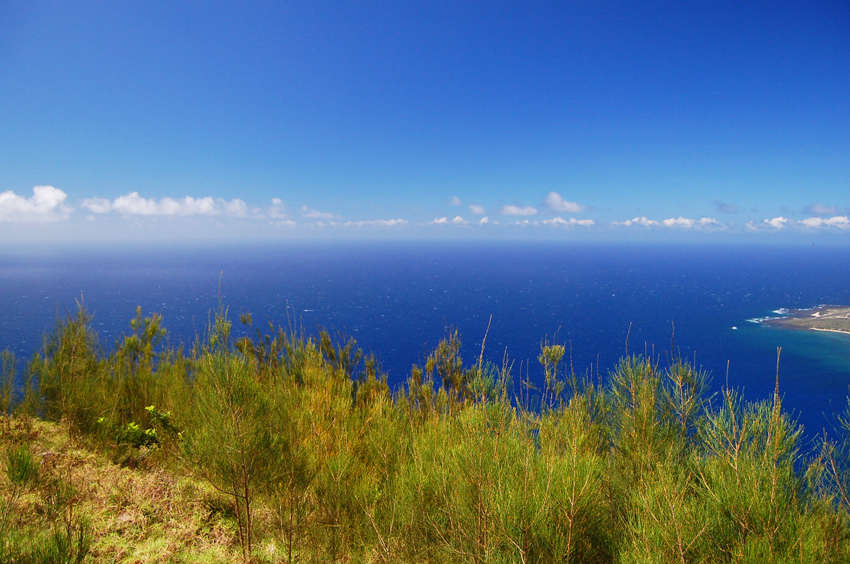
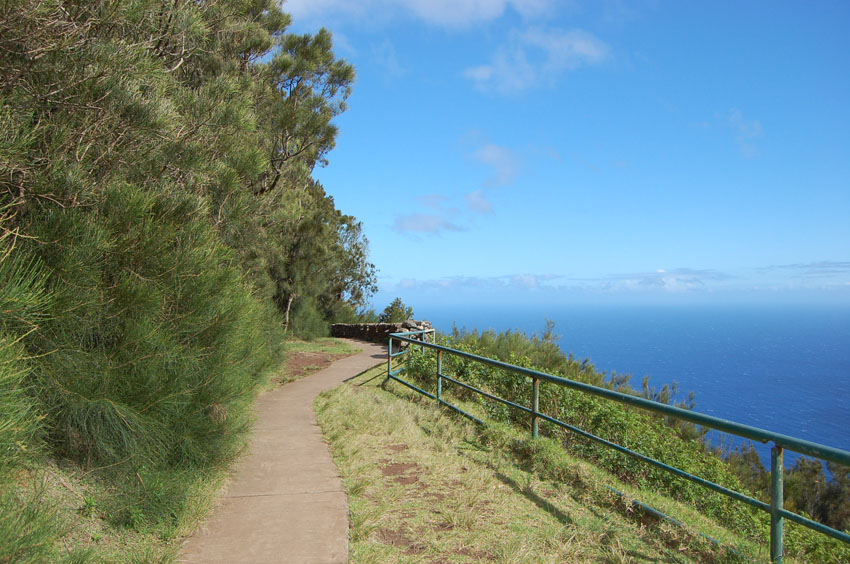
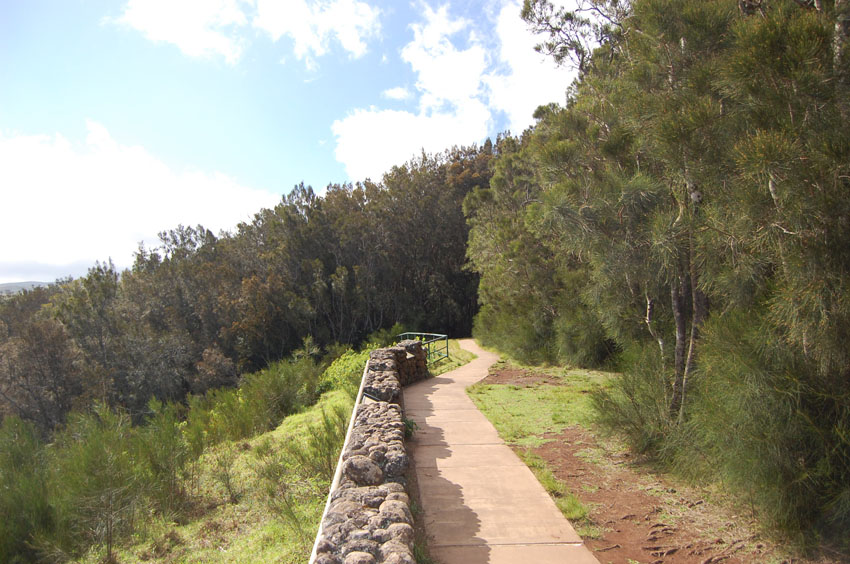
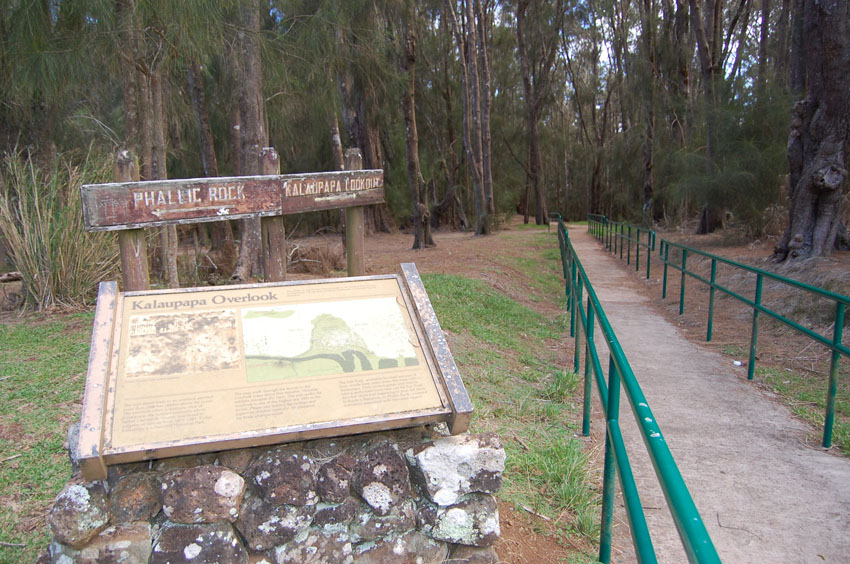
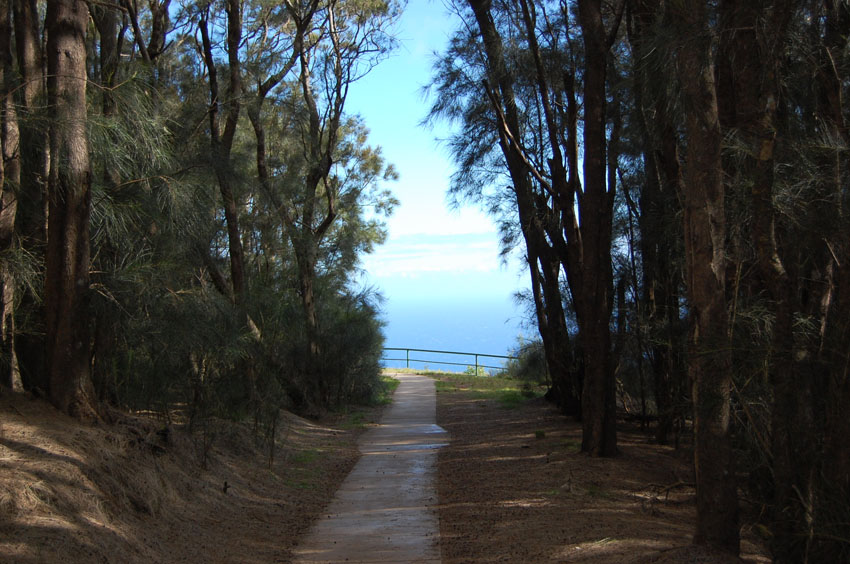
Photos show Kalaupapa National Historical Park, the remote peninsula, north shore cliffs, settlement areas, churches, cemeteries, shoreline views and historic Kalaupapa landscapes.
Video


