Hawaii Tree Guide
Hawaiian Trees
Hawaii's trees tell the story of the Islands' native forests, canoe plants, coastal landscapes and agricultural history. From koa and ohia to banyan, coconut, noni and macadamia, each tree adds beauty, shade, habitat or cultural meaning to the Hawaiian landscape.
Hawaiian Trees and Island Landscapes
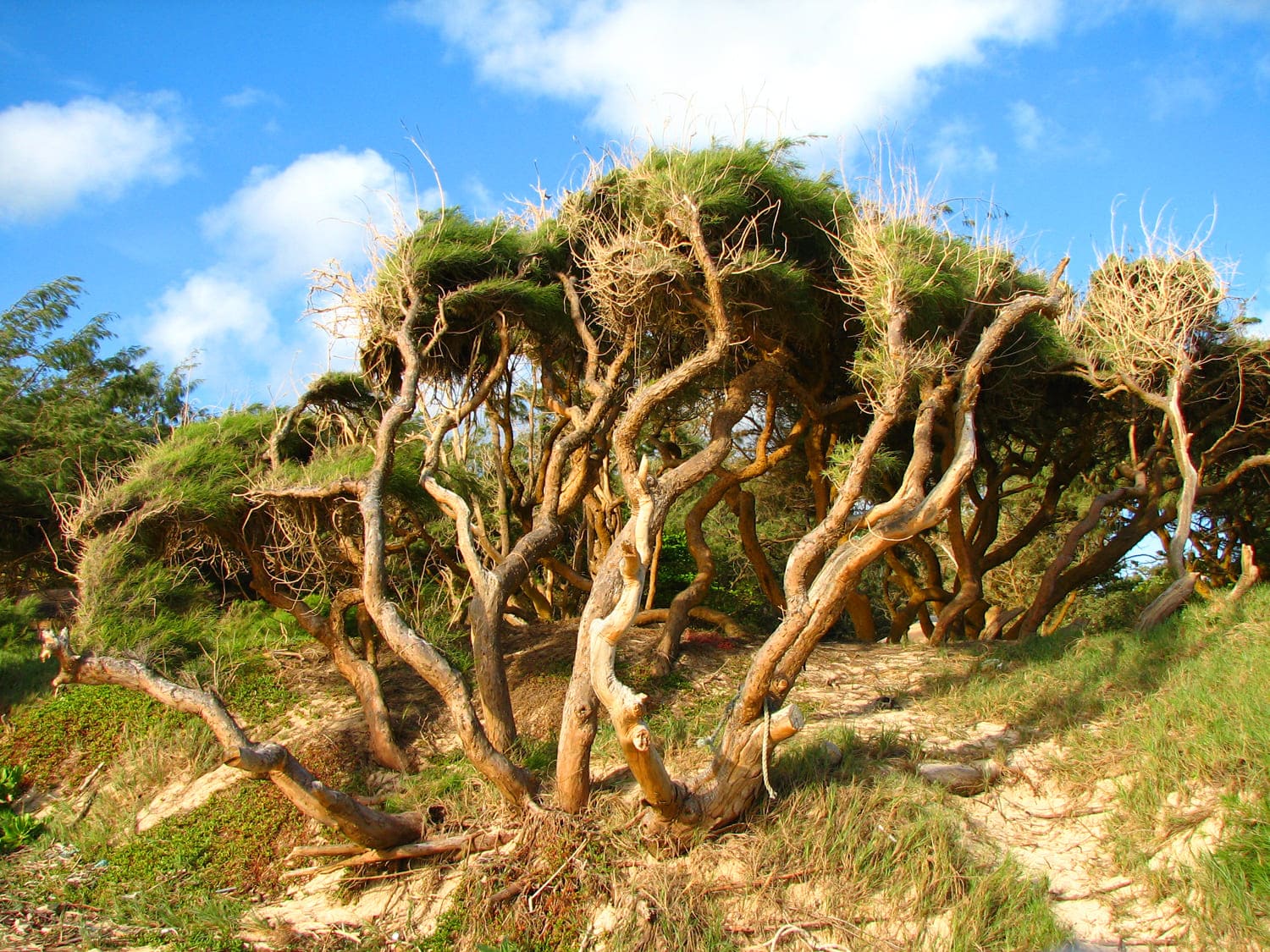
Hawaii's trees tell the story of the Islands' forests, farms, coastlines and culture. Some trees evolved only in Hawaii, while others arrived with Polynesian voyagers or later settlers. Together, they shape the scenery people see in valleys, parks, beaches, gardens and upland forests.
From native koa forests to coconut palms near the shore, trees are part of Hawaii's natural beauty and everyday life. They provide shade, food, flowers, wood, wildlife habitat and cultural meaning across the Islands.
Native Trees in Hawaii
Native Hawaiian trees are especially important because many grow nowhere else in the world. Trees such as koa, ohia lehua and loulu palms support native birds, insects and forest ecosystems. They also help protect watersheds and hold soil in place on steep slopes.
In upland forests, native trees help capture rain and cloud moisture. This water slowly moves through the land and supports streams, valleys and aquifers. As a result, healthy forests reduce erosion and protect the natural beauty of the Islands.
Canoe Plants and Useful Trees
Polynesian voyagers brought many useful plants to Hawaii by canoe. These plants helped early communities survive and thrive in a new island home. Breadfruit, coconut, noni, banana and sugarcane all became part of daily life.
These trees and plants provided food, medicine, fiber, dye, shade and building material. Their presence shows how carefully voyagers planned for island living. They carried plants that could grow well and serve many practical needs.
Trees in Hawaiian Culture
Trees have long held practical and cultural meaning in Hawaii. Ancient Hawaiians used koa wood for canoes, paddles, tools and furnishings. They used hala leaves for weaving mats, baskets, hats and roofing.
Some trees also appear in Hawaiian chants, stories and traditions. They can symbolize strength, protection, family, abundance and connection to the land. For many Hawaiian trees, the story goes far beyond appearance.
Introduced Tropical Trees
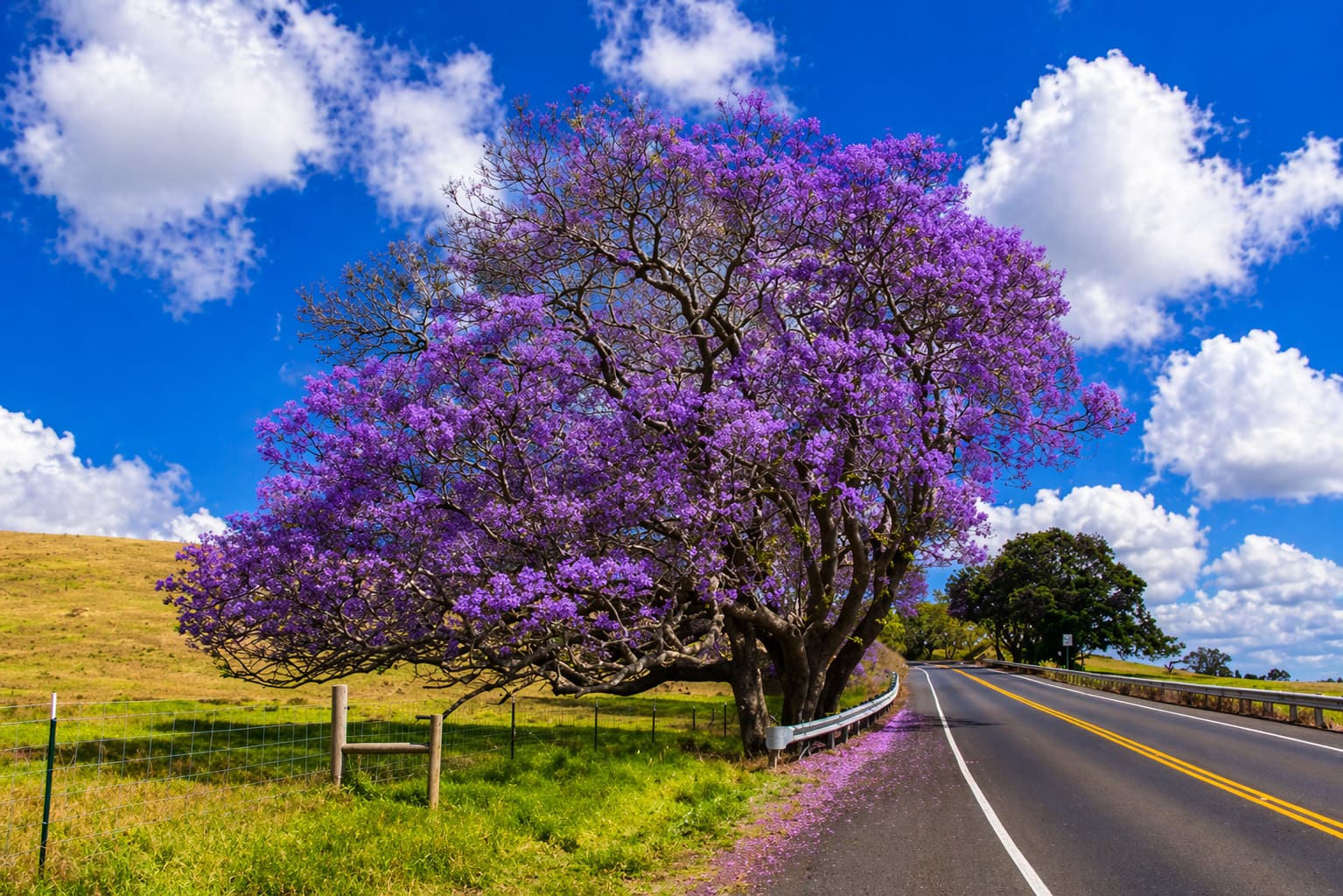
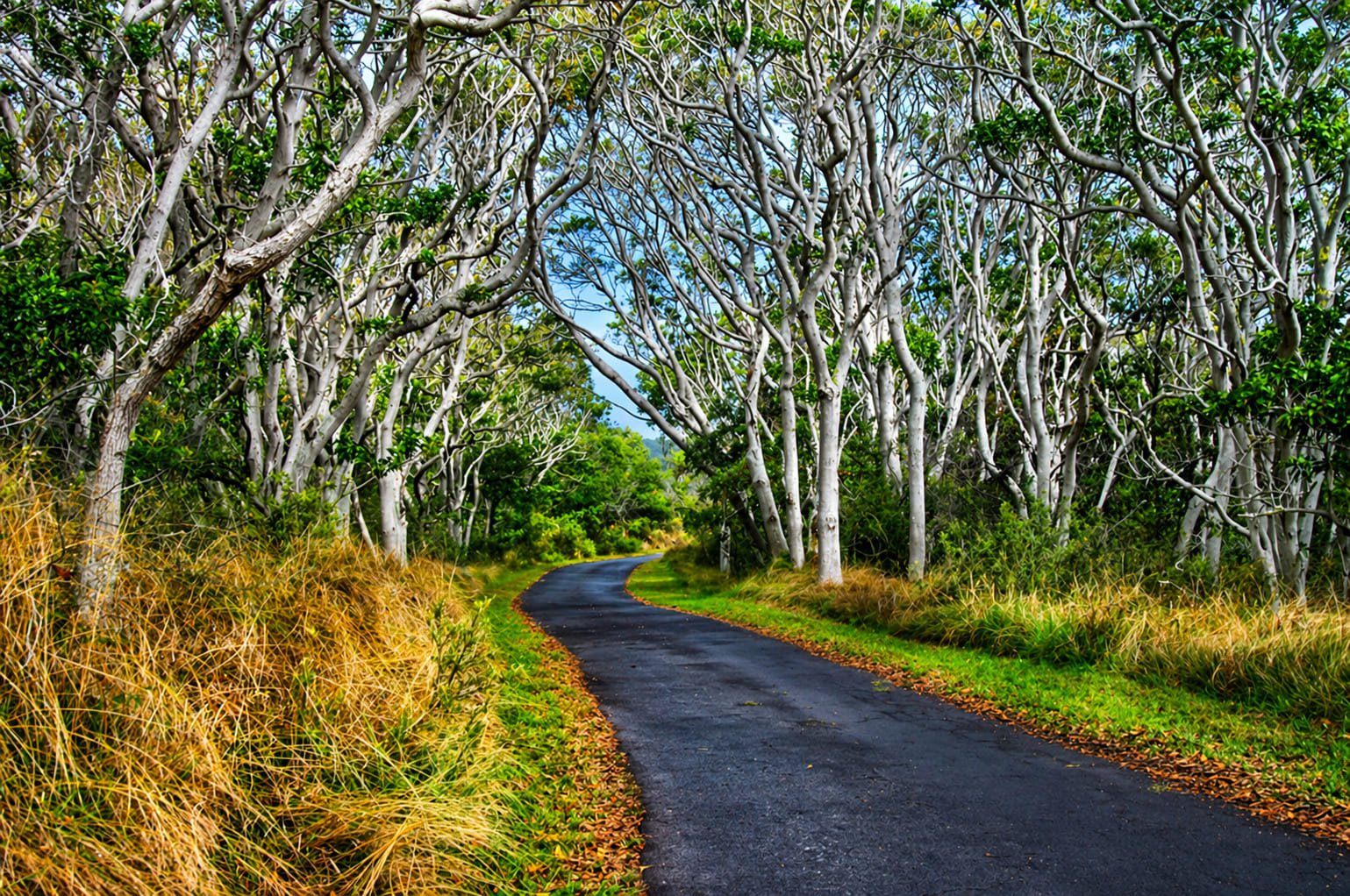
Many introduced trees now help define Hawaii's modern landscape. Banyan trees create huge canopies and maze-like aerial roots. Jacaranda trees bring lavender-blue flowers to upland areas in spring. Rainbow eucalyptus trees stand out with colorful peeling bark.
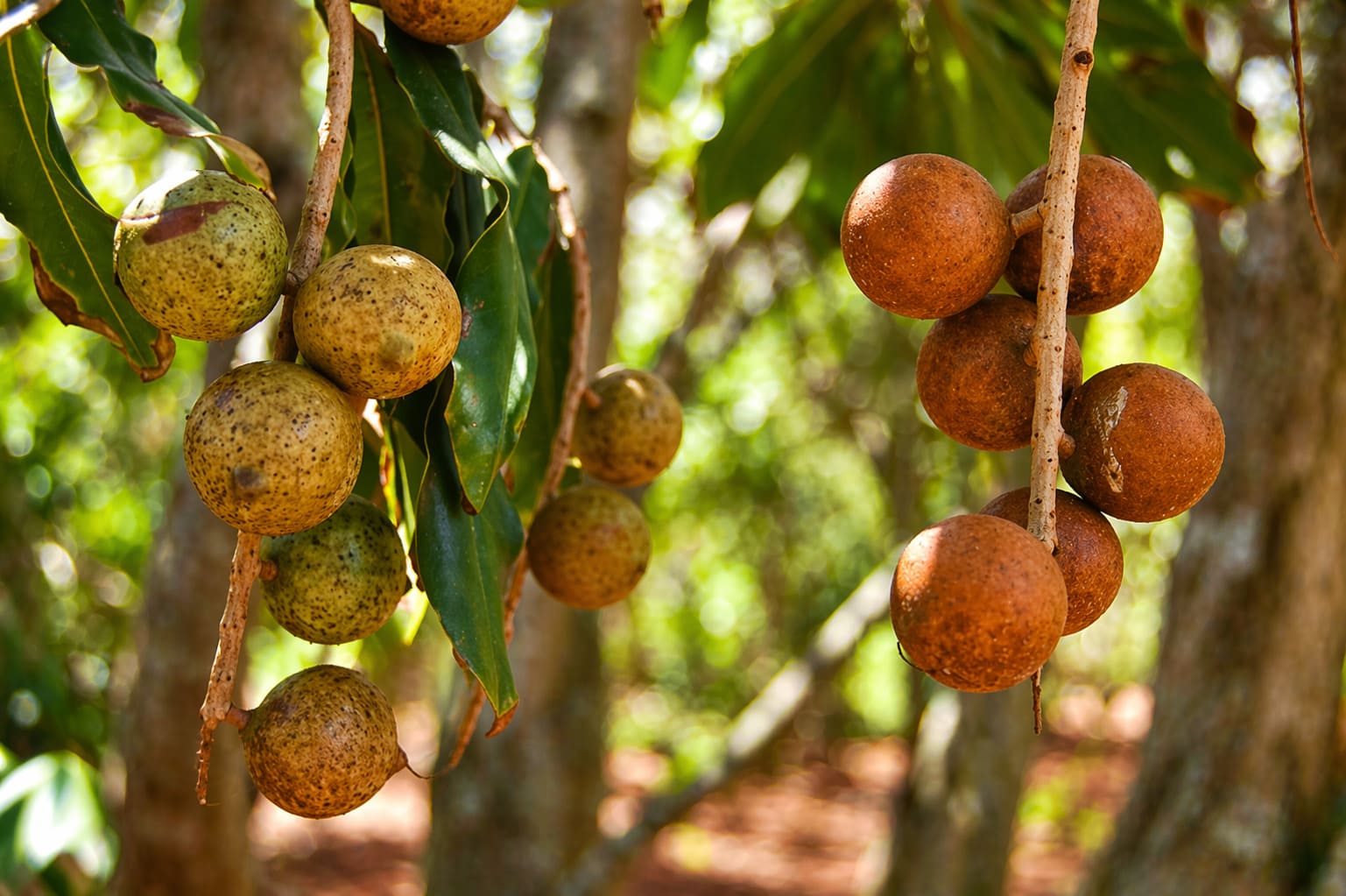
Other introduced trees became important food or farm plants. Macadamia trees, originally from Australia, became a major part of Hawaii's agricultural identity. Papaya, mango and almond trees also add fruit, shade and interest to local gardens.
Notable Trees Across the Islands
The noni tree is known for its traditional healing and dye uses. The banyan tree impresses visitors with massive branches and many trunks. The koa tree is prized for strong reddish-brown wood. Meanwhile, the coconut tree remains one of the most useful canoe plants.
Other memorable trees include breadfruit, hala, royal poinciana, monkeypod, plumeria and ohia lehua. Some stand out for flowers. Others are known for fruit, bark, leaves, fragrance, shade or cultural history.
Where to See Hawaii Trees
Visitors can see many tree species by walking through botanical gardens, coastal parks and historic towns. Native trees appear in forest reserves and upland trails. Fruit and ornamental trees are common in gardens, farms and neighborhoods.
Each island has different growing zones. A dry coastal area may look very different from a wet valley or cool mountain slope. Because of this variety, Hawaii's tree life is especially interesting to explore.
About This Hawaii Trees Guide
This guide covers native trees, canoe plants, tropical fruit trees and ornamental species found throughout the Islands. Each profile explains the tree's appearance, origin, habitat, uses and cultural meaning.
Use this section to identify familiar Hawaii trees and understand why they matter. From native forests to beach parks and backyard gardens, trees remain an essential part of Hawaii's natural and cultural landscape.
Guide Directory
Explore Hawaiian Trees
Browse related topics in this Hawaiian Trees guide.
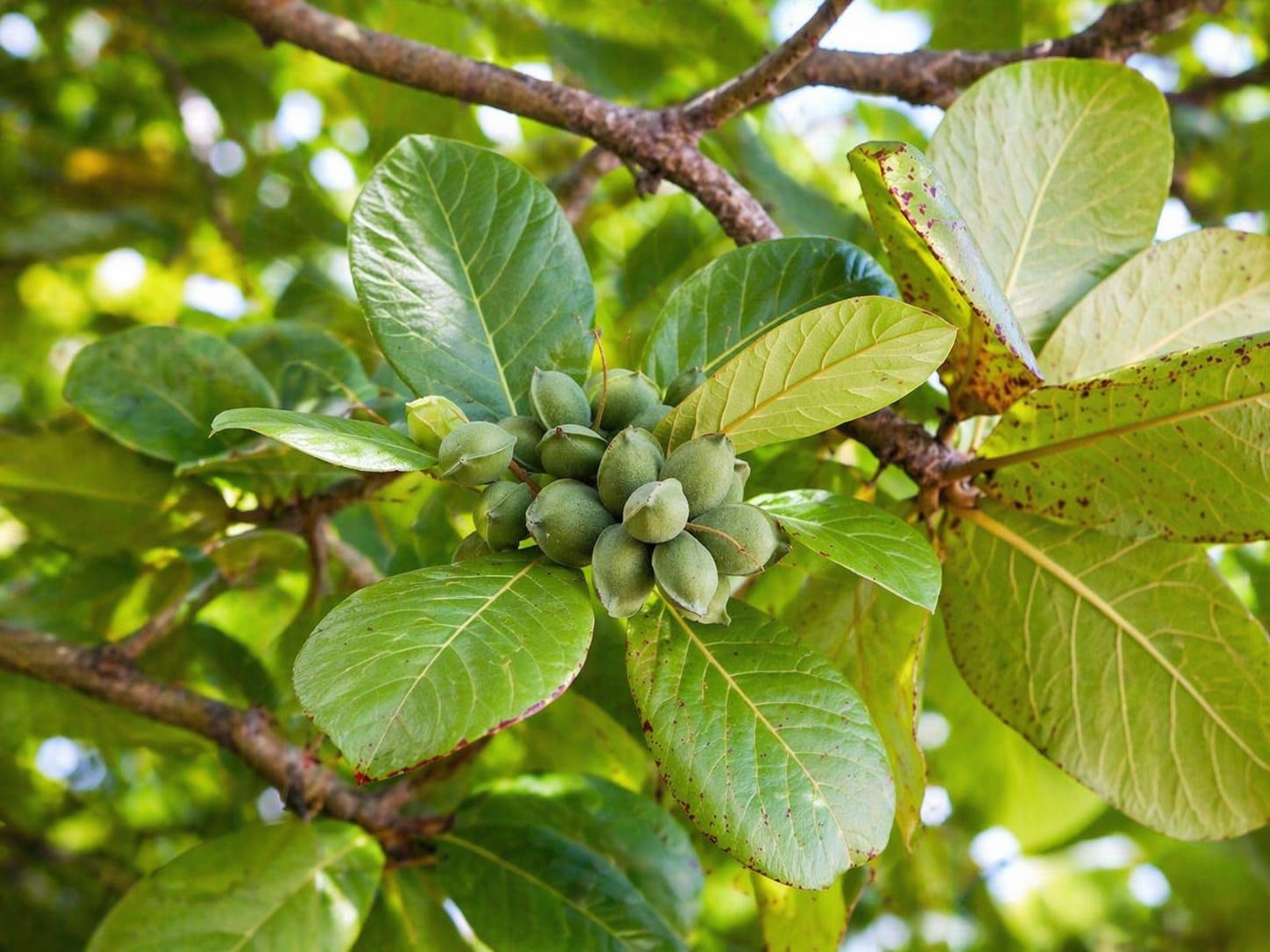
Almond Tree
Almond is a small tree that grows to a height of up to 33 feet (10 m). Its trunk is about 12 inches (30 cm) in diameter. The tree's twigs are...
View guide
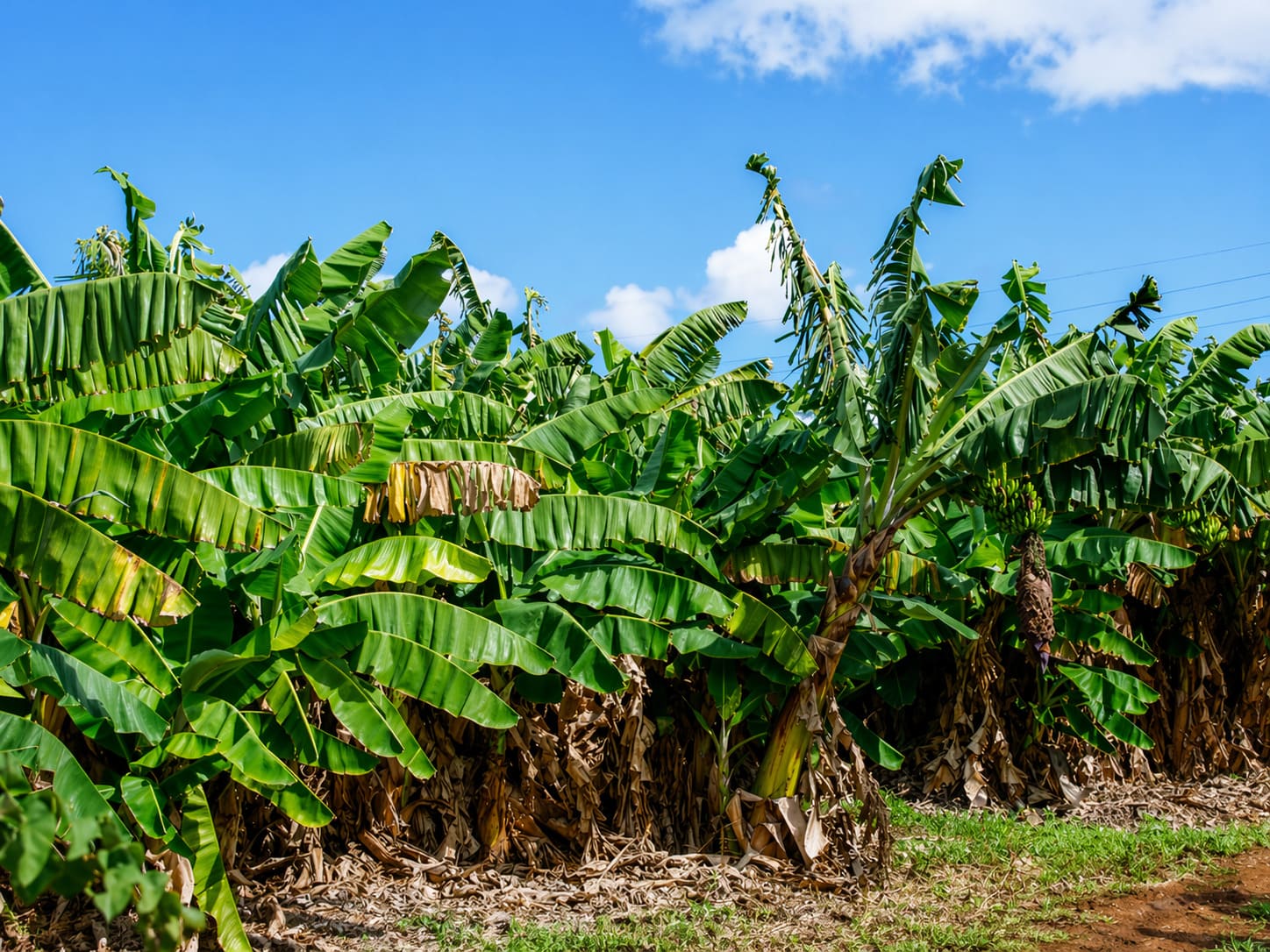
Banana Tree
The banana tree is one of the most popular food plants of the tropics. The ancient Hawaiians developed 70 varieties of banana. Even though it is listed here in the tree...
View guide
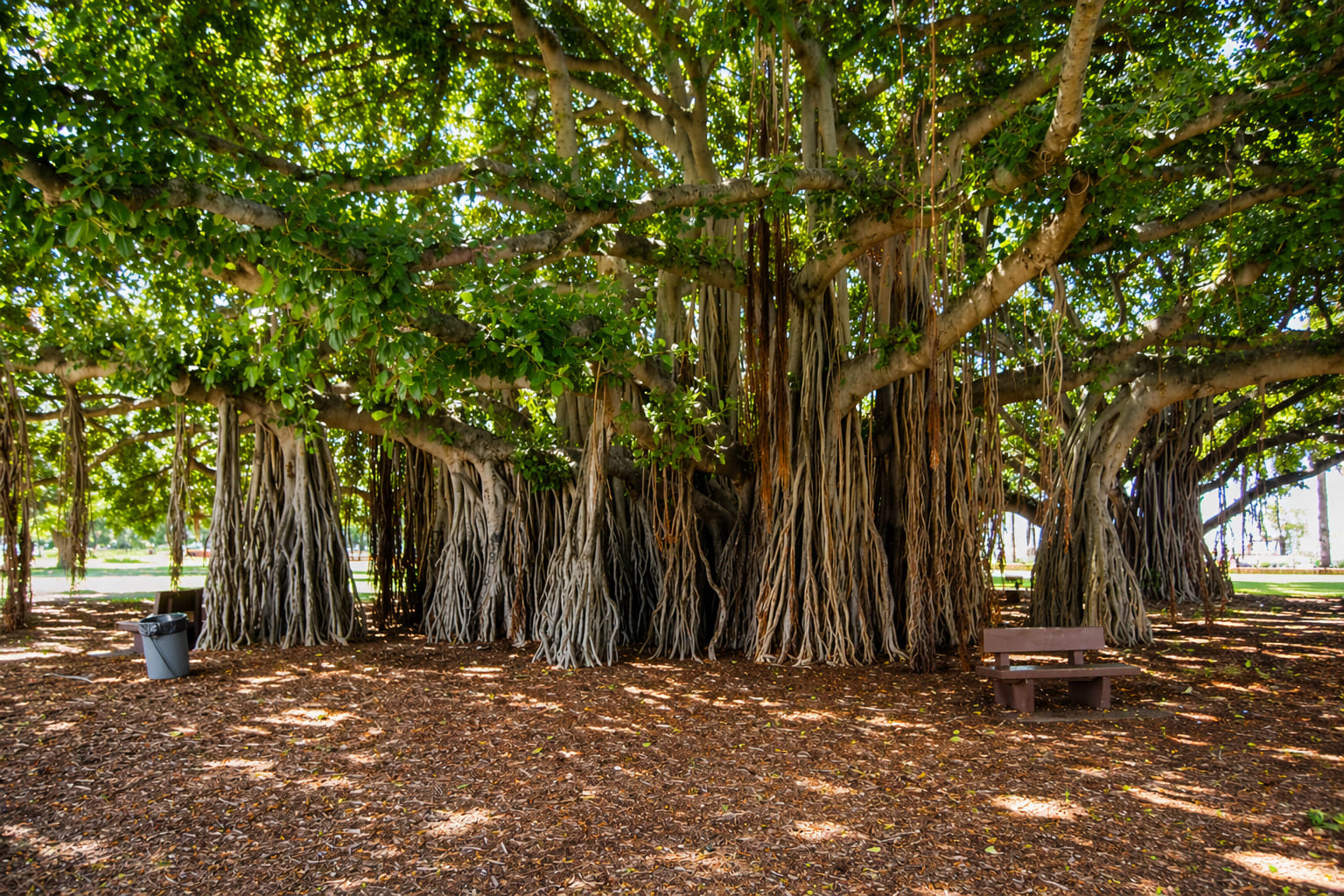
Banyan Tree
Banyan trees can be seen all over the Hawaiian Islands. People who see these trees for the first time often gaze at them in awe. Some banyan tree species can be...
View guide
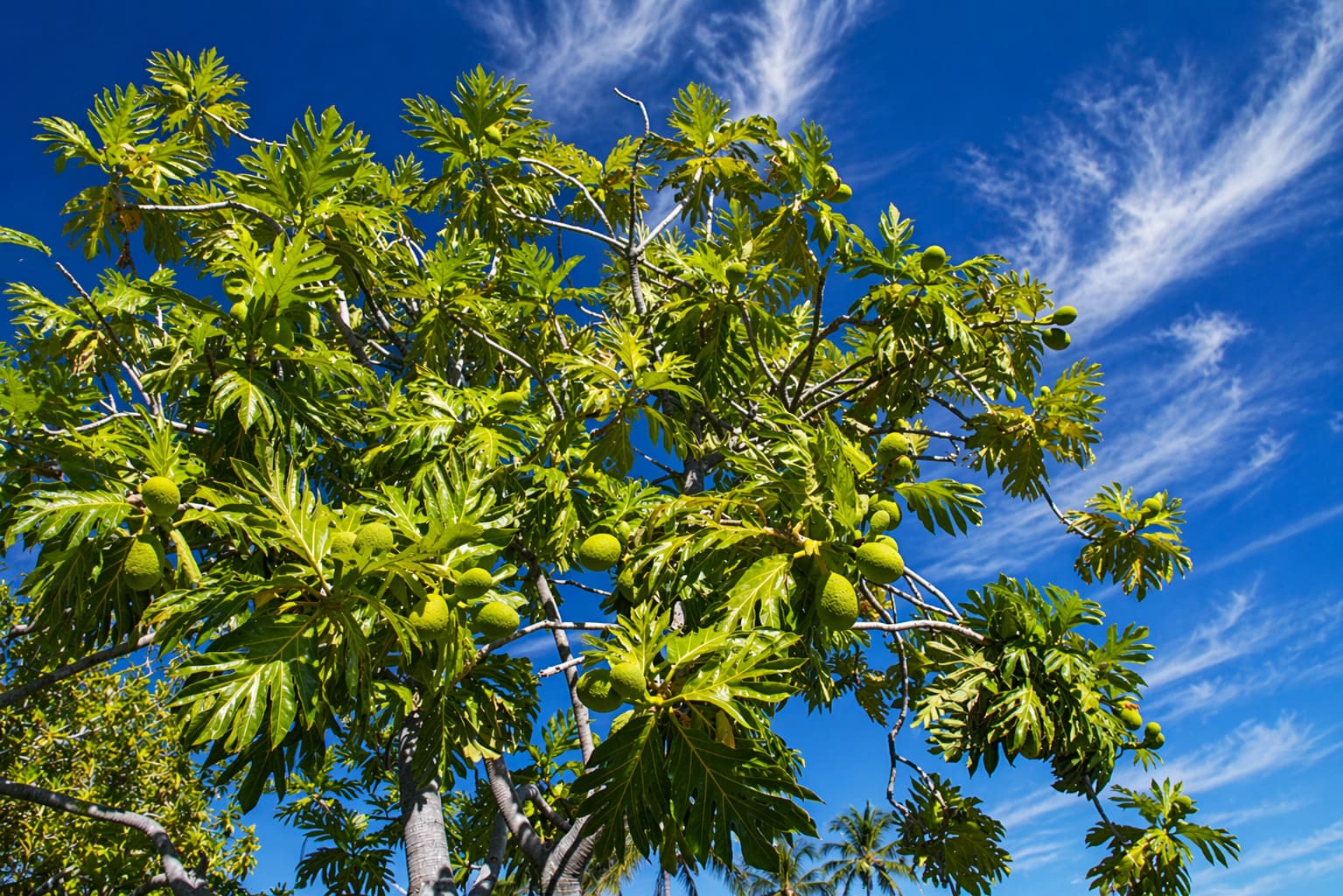
Breadfruit Tree
The breatfruit tree has big green leaves up to 2 feet (61 cm) long. Polynesians on voyaging canoes brought this tree to Hawaii because of its fruit, which can be boiled...
View guide
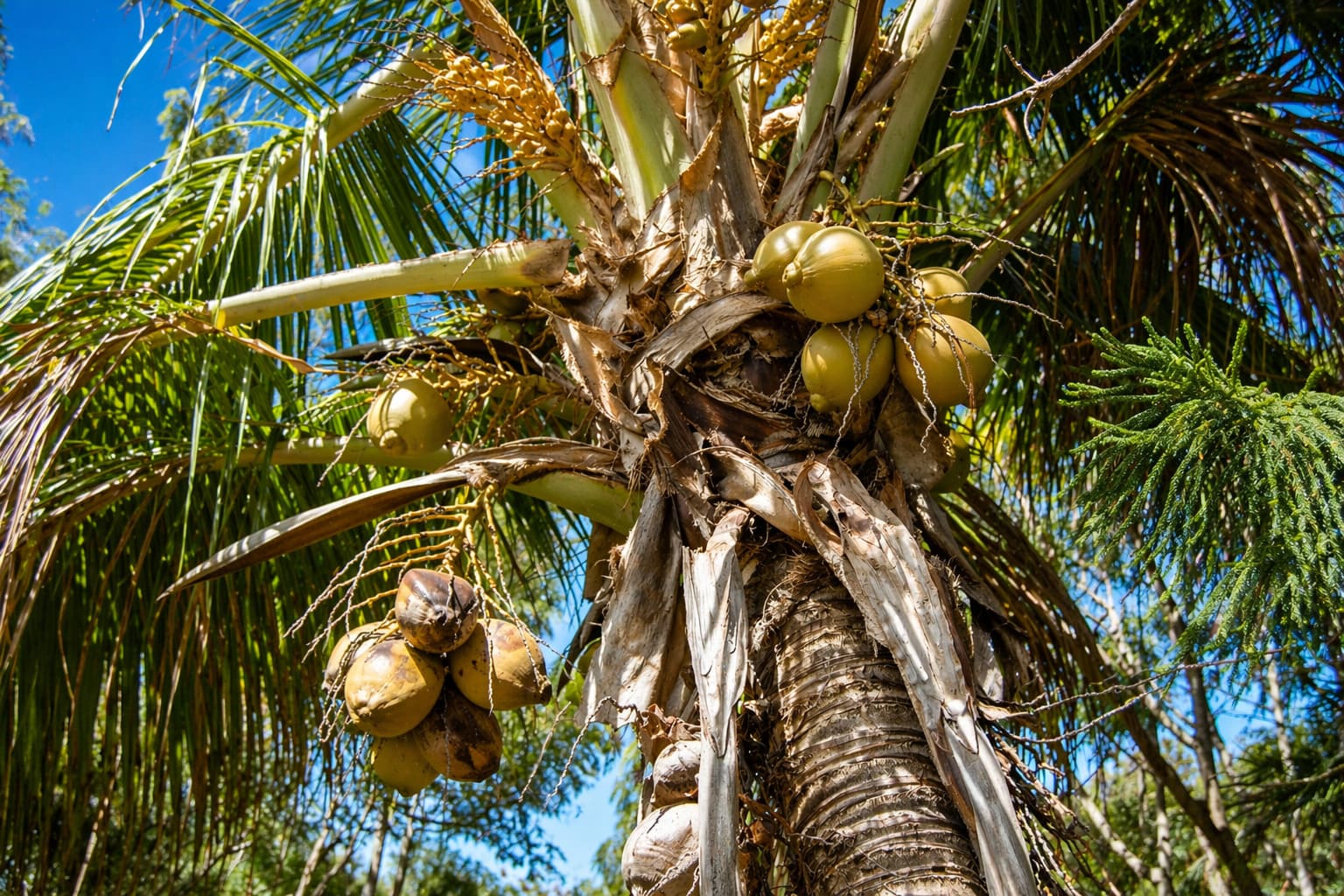
Coconut Tree
There are dozens of coconut palm tree species of Hawaii. All but one, the loulu (genus Pritchardia), were brought here by humans. About 19 types of loulu exist in the Islands,...
View guide
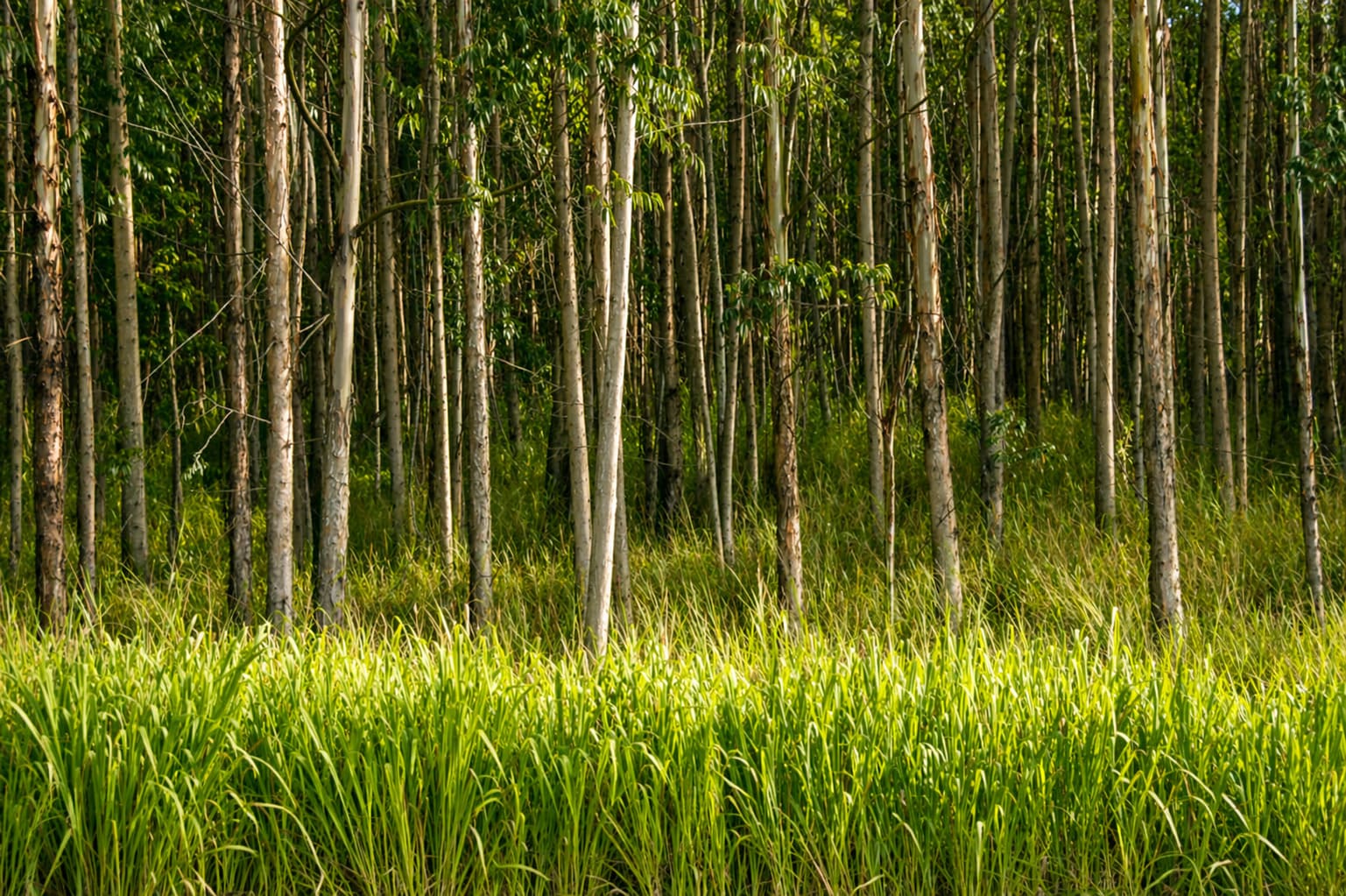
Eucalyptus Tree
More than 90 eucalyptus tree species have been introduced to Hawaii. Native to mainly Australia, eucalyptus trees grow fast and can reach heights of up to 300 feet (91 m), making...
View guide
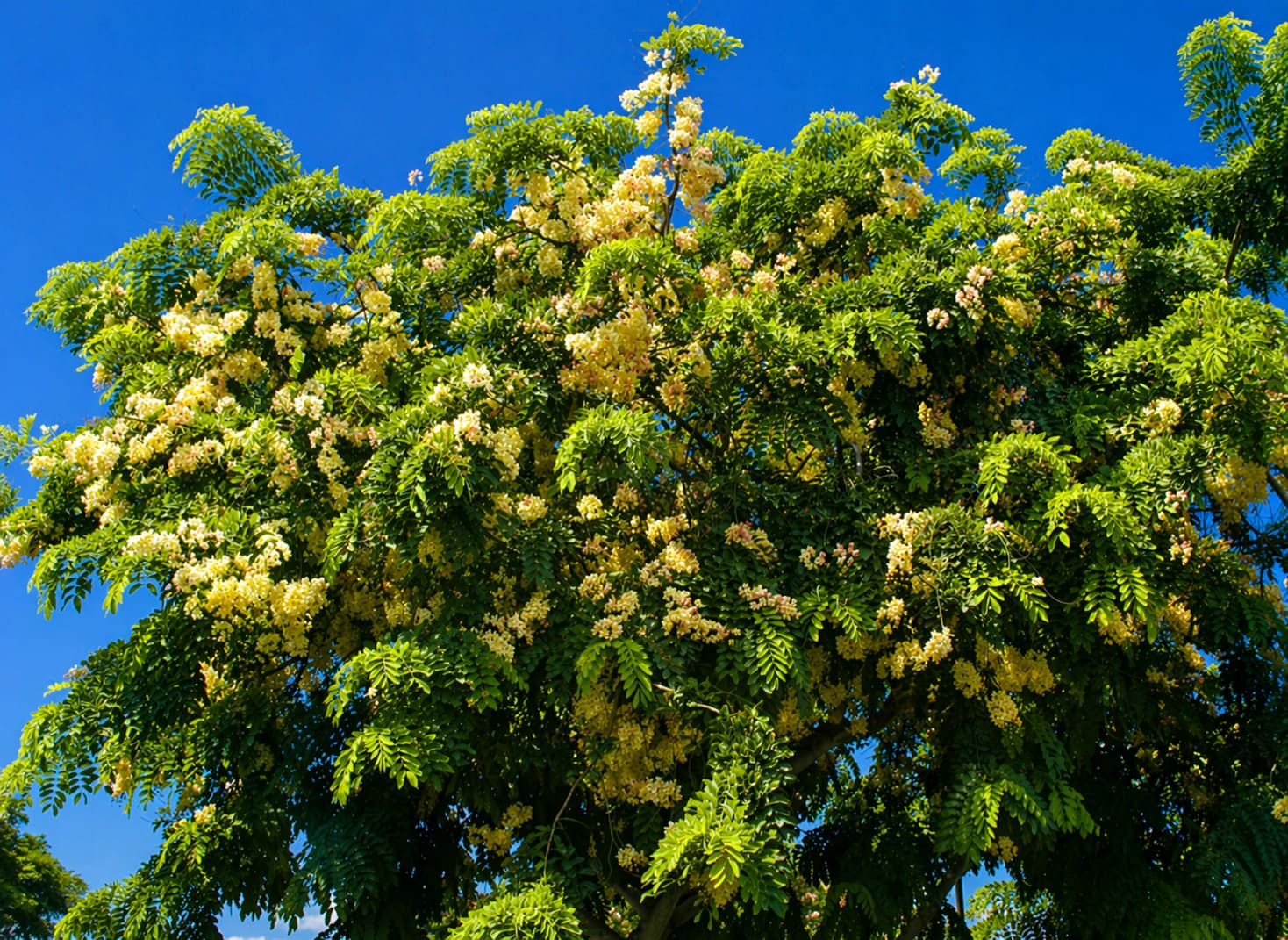
Golden Shower Tree
Native to southern Asia, the golden shower tree grows fast and up to 33-66 feet (10-20 m) tall. When in bloom its yellow flowers are a pretty sight and the...
View guide
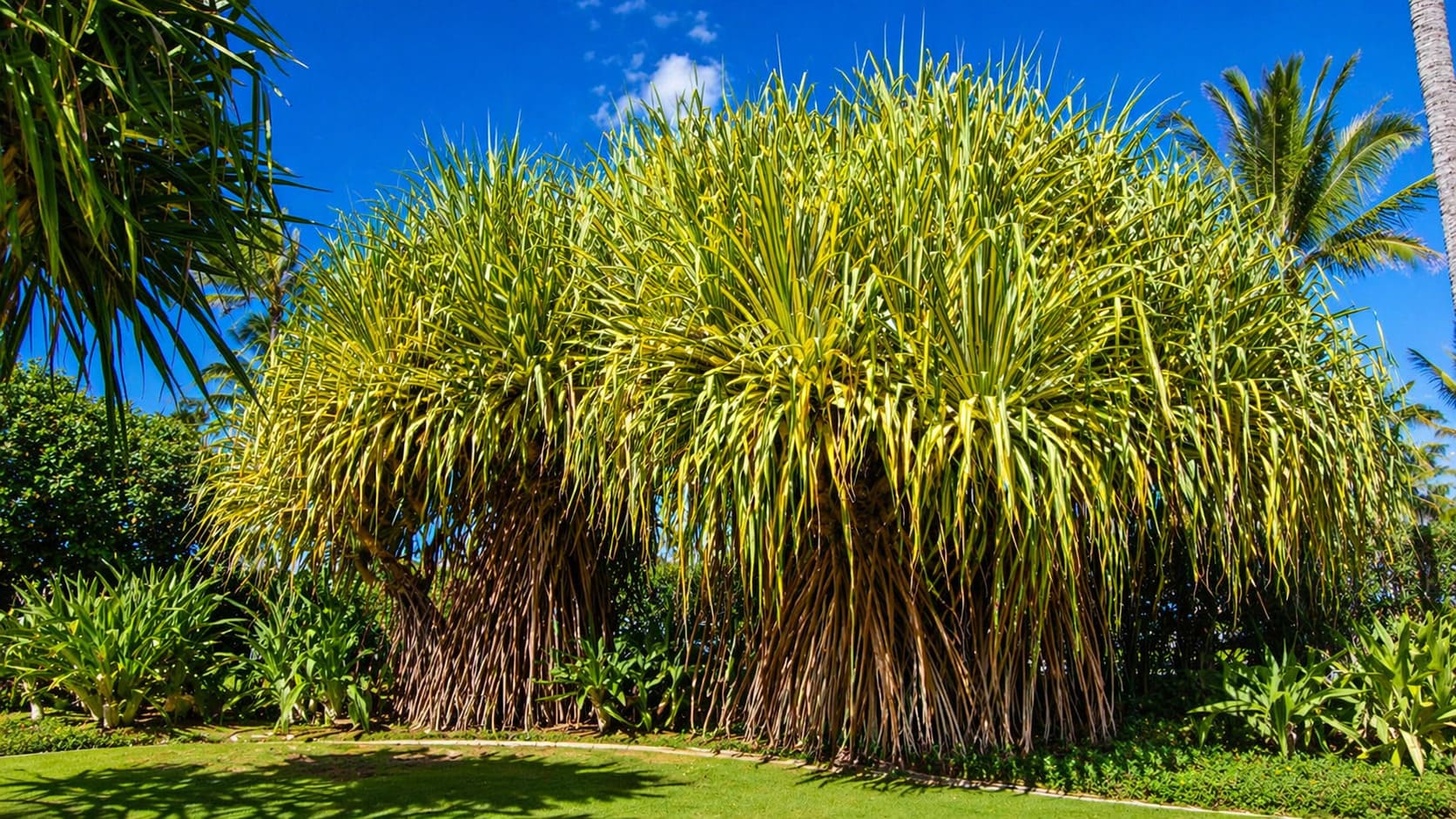
Hala Tree
The hala tree is also referred to as screwpine and grows from sea level up to an elevation of 2,000 feet (610 m). It is a common sight in Hawaii's coastal...
View guide
Jacaranda Tree
Native to South America, the jacaranda tree was introduced to Hawaii around 1900. Jacaranda trees are a beautiful sight each year in the spring when they are in full bloom. The...
View guide
Koa Tree
The koa is Hawaii's most common native tree. It is also a common sight in landscaped gardens. Koa trees grow fast and can reach heights of 100 feet (30 m). The...
View guide
Macadamia Tree
Native to Australia, the macadamia nut tree was first introduced to Hawaii in 1890. The tree has thin leaves that have sharp, tooth-like edges. Macadamia nuts are very hard and dense,...
View guide
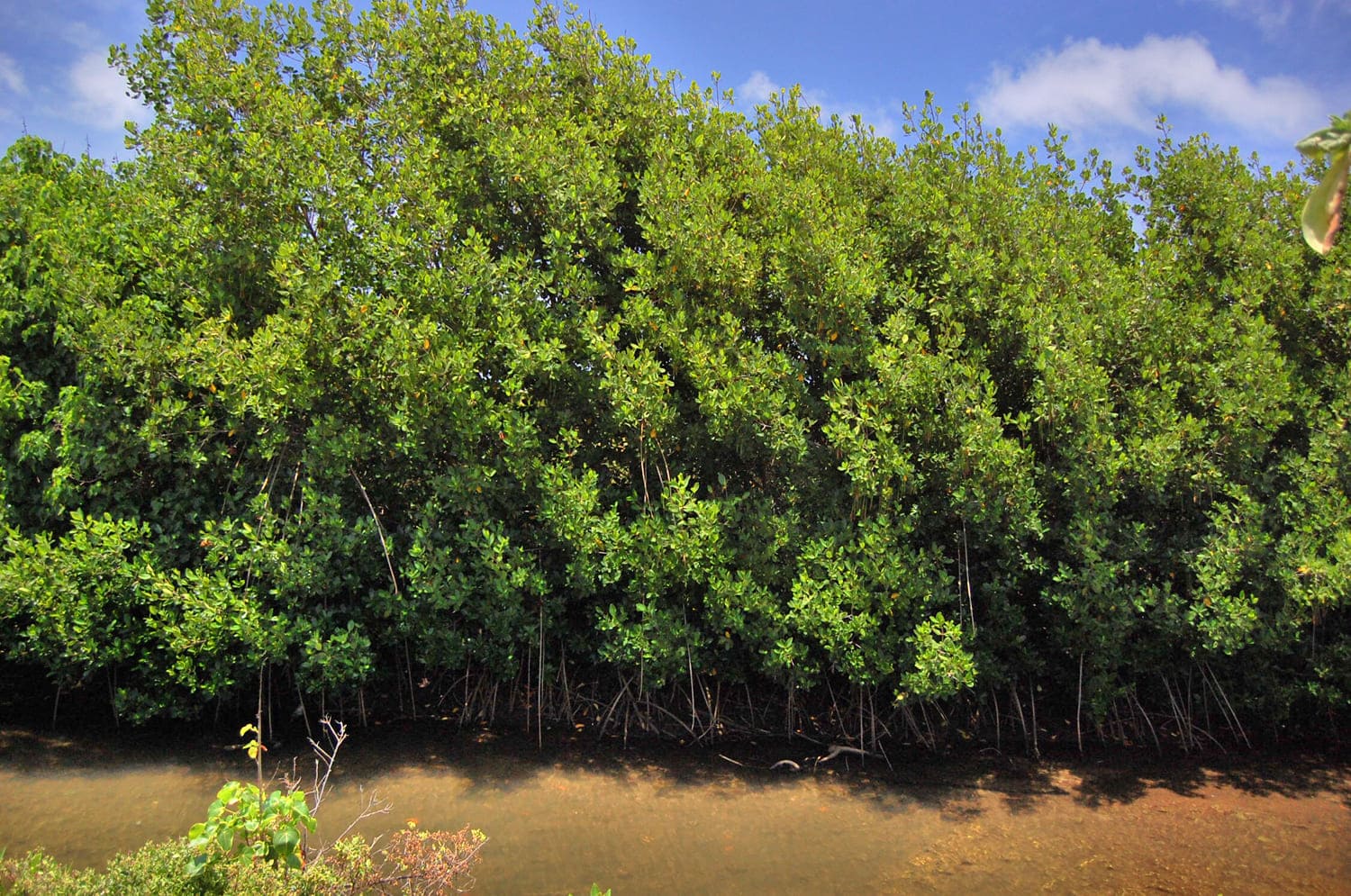
Mangrove Tree
Mangrove trees grow in places where other trees would never take root, such as in seaside marshes, in saltwater or brackish water. To avoid drowning, the mangrove grows stilt roots above...
View guide
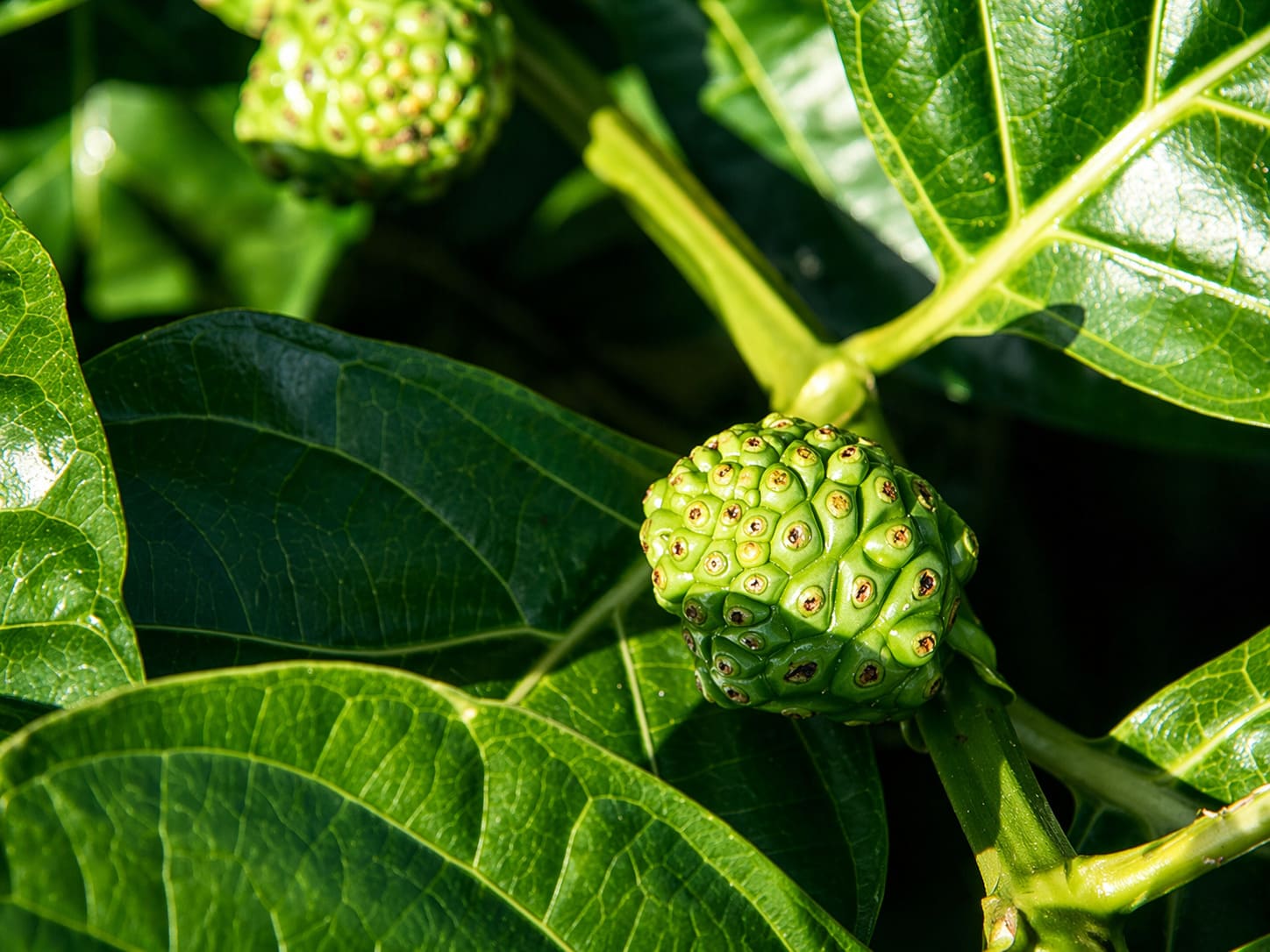
Noni Tree
Commonly known as Indian mulberry, the noni tree was brought to Hawaii by the early Hawaiians. They treasured the fruit for its many uses, including the treatment of common ailments, such...
View guide
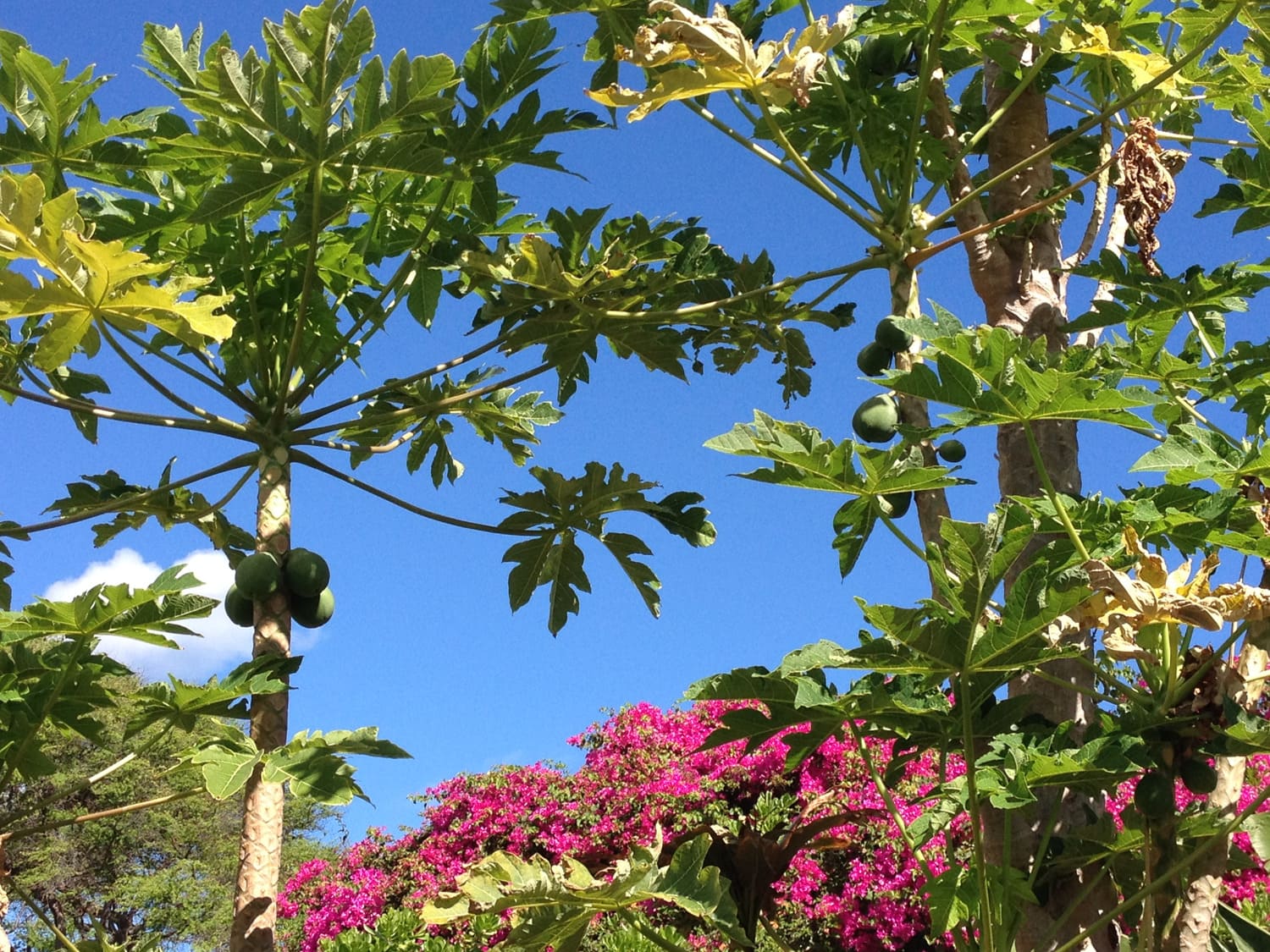
Papaya Tree
Papaya trees can grow to a height of up to 25 feet (7.6 m). The tree grows leaves only on the top and the fruit dangles on the side of the...
View guide
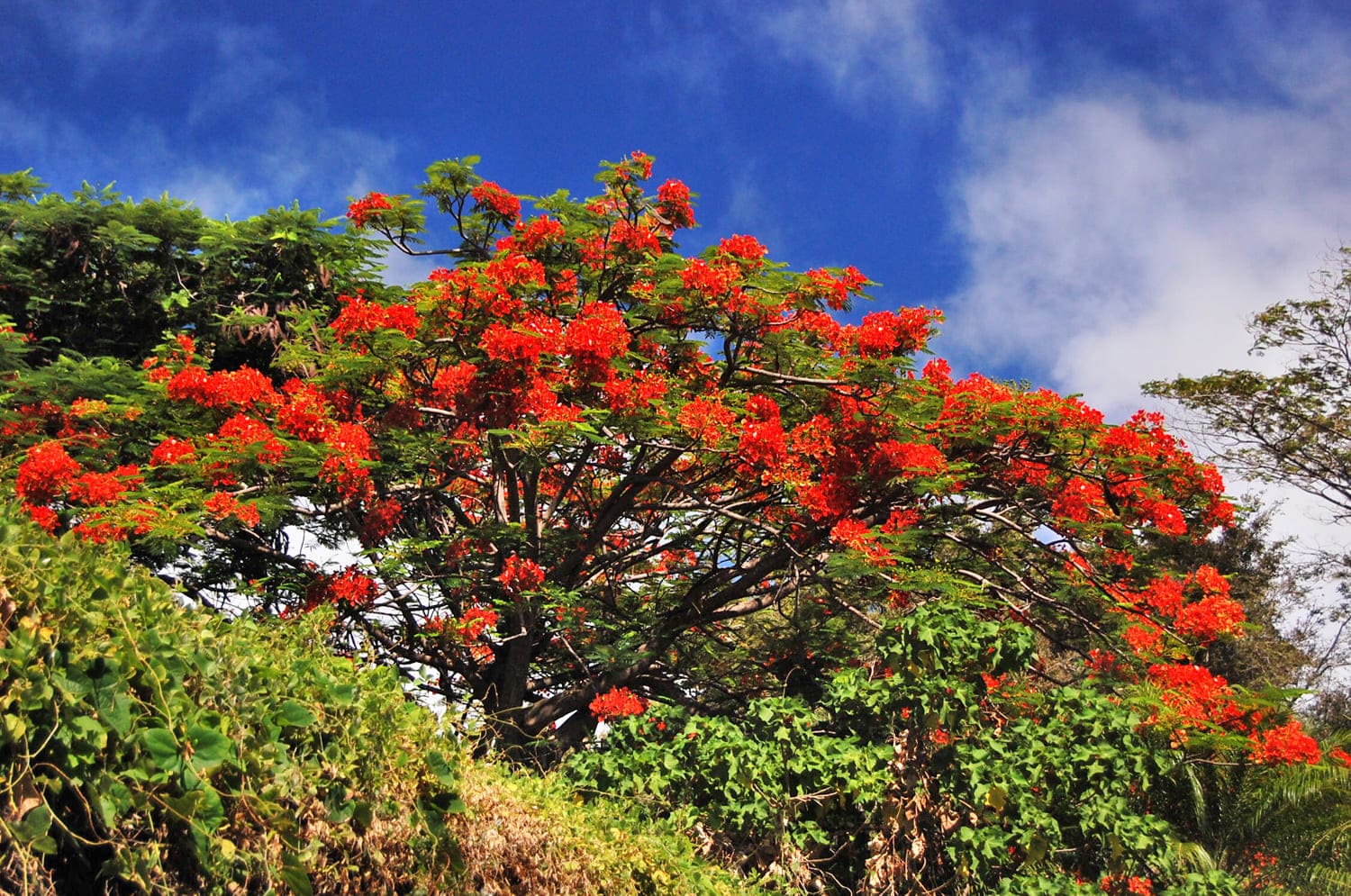
Royal Poinciana Tree
Royal Poinciana trees are small trees with fern fronds and when in bloom laden with red, orange and yellow flowers. In the winter months the fern fronds and flowers drop...
View guide
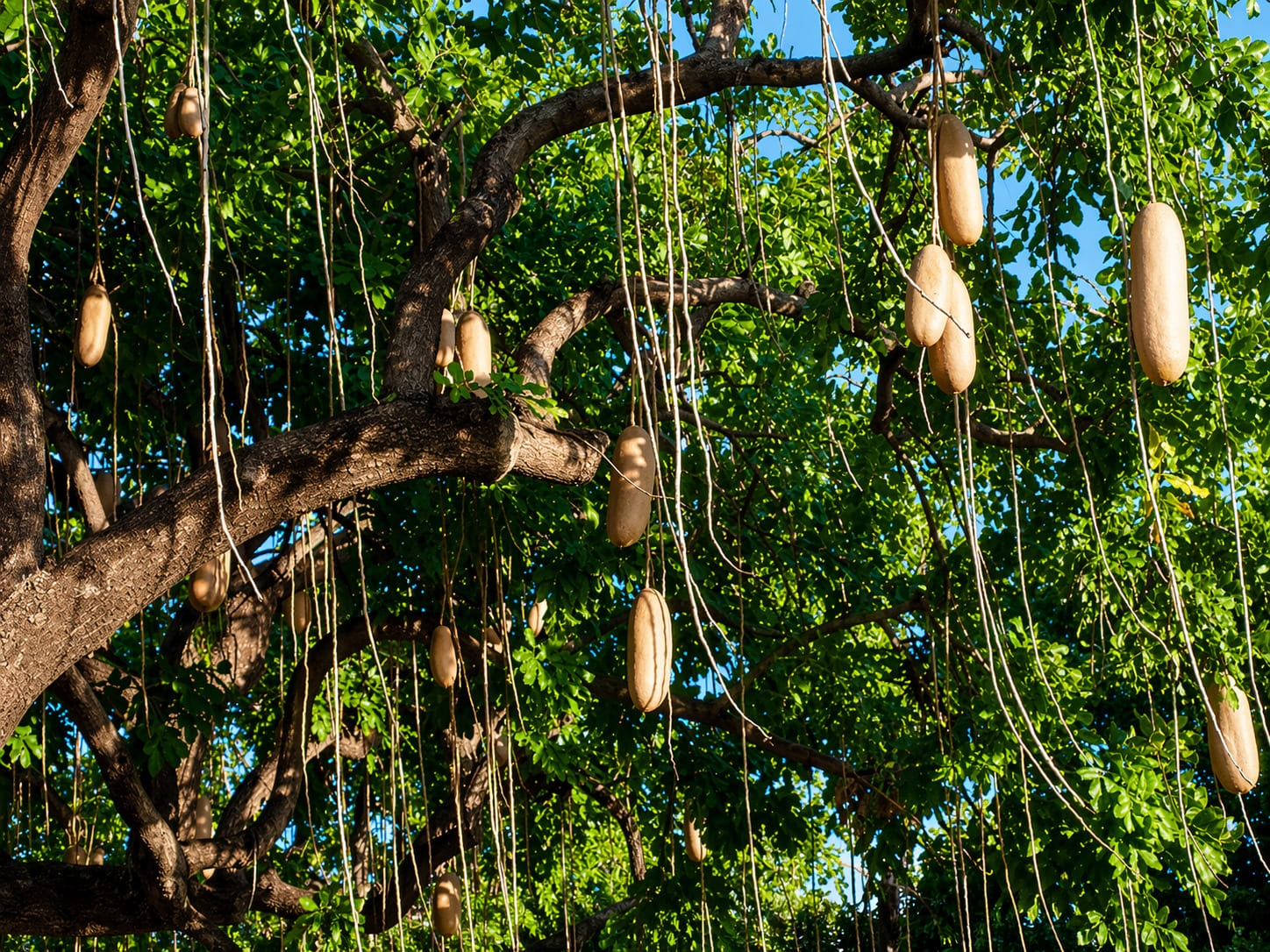
Sausage Tree
The kigelia tree is more commonly known as sausage tree, referring to the sausage-like fruit it bears. The fruit is heavy and wood-like and difficult to open without a knife. In...
View guideFrequently Asked Questions
What kinds of trees grow in Hawaii?
Hawaii has native trees, canoe plants, tropical fruit trees and introduced ornamental trees. Common examples include koa, ohia lehua, hala, coconut, banyan, macadamia, papaya, breadfruit and rainbow eucalyptus.
What trees are native to Hawaii?
Native Hawaiian trees include koa, ohia lehua, loulu palms, hala and many other forest and coastal species. Some native trees grow only in Hawaii and support rare birds, insects and native ecosystems.
What are Hawaiian canoe plants?
Canoe plants are useful plants that Polynesian voyagers brought to Hawaii by canoe. Important tree and food plant examples include coconut, breadfruit, noni, banana and sugarcane.
What is the most famous Hawaiian tree?
The koa tree is one of Hawaii's most famous native trees because of its strong, beautiful wood and traditional use in canoes, paddles and tools. The banyan tree is also famous as a dramatic introduced landmark tree.
Where can I see interesting trees in Hawaii?
Botanical gardens, state parks, forest reserves, coastal parks and scenic drives are good places to see Hawaii trees. Native trees are often found in upland forests, while palms, banyans and fruit trees are common in parks and gardens.
Why are Hawaii's native trees important?
Native trees protect watersheds, reduce erosion, provide habitat for native wildlife and preserve Hawaii's natural heritage. Many also carry cultural meaning through Hawaiian stories, crafts, tools and traditional practices.