Banzai Pipeline, Oahu
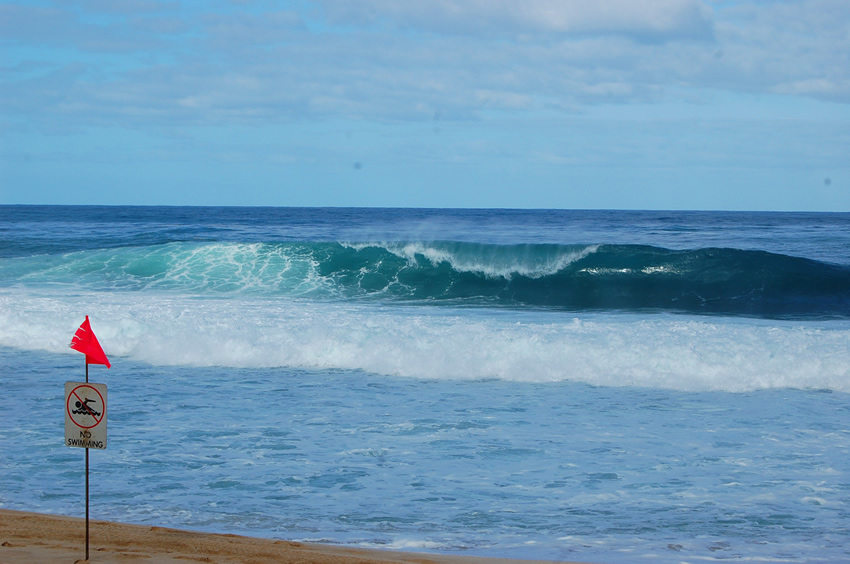
Banzai Pipeline is located at Ehukai Beach Park on Oahu's North Shore. It is a famous surf break where waves can reach 20 feet (6 m) or more during the winter months, usually from November to February. Many big-wave surfing contests take place here, and professional surfers, spectators and photographers come to watch the waves.
The Pipeline was named in 1961 by California surfing movie producer Bruce Brown. He visited Oahu's North Shore while scouting possible movie locations with two California surfers, Mike Diffenderfer and Phil Edwards. They stopped at this unnamed surf site, and Brown filmed the surfers catching several waves. They agreed the spot needed a name.
On the same day, construction work was happening along Kamehameha Highway next to the beach, where an underground pipeline was being repaired. Diffenderfer suggested the name “Pipeline.” In 1961, Brown helped make the name popular in his movie Surfing Hollow Days. At that time, the beach fronting the surf break was called Banzai Beach. Today, the area is best known as Banzai Pipeline.
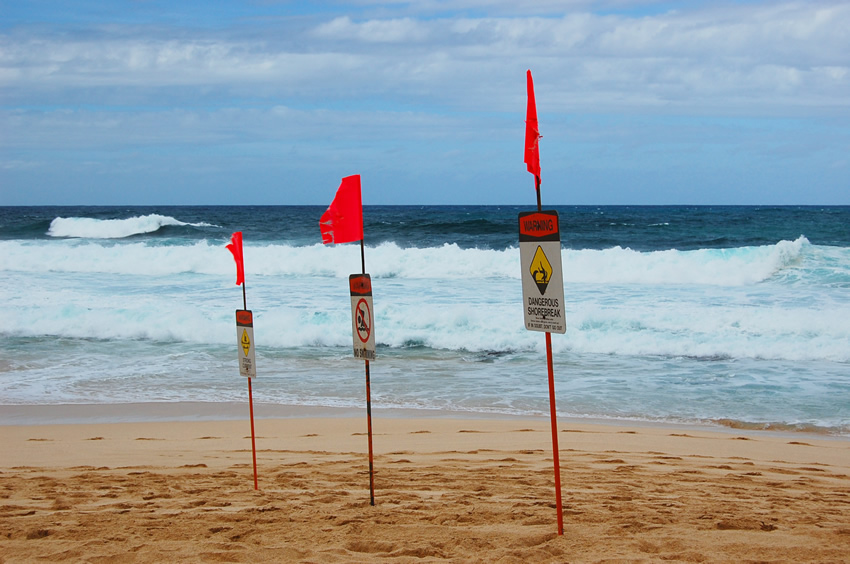
The waves here break over shallow reef and are for expert surfers only. During high surf, even standing too close to the waterline can be dangerous because waves and currents can pull people into the ocean. Watch from a safe distance, follow lifeguard guidance and enter the water only when conditions are calm.
Key Features
Beach Activities
Activities
Beach Facilities
Facilities
Reviews
Reviews and Ratings
Visitor Reviews
Rated 3.0 out of 5 based on 1 rated visitor review.
Been Here? Add your Review
Ray
Fri Jan 13, 2012
Map
Location, Parking and Directions
Banzai Pipeline is located at Ehukai Beach Park on Oahu's North Shore, along Kamehameha Highway between Waimea Bay and Sunset Beach. The main public access is through Ehukai Beach Park, with parking, restrooms and lifeguards nearby.
Photos
Banzai Pipeline Photos
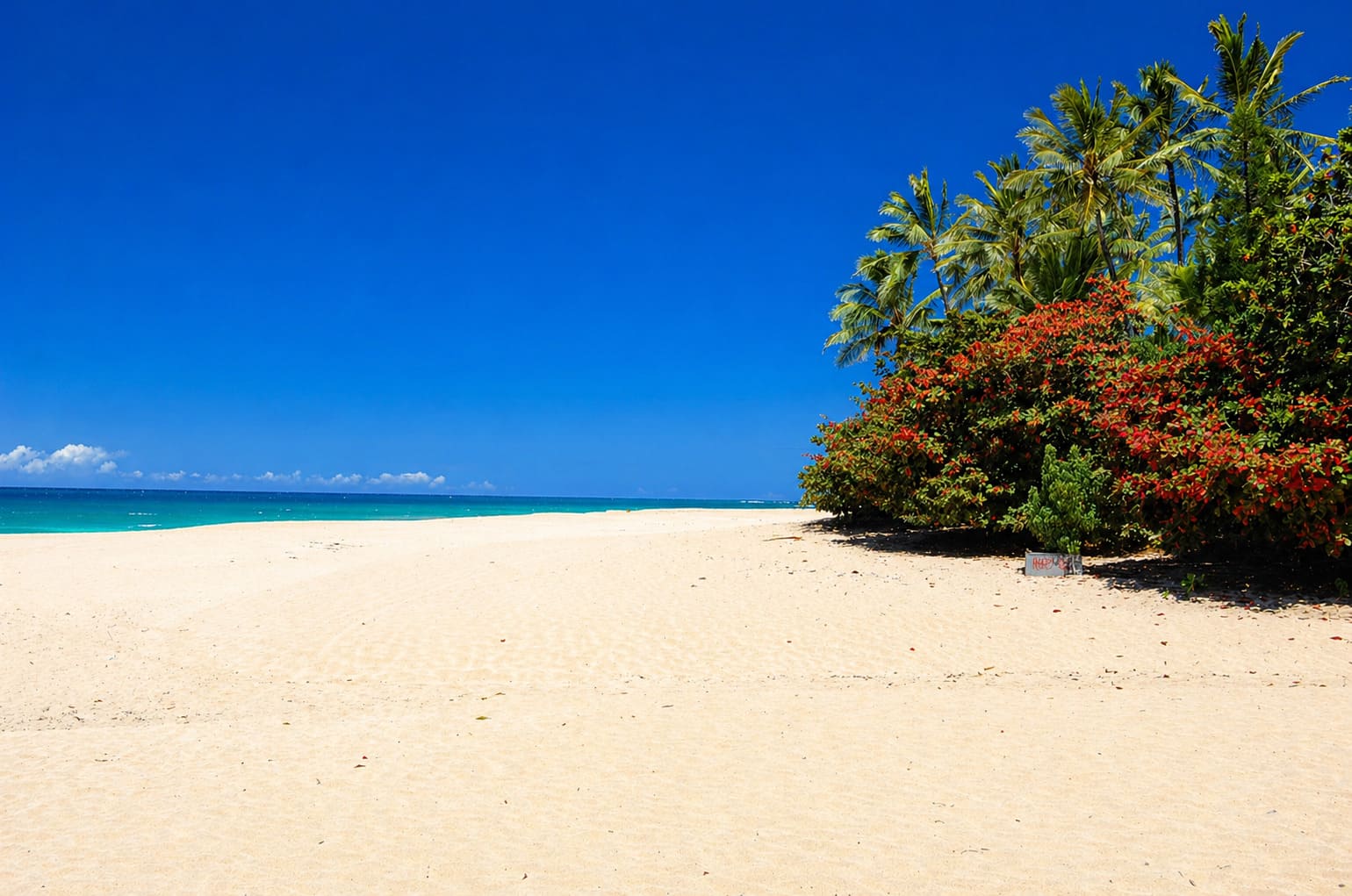
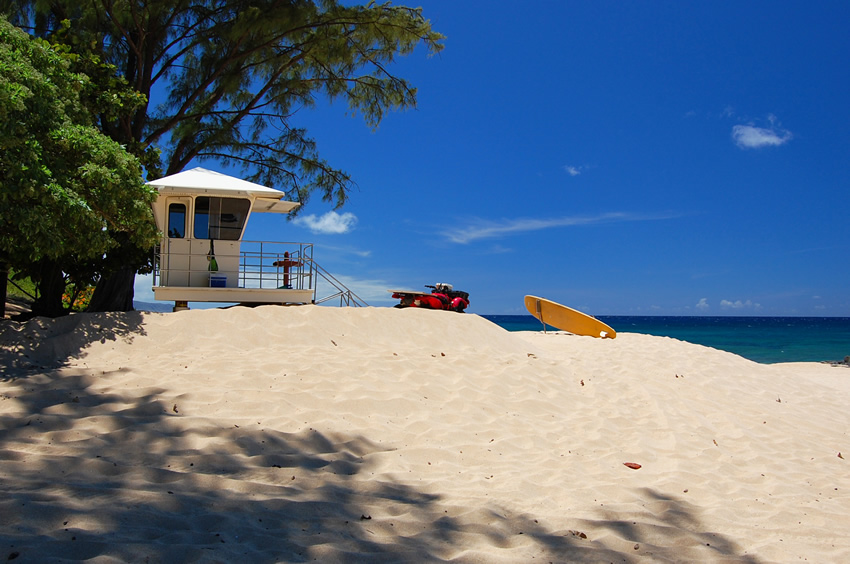
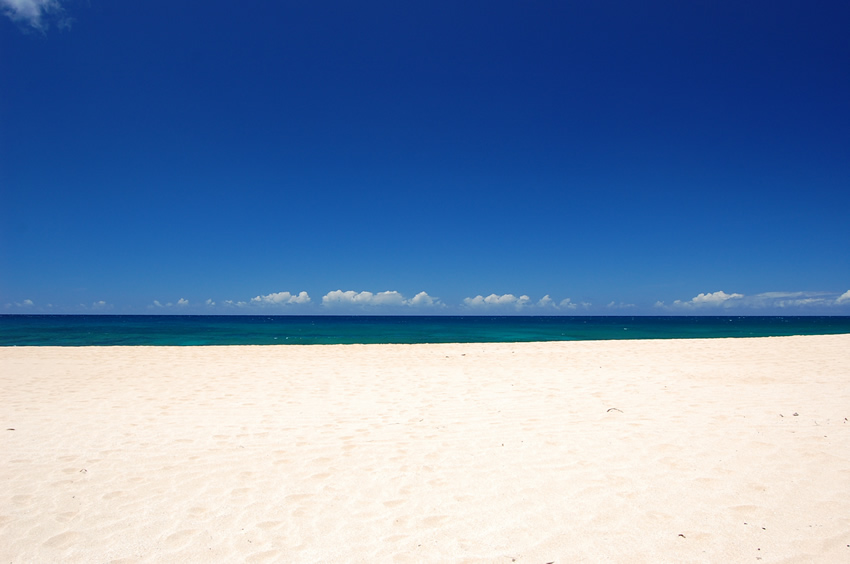
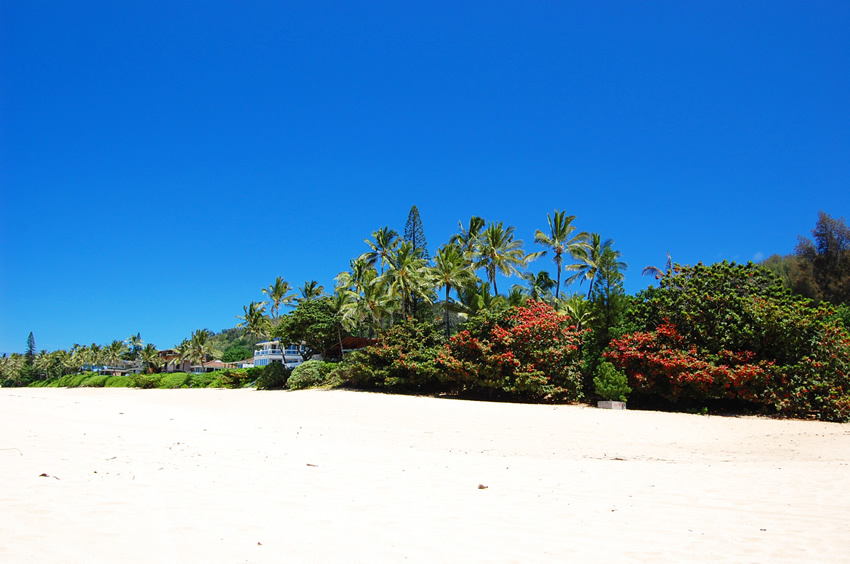
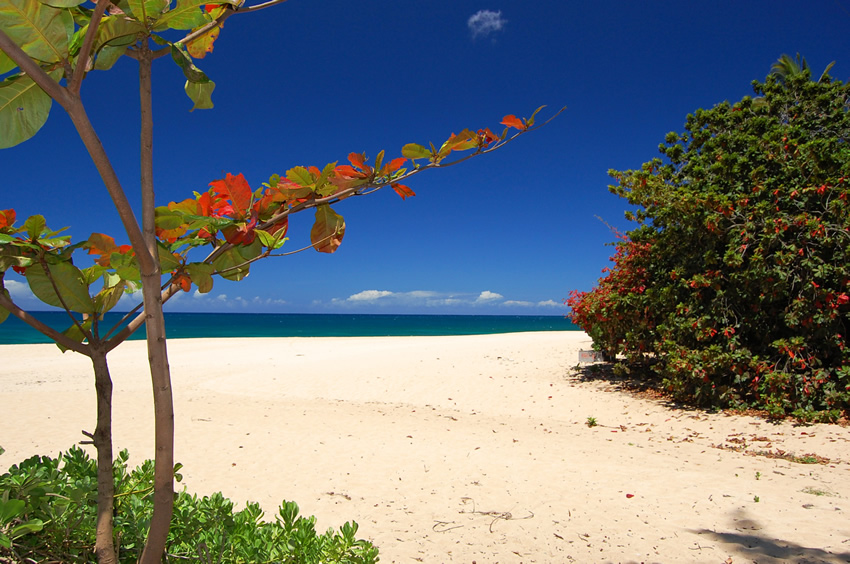
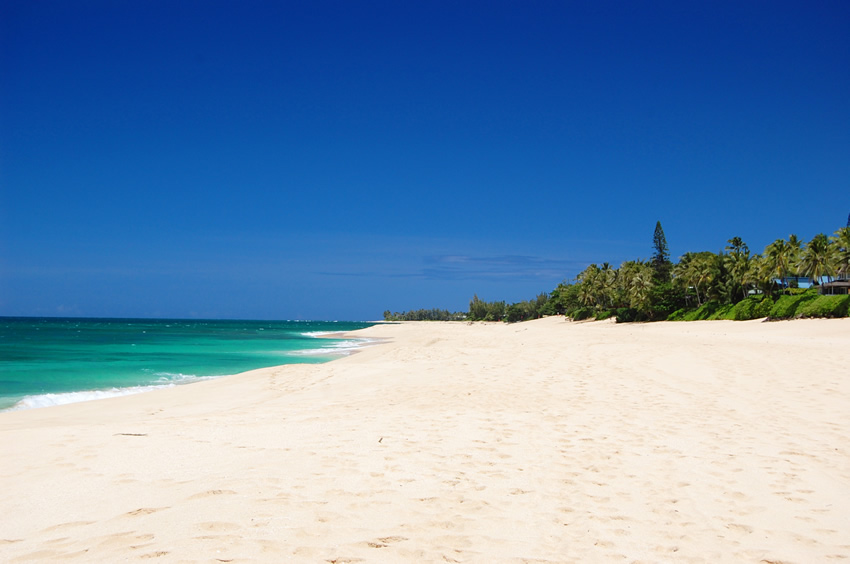
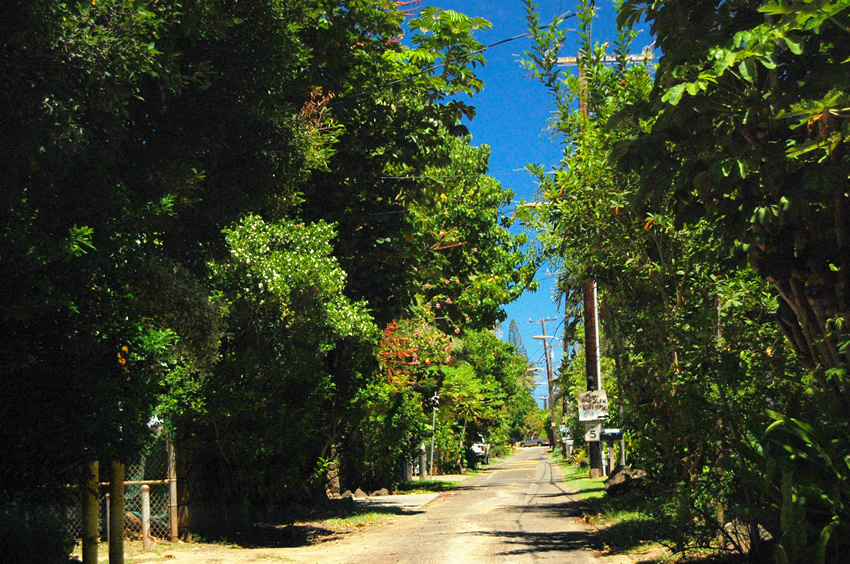
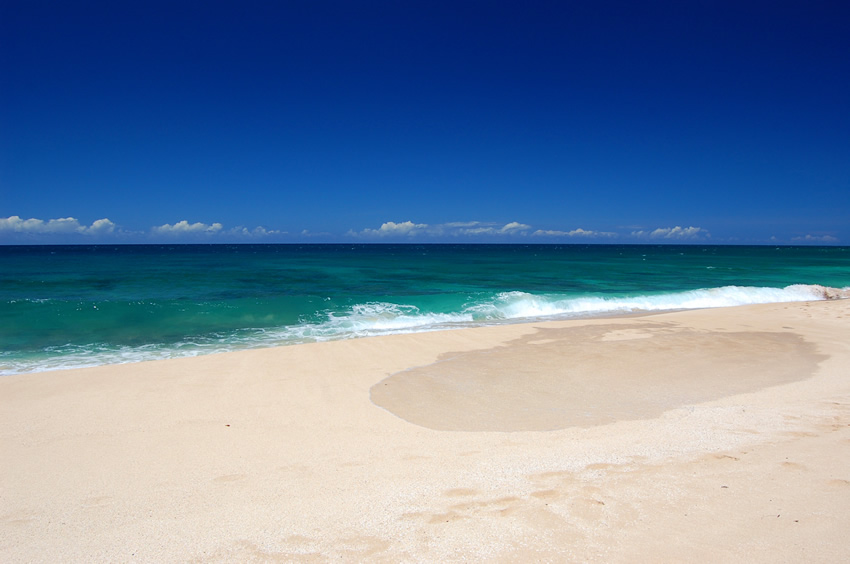
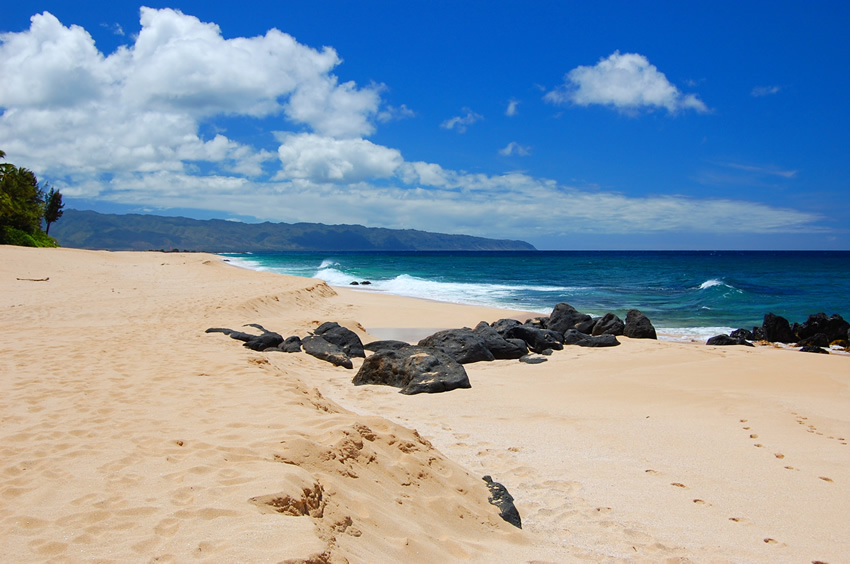
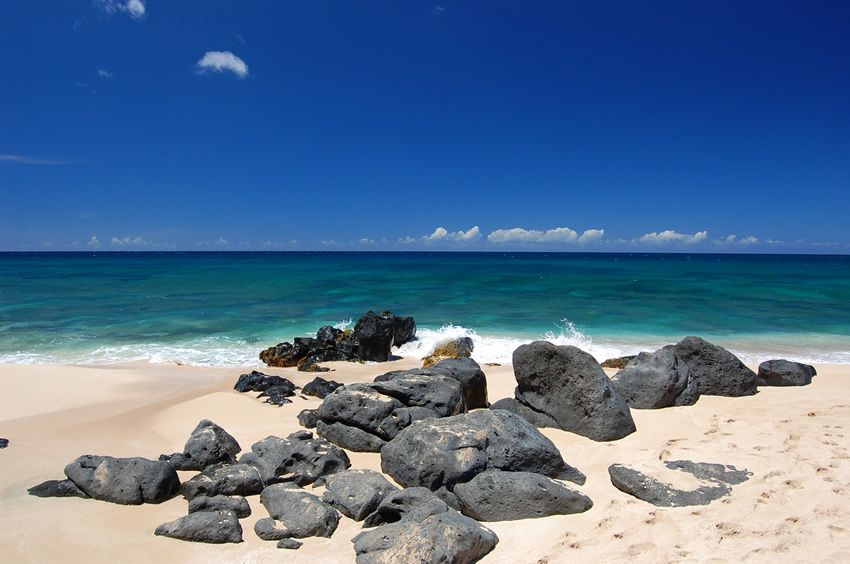
Photos of Banzai Pipeline show the Ehukai Beach Park shoreline, winter barrels, expert surfers, shallow reef surf, North Shore crowds, lifeguard tower, contest scene and Sunset Beach coastline.
Video