
Kalaupapa, Molokai
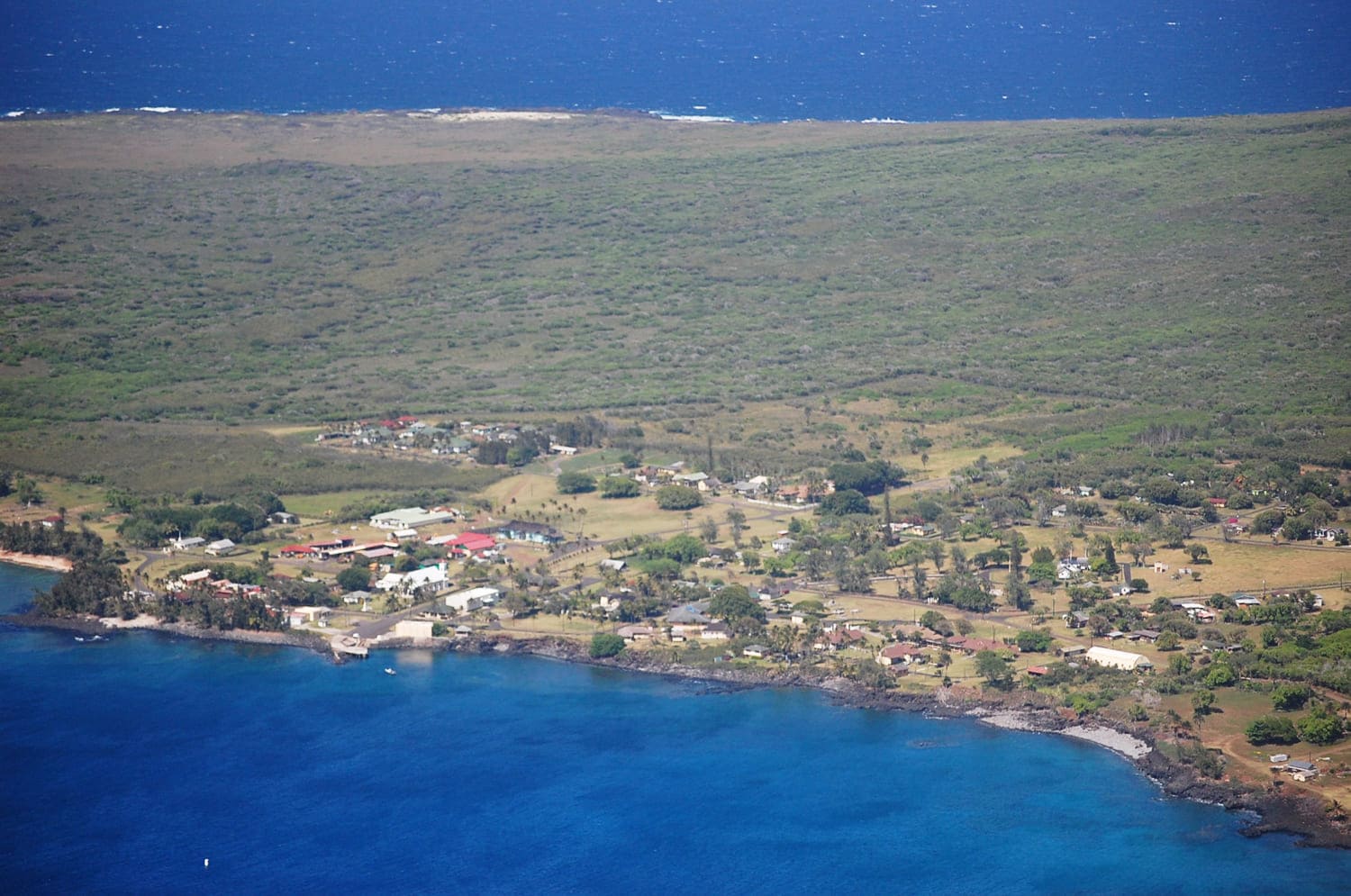
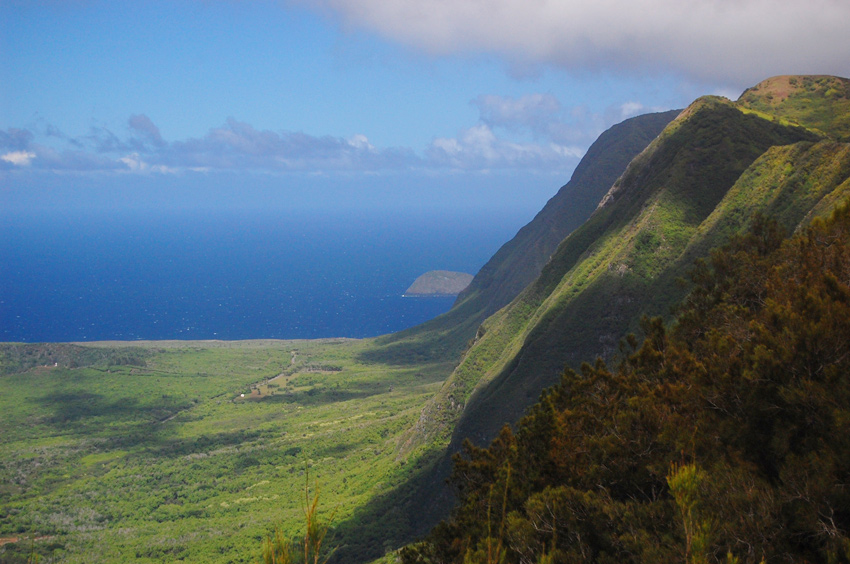
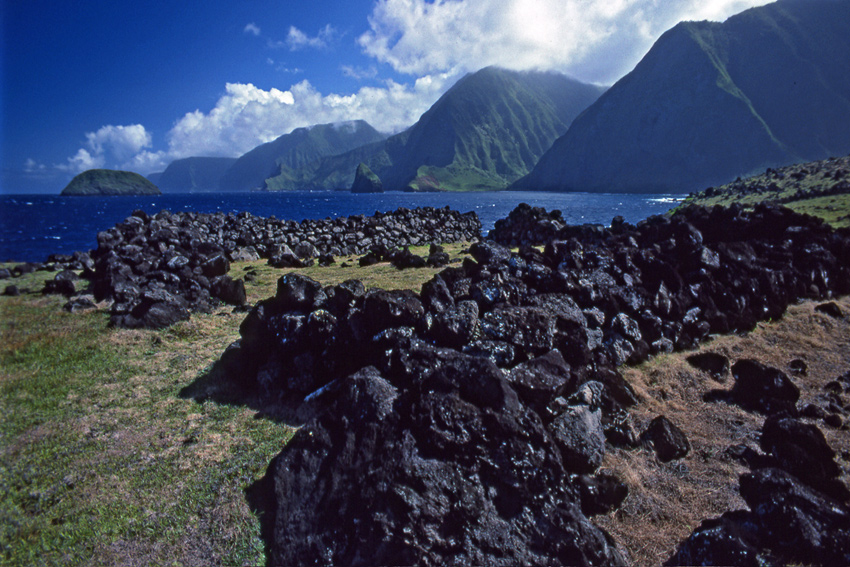
The historic settlement of Kalaupapa is located on the isolated Kalaupapa Peninsula on Molokai's north shore, at the base of the world's highest sea cliffs, which reach about 3,315 feet (1,010 m) into the sky.
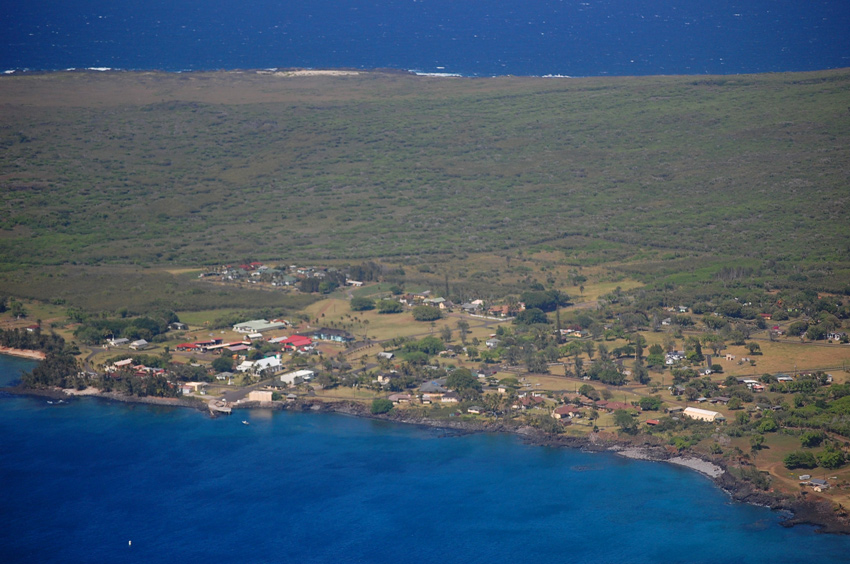
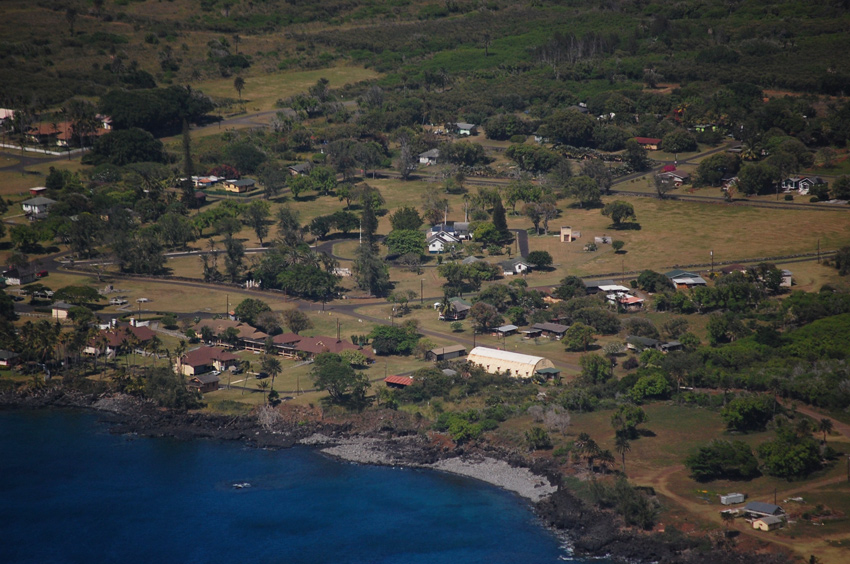
In the past, Kalaupapa was a leprosy (Hansen's disease) settlement, where people with leprosy were forced to live in exile. The small settlement was first established on the eastern side of the Kalaupapa Peninsula. Later, it was moved to its current location taking the place of a small Hawaiian fishing village.
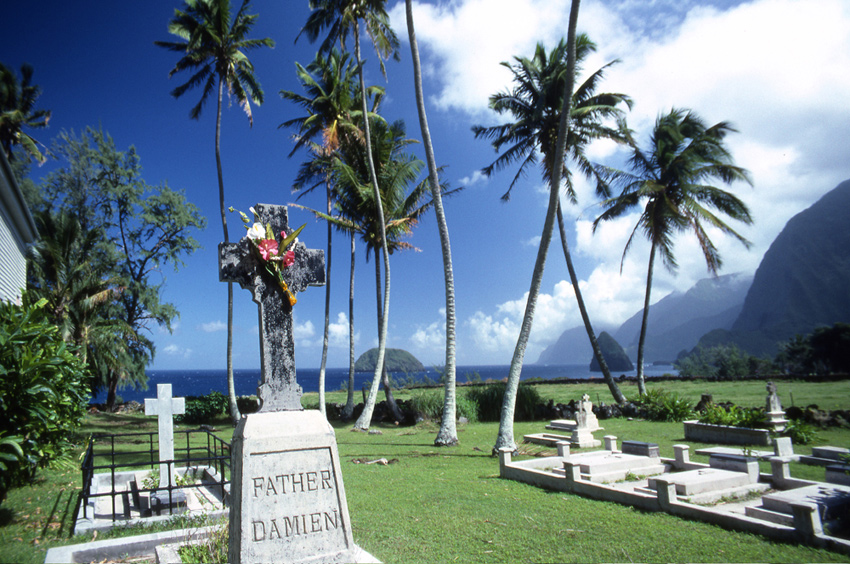
Because of its isolated location, many Hansen's disease patients including children were forced into exile at Kalaupapa, where the only person who was ready to help them was Saint Damien, a Belgian Catholic missionary priest who arrived at Kalaupapa in 1873. He selflessly served these people until he later contracted the disease himself and passed away in 1889. Of about 8,000 patients buried at the Kalaupapa Peninsula, only about 1,300 have marked graves.
Kalaupapa remains a living community as well as a place of memory. Some former Hansen's disease patients chose to remain after the isolation policy ended in 1969 because the peninsula had become their home, community and place of lifelong friendships.
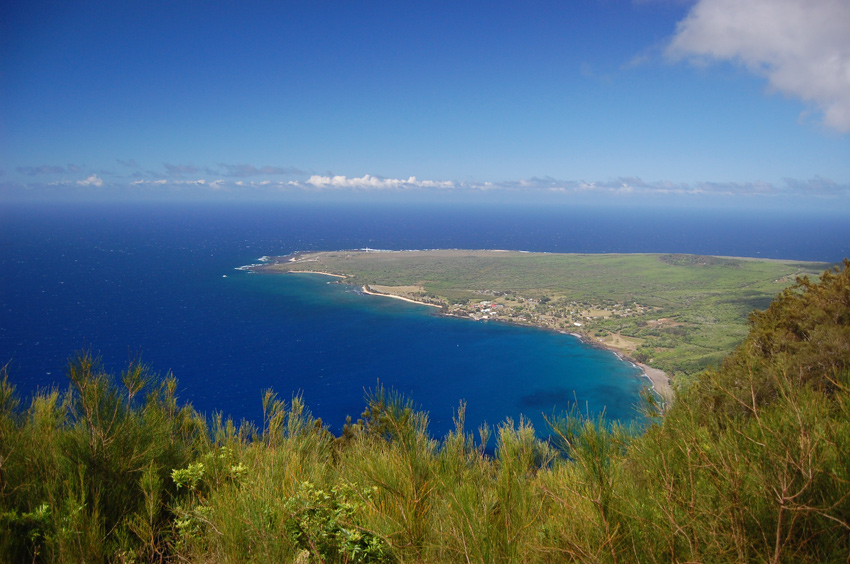
Kalaupapa is one of the most remote locations on Molokai. It is surrounded on three sides by high sea cliffs and fronted by the ocean. No public road leads here, and visitor access is restricted. Travel arrangements, trail access and tour availability can change, so anyone hoping to visit must confirm current permit rules, authorized tour options and access conditions before planning a trip.
Children under 16 years of age are not allowed to visit the settlement. Visitors are required to have a permit before entering Kalaupapa, and access must follow current park, state and authorized tour rules.
The National Park Service and the Hawaii State Department of Health share joint management of the Kalaupapa National Historical Park.
Key Features
Reviews
Reviews and Ratings
Visitor rating
1 rated review
1 additional comment
Been here? Share your experience
Visitor experiences
Newest firstBart Aronoff
Fri May 04, 2012
Pam Wexler Hillman
Mon Oct 31, 2011
Map
Location, Access and Directions
Kalaupapa is located on a remote peninsula below Molokai's north shore sea cliffs. The settlement area is separated from topside Molokai by steep pali and has restricted access. Visitors must confirm current permit, tour and transportation rules before planning any trip to the peninsula.
Photos
Kalaupapa Photos
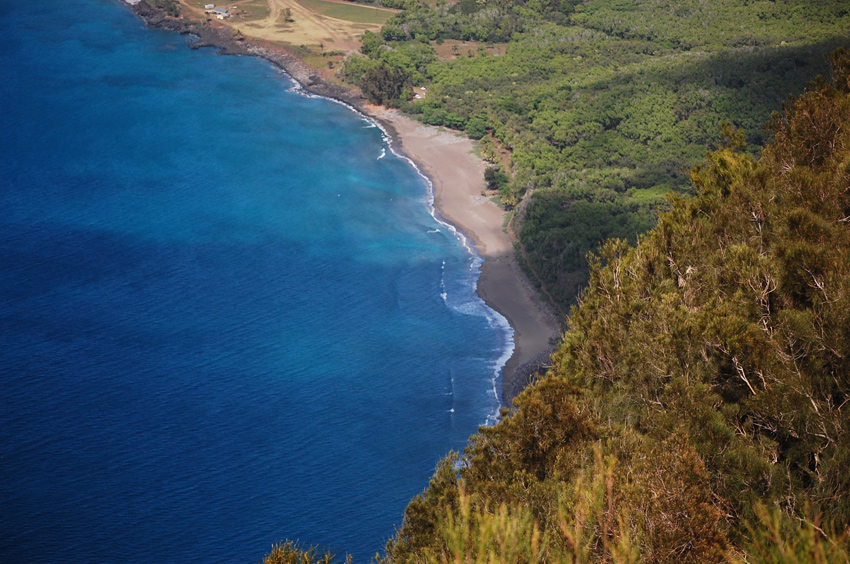
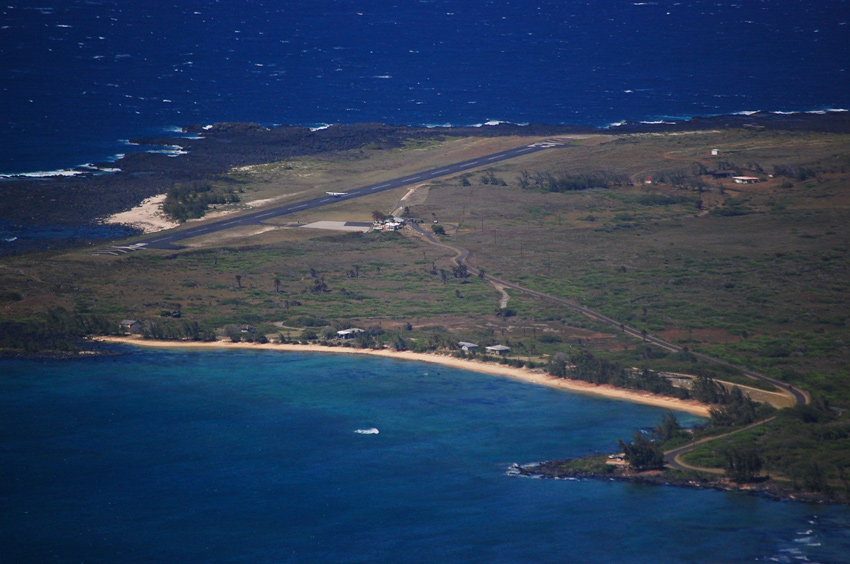
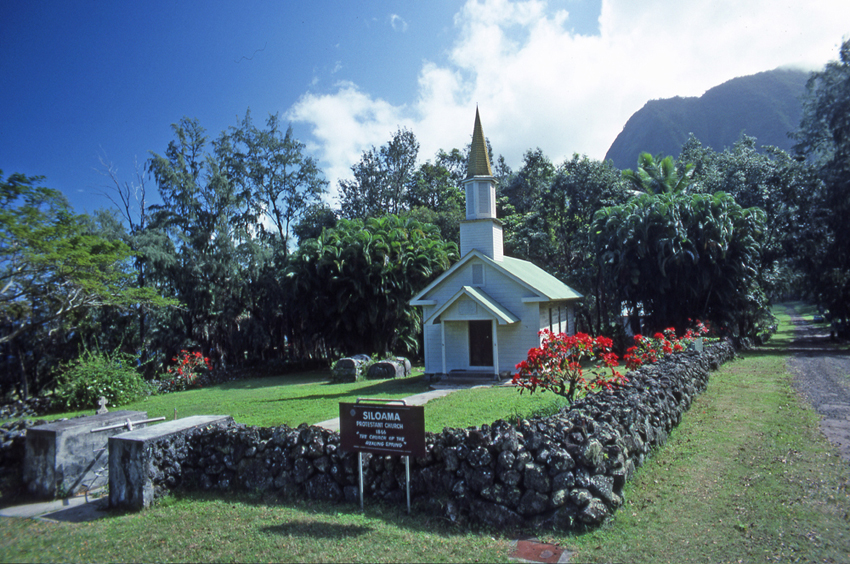
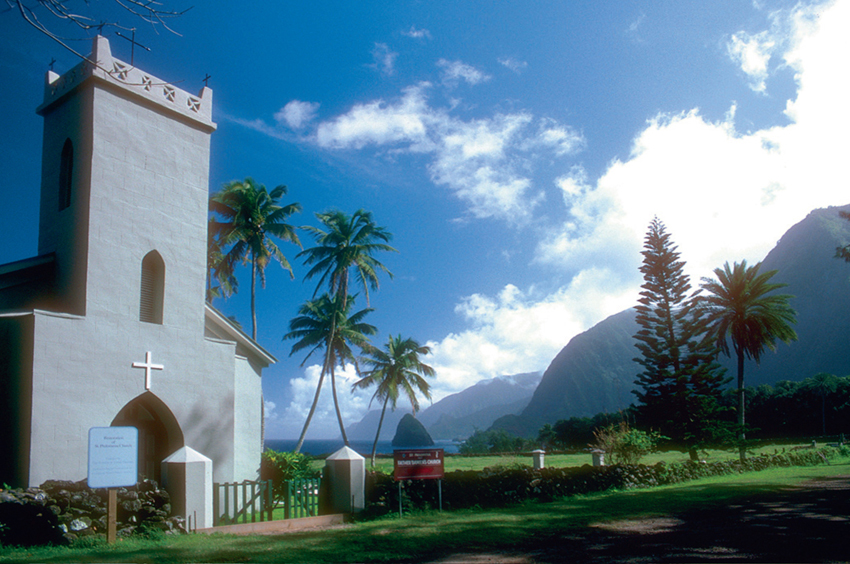
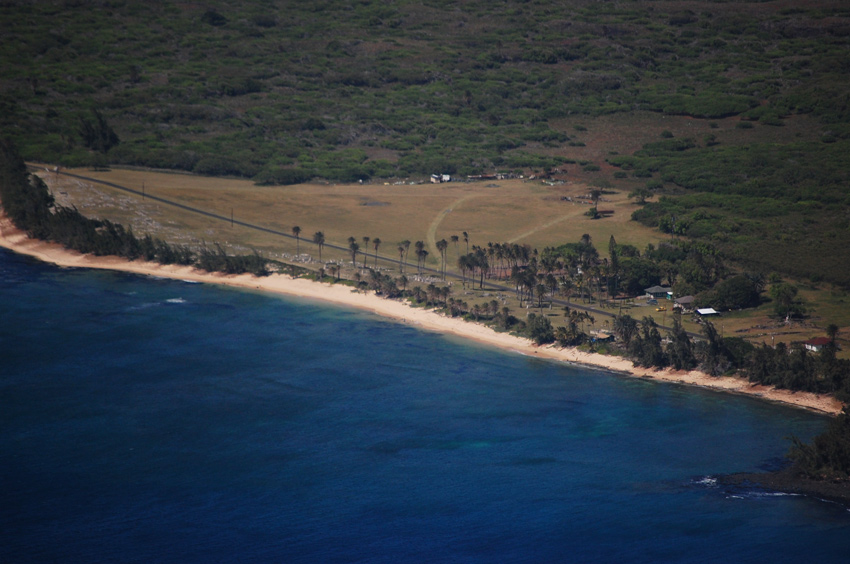
Photos show Kalaupapa Peninsula, Molokai's north shore cliffs, historic settlement areas, ocean views, churches, cemeteries and the remote coastal landscape.
Video


