Mo'omomi Beach, Molokai
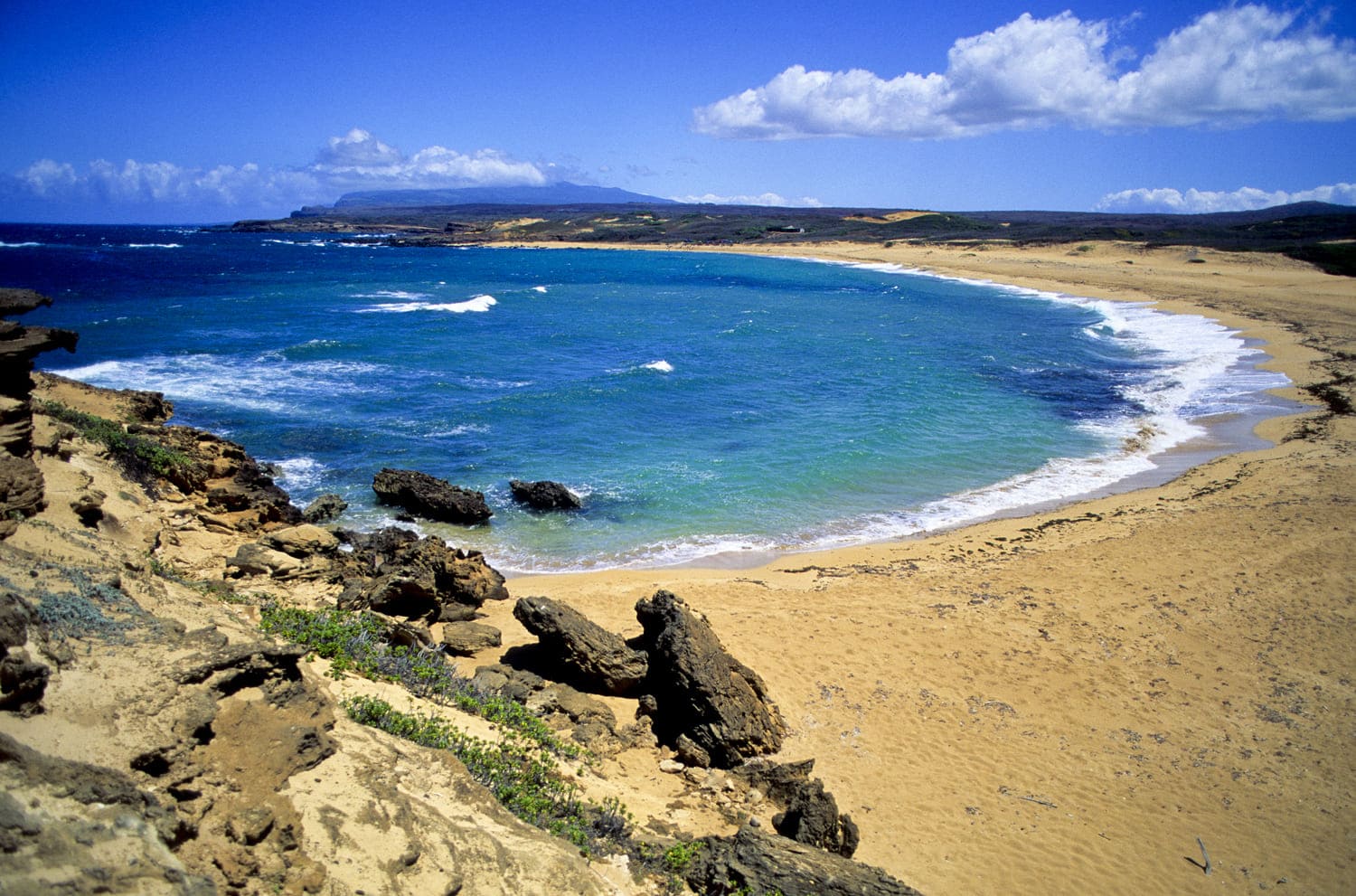
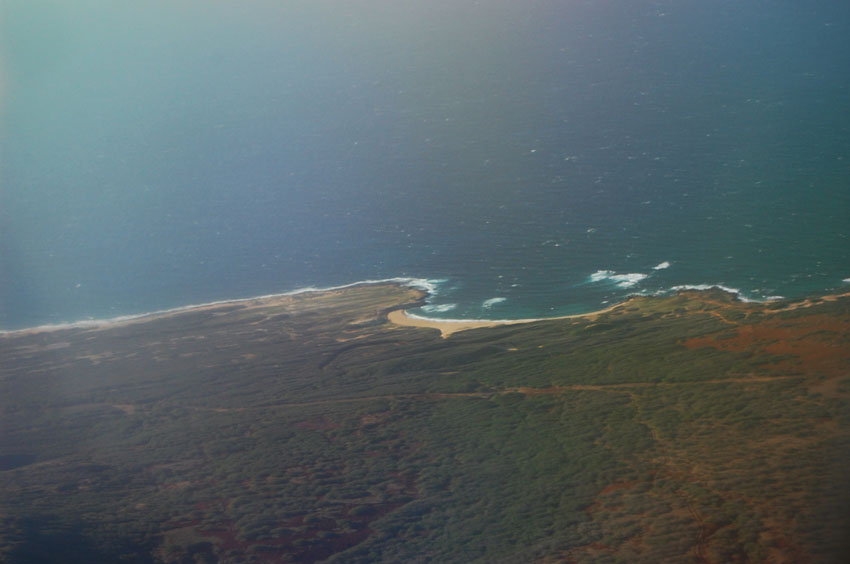
Located on Molokai's northwestern coast, Mo'omomi Beach and the surrounding area that extends inland feature one of the most impressive sand dune systems in Hawaii. Since this side of the island is exposed to the trade winds during most of the year, the wind carries sand from the Mo'omomi shoreline and surrounding beaches inland, expanding the dunes even further.
These massive sand dunes have been formed over centuries, extending inland for more than 4 miles (6.4 km) in some areas. That's why this deserted, sandy region is also called the Desert Strip, or in the Hawaiian language it is referred to as Keonelele, “the wind-blown sands.”
This stretch of coastline was once a popular fishing area. The surrounding preserve protects native Hawaiian coastal plants, wildlife habitat and fragile dune areas. Guided access may be available at certain times, and visitors should check current preserve access rules before planning a trip.
If you want to go on your own, the trail begins at the Hawaiian Home Lands area, located east of the preserve. However, reaching the beach can be quite a feat in itself, as the path leading to Mo'omomi is a dirt road that is almost impassable unless you drive a four-wheel-drive vehicle. Parking is only allowed in designated areas and since this is a nature preserve, you'll have to stay on the trail. The sand dune area is fragile and protected by the preserve and no one should enter it. Also, all coral, shells, stones, plants and other natural items must be left in place.
For many longtime residents of Molokai, Mo'omomi Beach encompasses the entire 3-mile (4.8 km) stretch of coastline from the Hawaiian Home Lands center to ‘Ilio Point. However, there are three different beaches in this area: Mo'omomi, Keonelele and Kawa'aloa. Mo'omomi Beach is a small pocket of white sand, located at the Hawaiian Home Lands Recreation Center. The bay is shallow and rocky and not a good spot for swimming or other water activities besides fishing. Sharp rocks, strong currents and high surf, especially in the winter months, make swimming dangerous.
Key Features
Beach Activities
Activities
Beach Facilities
Facilities
Reviews
Reviews and Ratings
Visitor Reviews
Rated 5.0 out of 5 based on 1 rated visitor review.
Been Here? Add your Review
Jerry and Carol Finn
Sat Jan 28, 2017
Map
Location, Parking and Directions
Mo'omomi Beach is on Molokai's northwestern shore near Anahaki Road in the Hoolehua area. Access can be rough and may require a suitable four-wheel-drive vehicle depending on road conditions. The surrounding preserve protects fragile dunes, native plants and coastal wildlife habitat.
Photos
Mo'omomi Beach Photos
Photos show Mo'omomi Beach, the wind-blown dunes, remote northwest Molokai shoreline, native coastal habitat, beach pockets and rugged preserve scenery.