Puako Bay

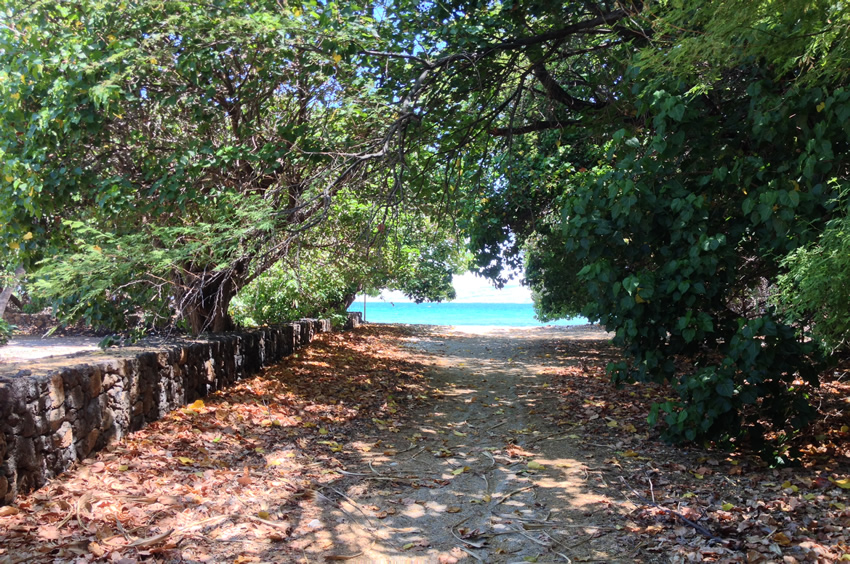
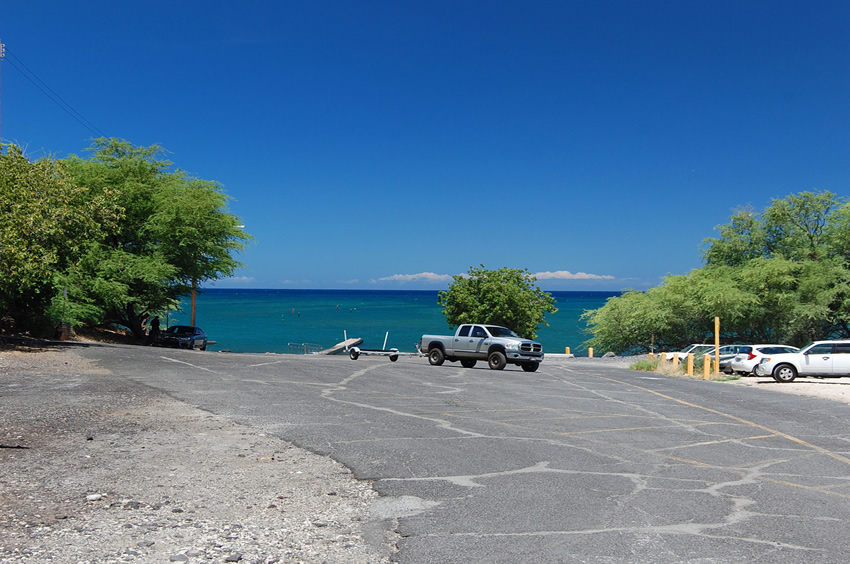
Puako Bay is a rocky Kohala Coast shoreline with tide pools, reef views, lava coves and a quiet village setting near Puako.

Puako Bay, Big Island

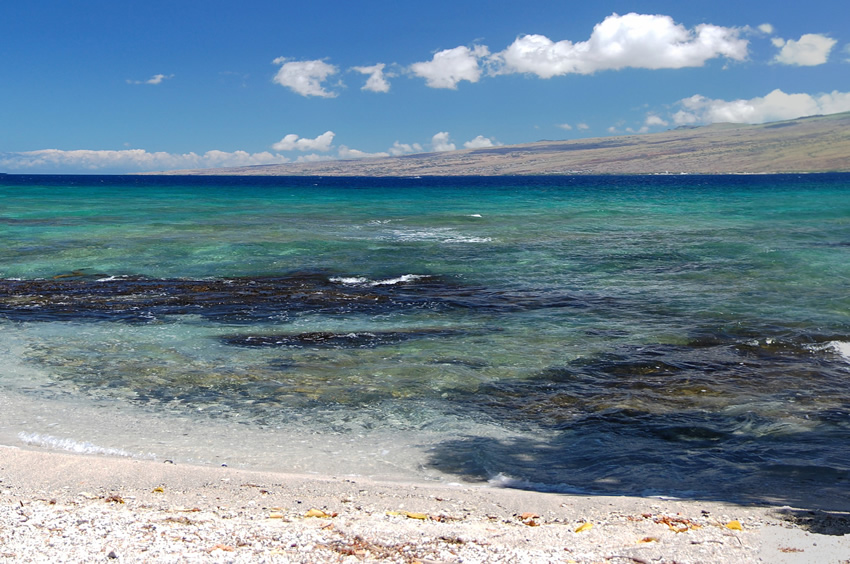
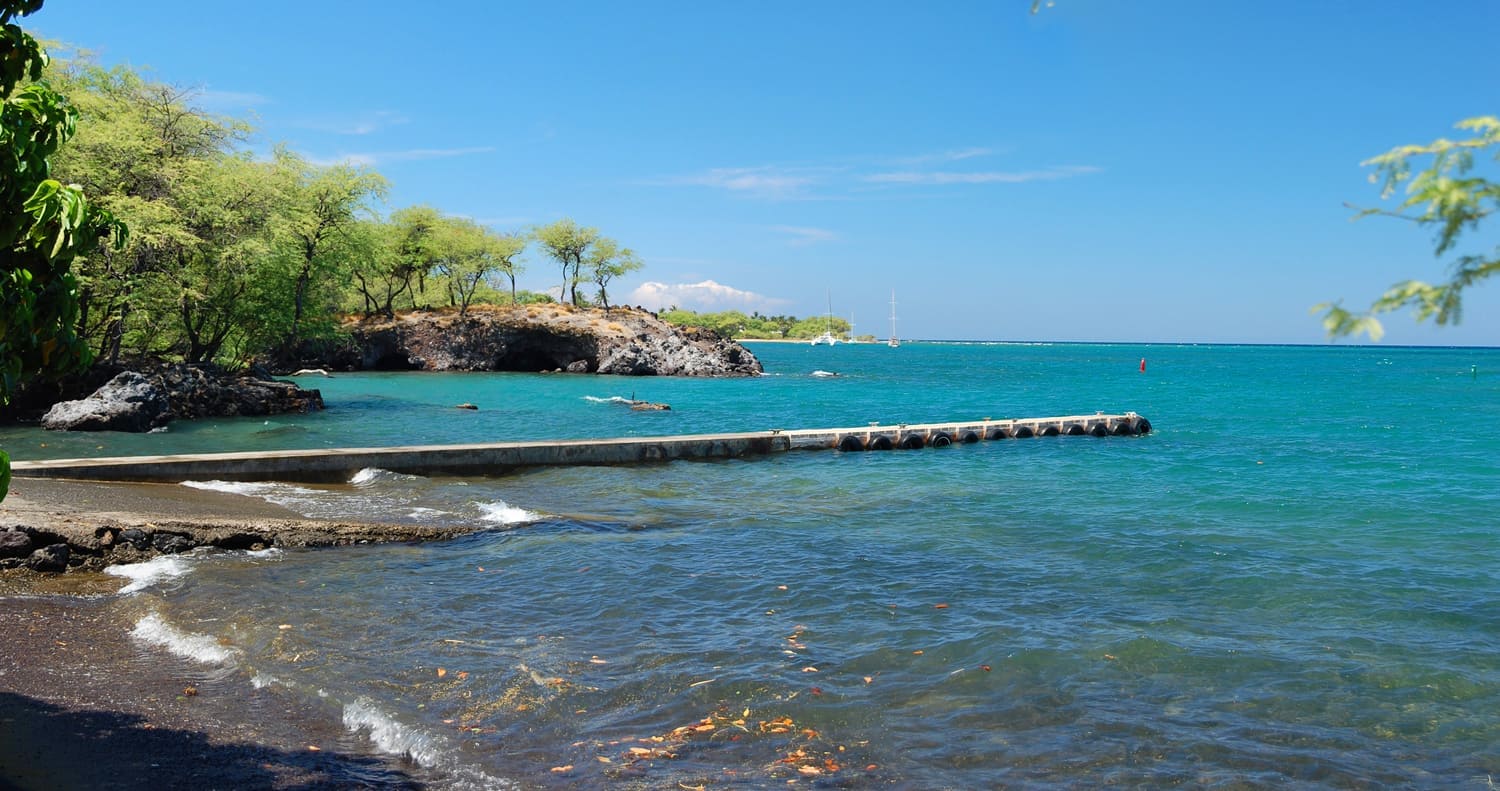
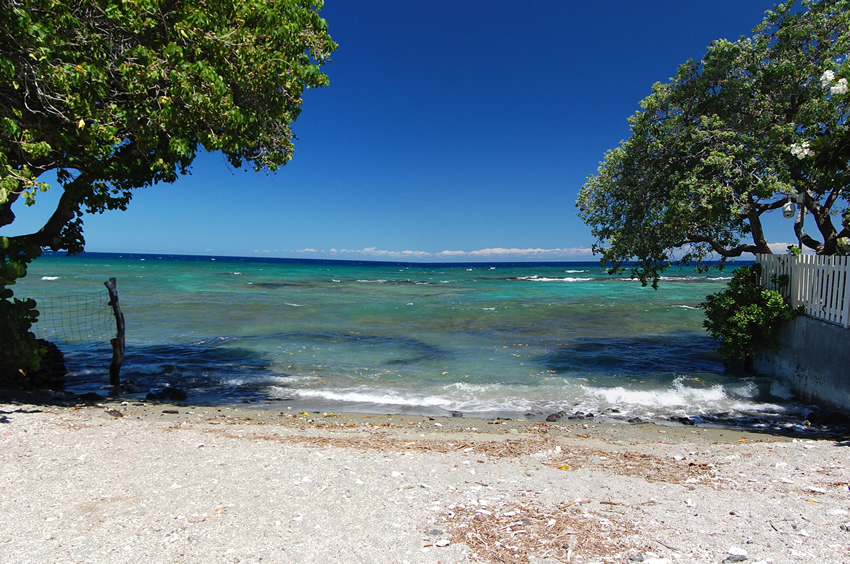
Puako Bay on the Big Island's northwestern coast has a rocky shoreline with many tide pools, inlets and coves, which offer good snorkeling conditions when the ocean is calm. A long, but narrow white-sand beach spans almost the entire length of the bay. Due to the nearshore rocky ocean bottom, Puako Bay is not a good area for swimming. The bay is mainly frequented by scuba divers because of the bay's vast reef. Shoreline fishing is also common when conditions are safe.

Puako is also known for being home to the largest collection of petroglyphs in the state. The petroglyphs (ancient rock drawings) depicting life in prehistoric Hawaii hold a deep cultural value. Over 3,000 of these drawings can be found at the Puako Petroglyph Archaeological Preserve, each one with a story to tell. A trail leads from Holoholokai Beach to the petroglyph site.
Key Features

Rocky South Kohala shoreline along Puako Beach Drive
Tide pools and lava shelves shape much of the bay's ocean edge
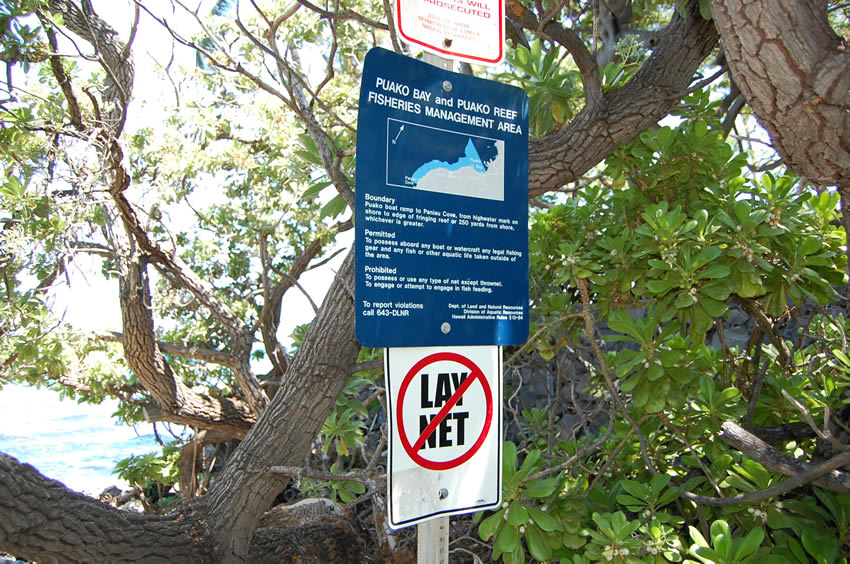
Puako Reef has special marine rules, including no fish feeding
Low tide often reveals more of the rocky shoreline and shallow pools
The coast has small entry points rather than one broad sandy beach
Coral, reef fish and honu are part of the nearshore setting
The surrounding Puako village gives the bay a quieter residential feel
Shade is limited in many shoreline spots, especially near the lava rocks
Ocean clarity can change with swell, wind and runoff
The Puako coast is known for reef habitat and older Hawaiian petroglyph history nearby

Frequently Asked Questions

Why does low tide matter at Puako Bay?

Lower tide often reveals more of the tide pools and lava shelves, making the shoreline easier for visitors to read before choosing where to sit or enter the water.

Can visitors feed fish at Puako Bay?

No. Puako Bay and Puako Reef have special marine rules, and feeding fish is not allowed. Reef fish should behave naturally, and food should stay out of the water.

How much shade is there at Puako Bay?

Shade is limited along many parts of the rocky shoreline. Visitors should bring sunscreen, water and a hat, especially during the middle of the day.

What should visitors know about walking near the tide pools?

Wet lava can be slippery and sharp in places. Visitors should step slowly, avoid standing on coral and keep back from rocks when waves are reaching the pools.

Why is Puako Bay important for reef life?

The Puako coast has one of Hawaii Island's notable reef systems, with coral, fish and honu using the shallow nearshore habitat.