
Waikoloa Anchialine Pond Preservation Area, Big Island
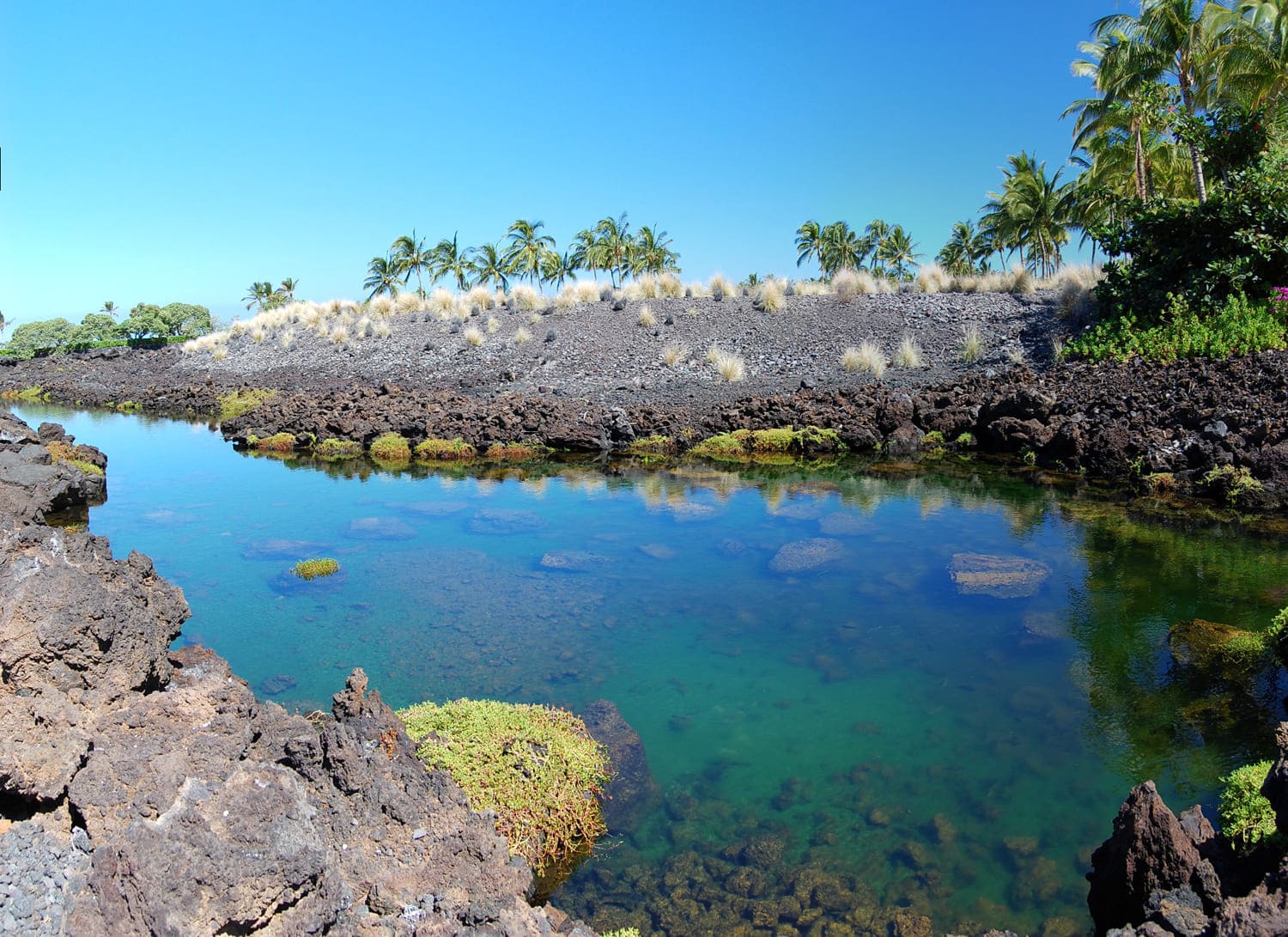
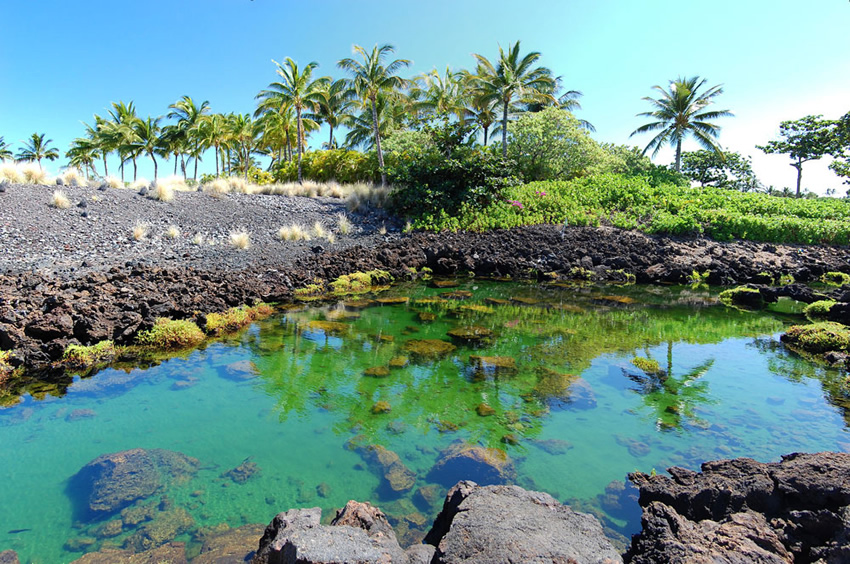
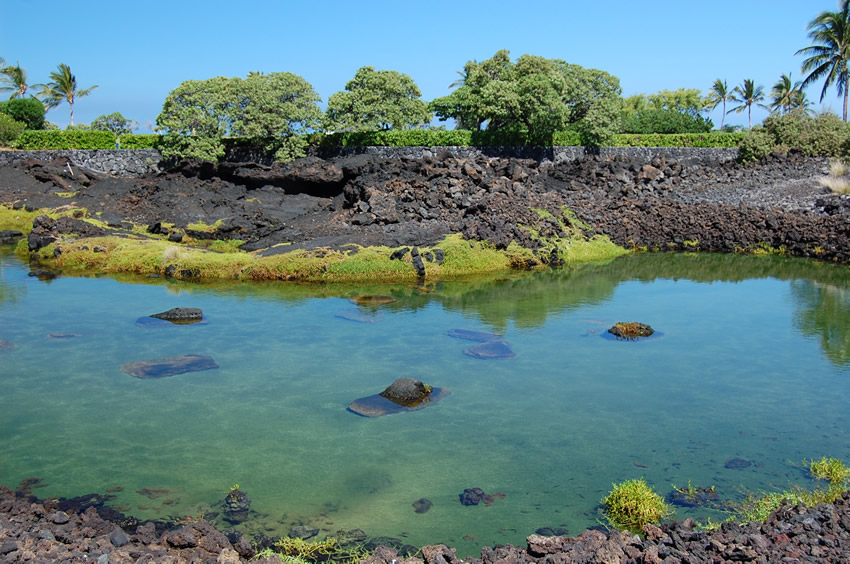
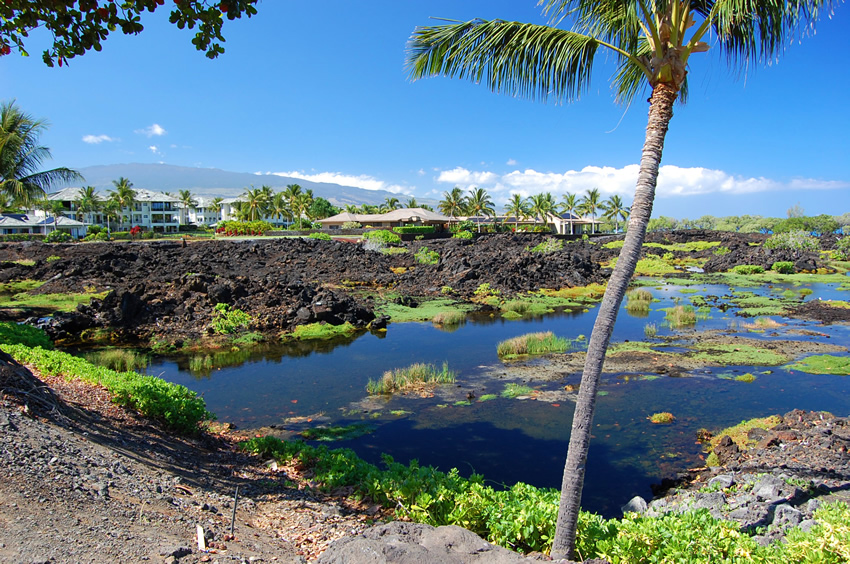
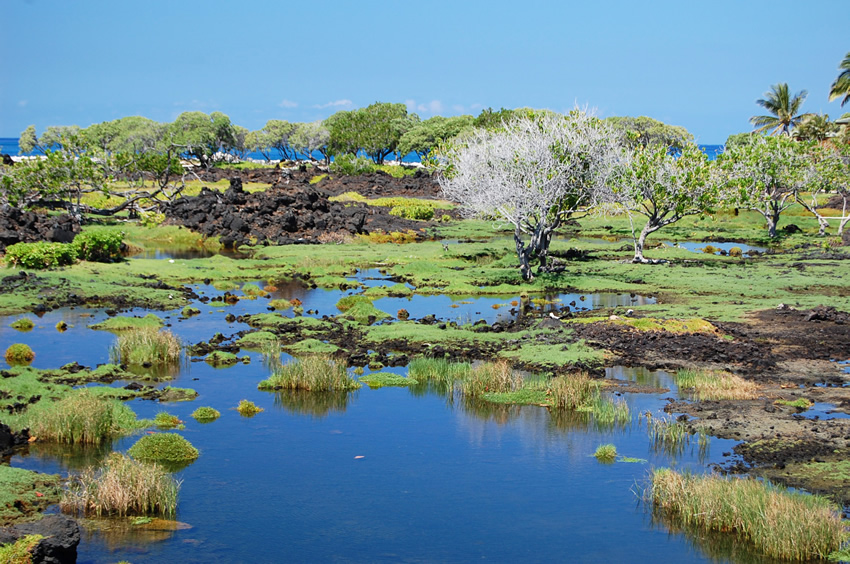
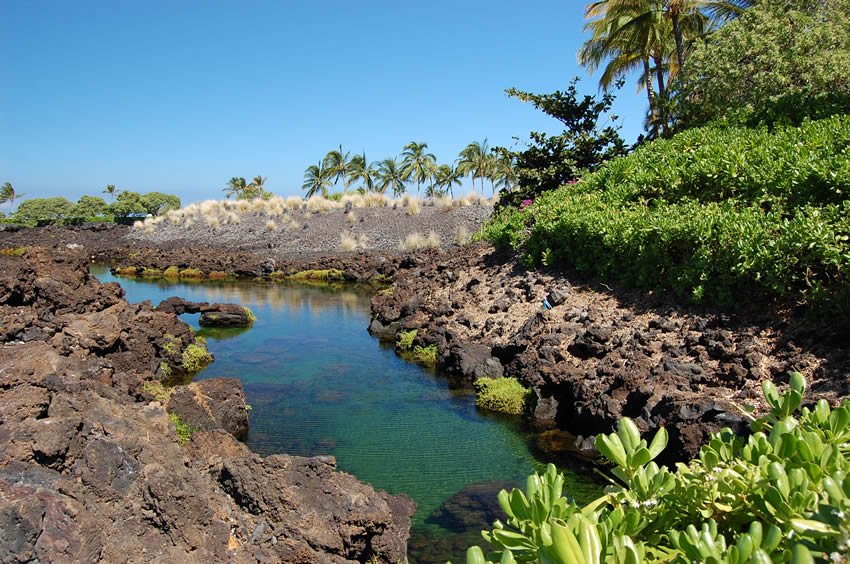
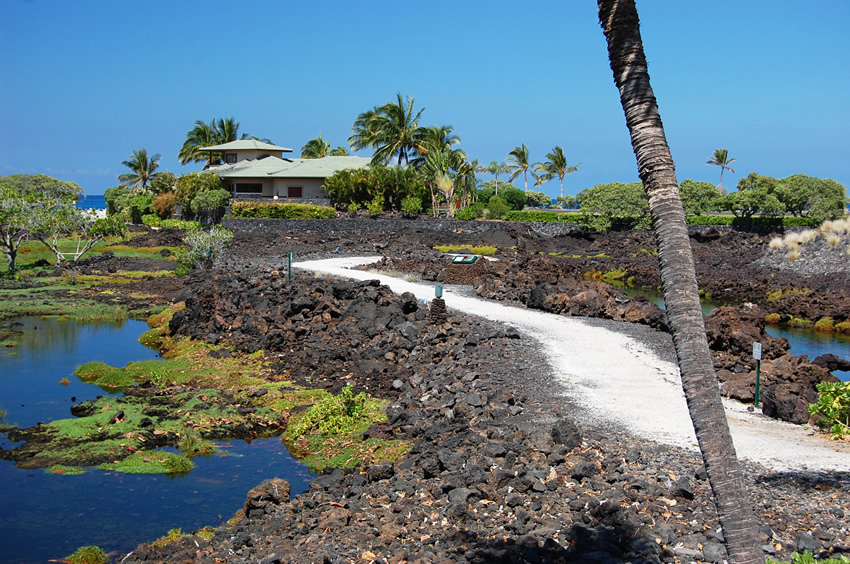
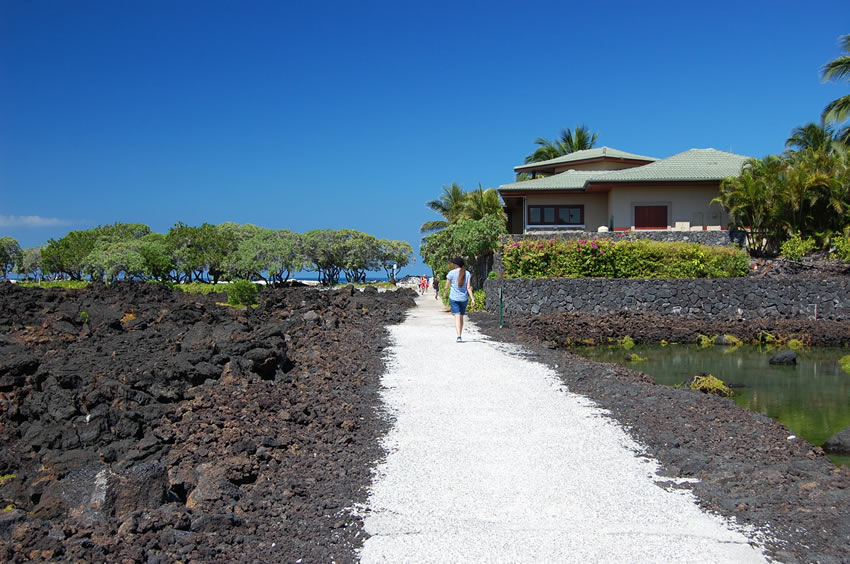
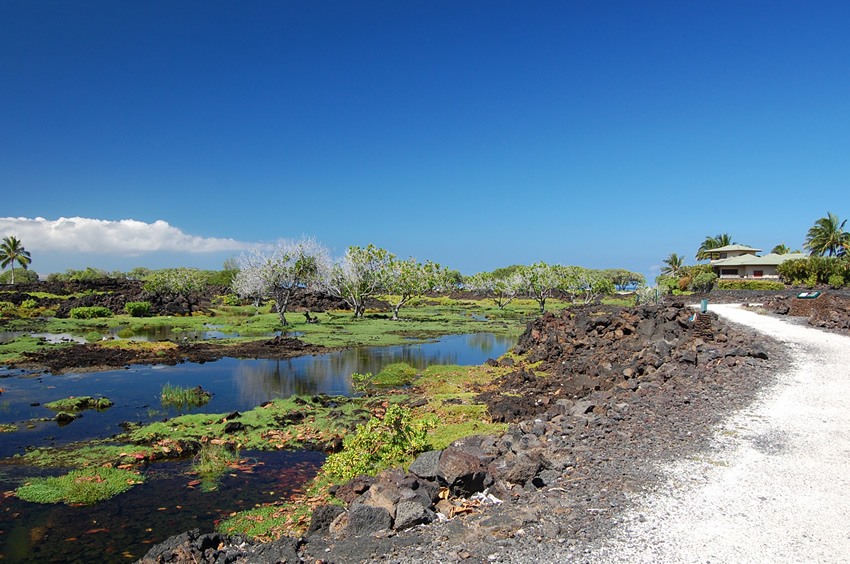
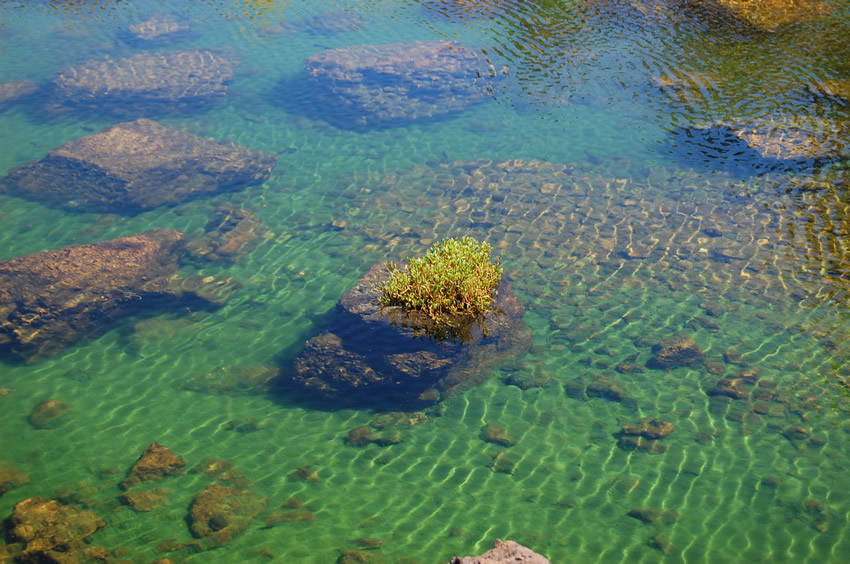
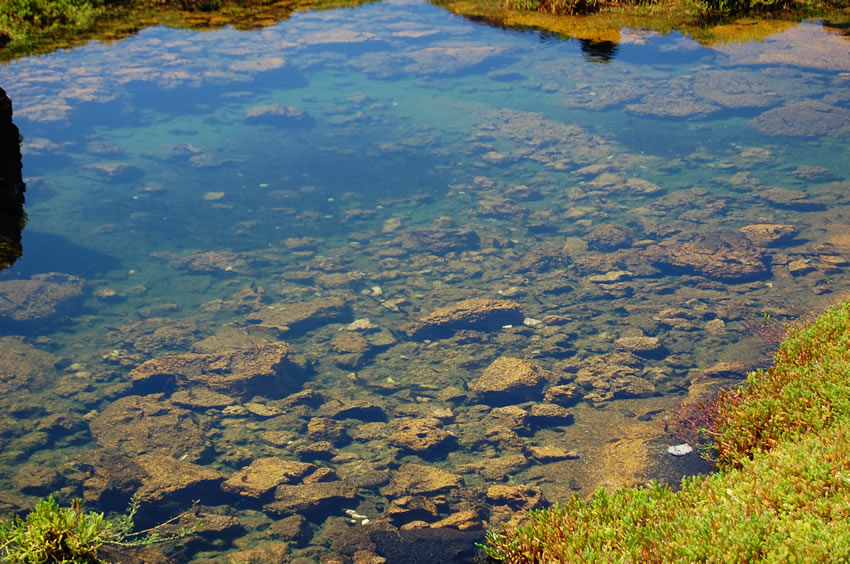
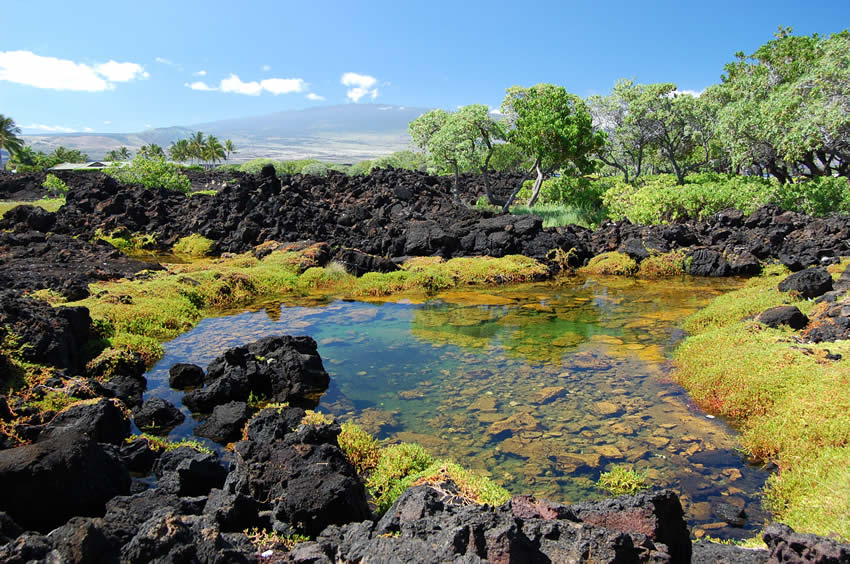
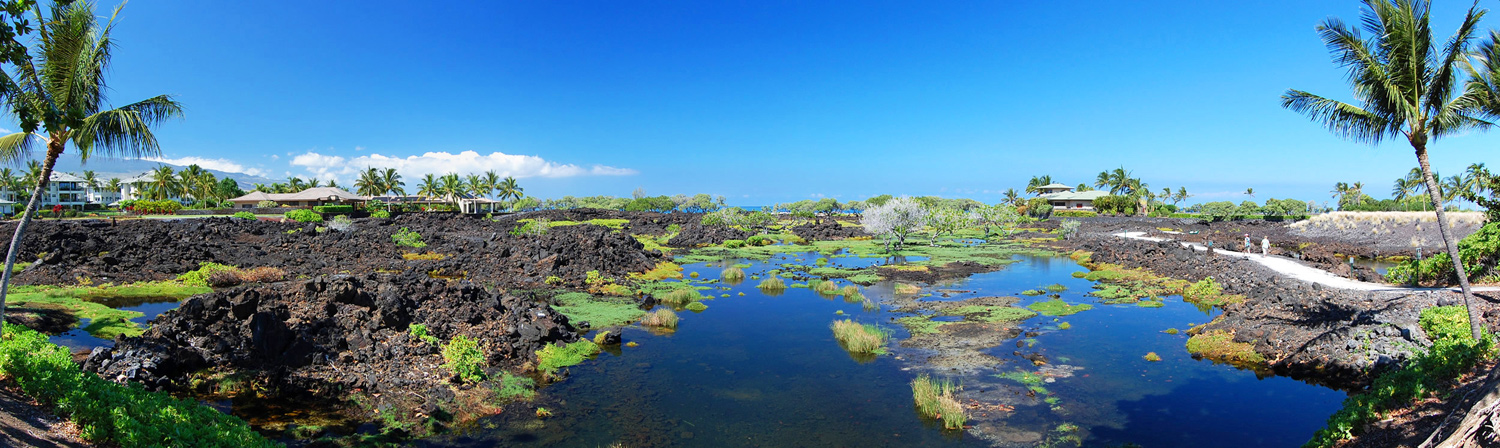
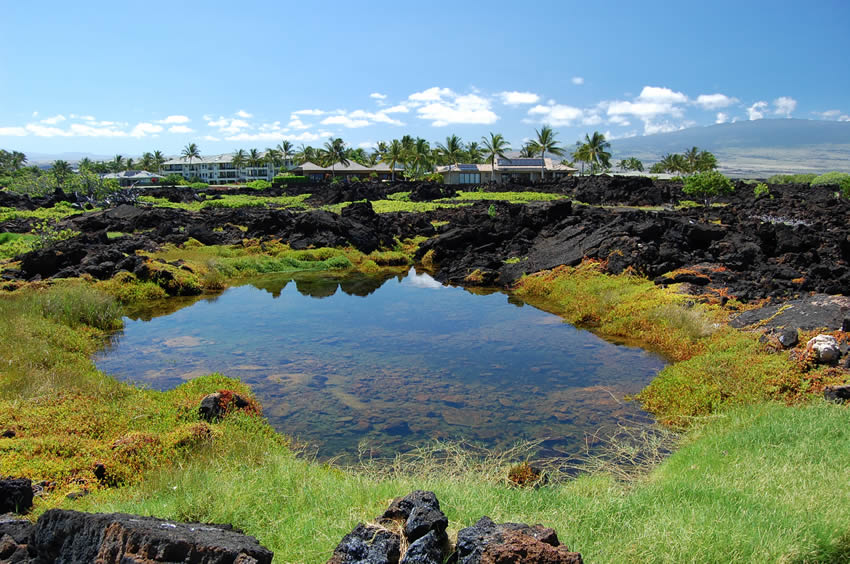
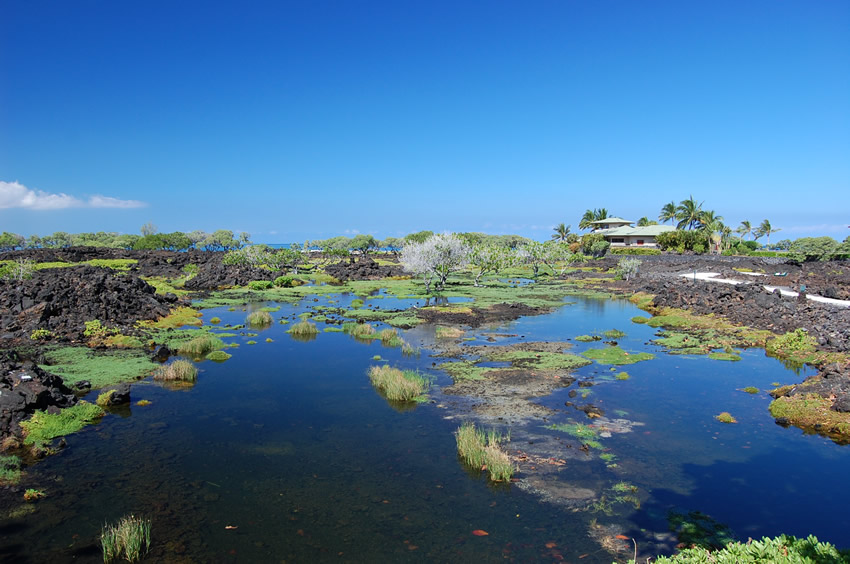
Located within the Waikoloa Beach Resort, the Waikoloa Anchialine Ponds are an easily accessible natural attraction. This series of brackish water lava pools are home to various small fishes, tiny red shrimp and crustacean mollusks. A trail leads from the roadside parking area to the ocean. It is a nice 5-minute stroll with up-close views of the ponds. The Waikoloa anchialine ponds are managed for research and educational uses by the University of Hawaii.
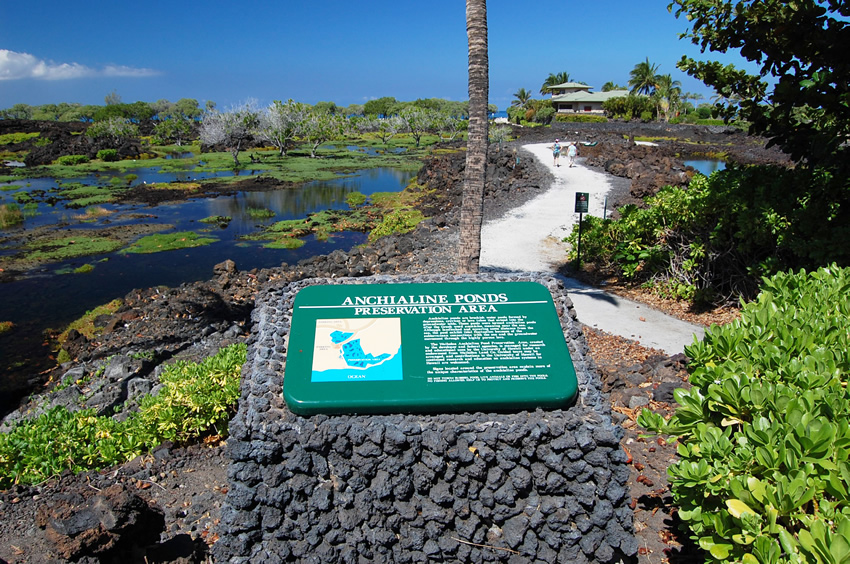
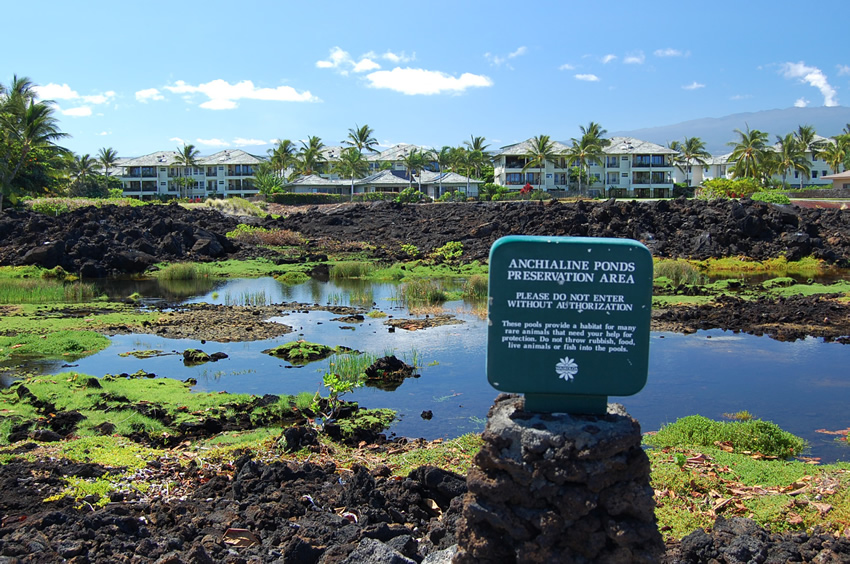
A sign at the entrance to the Waikoloa Anchialine Pond Preservation Area reads:
"Anchialine ponds are brackish water ponds formed by depressions, crevices or lava tubes that extend into the groundwater table. These pools were termed anchialine pools after the Greek word anchialos, meaning near the sea. Although landlocked and occurring some distance from the sea, the pool exhibit tidal fluctuation because of the subterranean connection with the sea and the groundwater movement through the highly porous lava."
Key Features
Waikoloa Anchialine Pond Preservation Area
Reviews
Reviews and Ratings
Share the first review
Have you visited Waikoloa Anchialine Pond Preservation Area? A few thoughtful details can help another traveler.
Been here? Share your experience
Map
Location, Parking and Directions
Waikoloa Anchialine Pond Preservation Area is located off Waikoloa Beach Drive in the Waikoloa Beach Resort area on Hawaii Island's Kohala Coast. The ponds sit near resort roads, coastal paths and lava shoreline scenery, with roadside parking nearby where allowed. Follow posted signs and stay on public paths around the ponds.
Photos
Waikoloa Anchialine Pond Preservation Area Photos
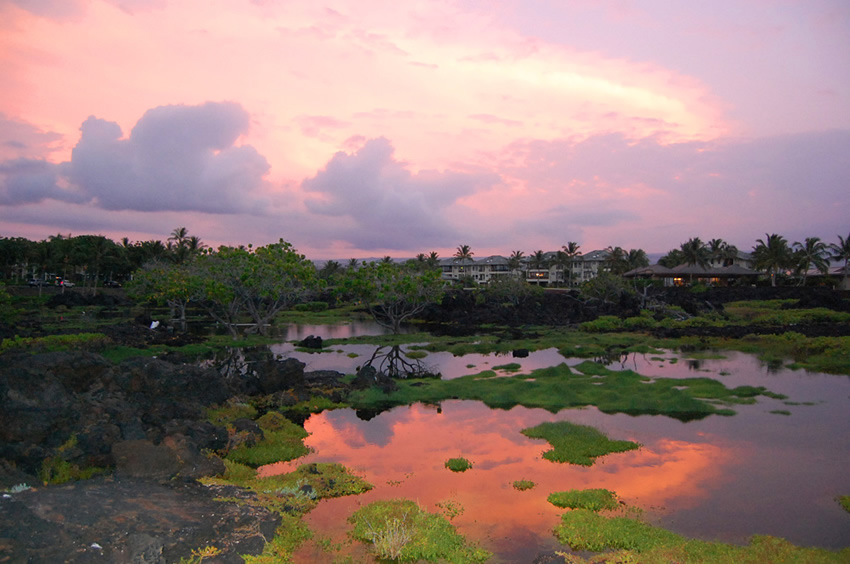
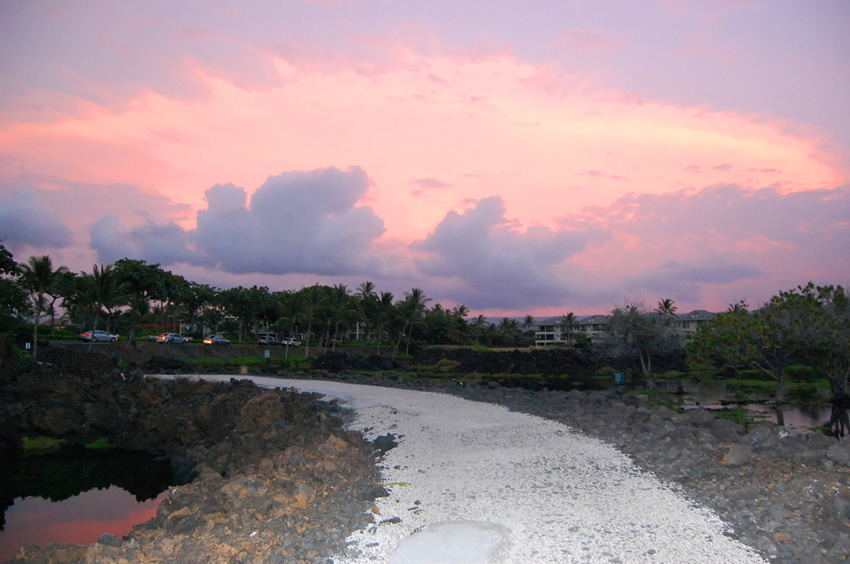
Photos show Waikoloa Anchialine Pond Preservation Area, brackish lava pools, shallow pond habitat, coastal paths, information signs, sunset light and Waikoloa resort-area scenery.
Video


