Japanese Cultural Center of Hawaii

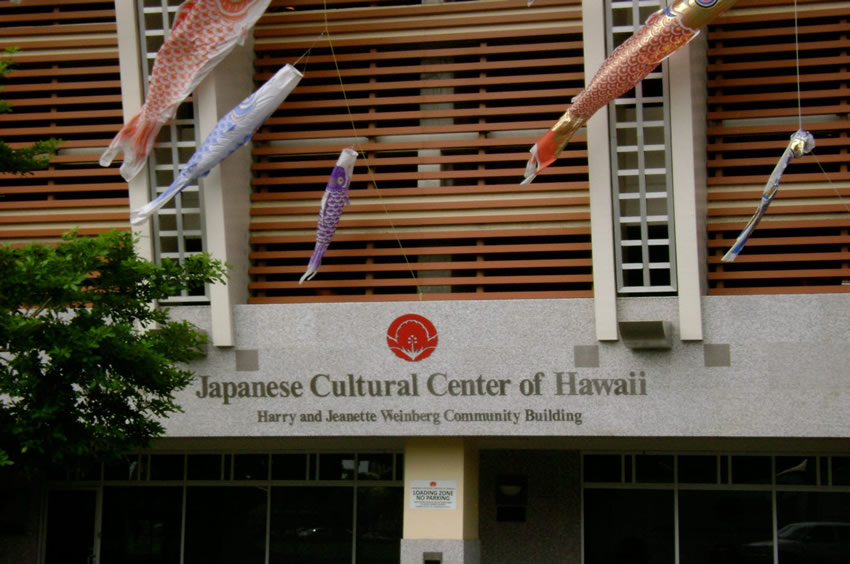
Japanese Cultural Center of Hawaii in Honolulu shares Japanese American history through Okage Sama De exhibits, cultural programs, a teahouse, dojo, gift shop and archives.

Japanese Cultural Center of Hawaii, Oahu

Hawaii's Japanese population has been instrumental in shaping the islands' diverse cultural landscape ever since the arrival of the first Japanese sugar plantation laborers in the late 1800s. Incorporated in 1987, this non-profit cultural center in the Mo'ili'ili neighborhood of Honolulu celebrates and educates the public about the ongoing Japanese American experience in Hawaii.

the Japanese Cultural Center of Hawaii (JCCH) offers many programs, classes, festivals and exhibits throughout the year. One week you may hear a concert of traditional Japanese music, the next week it's a lecture on lessons learned from the bombing of Hiroshima.

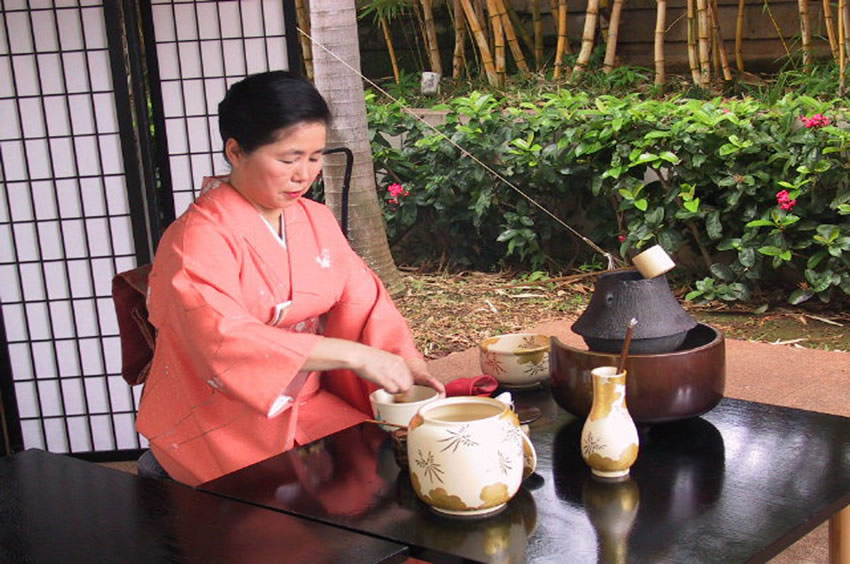
The JCCH also hosts art exhibits by important Japanese artists past and present. The center features a number of spaces, including a martial arts center dojo, an authentic Japanese teahouse and a 10,000 square foot ballroom with a 600-person seating capacity.
The JCCH also offers classes about various topics, such as Japanese braiding, tea ceremony etiquette and Japanese calligraphy.

If you're interested in taking home a souvenir, you can pick up some Japanese antiques and collectibles at the JCCH. Tea sets, woodblock prints, kimonos, Japanese dolls and more are available for purchase.

Key Features

Cultural center in Honolulu's Mo'ili'ili neighborhood
Focuses on Japanese American history in Hawaii
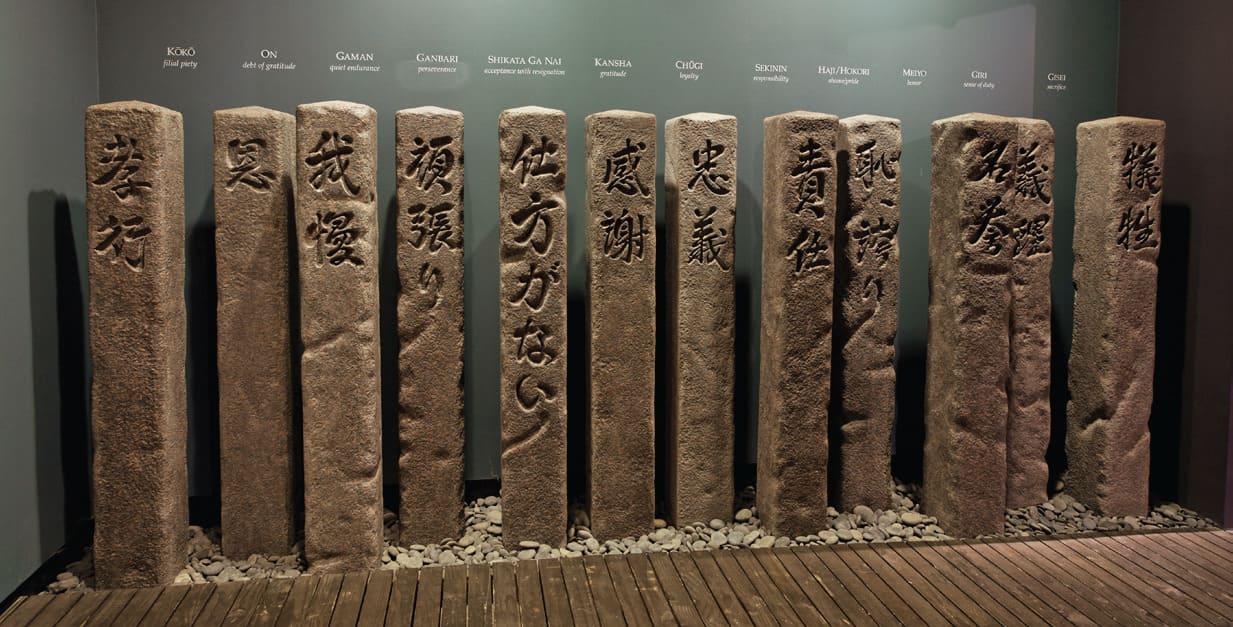
Okage Sama De gallery shares stories beginning with early immigration
Teahouse, martial arts dojo, gallery, gift shop and resource center
Classes, lectures, festivals, exhibits and remembrance events may be offered
Tokioka Heritage Resource Center access may require an appointment
Check gallery hours, admission, events, appointments and parking before visiting
Located at 2454 South Beretania Street in Honolulu

Frequently Asked Questions

What does Okage Sama De mean?

Okage Sama De is often translated as "I am what I am because of you," a phrase that reflects gratitude to earlier generations and the community history shared in the gallery.

Why is the center in Mo'ili'ili?

Mo'ili'ili has deep connections with Honolulu's Japanese American community, making the neighborhood a fitting setting for exhibits, archives and cultural programs.

What can visitors see besides exhibits?

The center also has cultural spaces such as a teahouse, dojo, gift shop and areas used for classes, lectures, ceremonies and community events.

Is the Tokioka Heritage Resource Center for casual browsing?

The resource center is more research-focused, so visitors should contact the center before going if they want to use archives or family history materials.

How does this museum connect with Hawaii plantation history?

The exhibits connect Japanese immigration, plantation labor, family life, wartime history and later generations, helping explain an important part of Hawaii's multicultural story.