Kailua Beach Park, Oahu
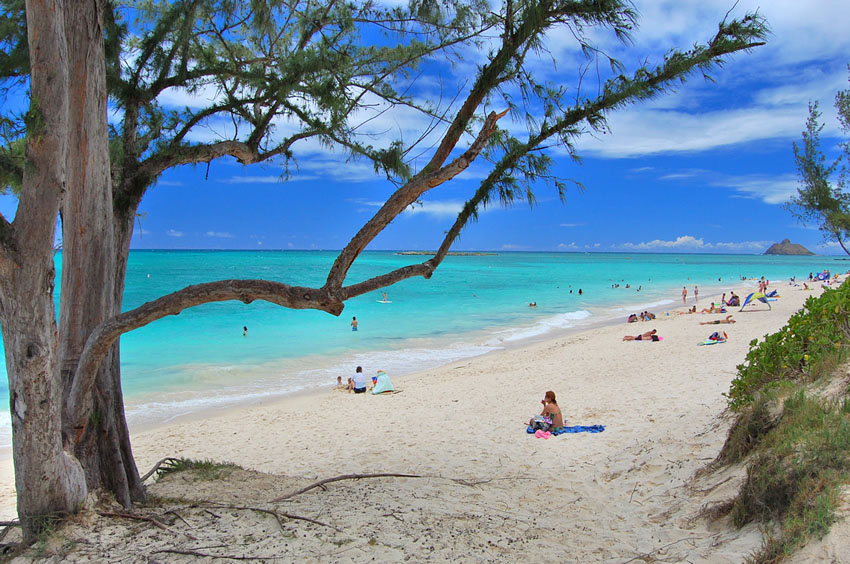
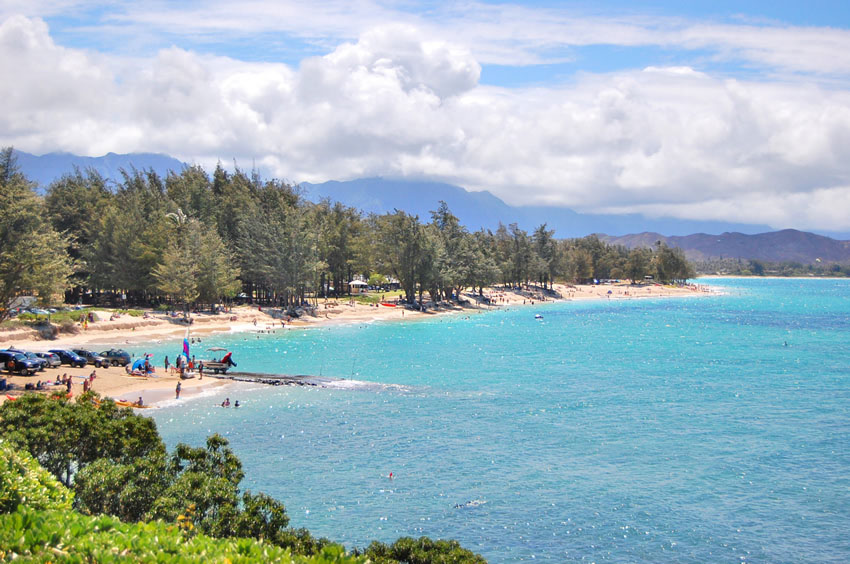
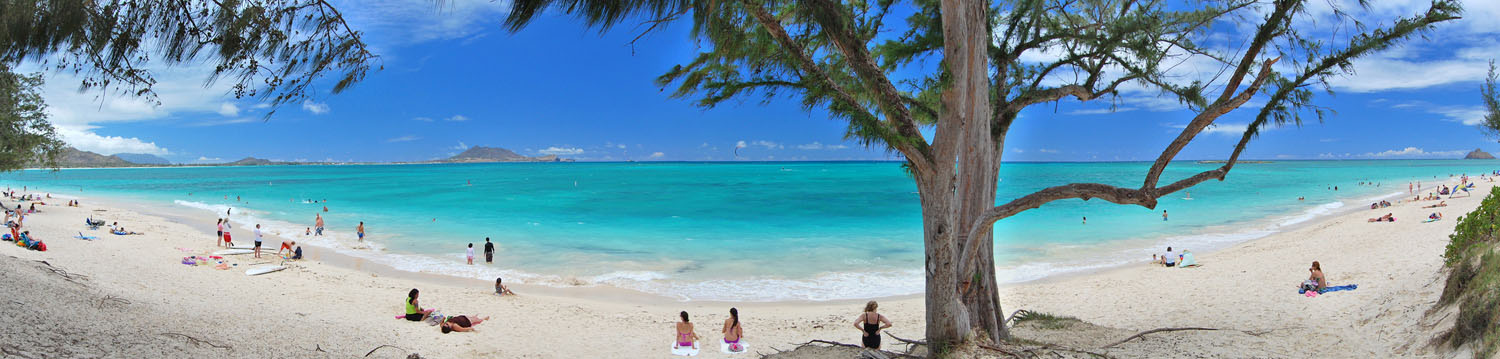
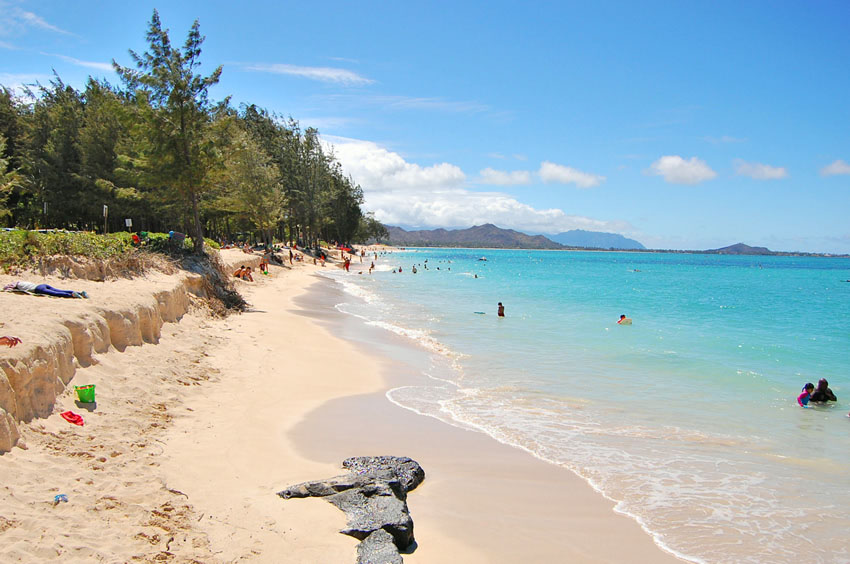
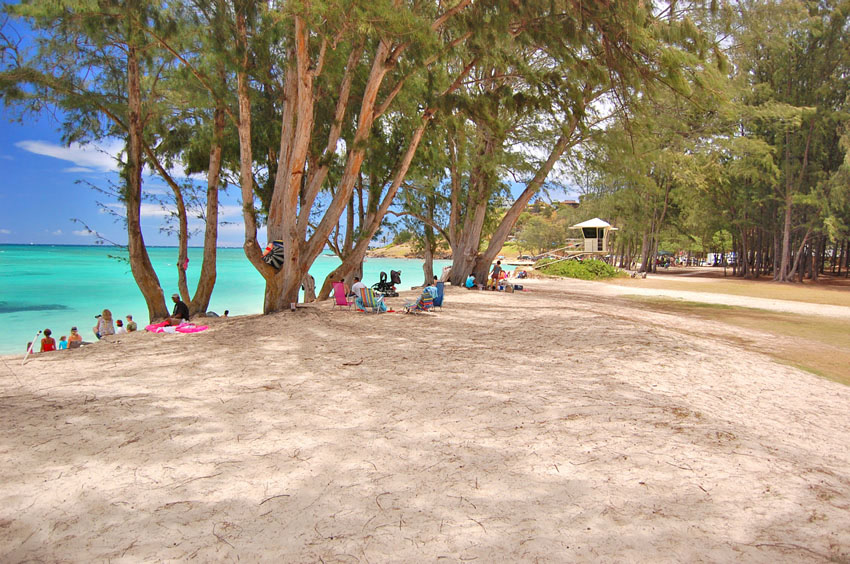
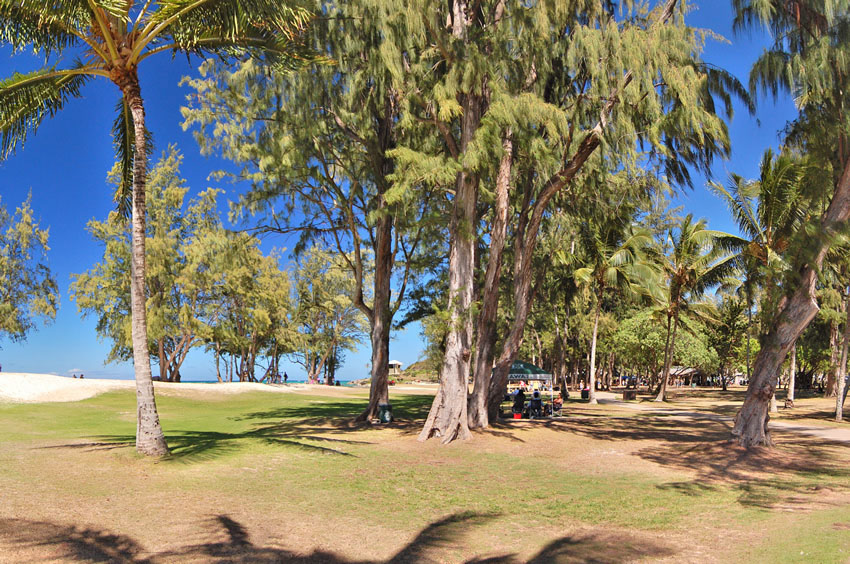
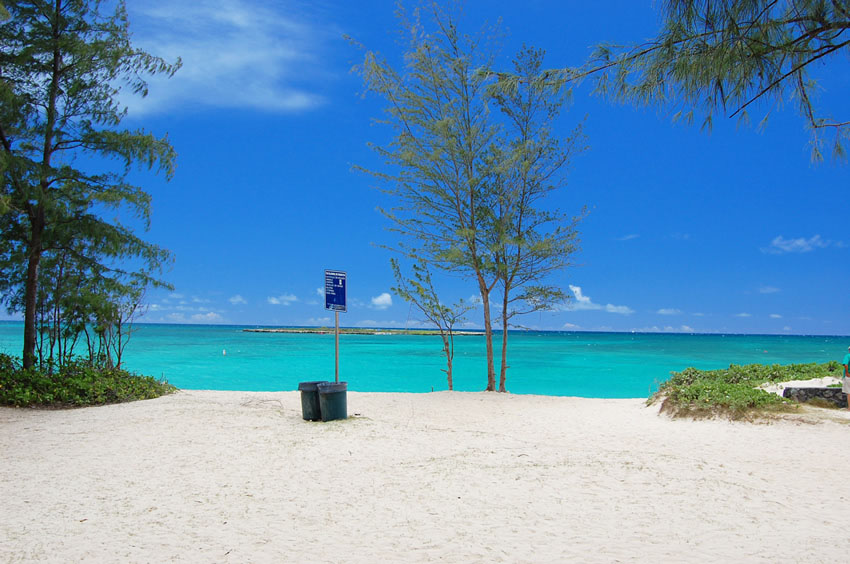
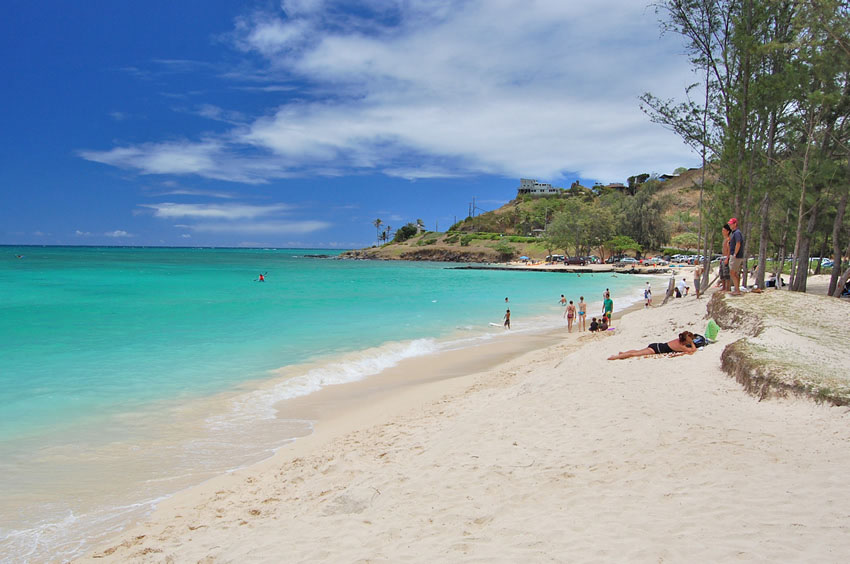
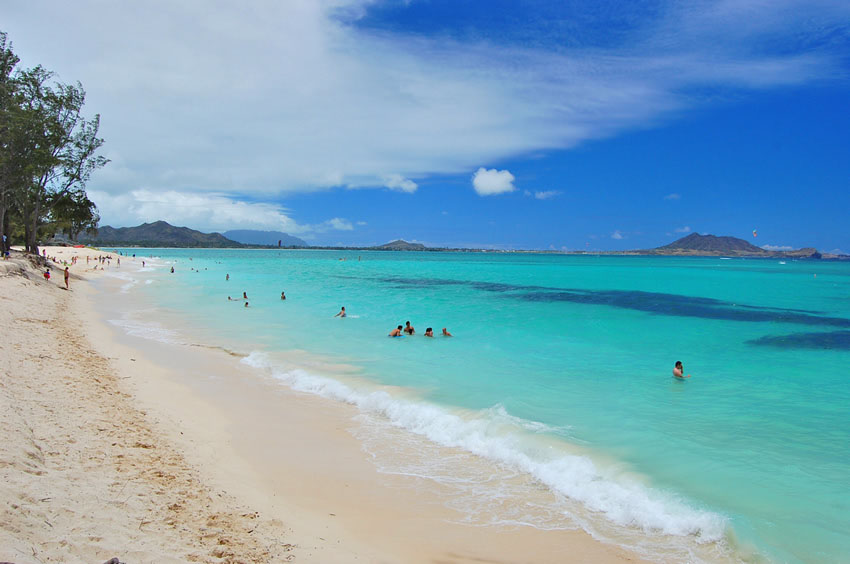
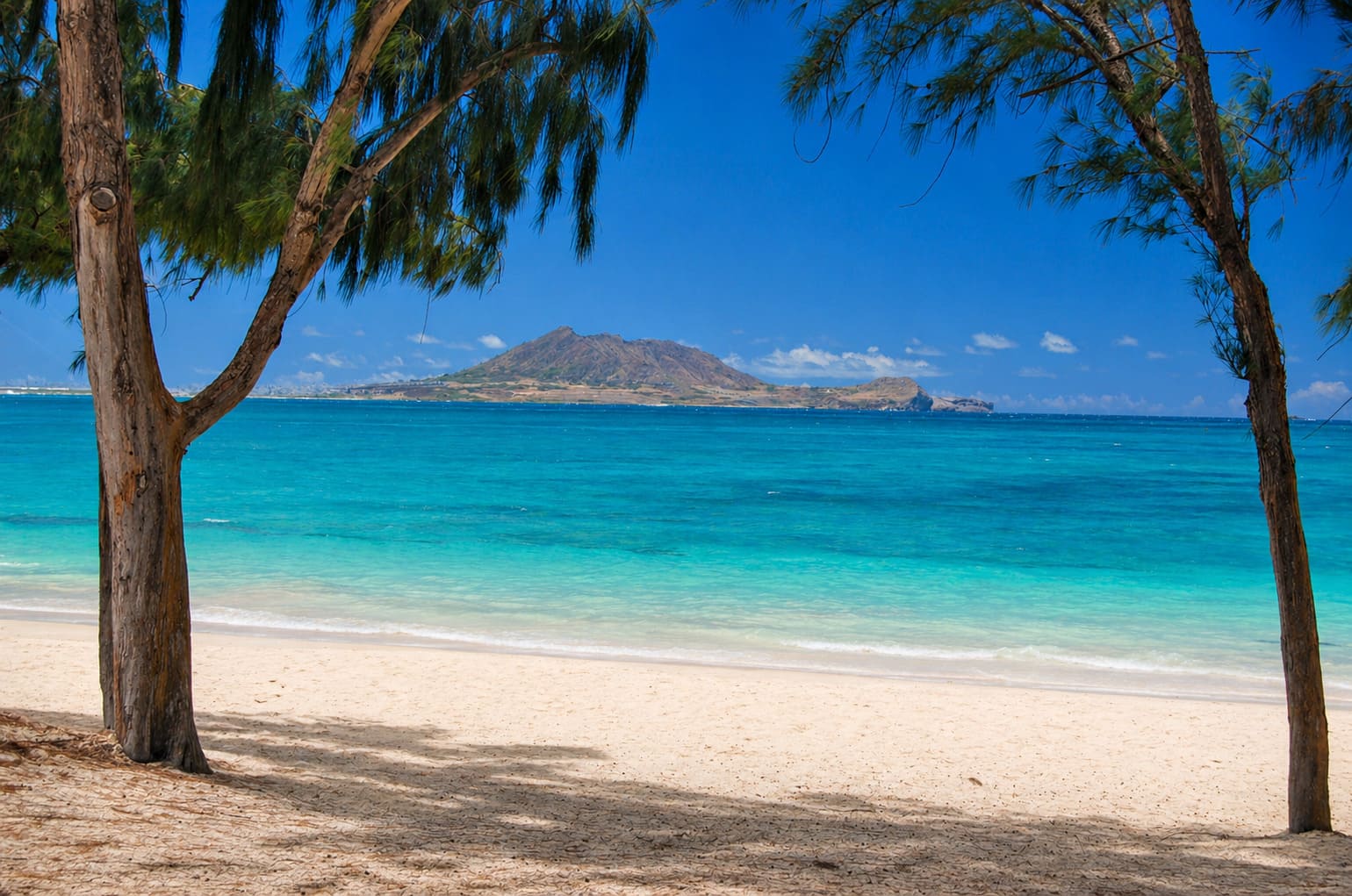
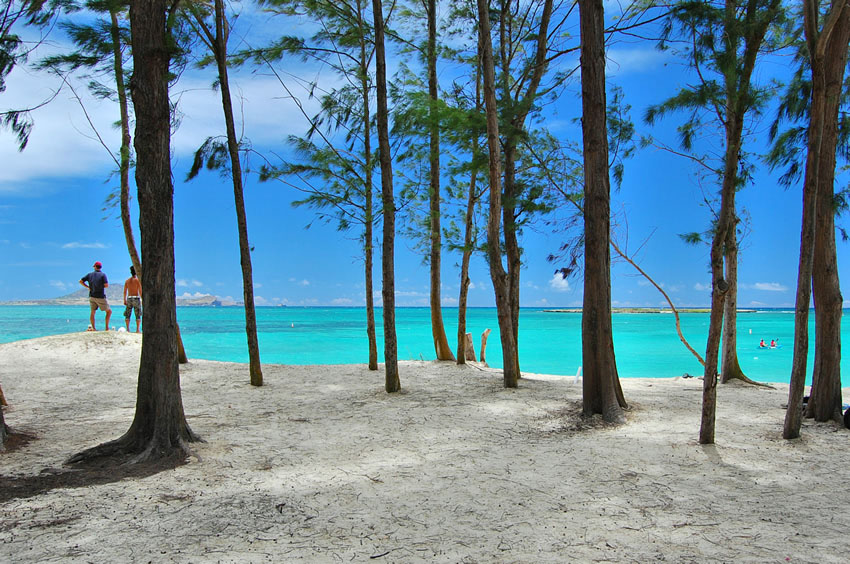
If you could squeeze Hawaii into a single mile, you'd probably get something like Kailua Beach Park . Located on Oahu's windward coast, Kailua gives you the whole package: soft white sand, towering ironwood trees with a few coconut palms inbetween and crystal clear, turquoise waters. Even the locals never get tired of this place - you see them working out here first thing in the morning and barbecuing until sundown. In 2019, Kailua Beach was named America's Best Beach by coastal scientist Dr. Stephen Leatherman, aka Dr. Beach. He has been drafting his annual top beaches list since 1991 and uses 50 criteria to evaluate beaches, with the most important categories being water cleanliness, safety and management of the beach environment and its facilities.
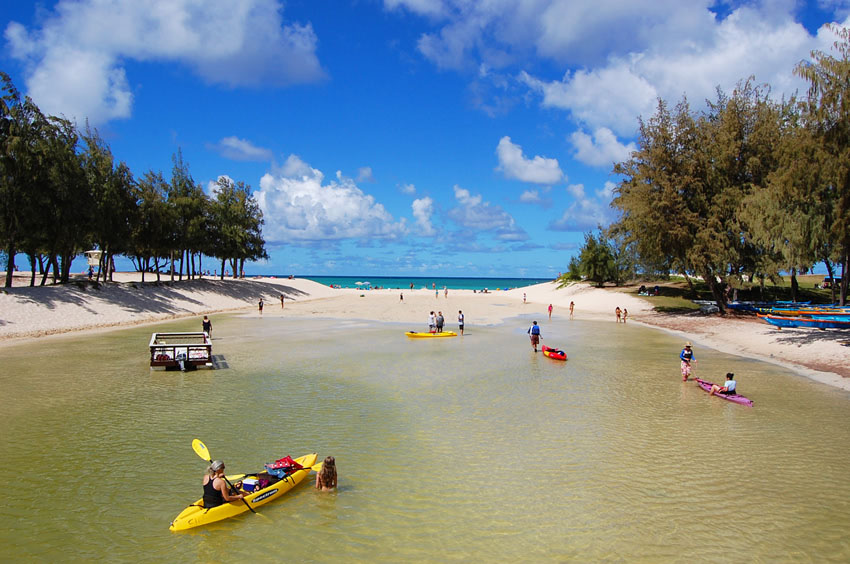
Kailua Beach has just the right size surf for an exciting ride, but is calm enough to be suitable for beginners. Kailua is also a world-class kite and windsurfing destination. Kite and windsurfers usually enter the ocean and surf around the center and north end of the Kailua shore. The best area for swimming and for families with children is near the boat ramp and around the area where the Ka'elepulu Stream enters the ocean (near the south end of the beach). Lifeguards are also stationed in this area.
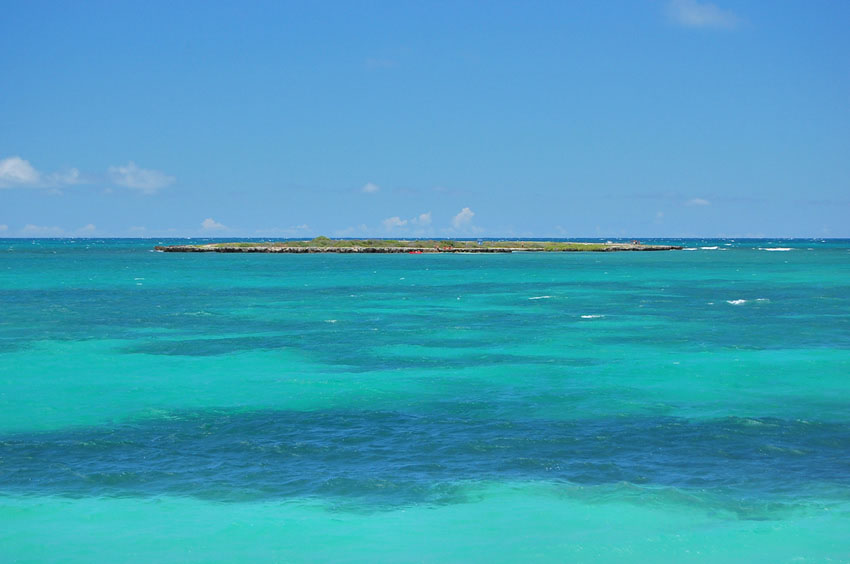
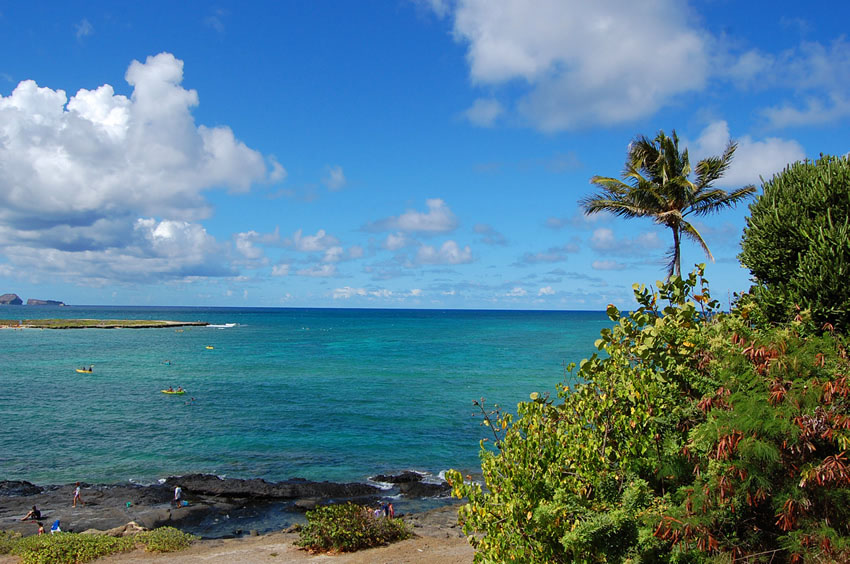
If you're into kayaking, a popular destination is nearby Popoi'a Island (also known as Flat Island), located about a quarter of a mile (400 m) offshore. The island has a small sandy beach, but is otherwise barren. In the center of the island used to be an ancient Hawaiian fishing shrine, but it was destroyed by a tsunami in 1946. In the Hawaiian language, "popoi'a" means "rotten fish." The name probably refers to offerings that were left behind at the shrine. The area is also great for snorkeling, especially in the summer. Here you'll find a good population of green sea turtles and other rare creatures. Flat Island is also a seabird sanctuary.
One thing to watch out for is the occasional appearance of Portuguese man-of-war and box jellyfish. They usually invade the beaches 9-12 days after a full moon, but may appear on other days as well. Their sting can cause a painful rash with even the slightest touch. Watch out for warning signs posted on the beach.
Kailua Beach has suffered from erosion for many years, but the situation has worsened after several days of high surf in mid-January 2013 when even the Kailua boat ramp partially collapsed.
High surf took a chunk out of the shoreline at the south end of the beach, leaving exposed roots of trees. Some of the trees that were close to the shoreline were leaning dangerously or fell down, so that city crews were forced to cut them.
Things to Do at Kailua Beach
Swimming and Snorkeling
The south end of the beach, near the Ka'elepulu Stream and boat ramp, offers calm waters and lifeguards. Summer months are best for snorkeling, with chances to see sea turtles near the reef.
Kayaking to Flat Island
Just 0.25 miles offshore lies Popoi'a (Flat Island), a popular kayaking destination and seabird sanctuary. Visitors can paddle out and land on its small beach, exploring tidepools and scenic views of the coast.
Kite Surfing and Windsurfing
Kailua's steady tradewinds create perfect conditions for windsurfing and kiteboarding, especially near the northern stretch of beach. Equipment rentals and lessons are available nearby.
Beach Walks and Photography
Sunrises over Kailua Bay are spectacular. Photographers and casual strollers alike love the palm-lined trails and views of the Mokulua Islands and crystal-clear waters.
Family Picnics and Facilities
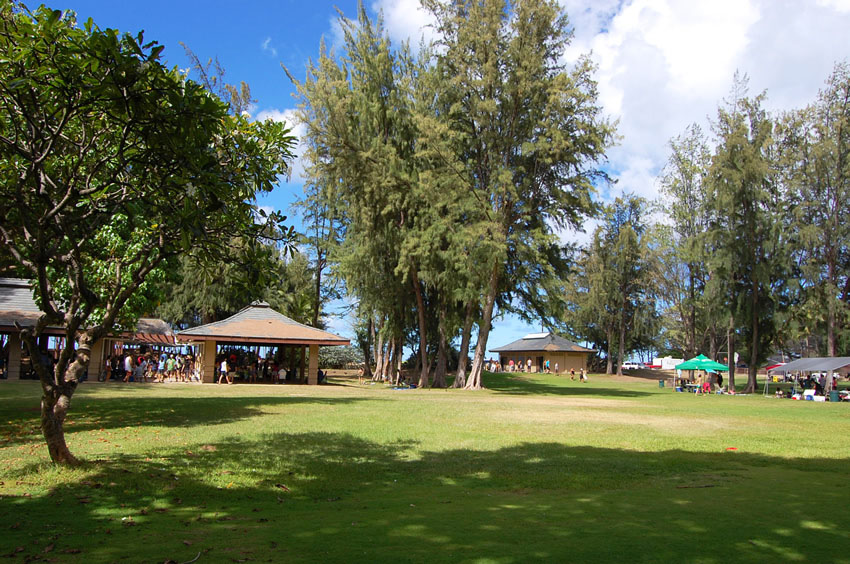
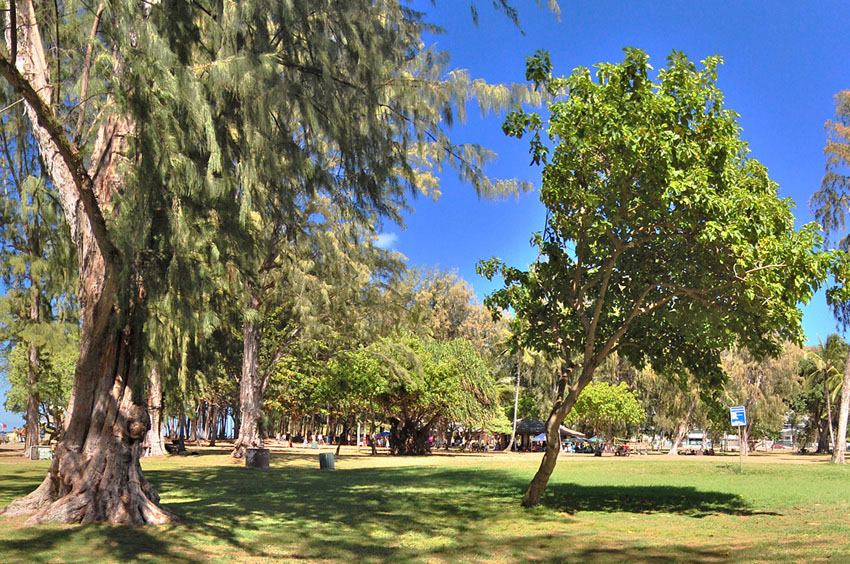
The 35-acre park includes picnic tables, grassy areas, restrooms, showers, and ample shaded spots under ironwood trees - perfect for day-long family outings.
Tips for Visiting Kailua Beach Park
Parking Tips
The main parking lot fills early, especially on weekends. Arrive before 9 AM for best access. Overflow parking is available on nearby side streets (check signage).
Jellyfish Warning
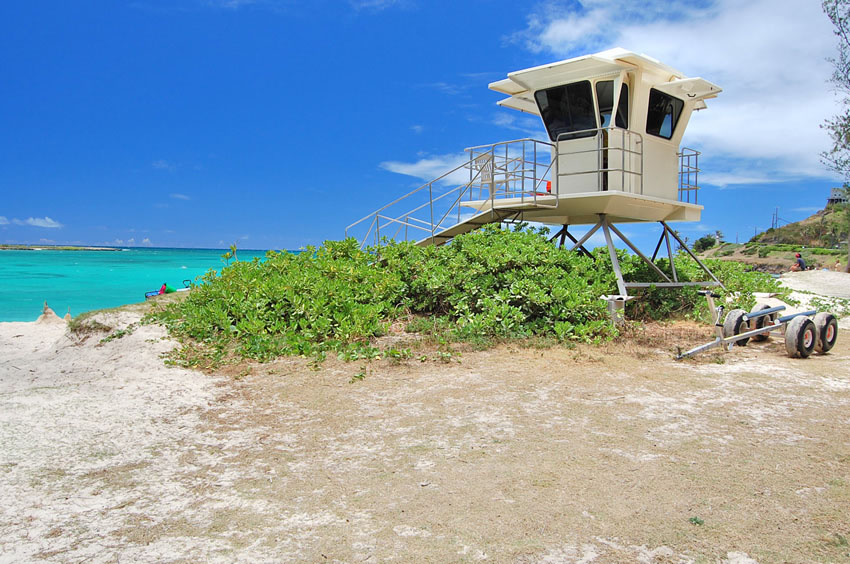
Watch for Portuguese man-of-war and box jellyfish, which may appear 9–12 days after a full moon. Look for warning signs near lifeguard towers.
Best Time to Visit
Early morning offers the calmest water, clearest skies, and easiest parking. Weekdays are typically less crowded.