
Papohaku Beach, Molokai
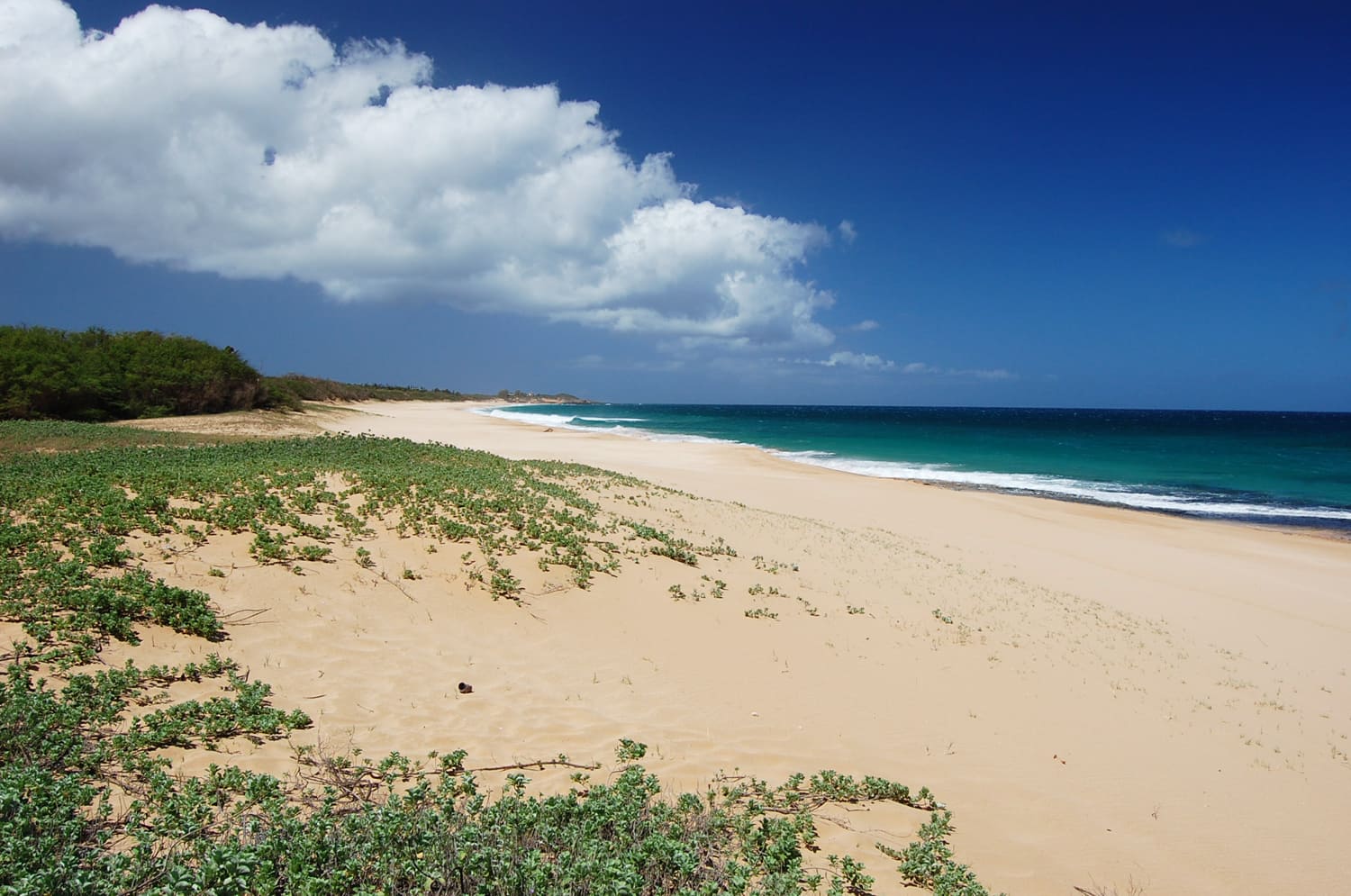
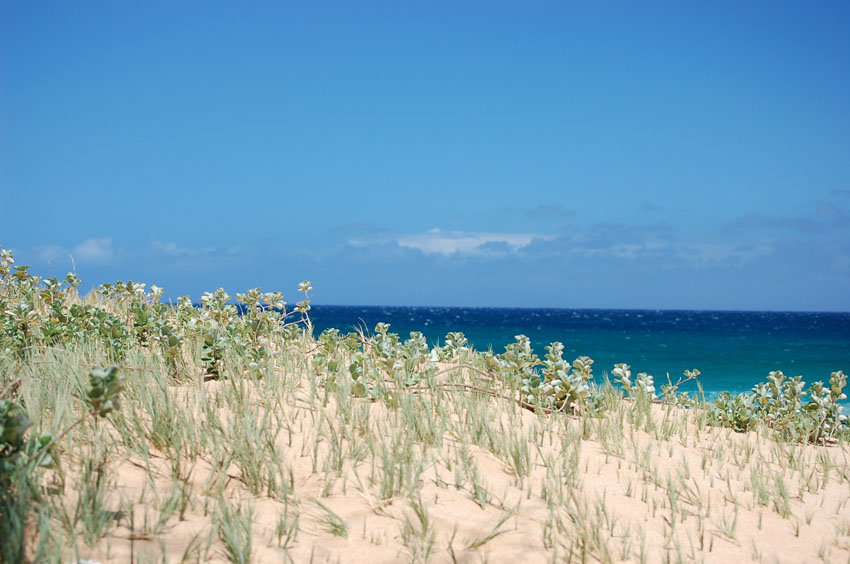
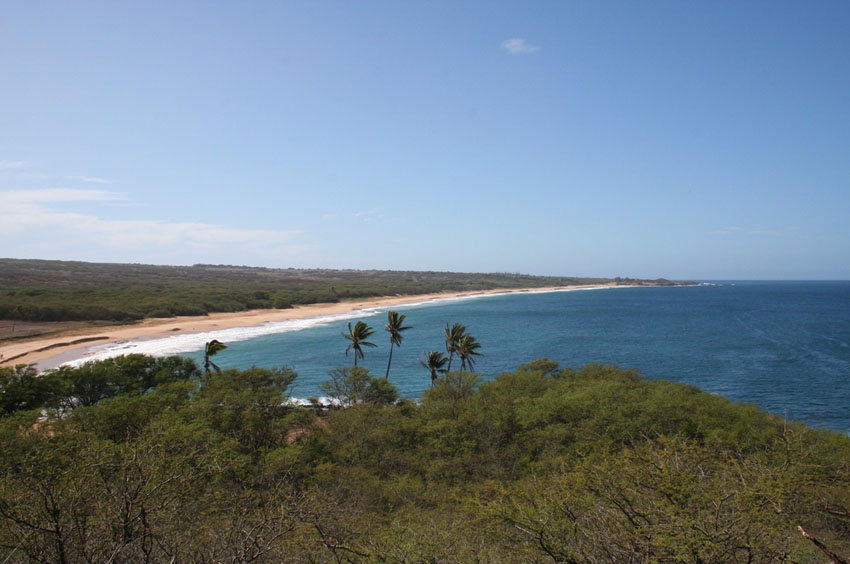
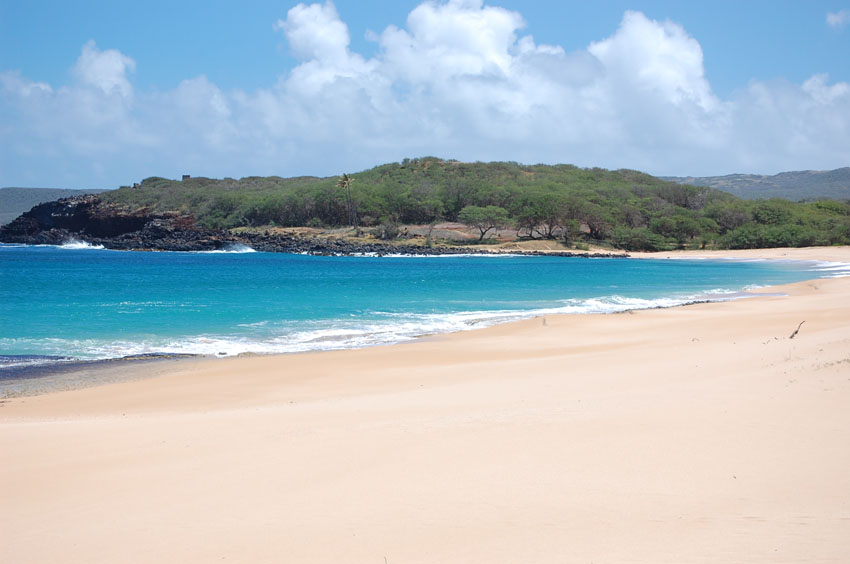
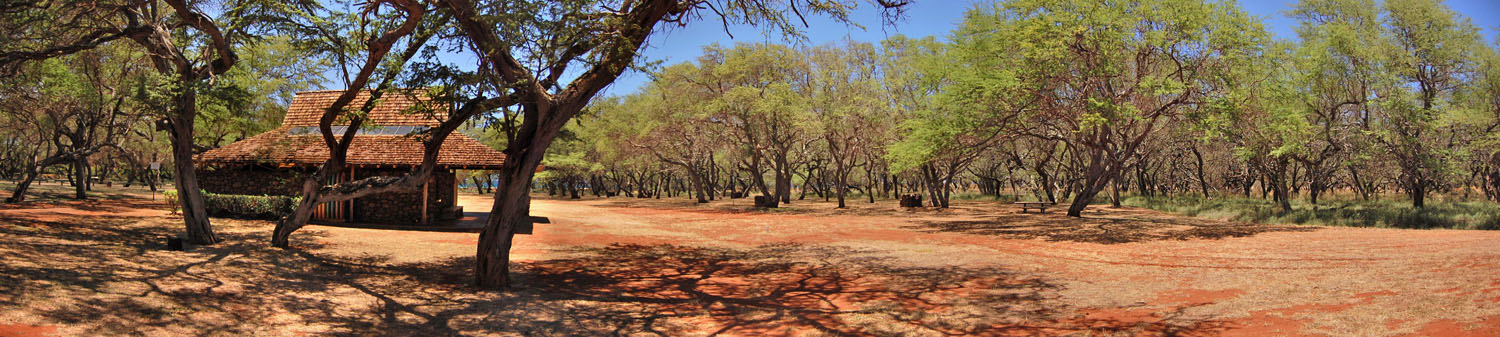
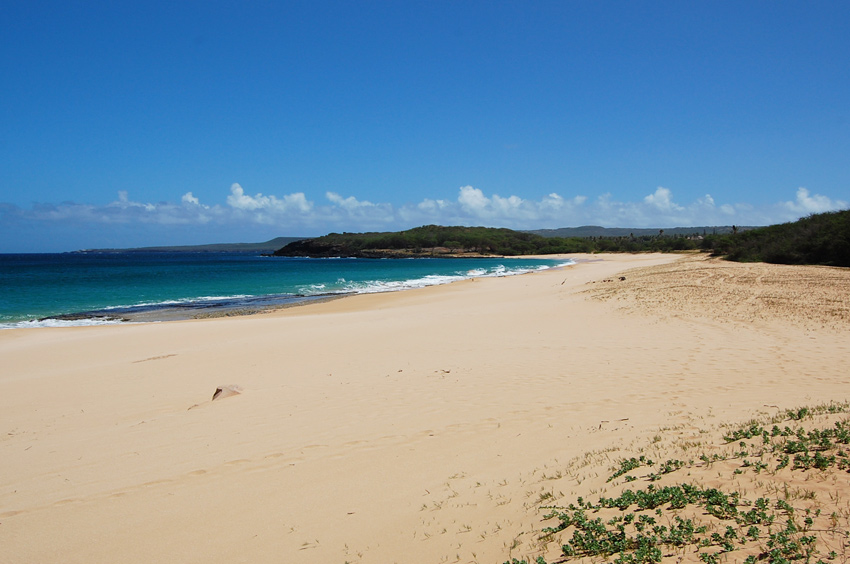
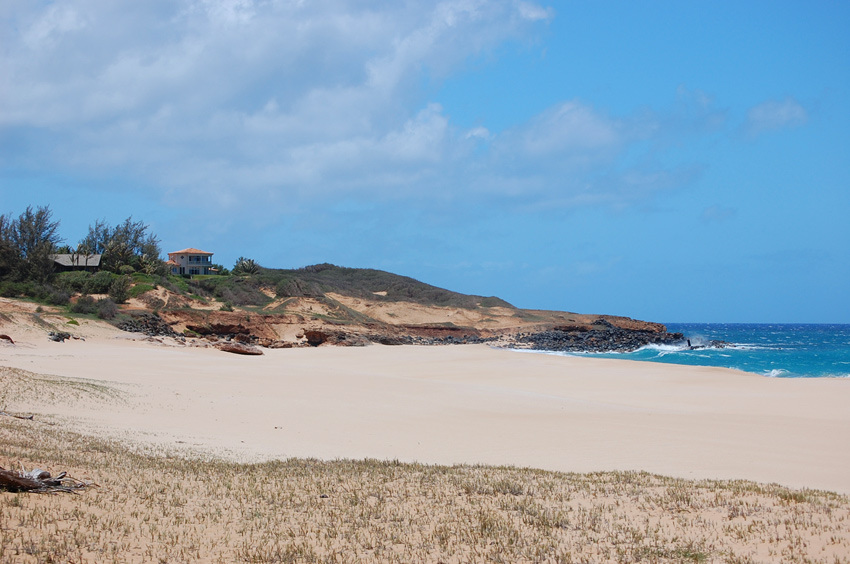
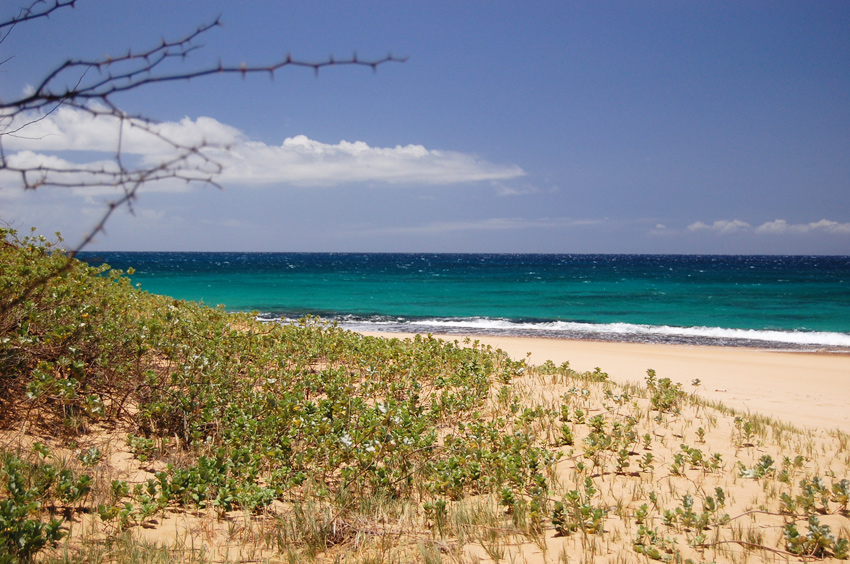
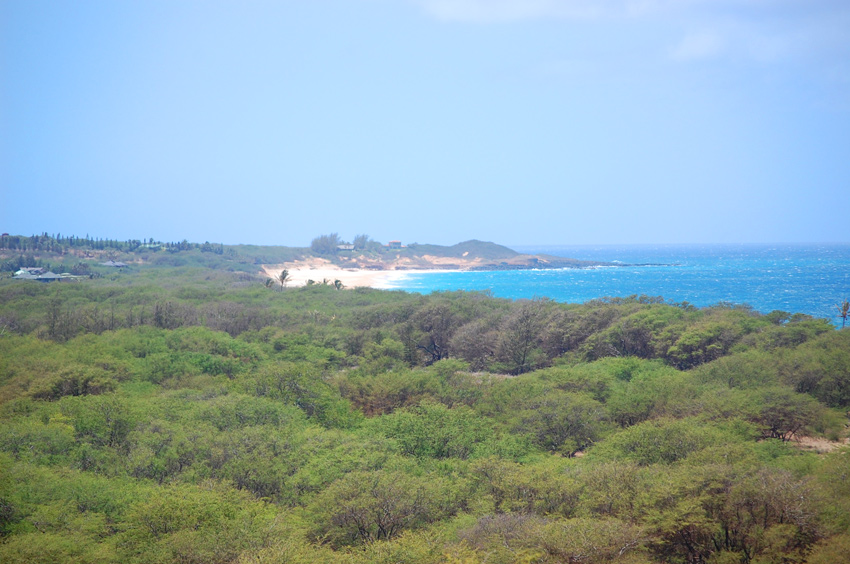
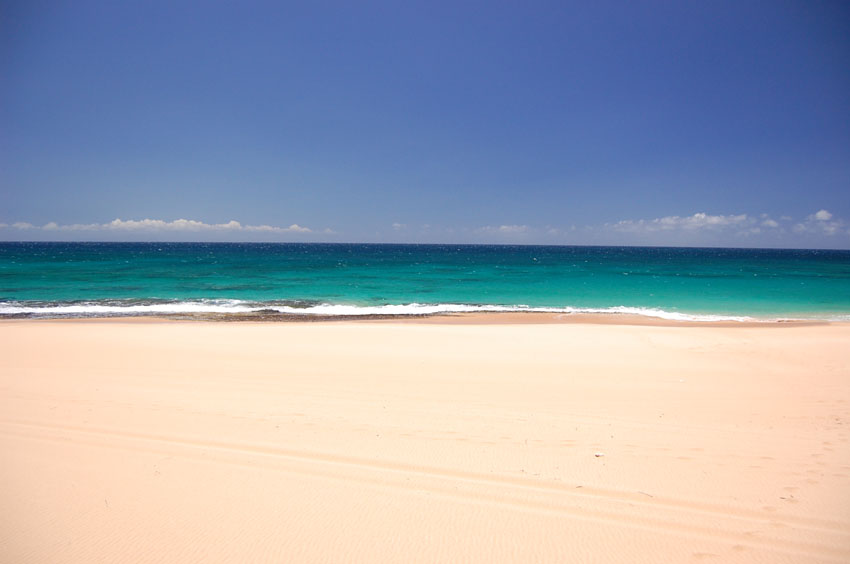
Spanning a distance of 2 miles (3.2 km) long and 100 yards (91 m) wide, Papohaku Beach on the west shore of Molokai is one of the longest and widest white-sand beaches in the Hawaiian Islands. Low sand dunes and thorny kiawe trees make up the backshore. It is a good beach for a long shoreline stroll.
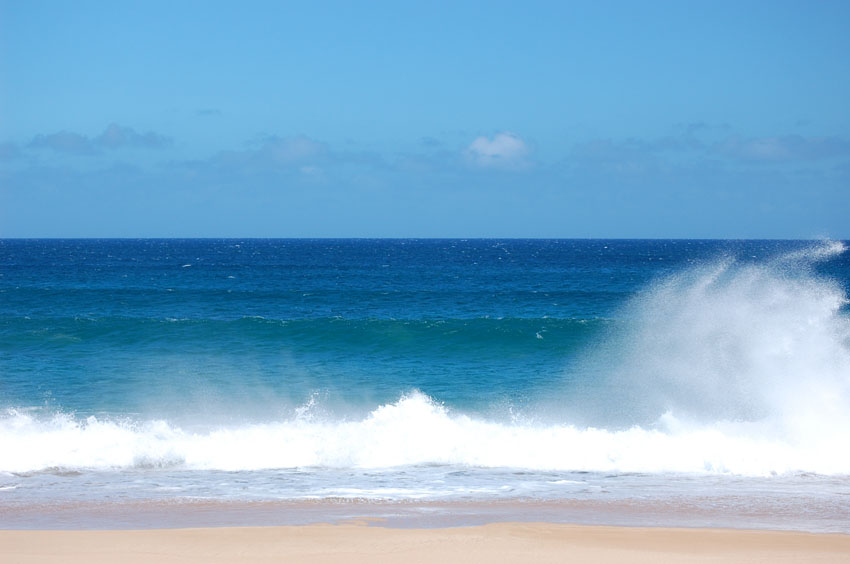
Even though the beach looks inviting, swimming isn't safe here due to strong rip currents. Papohaku Beach doesn't have a protective reef, so it is fully exposed to the open ocean. Strong surf can occur at any time of the year. Since nothing blocks the waves, they break forcefully and can wash up high on the beach, which can pose a danger to anyone walking near the water's edge, especially children. Occasionally, experienced bodyboarders go out and surf here, but this is not a beach for other water activities.
On windy days it can be unpleasant to picnic here or to lie down on a towel on the beach because the wind will blow the sand all over you. Even on moderately windy days, the wind can blow the sand all the way up to your chest.
For many years in the past, Papohaku Beach was the location of the largest sand mining operation in Hawaii. In the early 1960s, sand was taken from here and shipped to neighboring Oahu for use by the construction industry. This operation ended in 1975. A concrete tunnel on the beach is all that remains of the former sand mining industry.
Papohaku Beach was also the location of military exercises during World War II. Up until today, there are some wire rolls and other pieces of metal and even some abandoned vehicles partially buried in the middle of the beach at the water's edge, which are sometimes exposed during times of heavy surf. These objects can pose another hazard to beachgoers.
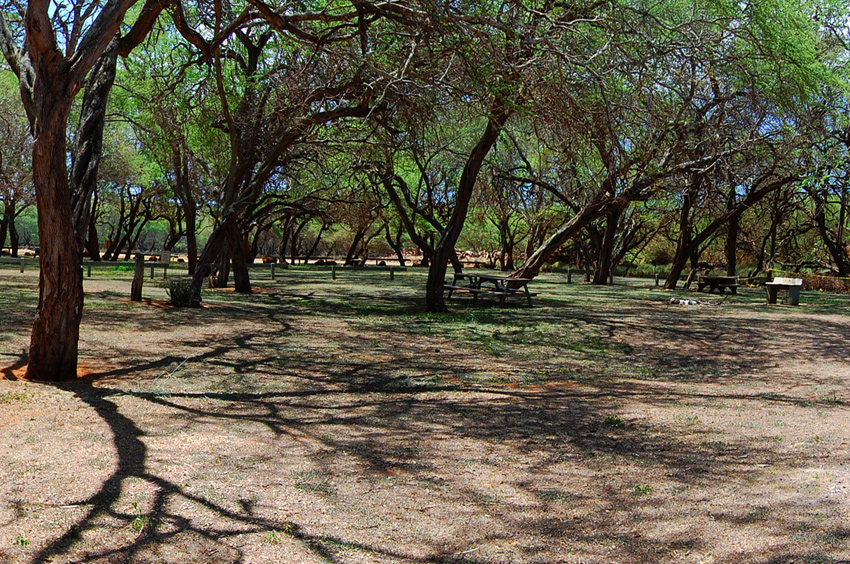
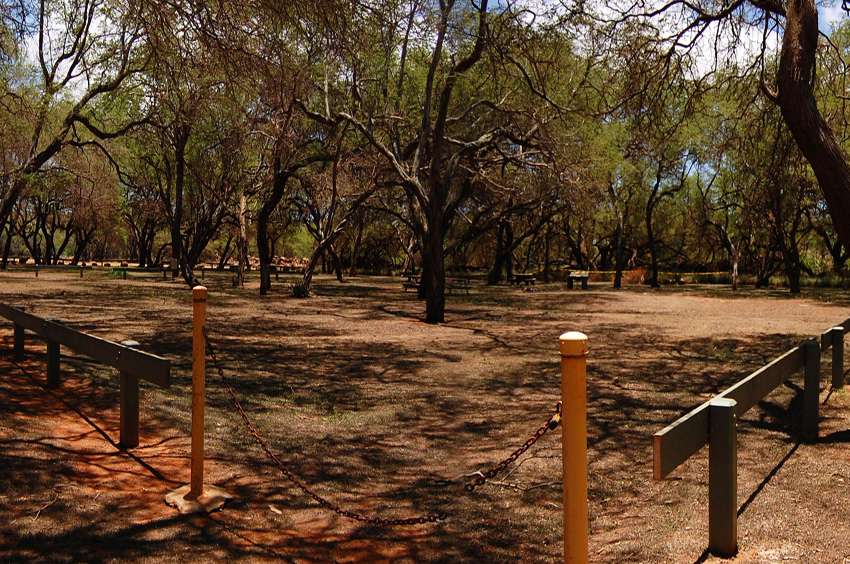
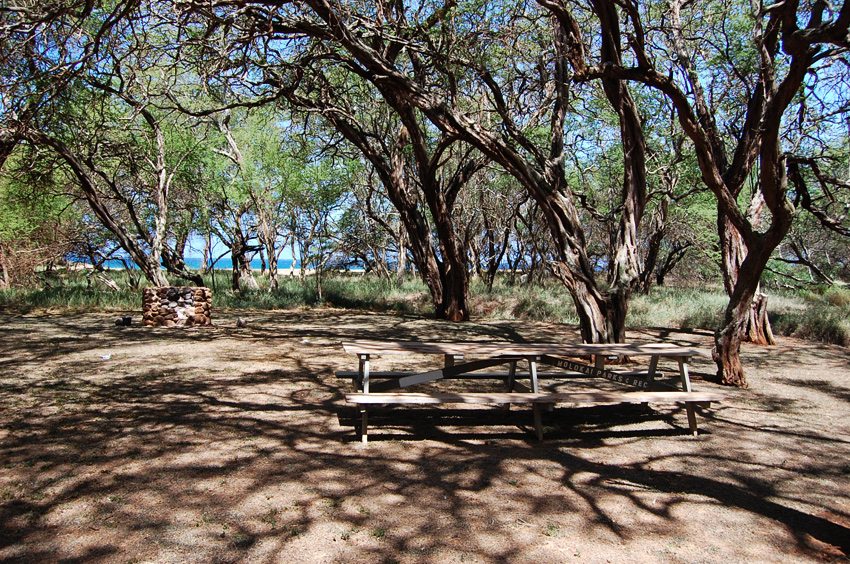
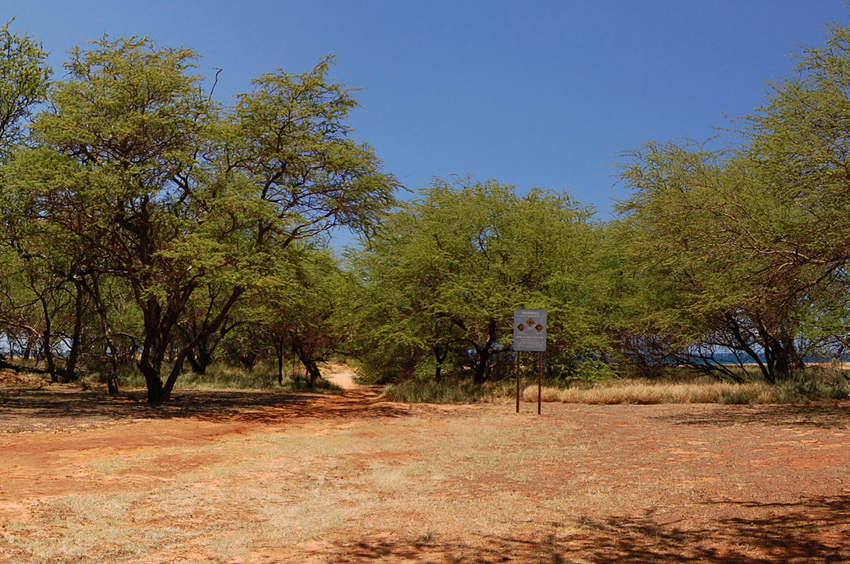
Editor's Note: Papohaku Beach is backed by a kiawe tree forest. Kiawe trees have thorns, so be careful when looking for a shady spot under a kiawe tree. Before sitting down, make sure there are no thorns in the sand. The thorns, which are up to one inch (2.5 cm) long, are also not very pleasant to step into. Wear shoes when walking from the parking area to the beach. After our recent visit to the beach, we had a couple of thorns stuck in our running shoes and were glad we didn't wear slippers (flip-flops).
Key Features
Beach Activities
Activities
Beach Facilities
Facilities
Reviews
Reviews and Ratings
Visitor Reviews
Rated 5.0 out of 5 based on 1 rated visitor review.
Been Here? Add your Review
Anita
May 03, 2012
Map
Location, Parking and Directions
Papohaku Beach is located on Molokai's west shore along Kaluakoi Road near Maunaloa. The main beach park entrance leads to the developed park area, while the long white-sand shoreline stretches north and south with dunes, kiawe trees and open ocean views.
Photos
Papohaku Beach Photos
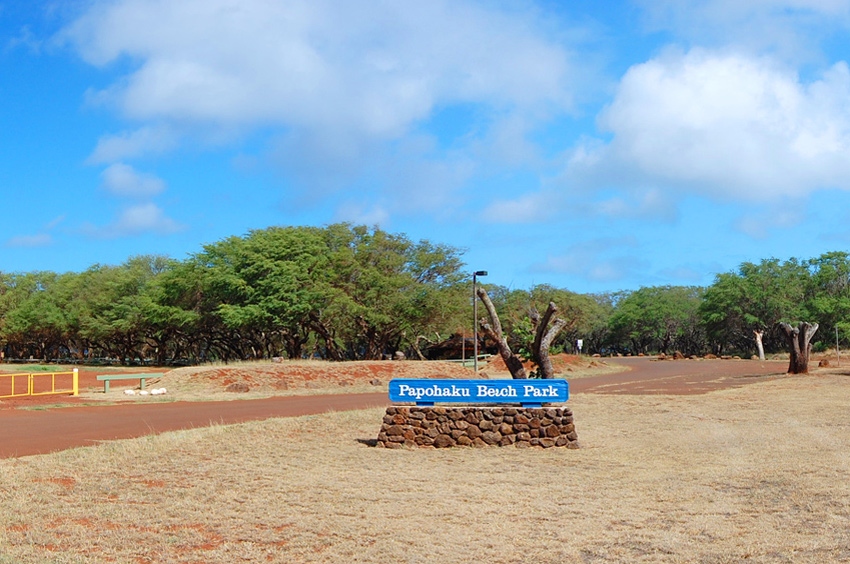
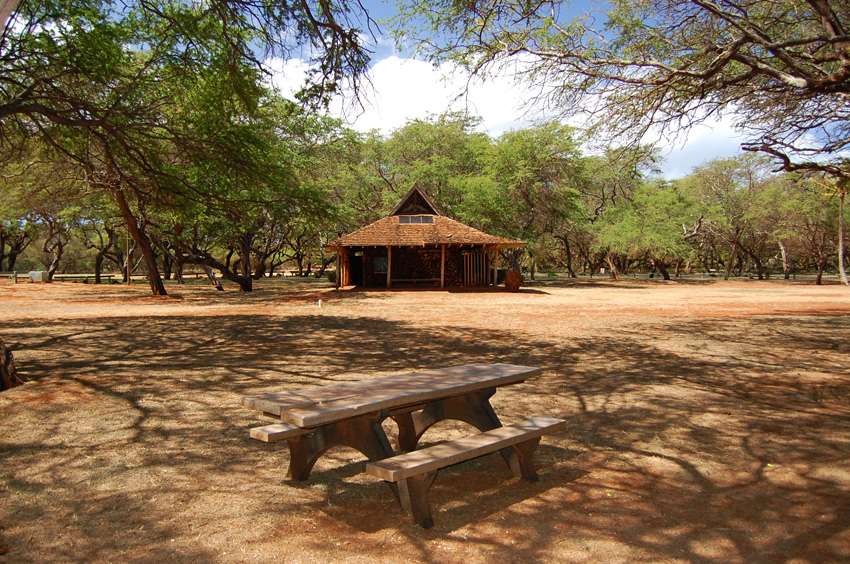
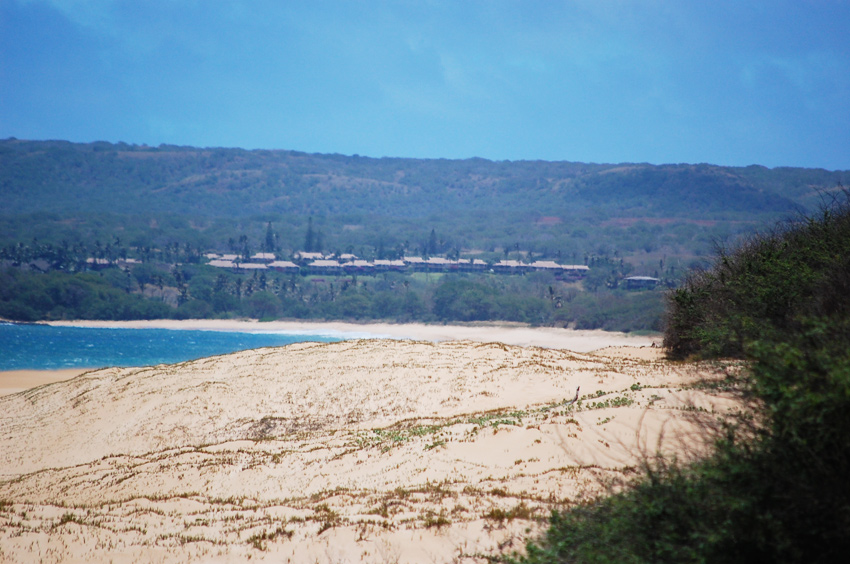
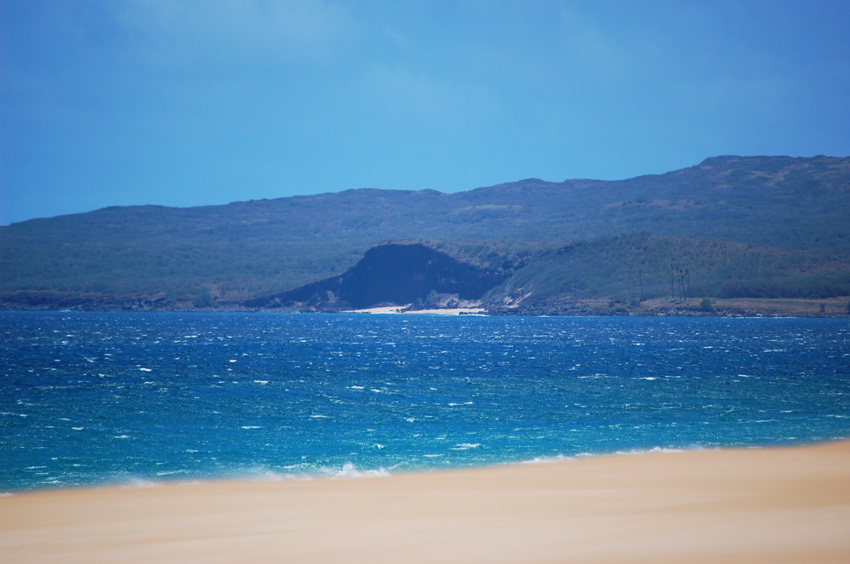
Photos show Papohaku Beach, the long white-sand shoreline, dunes, kiawe trees, warning signs, big surf, park entrance areas and west Molokai coastal views.
Video


