Big Island Town Guide

O'okala

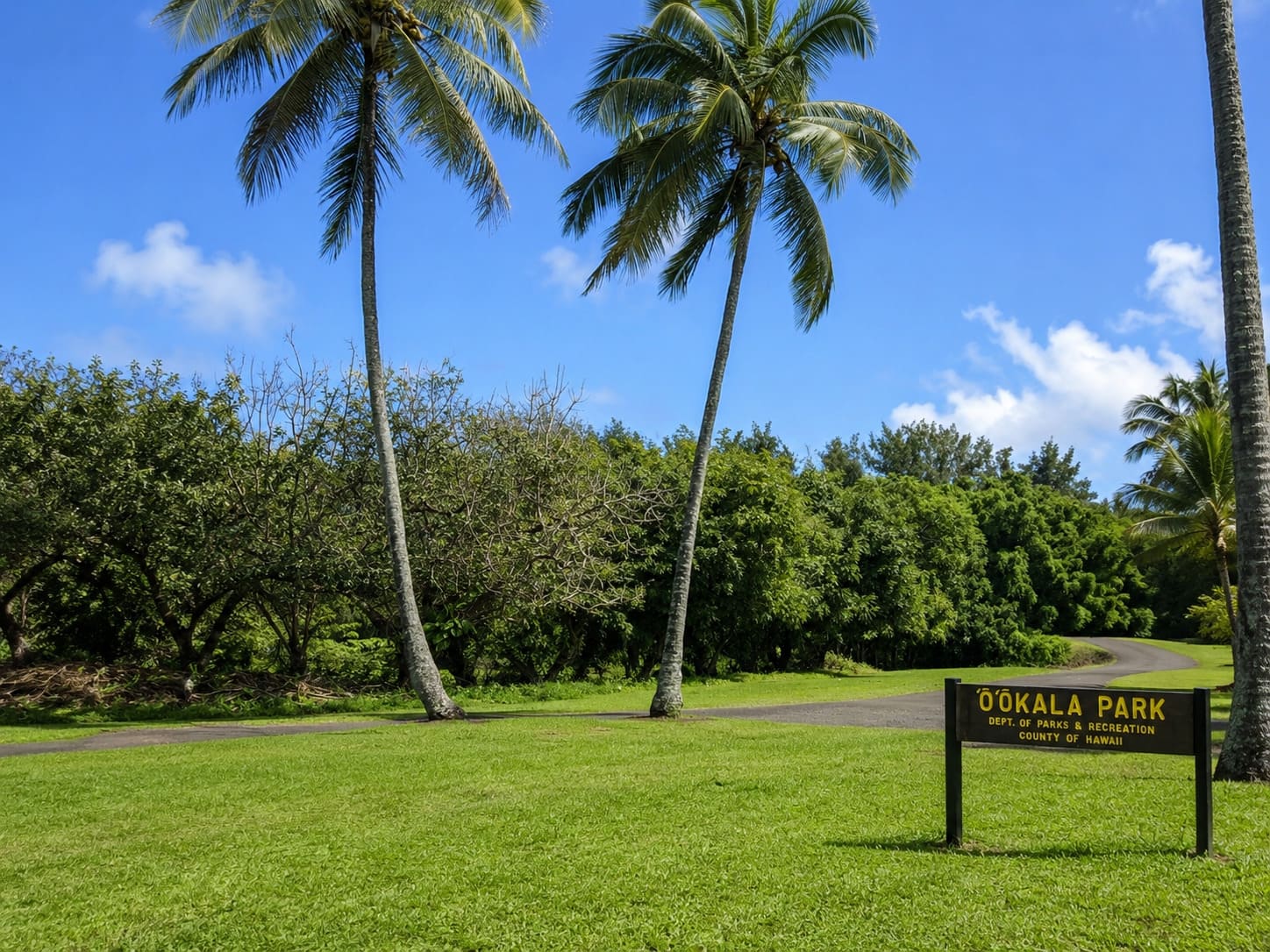
Ookala is a small Hamakua Coast community on Hawaii Island, known for sugar plantation history, rural roads, ocean views and green cliffs between Paauilo and Laupahoehoe.

Plan Your Visit

O'okala, Big Island

O'okala is a small community of fewer than 200 people on the Big Island's lush Hamakua Coast, about 4 miles (6.4 km) north of Laupahoehoe. Before the year 2000, the town had multiple names until the Board of Geographic Names ruled that the town would be called O'okala.

Key Features

Small Hamakua Coast community on Hawaii Island
Located between Paauilo and Laupahoehoe
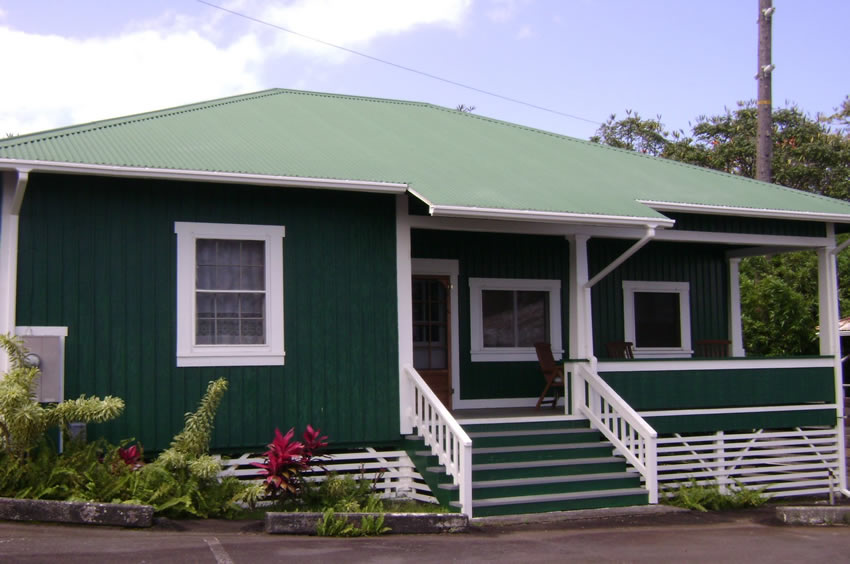
Former sugar plantation community with rural town history
Near Highway 19 and Old Mamalahoa Highway
Pastures, gulches and ocean views shape the surrounding landscape
Quiet residential and agricultural setting rather than a visitor center
Close to Laupahoehoe-area history and scenic Hamakua Coast drives
Rain and narrow rural roads can affect driving conditions
Population: Not separately counted at the 2020 Census
Zip code: 96774

Frequently Asked Questions

How did Ookala grow as a plantation community?

Ookala developed around sugar plantation life on the Hamakua Coast, where mill work, fields, rail links and small camps shaped the community.

What happened to the Ookala sugar mill?

The old mill area is part of the community's plantation past. Sugar operations on the Hamakua Coast declined in the late 20th century, leaving behind rural roads, fields and historic town patterns.

How is Ookala different from Laupahoehoe?

Laupahoehoe is better known for its point, train museum and tsunami history. Ookala is smaller and quieter, with more of a rural plantation-country setting along the coast.

Why is the Hamakua Coast so green around Ookala?

Frequent windward rain, deep gulches and rich volcanic soils support pastureland, trees and thick roadside vegetation along this part of Hawaii Island.

What can visitors notice while passing through Ookala?

Look for older plantation-era settlement patterns, pasture views, narrow rural roads, gulches and glimpses of the ocean below the cliffs.