








Molokai Travel Guide
-
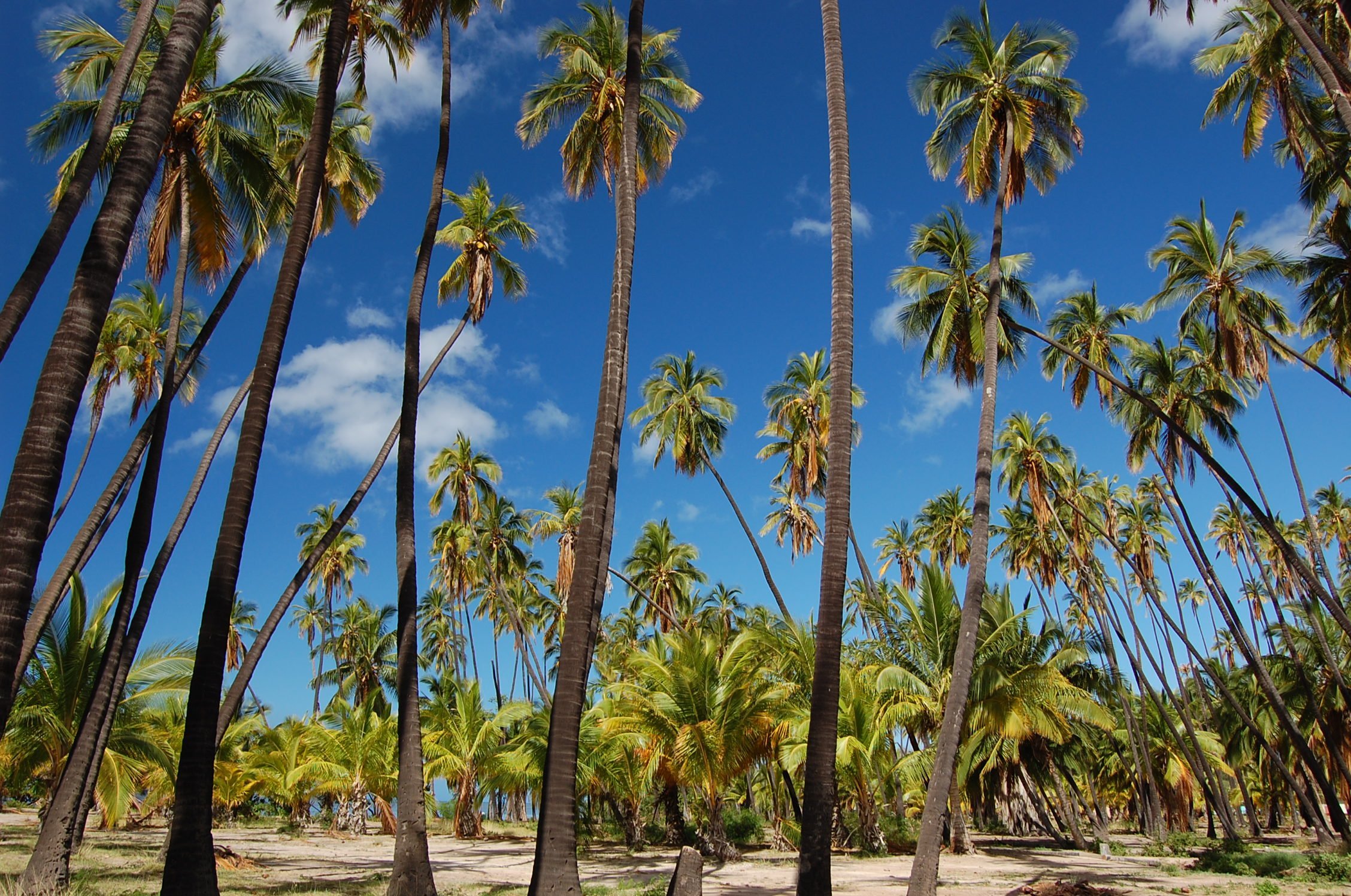 Kapuaiwa Coconut Grove
 -
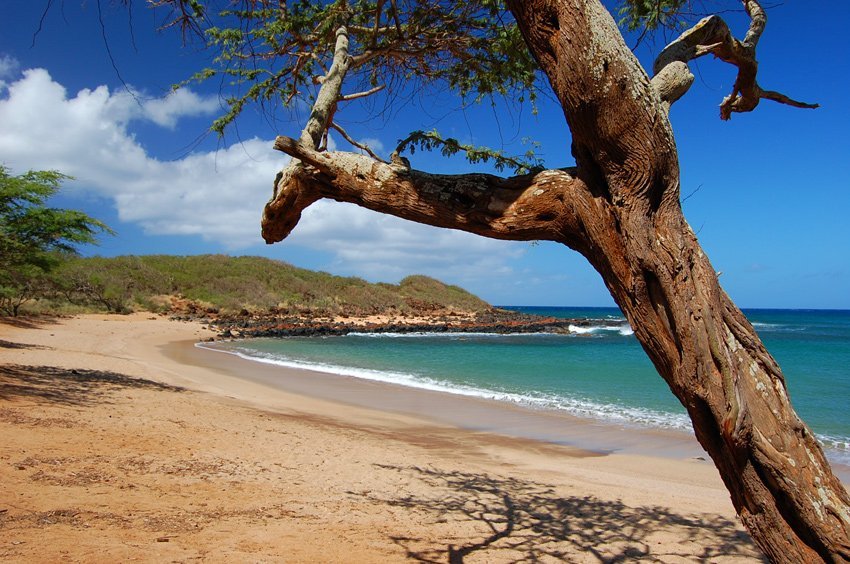 Kapukahehu Beach (Dixie Maru)
 -
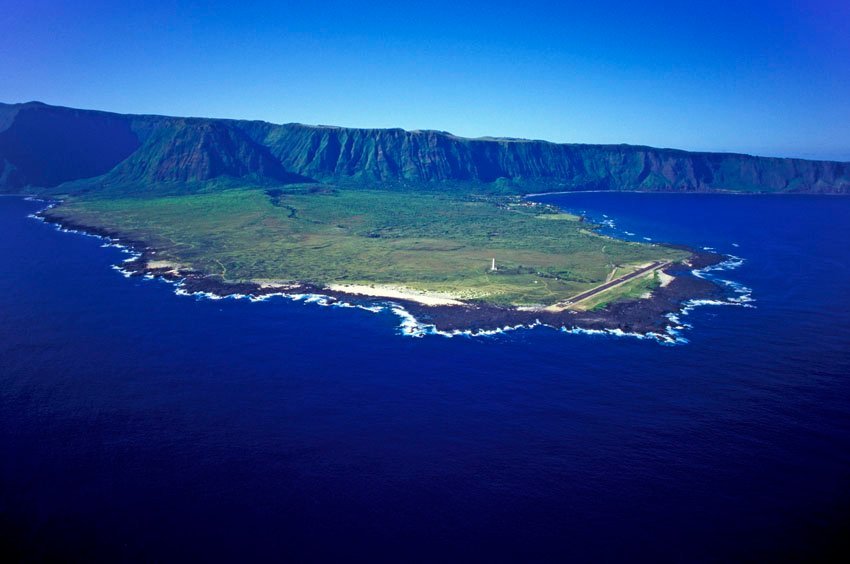 Kalaupapa National Historical Park
 -
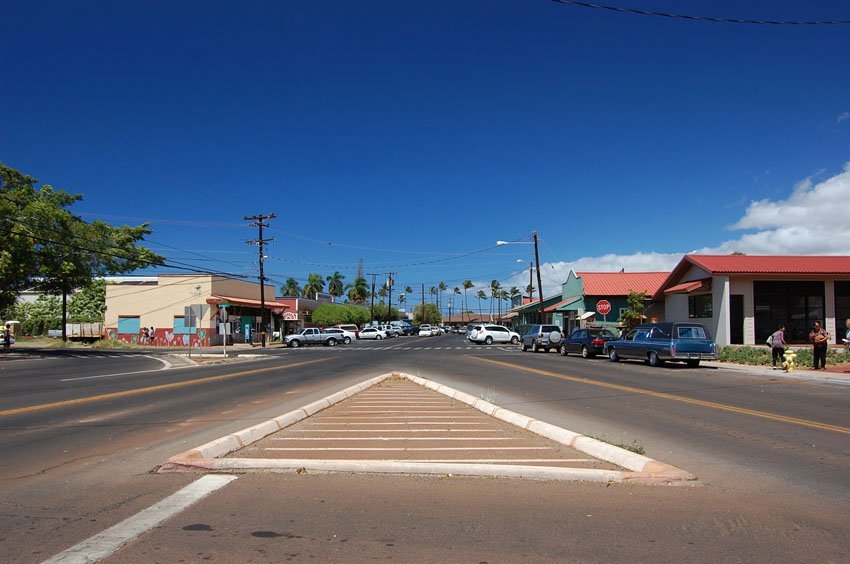 Kaunakakai
 -
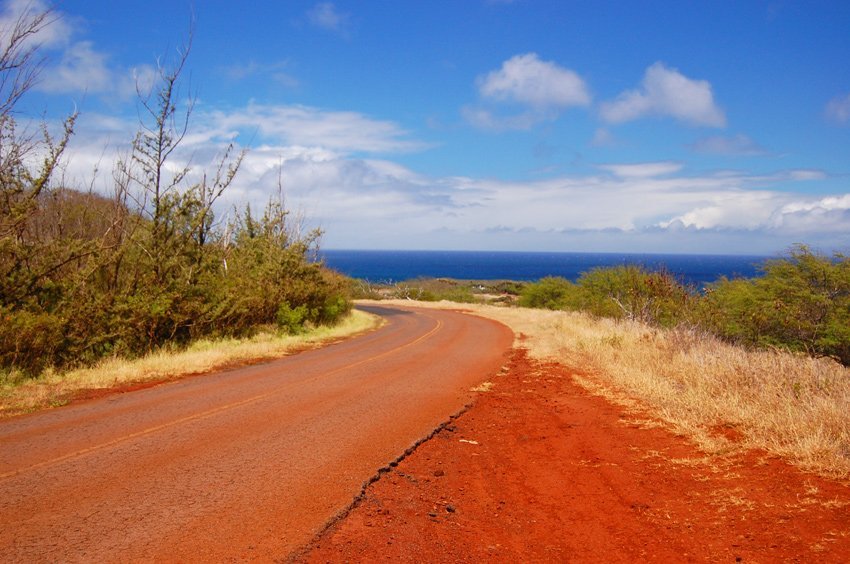 Kalua Koi Road
 -
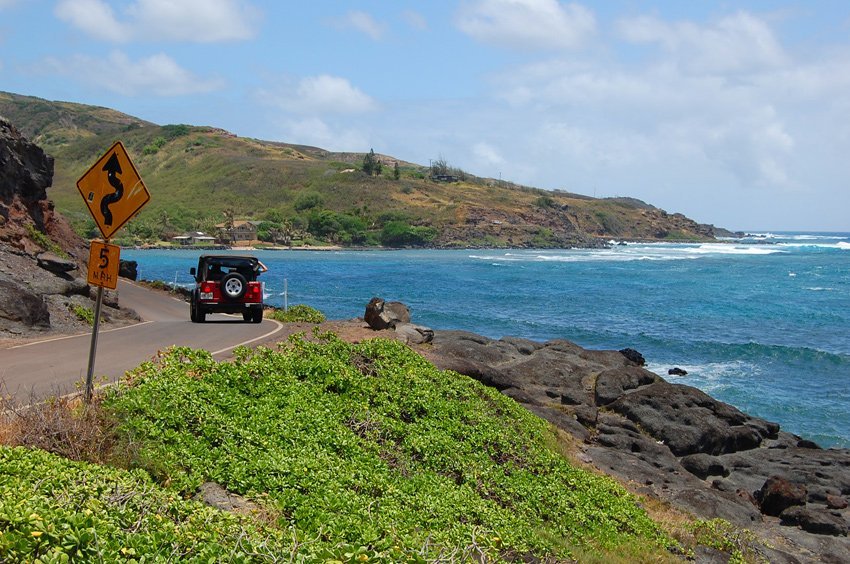 Kamehameha V Hwy
 -
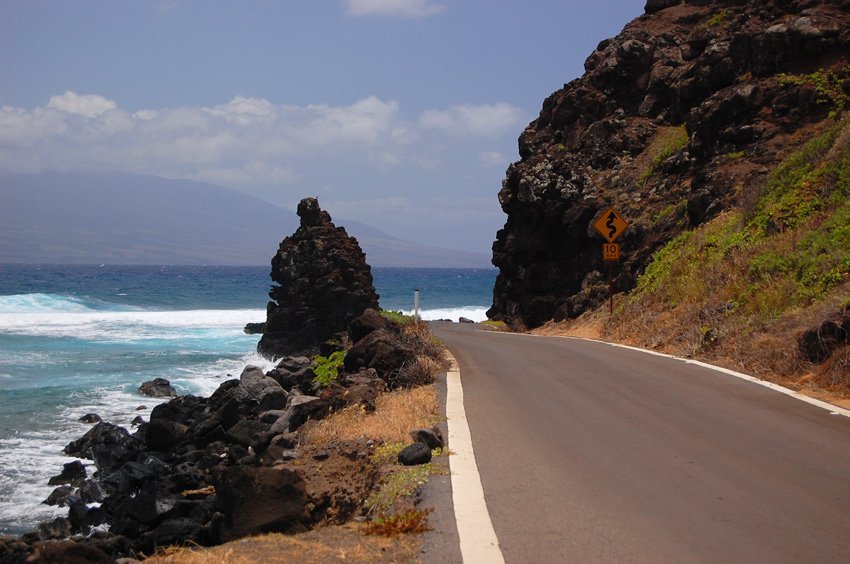 Kamehameha V Hwy
 -
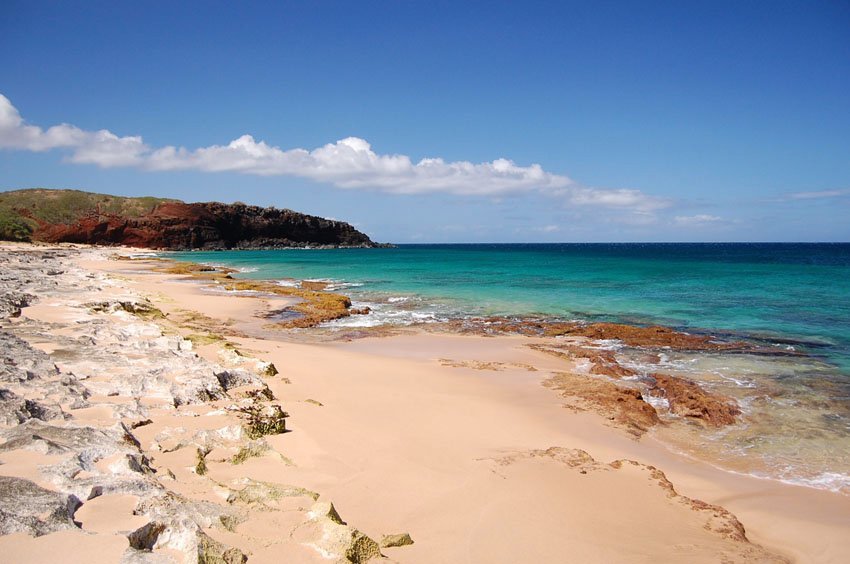 Kepuhi Beach
 -
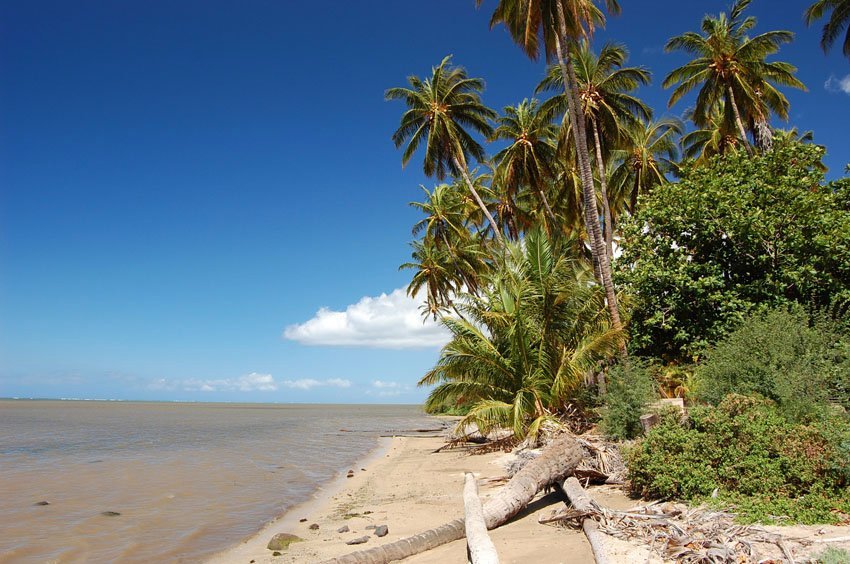 Kiowea Beach
 -
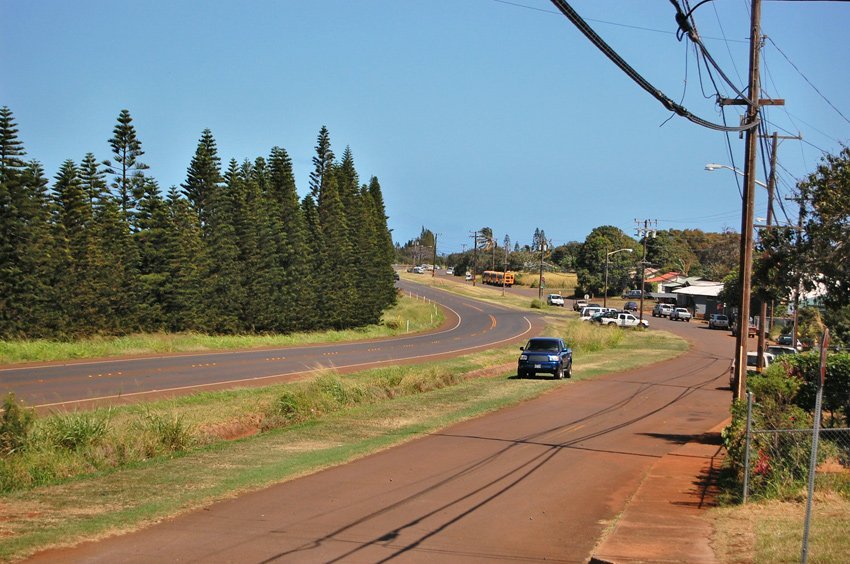 Kualapuu
 -
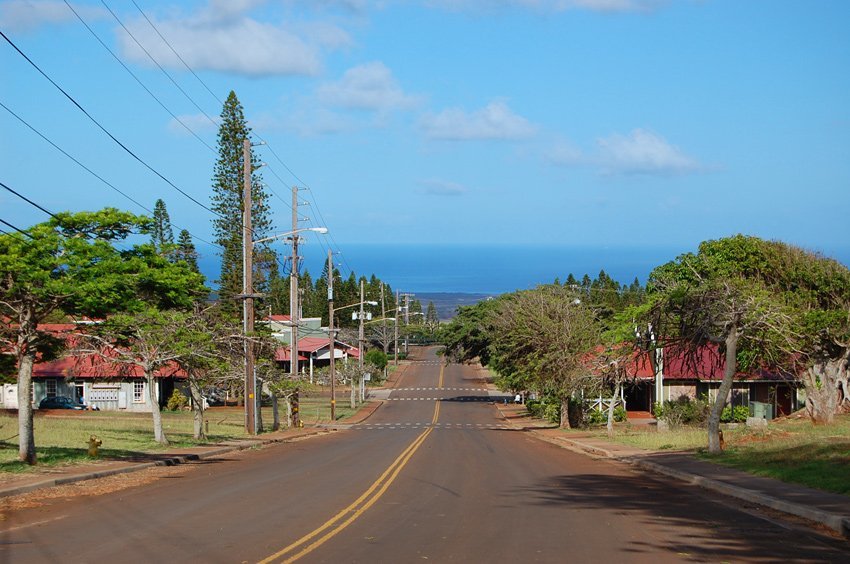 Maunaloa
 -
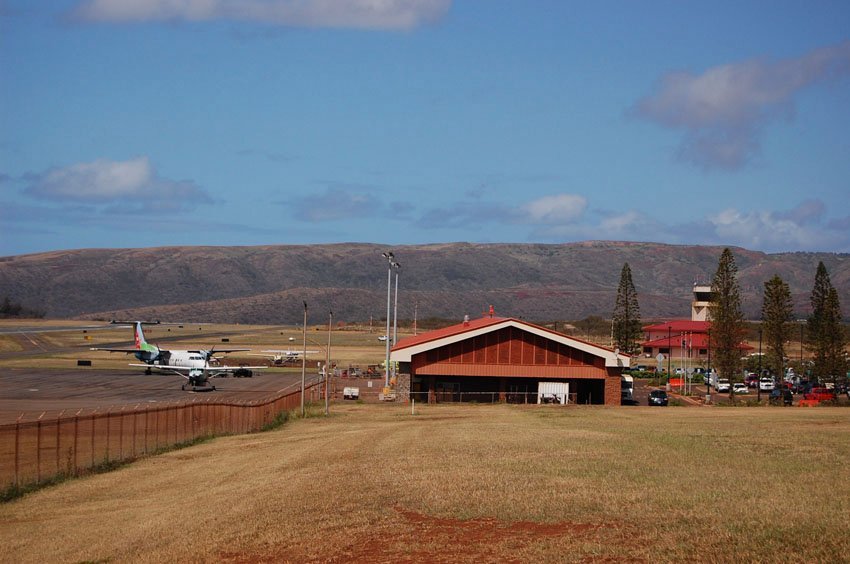 Molokai Airport
 -
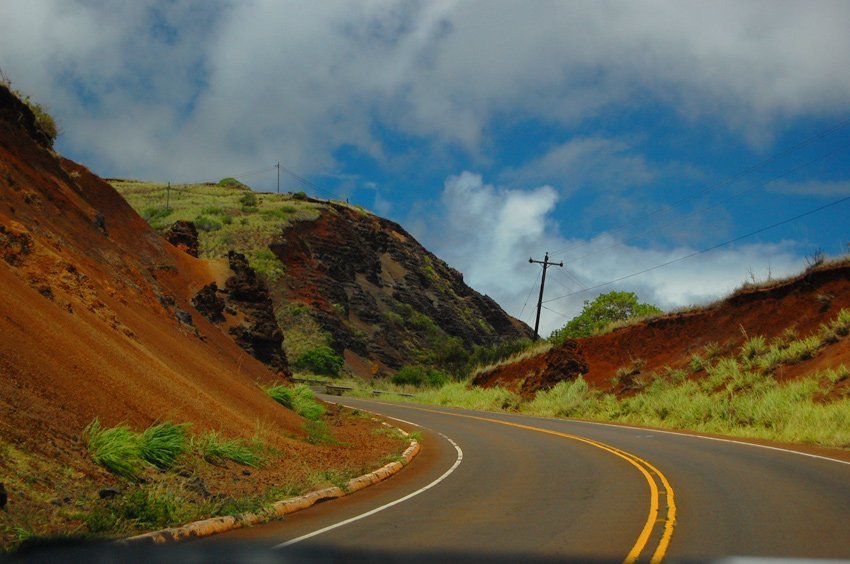 Molokai scenic drive
 -
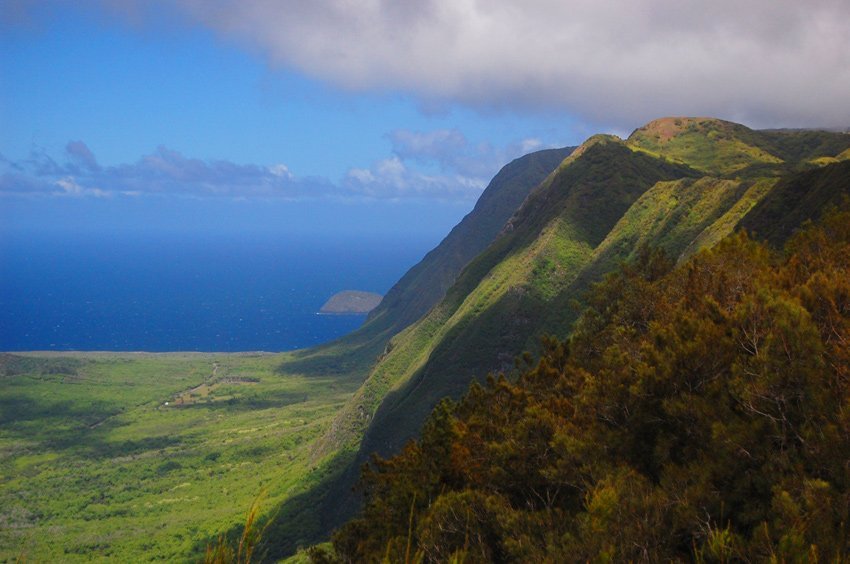 Molokai sea cliffs
 -
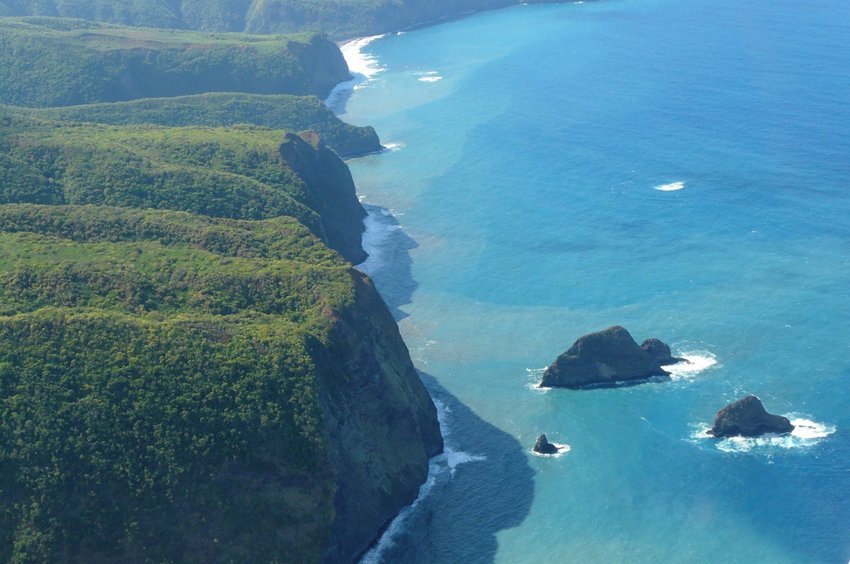 Molokai sea cliffs
 -
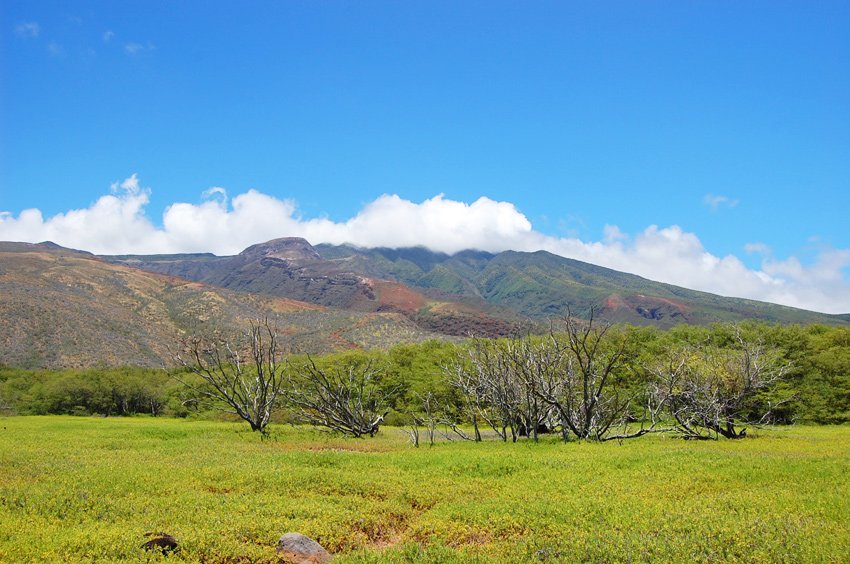 Molokai landscape
 -
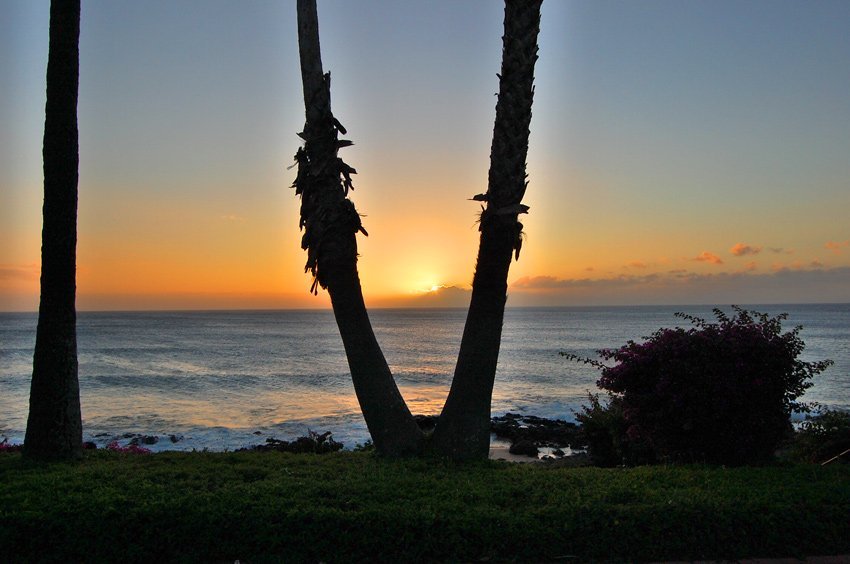 Molokai sunset
 -
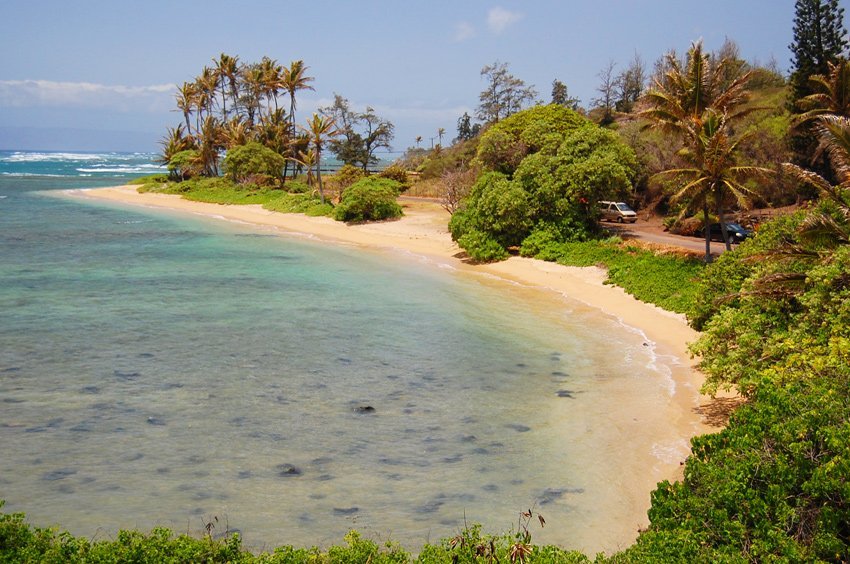 Murphy's Beach
 -
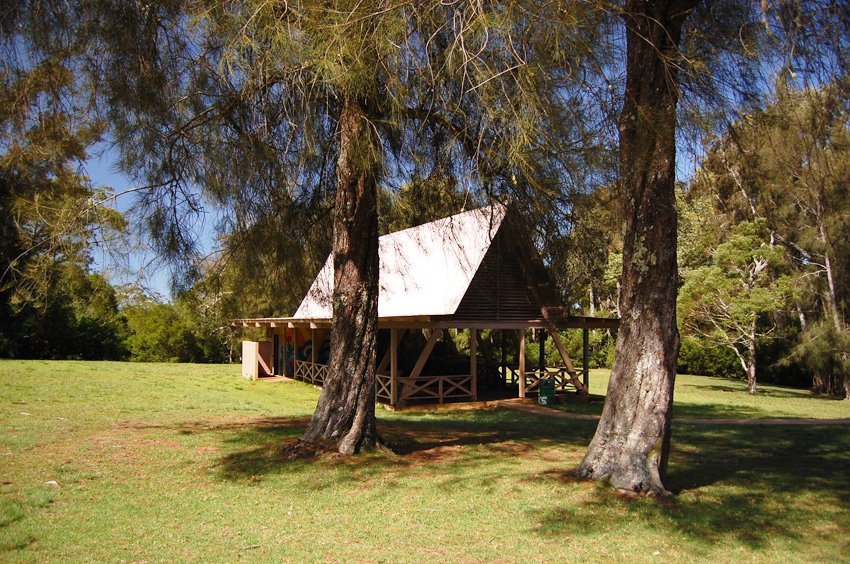 Pala'au State Park
 -
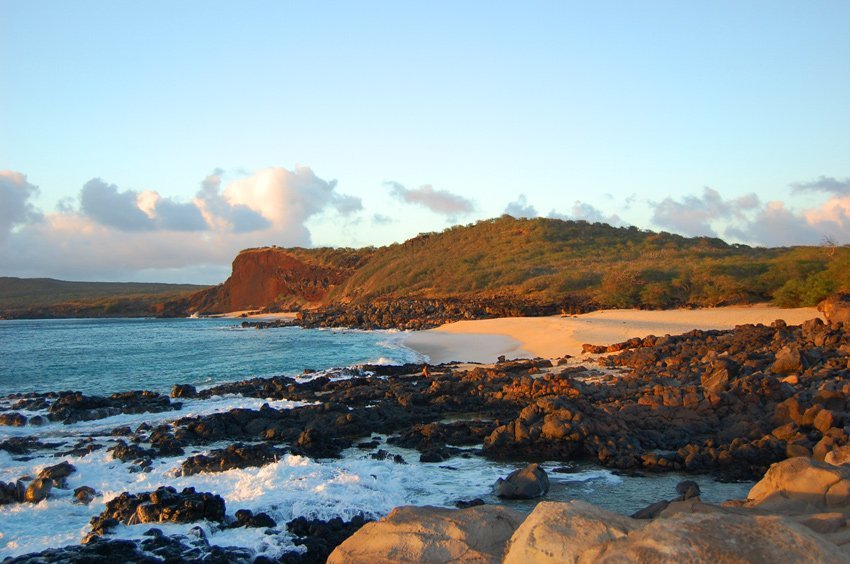 Pohaku Mauliuli Beach
 -
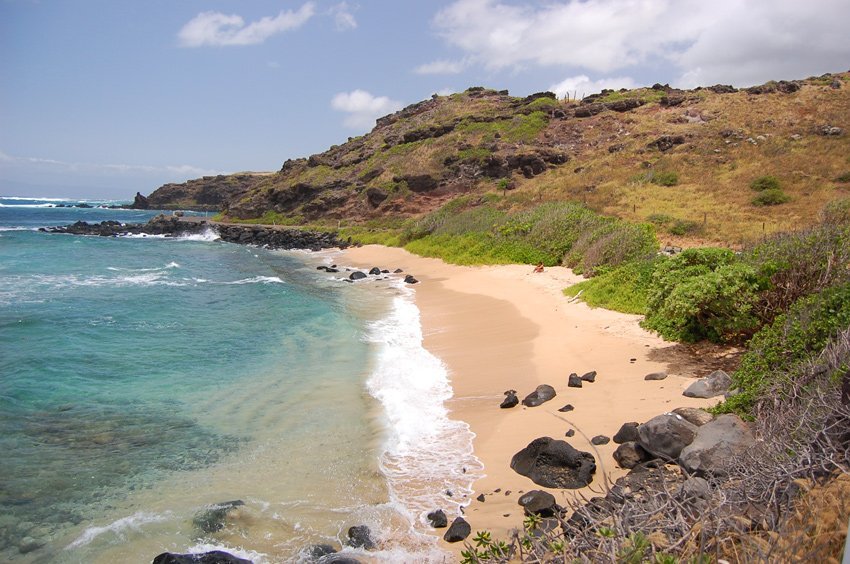 Sandy Beach
 -
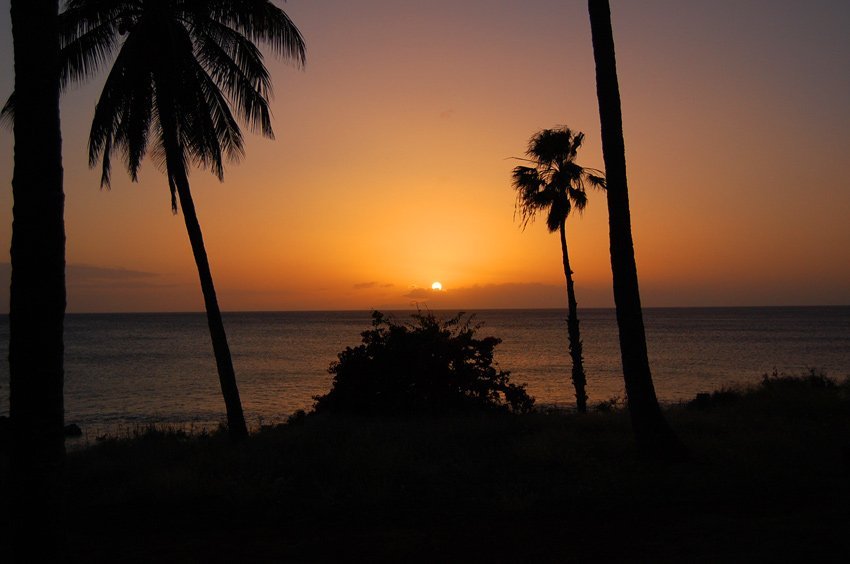 West Molokai sunset
 -
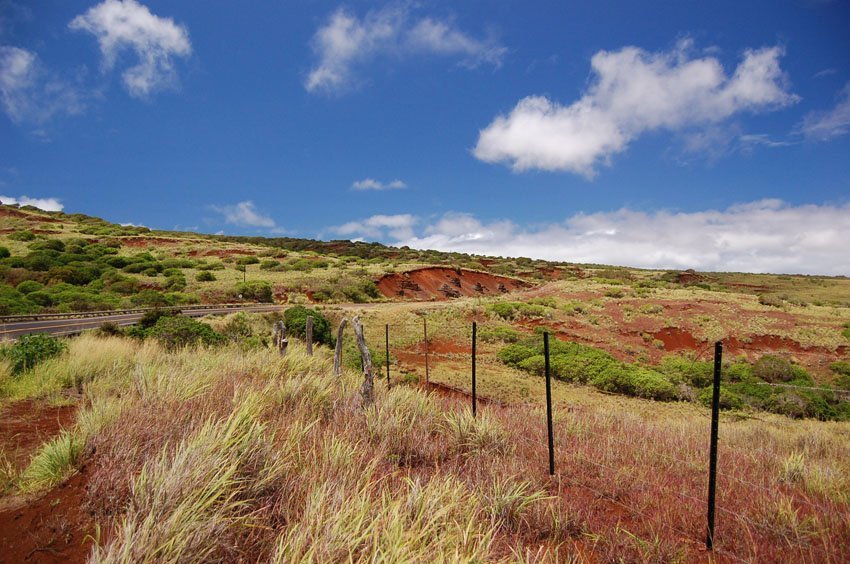 West Molokai landscape
Aloha and welcome to Molokai, also known as “The Friendly Isle” or “The Most Hawaiian Isle.” If you are looking for simplicity, quiet beauty and pristine beaches, Molokai is your island. You won't find traffic lights, tall buildings, chain stores or night clubs here. Molokai is a peaceful island destination with awe-inspiring landscapes.
Geography and Climate
Molokai is 38 miles (61 km) long and just 10 miles (16 km) wide, so no point on the island is more than 5 miles (8 km) away from the ocean. The island's highest mountain is Kamakou, rising 4,961 feet (1,512 m). Molokai's west end is dry and covered by kiawe forests, while the east end and north shore is lush and has rainforests, waterfalls and the highest sea cliffs in the world, some of which rise over 3,000 feet (914 m). Stretching for 28 miles (45 km) along Molokai's south shore is the longest barrier reef in Hawaii and the only barrier reef north of Australia. Also located along the south shore are over 60 ancient Hawaiian fishponds, built 700 to 800 years ago.
Like the other Hawaiian islands, Molokai has a pleasant year-round temperature averaging 75°F (24°C), with night-time temperatures a bit cooler in the winter months.


Towns
The main town of Kaunakakai on Molokai's south shore has one major thoroughfare where residents do all their shopping. This is also where the Kaunakakai Wharf, the longest wharf in Hawaii, is located. Maunaloa, a small plantation town located in the hills on Molokai's west side, is the perfect place for an enjoyable stroll past quaint shops and art galleries.
Beaches
Molokai is revered for its many uncrowded beaches, such as the 2-mile (3.2 km) long Papohaku Beach, one of the longest white-sand beaches in Hawaii. Good swimming beaches when the ocean is calm are Dixie Maru Cove on the island's west shore and Murphy's Beach and Sandy Beach on the east shore.
Kalaupapa
During your visit to Molokai, a must-see is the former Hansen's disease (leprosy) settlement Kalaupapa on the Makanalua Peninsula on Molokai's north shore. After an uncontrollable outbreak of what is today known as Hansen's disease, those infected with the disease were forced into isolation at this isolated site. Surrounded on three sides by the sea and the fourth by insurmountable sea cliffs, Kalaupapa is about as secluded as you can get. Kalaupapa was run by Belgian priest Saint Damien and others who dedicated their lives with no thought to the risks of contracting the disease themselves. Today, Kalaupapa has a National Historic Site status and is home to 18 former Hansen's disease patients. Travel here on foot or by mule and experience the solemn remembrances of the selfless care and healing that transpired here.
What makes Molokai unique?
Molokai is for those travelers who seek a simplistic, unfettered and awe-inspiring island to explore. Come to Molokai for the deserted, gorgeous beaches and leave your watch behind. Come to Molokai for the absence of shopping malls, elevators, fast food drive-thrus and traffic. Molokai is said to be Hawaii as it was 50 years ago. On rural Molokai, you will find fishermen and farmers dedicated to preserving the land below their feet and keeping the coastal waters unpolluted. The pace is relaxed and country living is the only way to go. The wild, untamed island of Molokai is the perfect place to find your center, rediscover clarity and embrace the true essence of nature.
