








Maui Travel Guide
-
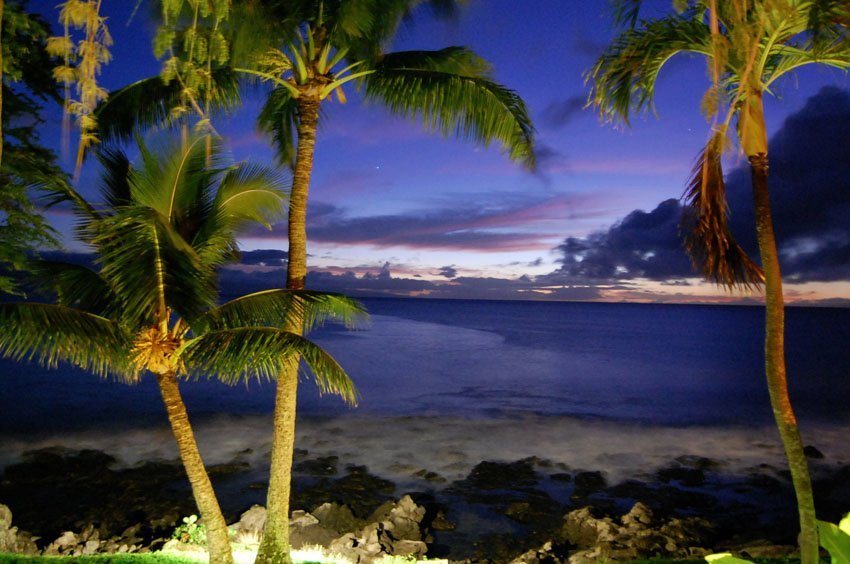 Napili Point
 -
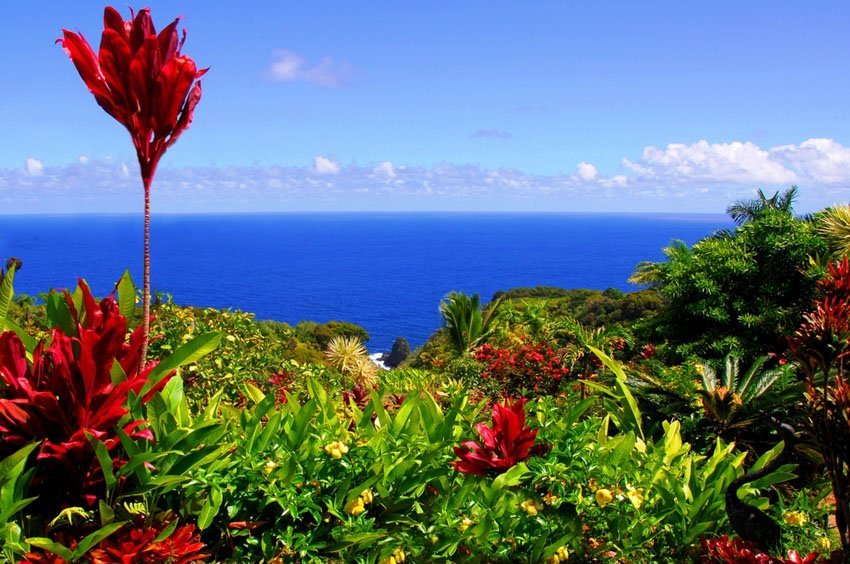 Garden of Eden
 -
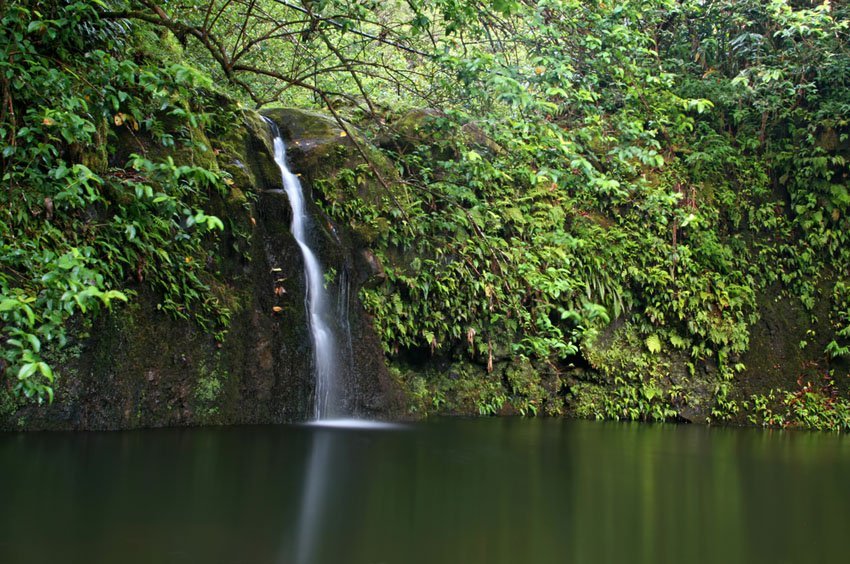 Haipua'ena Falls
 -
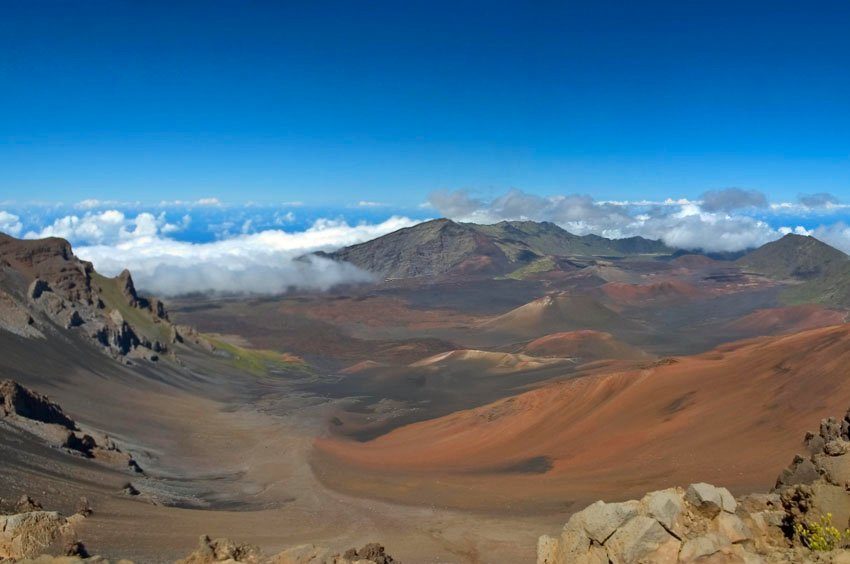 Haleakala National Park
 -
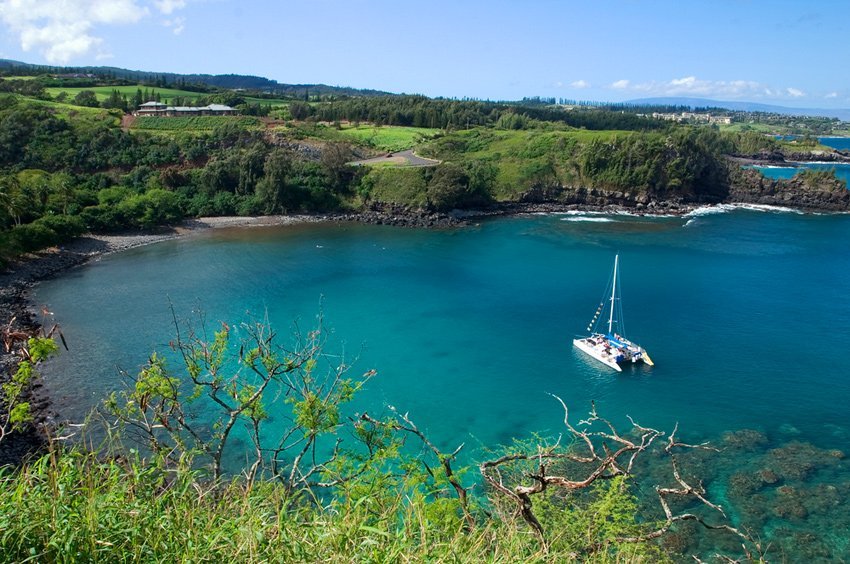 Honolua Bay
 -
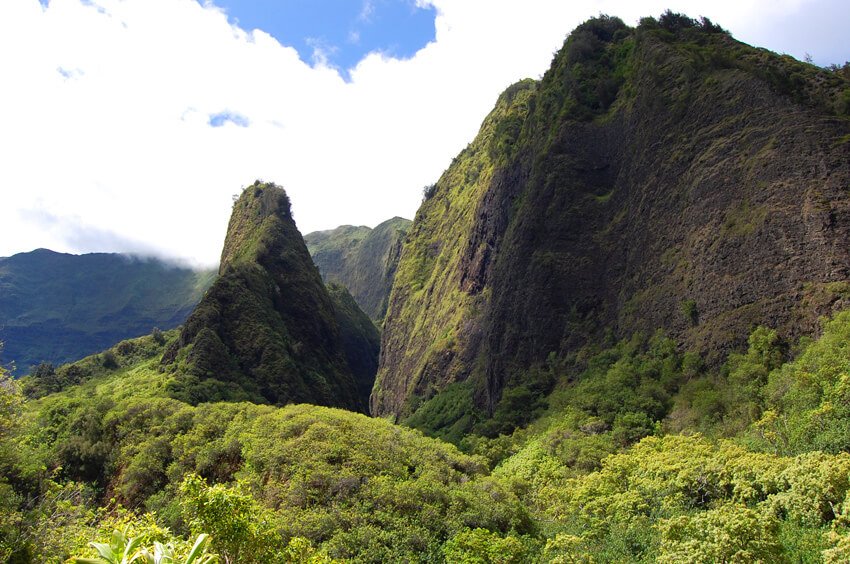 'Iao Valley State Park
 -
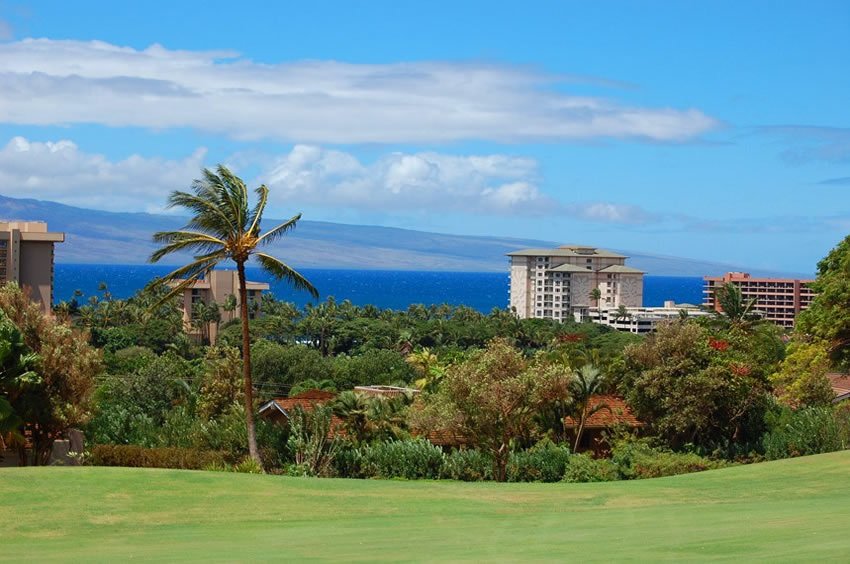 Kaanapali
 -
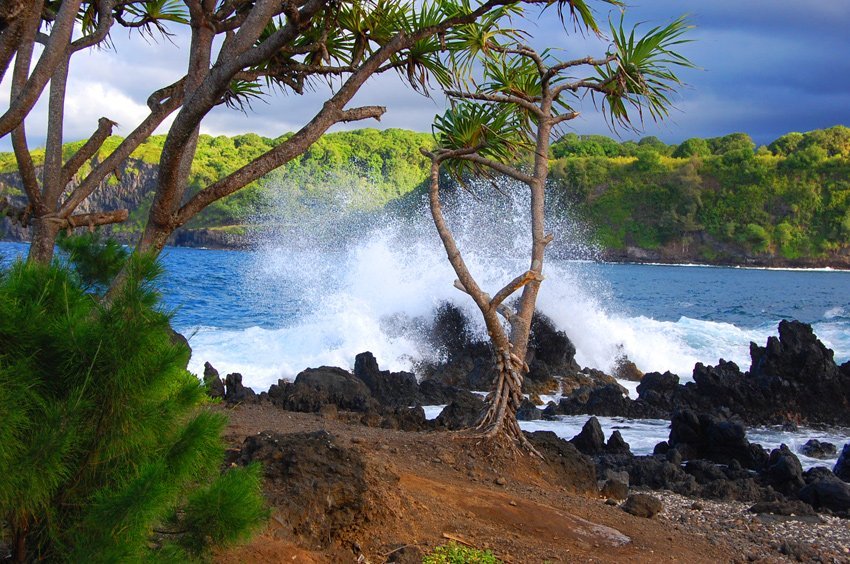 Ke'anae Peninsula
 -
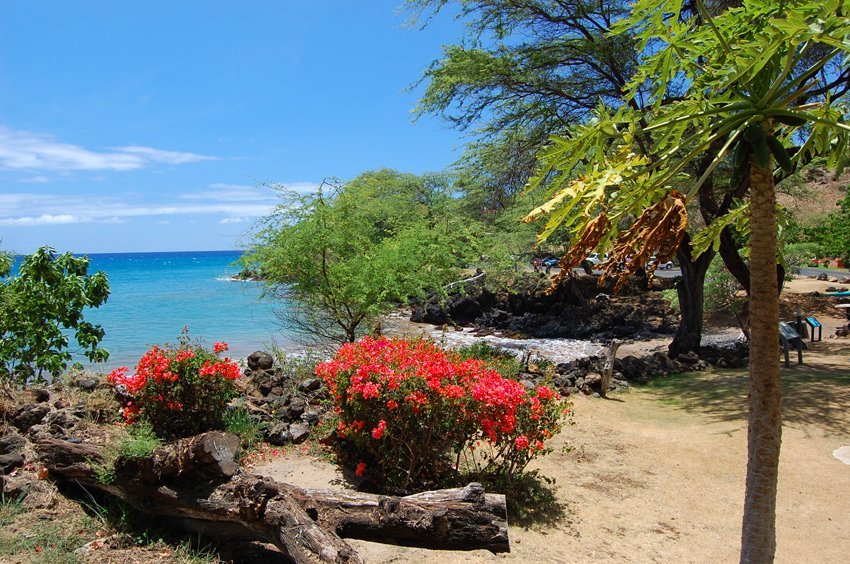 Makena Landing Beach
 -
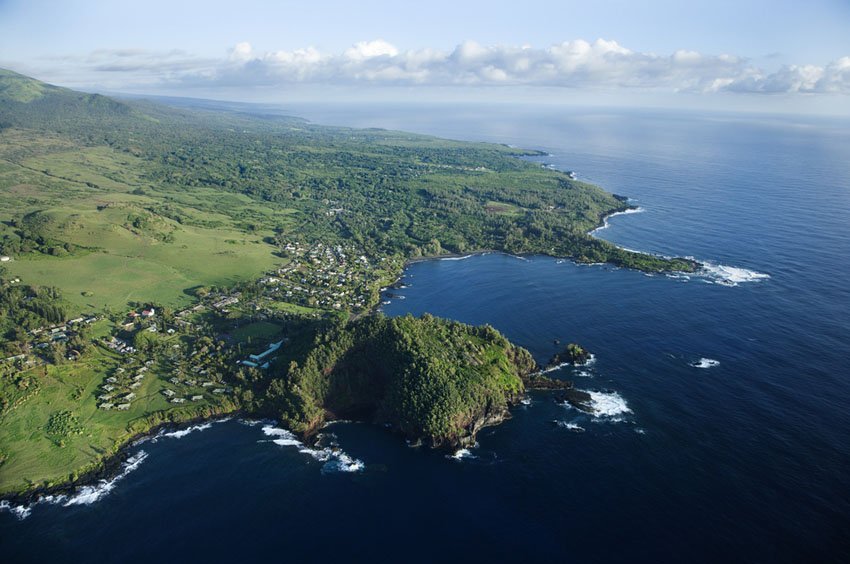 Aerial view of Maui
 -
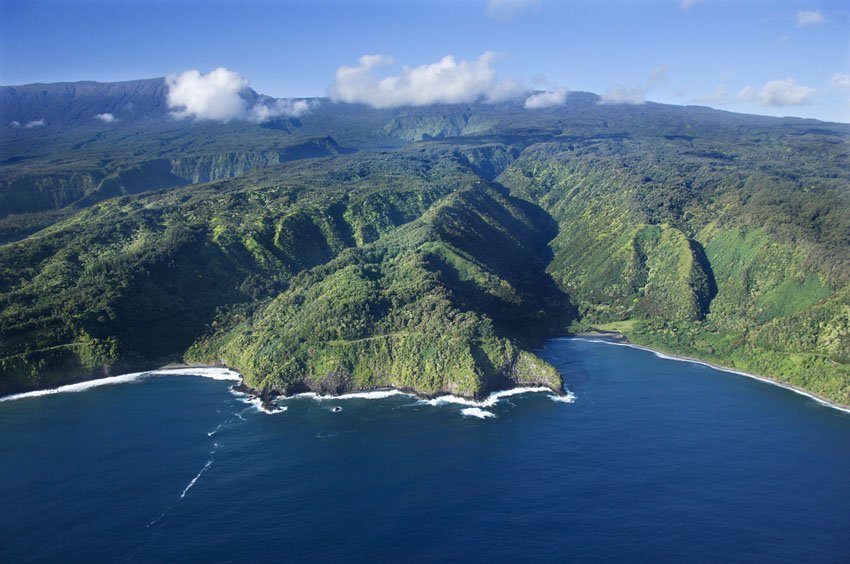 Aerial view of Maui
 -
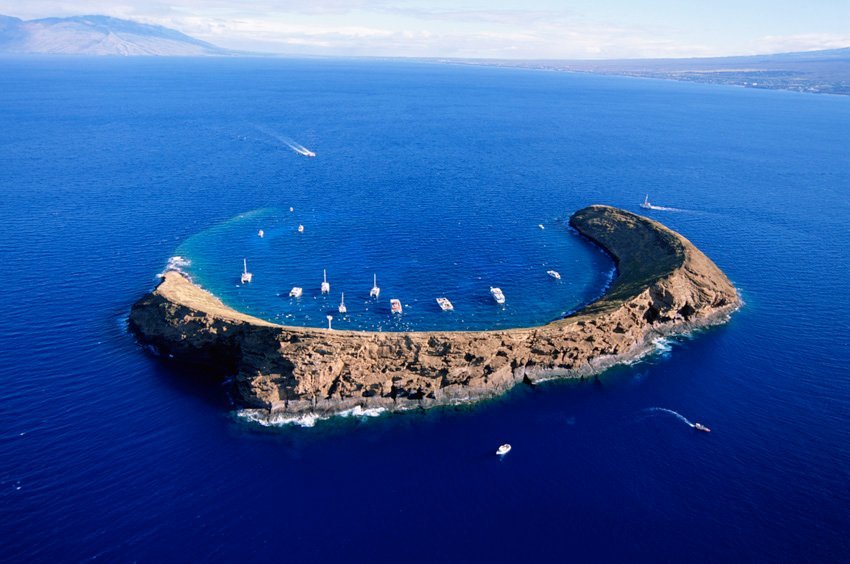 Molokini
 -
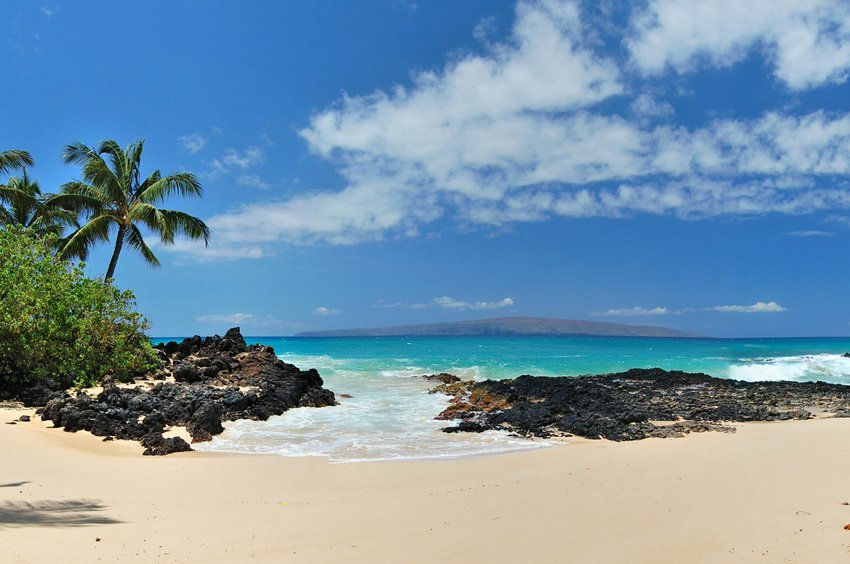 Secret Cove Beach
 -
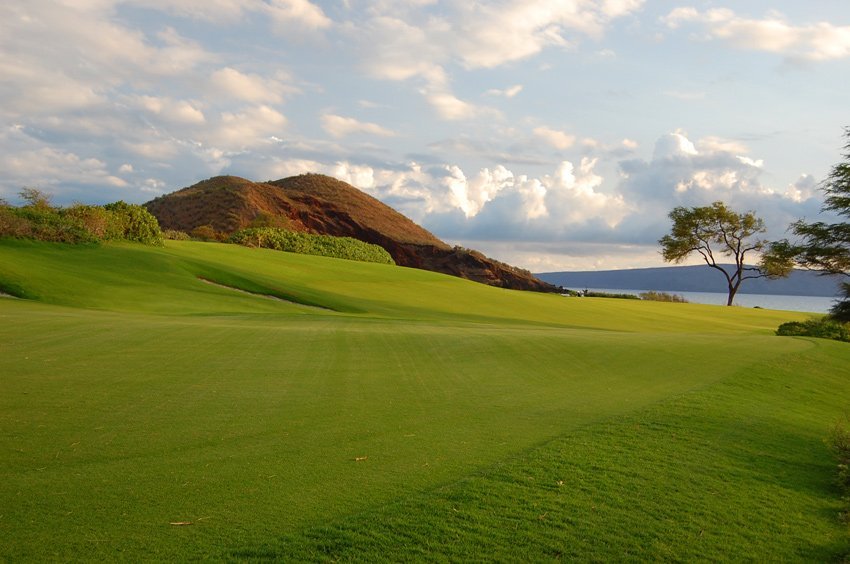 Red Hill
 -
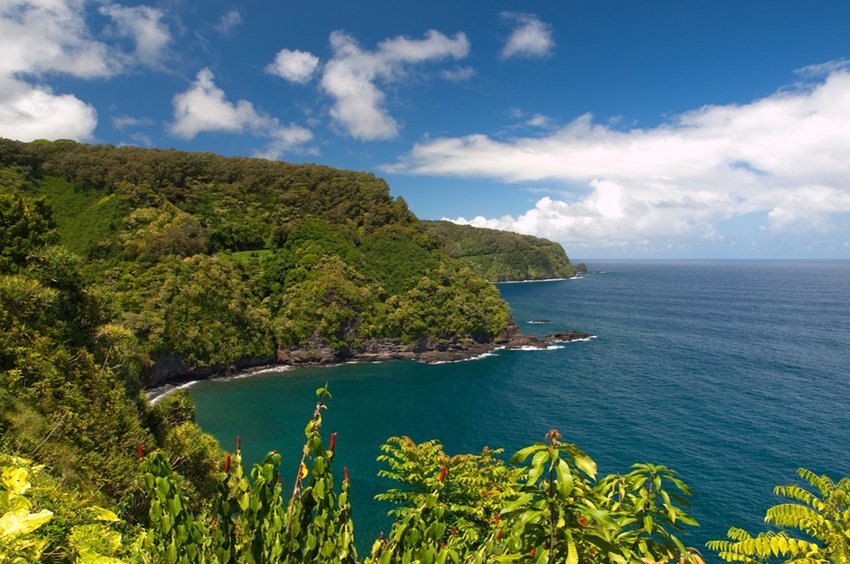 Road to Hana
 -
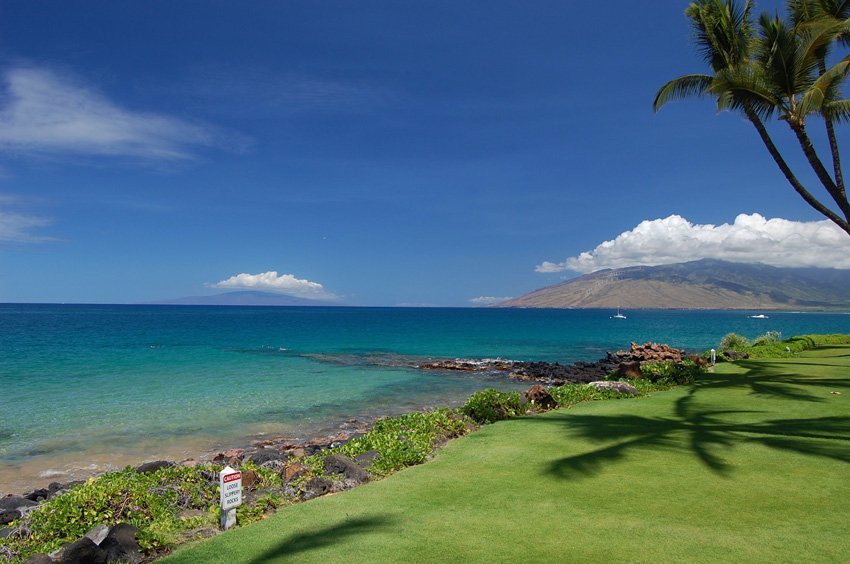 Kamaole Beach I
 -
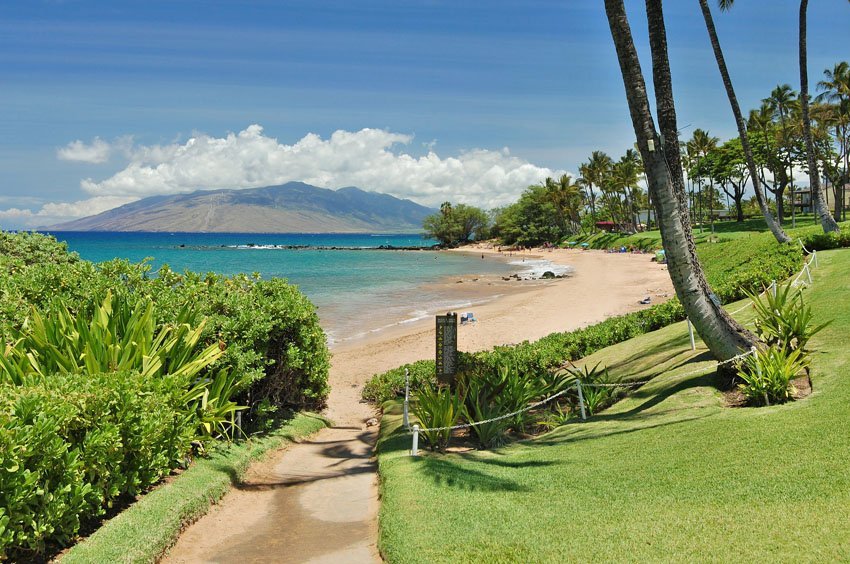 Ulua Beach
 -
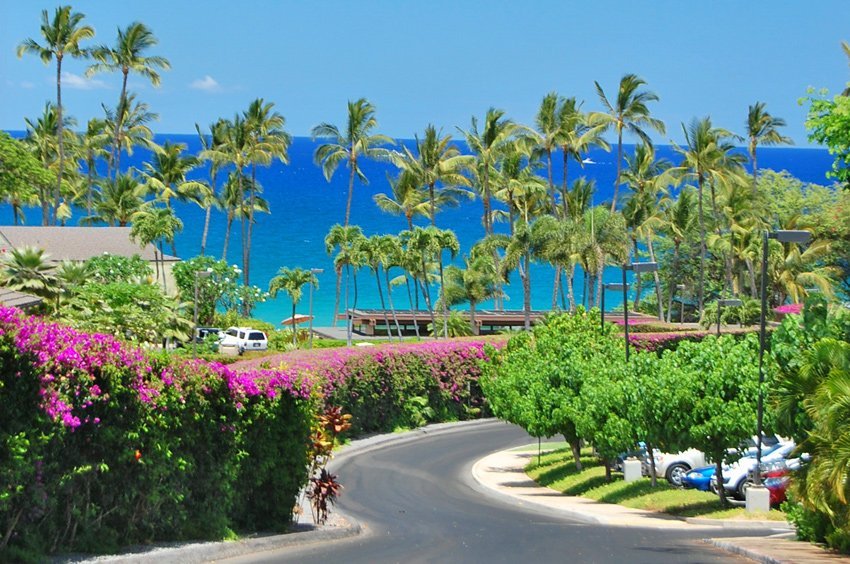 Tropical Maui view
 -
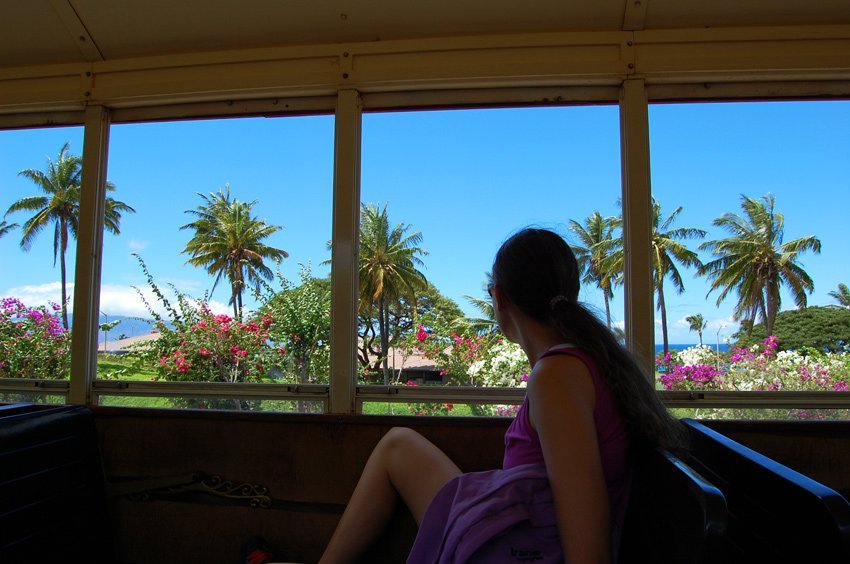 View from the Sugar Cane Train
 -
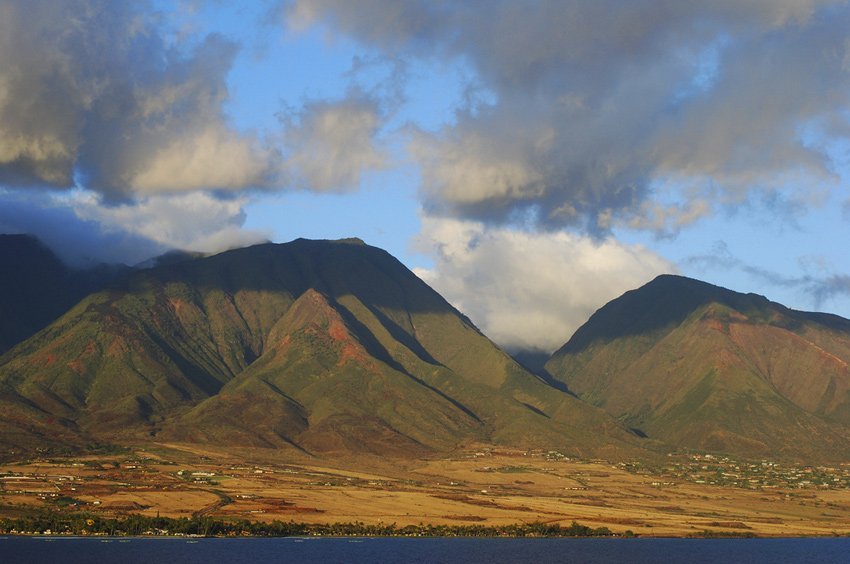 West Maui Mountains
Aloha and welcome to the island of Maui, where local pride is confidently displayed by the unofficial motto “Maui no ka oi” or “Maui is the best.” Maui, nicknamed “The Magic Isle” and also “The Valley Isle,” is an island destination where stunning scenery, sleepy towns and upscale resorts coexist to provide something for everyone. Here one can spend an unforgettable vacation.
Find buzzing action in the port of Lahaina, a former whaling town rich with funky art galleries, exotic restaurants, pubs and unique shops that rarely close early. Whether you want a secluded, next-to-nature experience or a social outlet, Maui is sure to gratify those of all tastes. A variety of activities delight ocean and land lovers alike with ample hiking trails, sights to see and watersport options.

The island's 727 square miles leave so much to the outdoor adventurer's imagination. Maui combines luxury with simplicity like no other island. On the west shore, you'll find world-class resorts for those who crave a little pampering. Maui is also home to a dozen championship golf courses designed by golf legends like Jack Nicklaus and Arnold Palmer. In contrast, drive over to Maui's less developed east shore for a step back in time. Here in the isolated town of Hana, you'll find picturesque views, waterfalls and landmarks of historical significance.
Geography and Climate
Maui is the second largest Hawaiian island with a resident population of about 145,000. Maui's tropical climate is quite comfortable, averaging mild temperatures between 75 and 85°F (23.8-29.4°C) at sea level. Prevailing trade winds carry rain clouds to the northern end of the island, creating a drier south shore.
Maui is sometimes also referred to as “The Valley Isle” for the lush valley region that connects its two volcanoes, West Maui (Pu'u Kukui) and East Maui (Haleakala or “House of the Sun”). The topography of Maui is diverse, combining interior lowlands, high-altitude mountain slopes, lower mountain slopes and high mountains.
In the areas above 3,000 feet (914 m), visitors will find drier conditions with noticeably colder temperatures. Because of Maui's irregular topography, weather characteristics such as cloud cover, rainfall, temperature and wind speed can vary greatly even within short distances. Haleakala boasts seven different climate zones on its terrain alone.


Haleakala Crater
Haleakala Crater, the peak of the East Maui volcano, rises an impressive 10,023 feet (3,055 m) above sea level. Haleakala is known for its stunning sunrise views, an experience deemed by many to be nothing short of divine. It is best to plan at least one day to explore the world's largest dormant volcano.
Kaanapali
The west Maui three-mile (4.8 km) stretch of beach called Kaanapali is an area rich with history and culture. Here visitors can visit Black Rock (Pu'u Keka'a), a sacred location in Hawaiian mythology, where souls of the dead leapt from the human to the spiritual realm. The southern area of Kaanapali is home to the delightful Whalers Village, an open-air marketplace with dozens of eclectic shops and restaurants. Catch the Sugar Cane Train from Kaanapali to Lahaina and back for a unique ride.
Hana Highway
Drive this gorgeous 55-mile (88 km) stretch of roadway to appreciate the true diversity of Maui's landscape. Pass over bridges and along bamboo forests, cruise by towering cliffs and spot fruit trees and brilliant native Hawaiian flowers as you take in the amazing scenery of the Hana Highway on your picturesque trip. The town of Hana is the pot of gold at the end of this rainbow. Spend the rest of your day leisurely at one of Hana's beautiful beaches, the Hana Cultural Center, Hana Ranch, or any combination of this town's many exciting attractions.
Molokini Island
Molokini Crater looks like a crescent-shaped tiny island off of Maui's coast. It is actually a partially submerged volcano that has been inactive for decades. Molokini is well-known among divers for its colorful and diverse underwater inhabitants, its nature preserve status and its humpback whale sightings. The best way to explore the waters around this island is with a Molokini snorkeling tour.
Maui Ocean Center
The Maui Ocean Center is a wonderful place to visit if you're interested in learning about the underwater life forms that dwell around Maui and the other Hawaiian islands.
View thousands of i'a (fish) in a larger-than-life 750,000-gallon tank. Kids love the interactive touch pond and up-close-and-personal views of their favorite creatures, such as turtles, stingrays and starfish.
Whale Watching
Many visitors do not realize that Hawaiian waters are home to thousands of humpback whales during the months of December to April. These colossal mammals migrate to this warm Pacific region from Alaskan waters to mate and give birth. Whales favor the Auau Channel between Maui and Lanai for its relative seclusion. The Kaanapali area is notably the most popular whale watching spot to view these colossal 40-ton creatures.
What makes Maui unique?
The island of Maui is the perfect destination for visitors, who want extreme diversity in their activities, who desire the broad options of a larger town, but appreciate the solitude of a natural retreat, and who take pleasure in exploring unique and variant landscapes. Have a pampering massage at one of Maui's fine resorts in the morning, head out to the highlands for a challenging trek you'll never forget, and end your day with a rewarding dinner of Hawaiian Regional Cuisine. Maui is for romantics, sightseers and adventurers who want the benefits of both big and small islands, bustling and peaceful islands all rolled into one. For many, the island of Maui is “just right.”
