Maui Towns
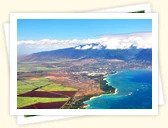
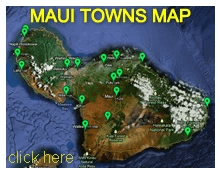 Maui has four major population centers: Kahului, Kihei, Lahaina and Upcountry Maui, which is the volcano-slope region of Mt. Haleakala. The former three are all located at sea level. Kahului is Maui's largest city with a population of about 26,300 people. This is where island residents go when they want to do some serious shopping as it is the only city on Maui that has department stores and several larger malls.
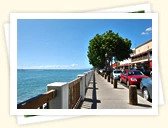
Lahaina, on the other side of the island, is more laid-back and picturesque, with many restaurants and small stores right at the water's edge, a feature that most other towns in Hawaii surprisingly don't offer. To the north are Ka'anapali, Napili and Kapalua, which together with Lahaina are one of Maui's main tourism hubs. The other one is the Kihei and Wailea area to the south. Outside of these main residential areas are many sleepy little towns, including remote Hana and Kipahulu on Maui's east shore. Maui's total population is 144,444 (2010 Census).
FIND BY NAME:
A | B | C | D | E | F | G |
H | I | J |
K |
L |
M |
N | O |
P | Q | R |
S | T | U | V |
W | X | Y | Z
Haiku is a small village in the northern part of Maui. Though Haiku is located a couple of miles inland, a few beaches are nearby, including popular Ho'okipa Beach, the windsurfing capital of the world. Read More
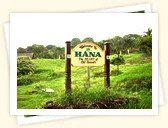
Hana is a small, isolated, tropical paradise located on the eastern tip of Maui at the end of the popular Road to Hana (Hana Highway). This sleepy village is characterized by lush greenery and historical sites. Read More
This community has been described as "the little Hawaiian village forgotten by time." Huelo doesn't have glitzy resorts. Instead, it offers a tranquil island atmosphere and lush surroundings. Read More
Ka'anapali is a coastal town in West Maui. It is one of the main tourist destinations on the island. Local attractions include the Sugar Cane Train and Whalers Village, which features a shopping mall and a museum. Read More
Kahului is Maui's commercial and travel hub. It has Maui's main airport and the island's only deep-draft harbor. Kahului is also the retail center on Maui, having big retail giants like Home Depot and the only Walmart on the island. Read More
Kapalua is a resort community in West Maui featuring upscale vacation condos and villas, shops, restaurants, world-class golf courses and sandy beaches framed by hundred-year old Cook pines. Read More
Keokea is a small community on the slopes of Mt. Haleakala in upcountry Maui. Located 2,860 feet (872 m) above sea level, Keokoa offers panoramic views of Haleakala. Read More
Kihei is a beach town on the south shore of Maui. With its miles of sandy beaches, Kihei is one of the top beach destinations in Hawaii. It is also one of the most densely populated places on Maui. Read More
Kipahulu is a remote farming community in East Maui, about 10 miles (16 km) south of Hana. Several hiking trails are located in the area. Other attractions include Oheo Gulch and American aviator Charles Lindbergh's grave. Read More
Kula is a small community in upcountry Maui, situated 3,000 feet (914 m) above sea level. It is one of Maui's prime agricultural regions and source of farm produce. Kula also boasts several botanical gardens. Read More
Lahaina, the largest town in West Maui, was once the capital of the Hawaiian kingdom. Today, Lahaina's center of activity is along Front Street, which has colorful shops, art galleries and restaurants. Read More
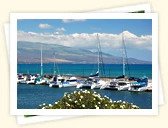
Ma'alaea is a small fishing village. The town's harbor accommodates inter-island shipping vessels, whale-watching cruises and boat charters. Snorkeling and diving excursions to the tiny offshore island of Molokini also depart from here. Read More
Makawao is an agricultural and ranching community located on the slopes of Mt. Haleakala at 1,578 feet (481 m) above sea level. Considered the hub of upcountry Maui, this rustic town has an atmosphere resembling the Wild West. Read More
Makena is a small community on Maui's south shore. It is as far south as one can go by car before the road ends. It is mainly a resort area, with several hotels and vacation rentals. Read More
Napili is a beach town on the northwestern shore of Maui, situated between two other resort towns, Ka'anapali and Kapalua. Napili is a prime tourist destination. Hotels and condos frame beautiful Napili Bay. Read More
Pa'ia is a small community on the north shore of Maui. It is worth a visit since it has retained a lot of its character from the the old sugar plantation days. Pa'ia is also known as the World Capital of Windsurfing because of nearby Ho'okipa Beach. Read More
Pukalani is the largest town in upcountry Maui. While the place evokes a laid-back, country atmosphere, it has a commercial center that includes coffee shops and restaurants, including a Starbucks and Pizza Hut. Read More
Spreckelsville is a small town on Maui's north shore, just east of Kahului Airport along the famous Hana Highway. Spacious Baldwin Beach Park is one of the nearby attractions. Spreckelsville itself has a handful other small sandy beach coves. Read More
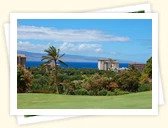
Wailea is a 1,500-acre master-planned resort community on the south shore of Maui. It is an upscale town with high-end resorts and hotels, luxury condominiums, private estates and spa facilities. Read More
Wailuku was once the home of great Hawaiian chiefs. In 1790, it was the site of the victory of King Kamehameha's army from the Big Island and the defeat of Maui's King Kahekeli II's army in the battle of Kepaniwai at Iao Valley. Read More