
Dixie Maru Cove, Molokai
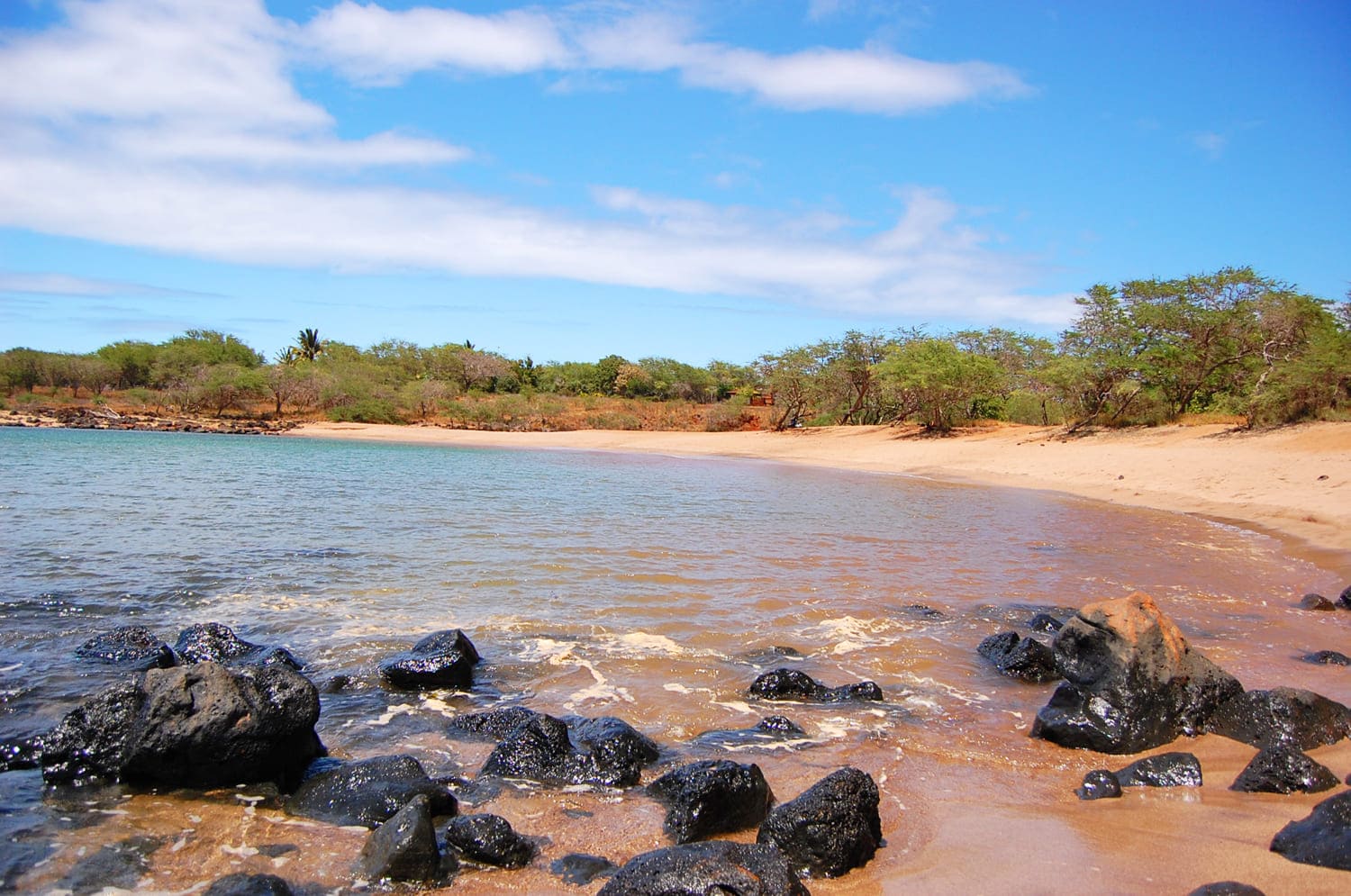
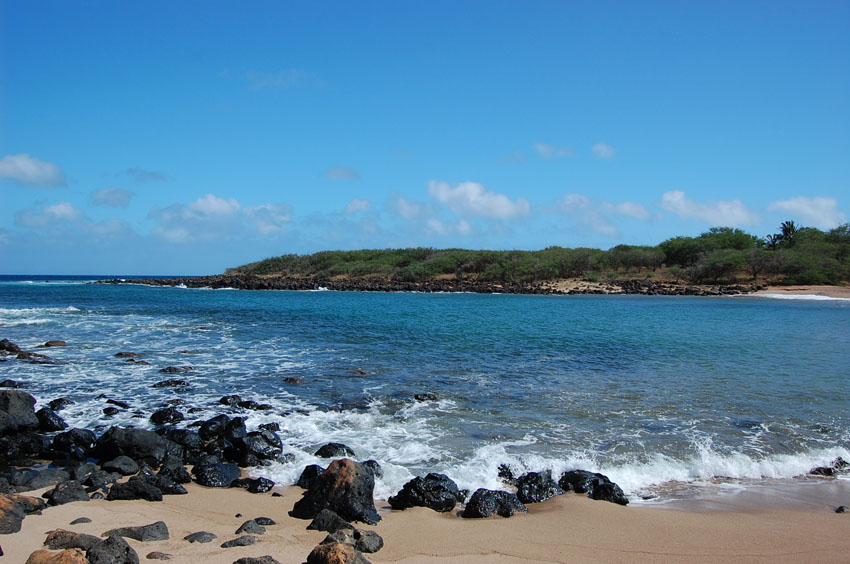
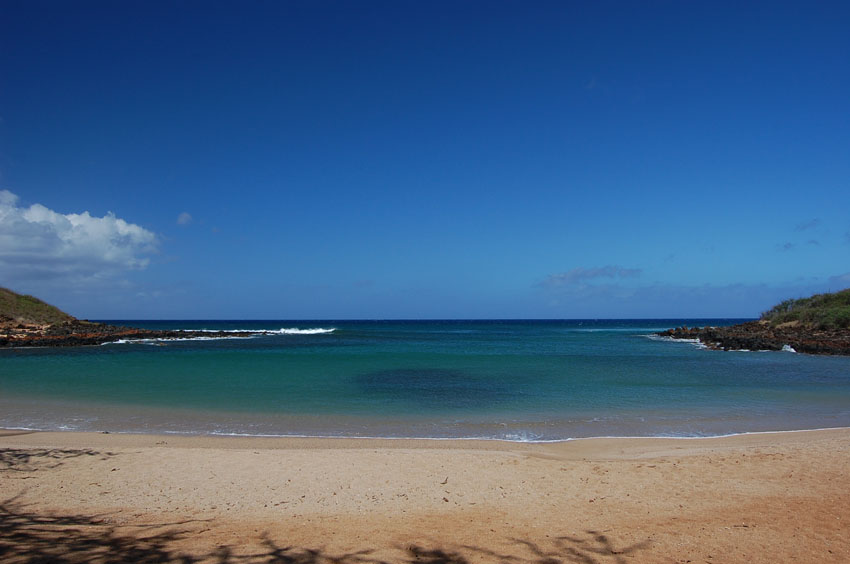
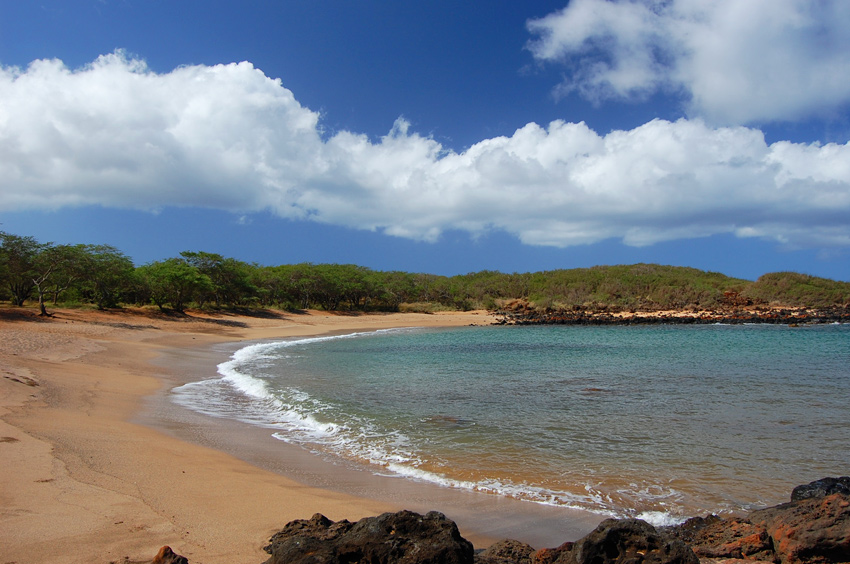
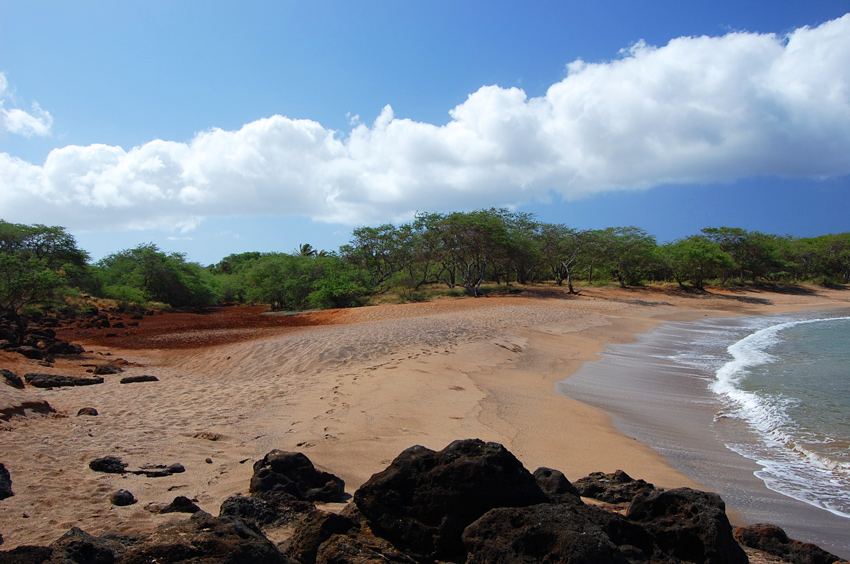
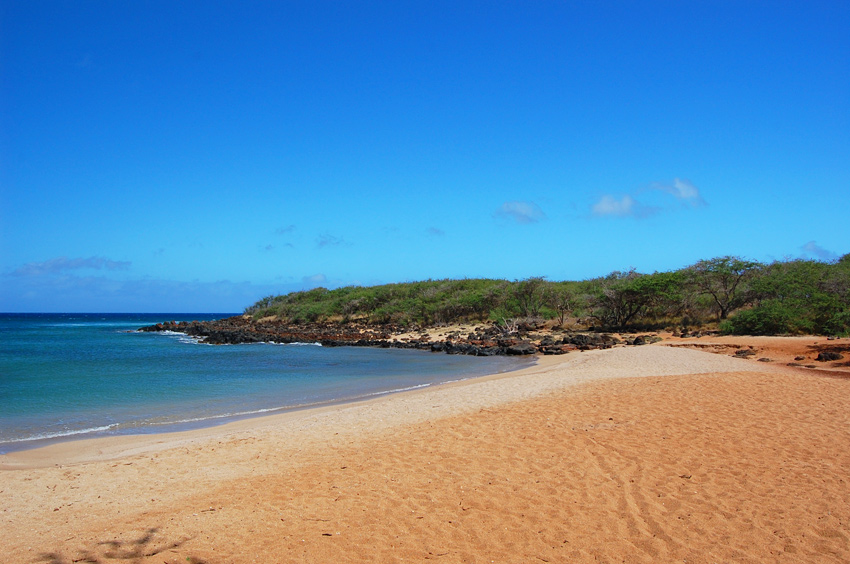
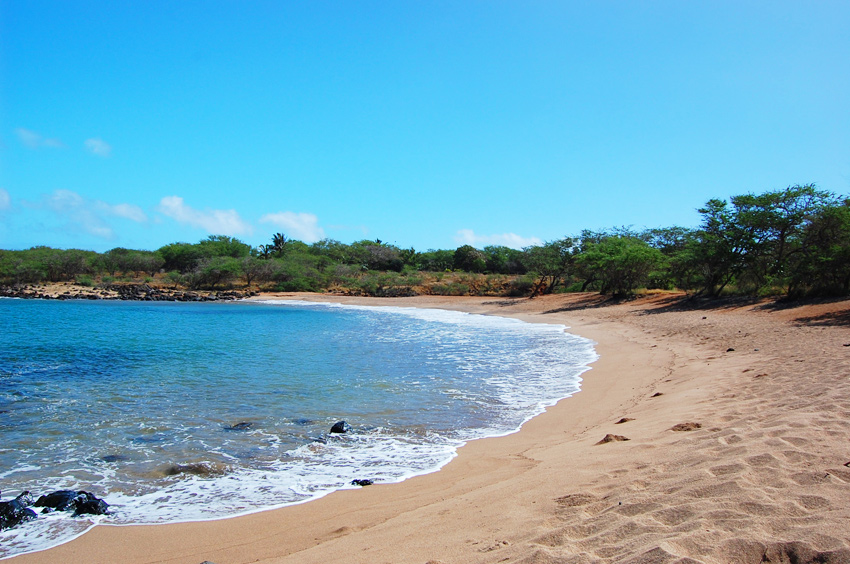
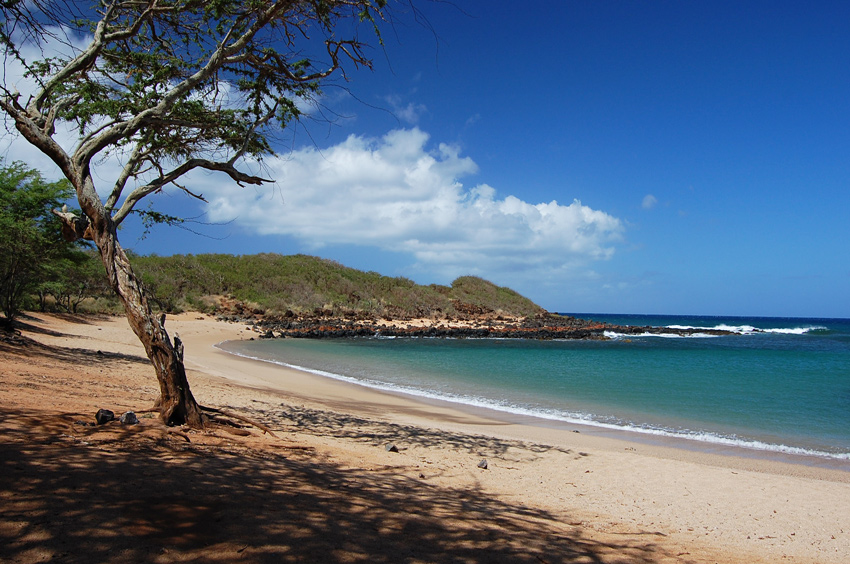
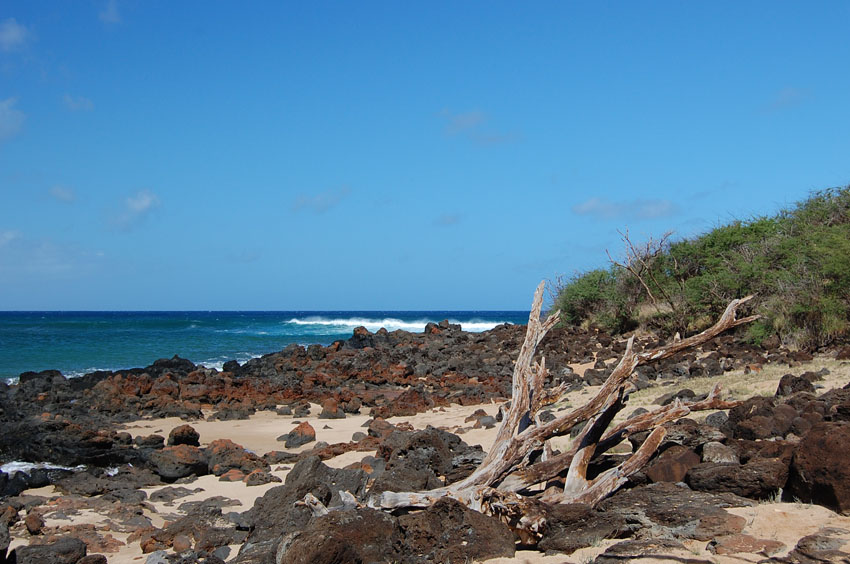
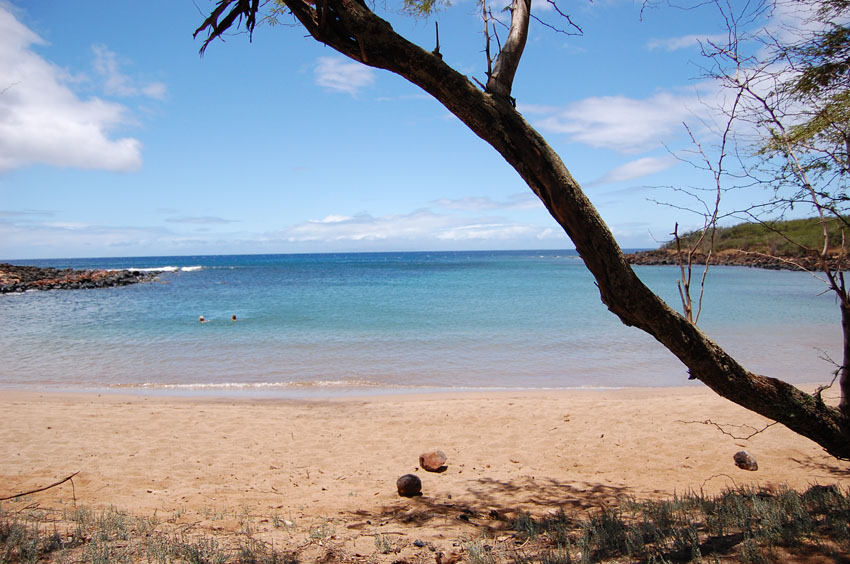
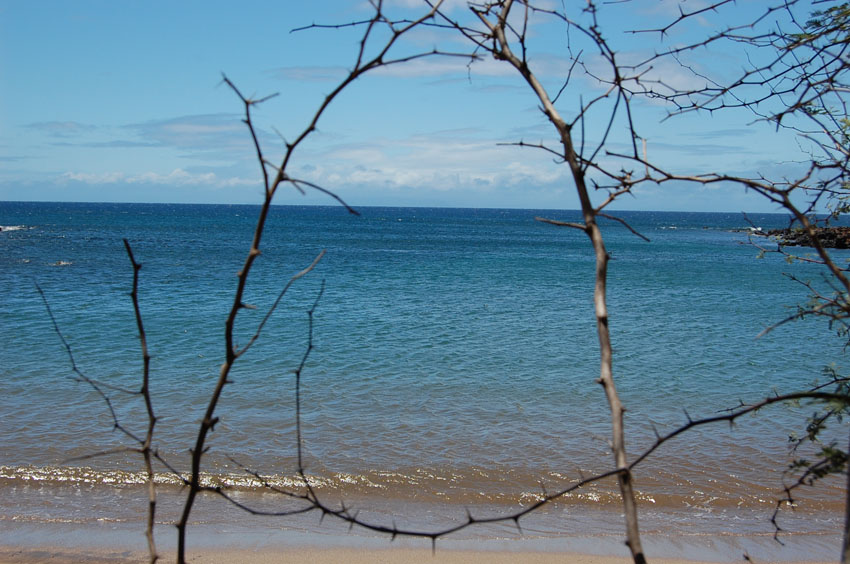
Located on Molokai's west shore, Dixie Maru Cove has one of the island's better swimming beaches when conditions are calm. The protected sandy cove features lava outcroppings on each side and is a nice place to enjoy the water, whether it's for a relaxing swim or snorkeling. Fringed by a reef, the beach usually has calm waters during the summer. This is when the swimming and snorkeling conditions are the best. Even though the bay is more protected than the other beaches in this area, such as nearby Papohaku Beach, stay out of the water if the surf is up. There are no lifeguards here.
Dixie Maru Cove got its name from a Japanese fishing boat name plate. In Japanese culture, “maru” is a suffix added by sailors to their ship names because the term carries a sense of affection and completion. It was in the 1920s when the Japanese sailboat Dixie Maru was wrecked off the shore and its name plate was then hung near the beach's gate. From then on, the remote beach has been fondly called Dixie Maru Cove. Its Hawaiian name is Kapukahehu Beach.
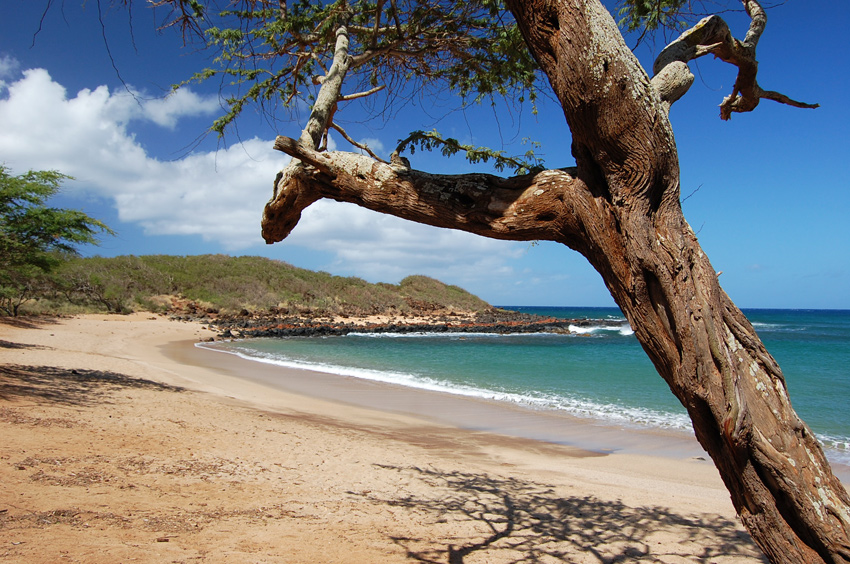
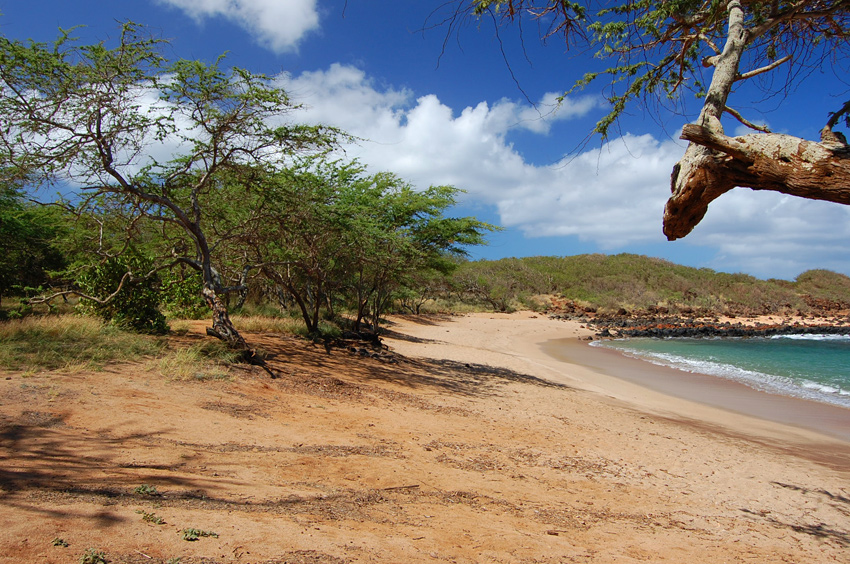
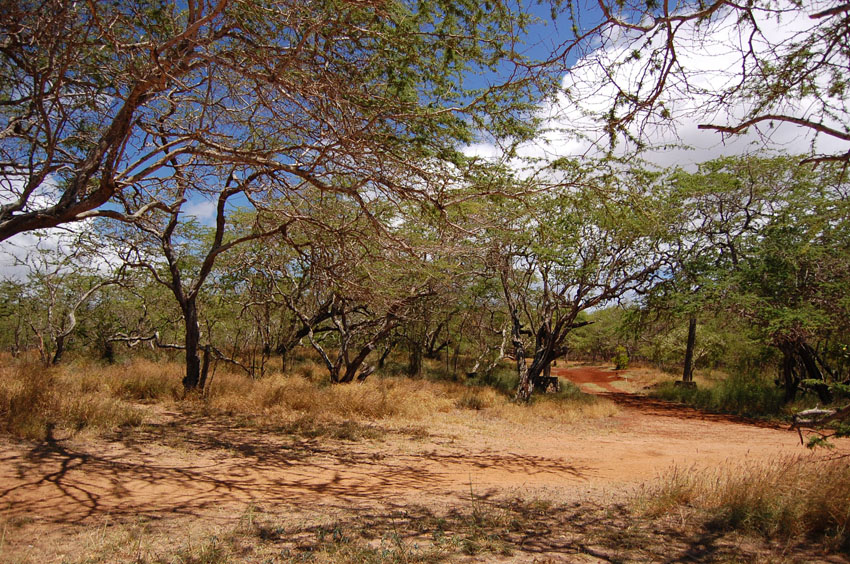
Dixie Maru Cove takes some time to get to as it is located on Molokai's remote west shore. However, the road that leads here is paved. On most days the beach is only sparsely visited. The beach is backed by thorny kiawe trees, so be careful when looking for a shady spot under one of the trees.
Editor's note: Last time we visited Dixie Maru Beach, one of us stepped into a large metal fishhook while wearing running shoes. It was really difficult to remove the hook from the shoe. So it is a good idea to wear shoes here to protect your feet from discarded fishhooks, as well as the thorns from the kiawe trees that are plentiful on many beaches in this area.
Key Features
Beach Activities
Activities
Beach Facilities
Facilities
Reviews
Reviews and Ratings
Visitor Reviews
Rated 4.5 out of 5 based on 2 rated visitor reviews.
Been Here? Add your Review
JudgeDan
Sat Nov 22, 2014
Sonya
Mon Aug 27, 2012
Map
Location, Parking and Directions
Dixie Maru Cove, also known as Kapukahehu Beach, is at the end of Pohakuloa Road on Molokai's remote west shore near Maunaloa. The road to the beach is paved, and the final access leads to a small parking area near the cove.
Photos
Dixie Maru Cove (Kapukahehu Beach) Photos
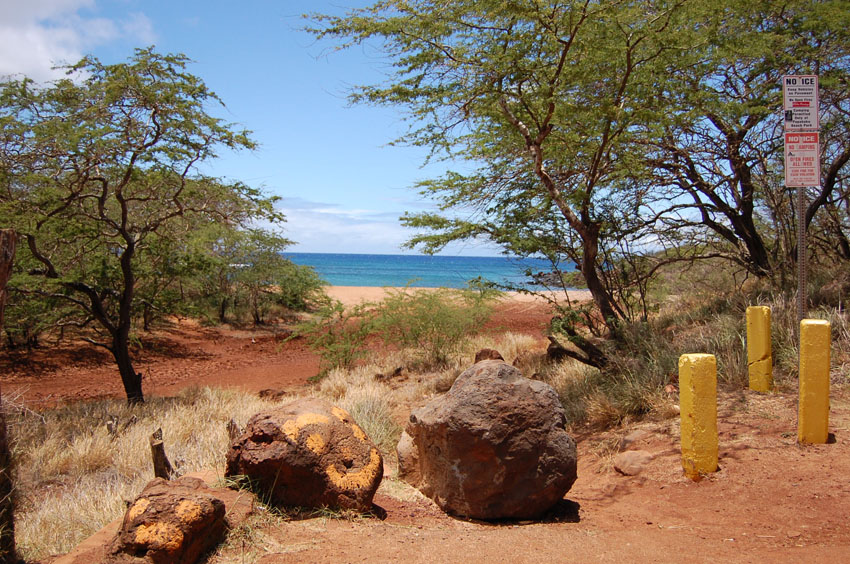
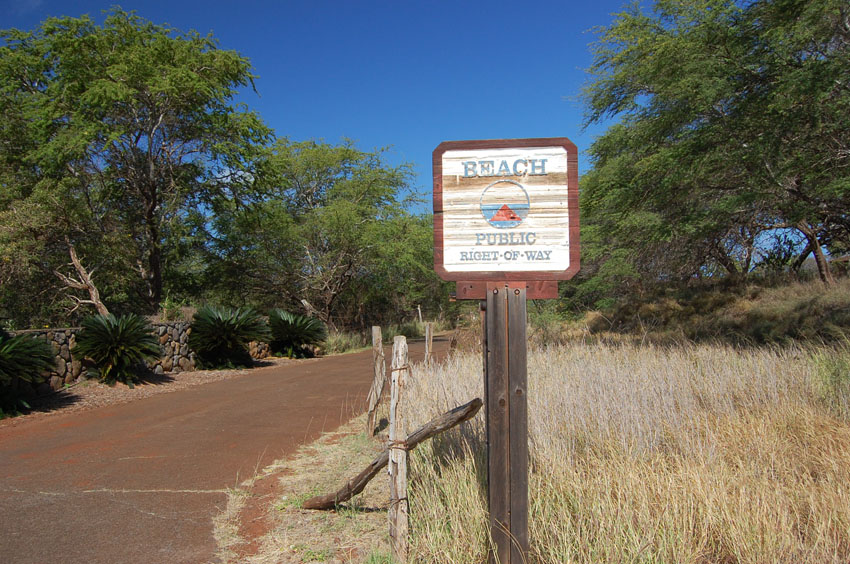
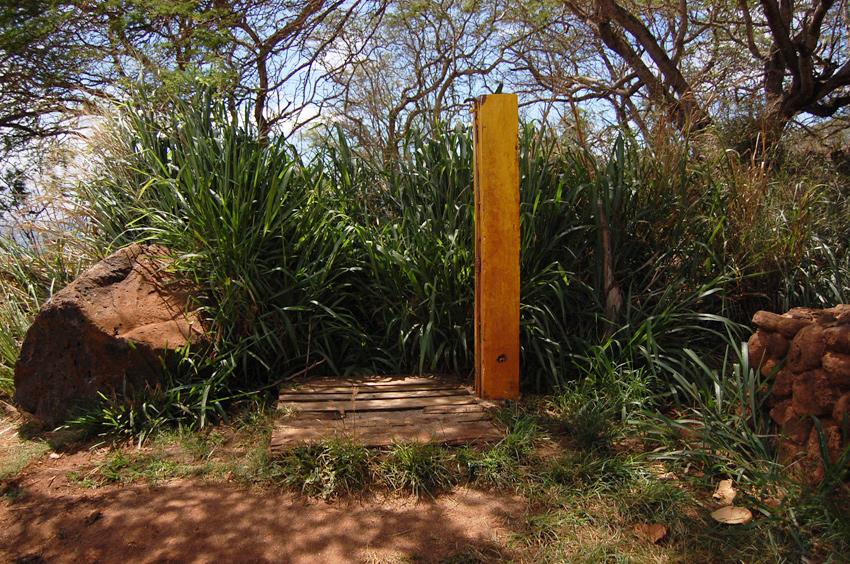
Photos show Dixie Maru Cove / Kapukahehu Beach, the crescent-shaped sandy cove, lava rocks, beach access road, kiawe trees and remote west Molokai scenery.

Video


