Isaac Hale Beach Park, Big Island
Current note: The 2018 lava flow changed Isaac Hale Beach Park and the Pohoiki shoreline. A new black-sand beach formed, and the boat ramp area has gone through post-eruption restoration work. Older photos and descriptions may show the park before these changes.
Located on the eastern edge of Pohoiki Bay on the Big Island’s east shore, Isaac Hale Beach Park is a small two-acre (8,094 sq. m) park that can get busy. It is popular among picnickers, shoreline fishermen, surfers and boaters. However, swimming conditions can be poor here because of strong currents and waves.
The boat ramp area has long been important to Puna fishermen and ocean users. Local children have also used the boat ramp area as a jumping point into the water, though conditions and posted rules should always be checked first. The Pohoiki warm pond area is another known feature of the park, but the shoreline has changed since the 2018 eruption, so conditions can vary.
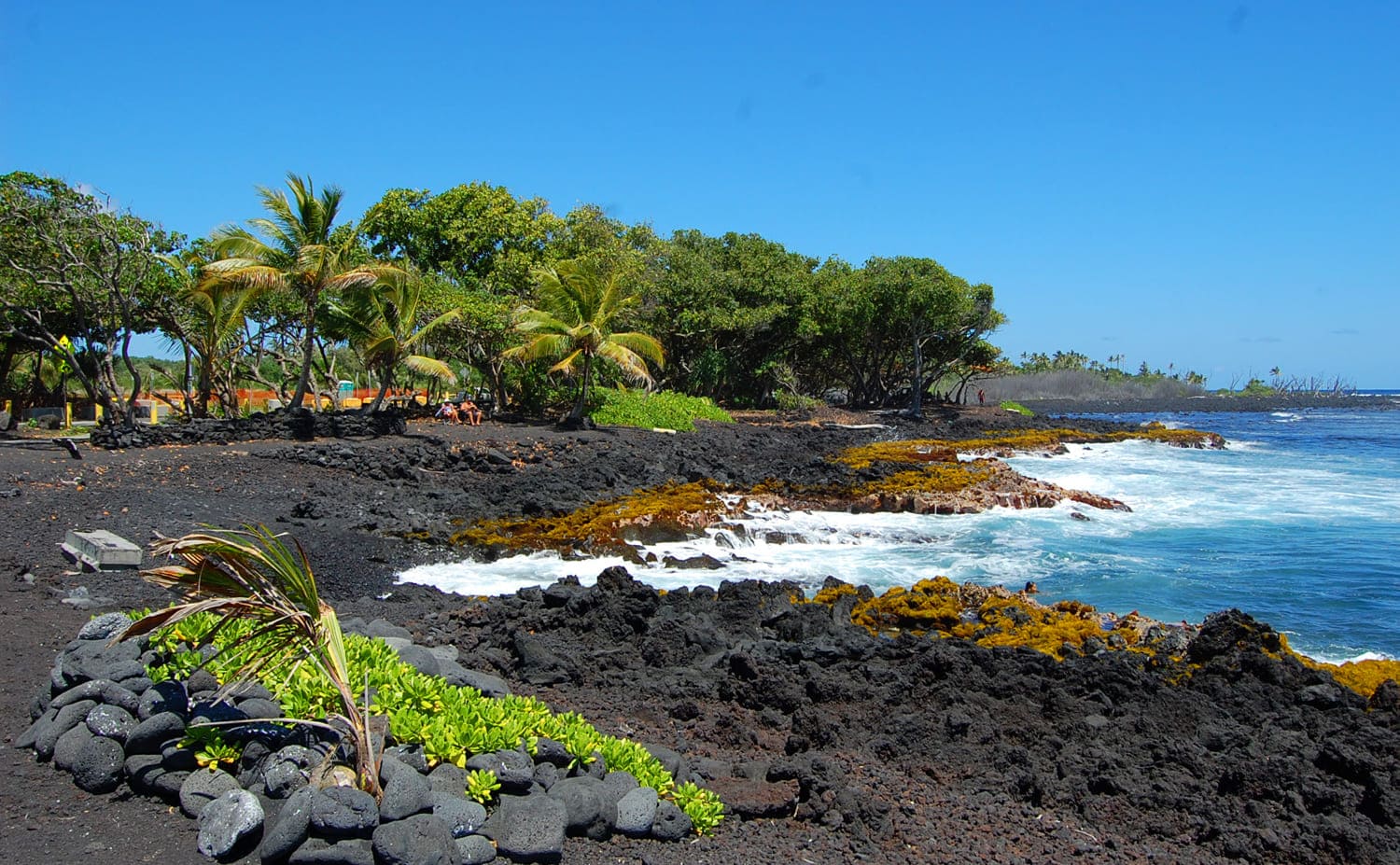
Water activities at Isaac Hale include fishing, surfing and bodyboarding. The waves are best in the center of the bay, but a rip current is often present here. Swimmers usually stay closer to the boat ramp area, but posted warning signs and lifeguard guidance should be followed. The beach is composed of black sand and pebbles, with lava rock and changing shoreline conditions around the bay.
Key Features
Beach Activities
Activities
Beach Facilities
Facilities
Reviews
Reviews and Ratings
Visitor Reviews
Rated 4.0 out of 5 based on 1 rated visitor review.
Been Here? Add your Review
Family guy
Fri May 13, 2016
Map
Location, Parking and Directions
Isaac Hale Beach Park is located on Kapoho Kalapana Road in Pahoa on Hawaii Island's Puna coast. From Pahoa, take Highway 130 south, turn right where the road meets Highway 137, and continue toward the Pohoiki Bay shoreline near mile marker 11.
Photos
Isaac Hale Beach Park Photos
Photos show Isaac Hale Beach Park, Pohoiki Bay, newer black-sand shoreline, lava rocks, boat ramp area, warm pond side, lifeguard tower and Puna coast scenery.


Video