








Kailua
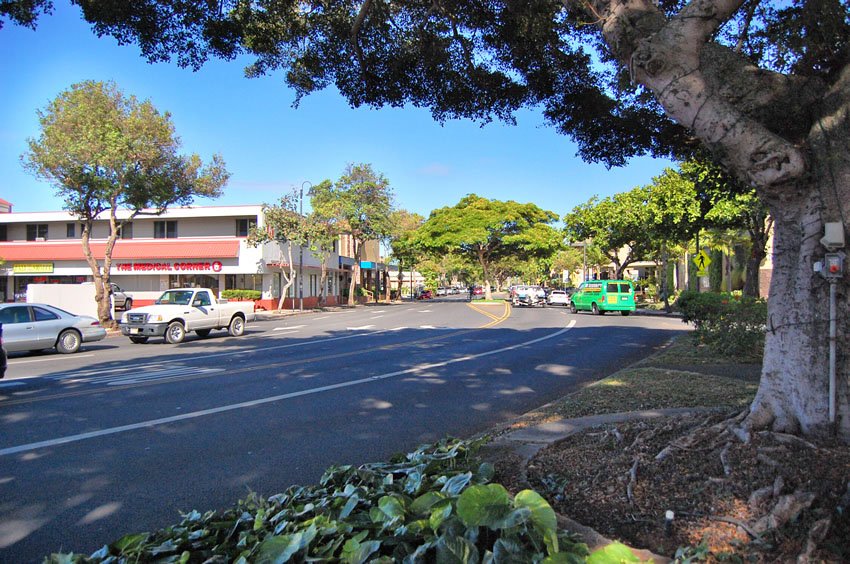 Kailua Road
-
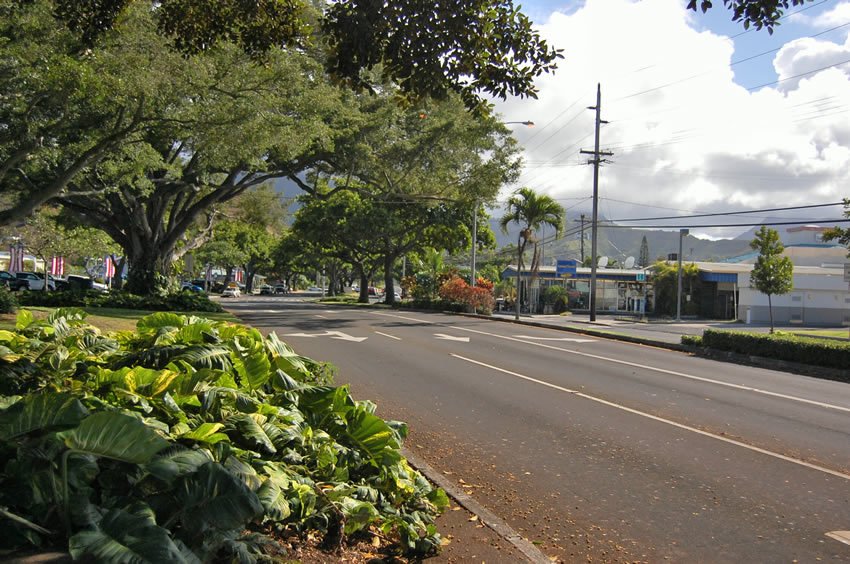 Kailua Road on Oahu
 -
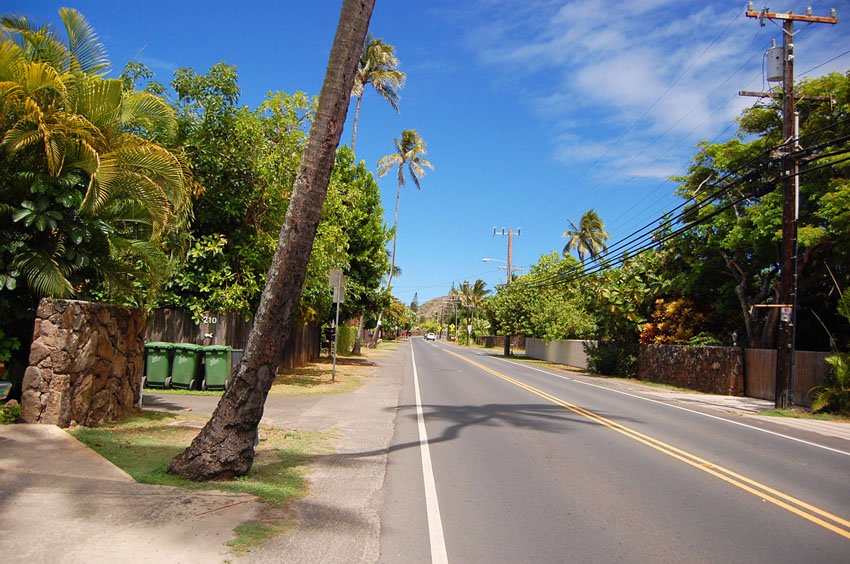 North Kalaheo Avenue
 -
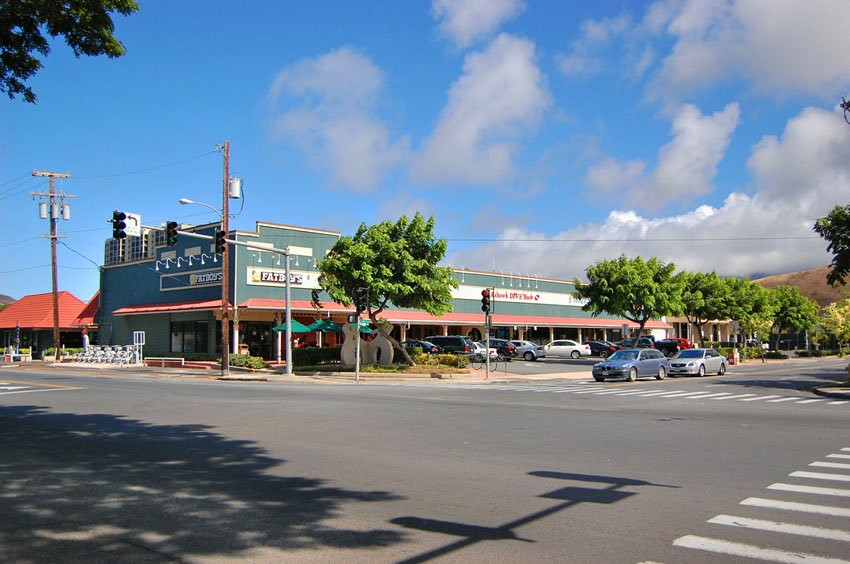 Windward Town and Country Plaza Shopping
 -
 Island Treasures Art Gallery
 -
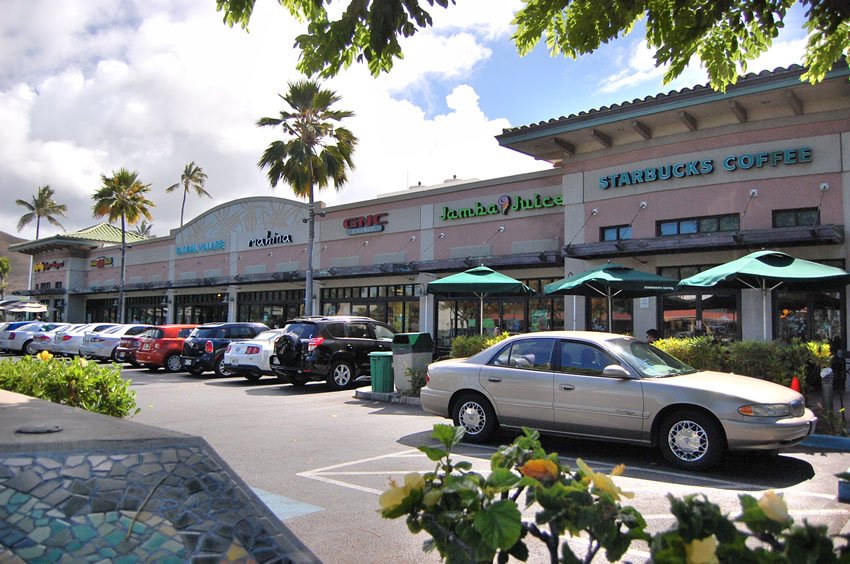 Stores in downtown Kailua
 -
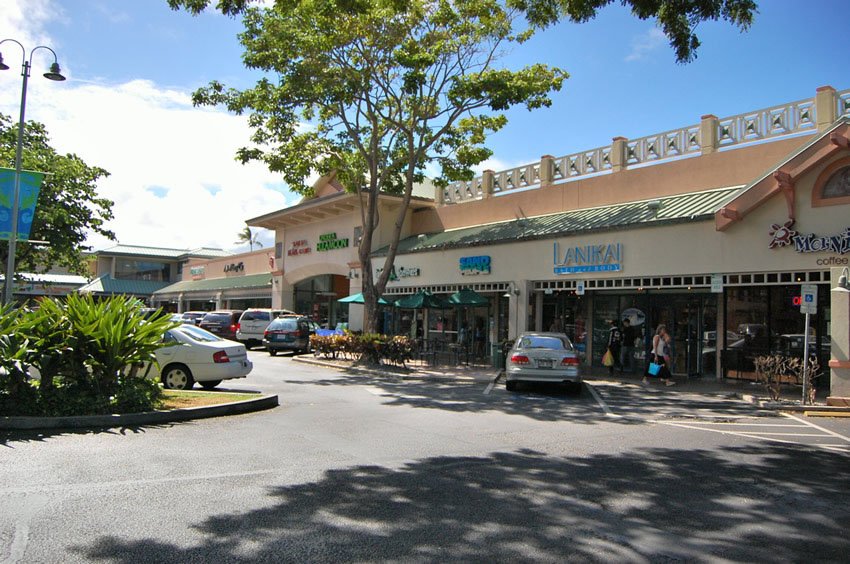 Stores in downtown Kailua
 -
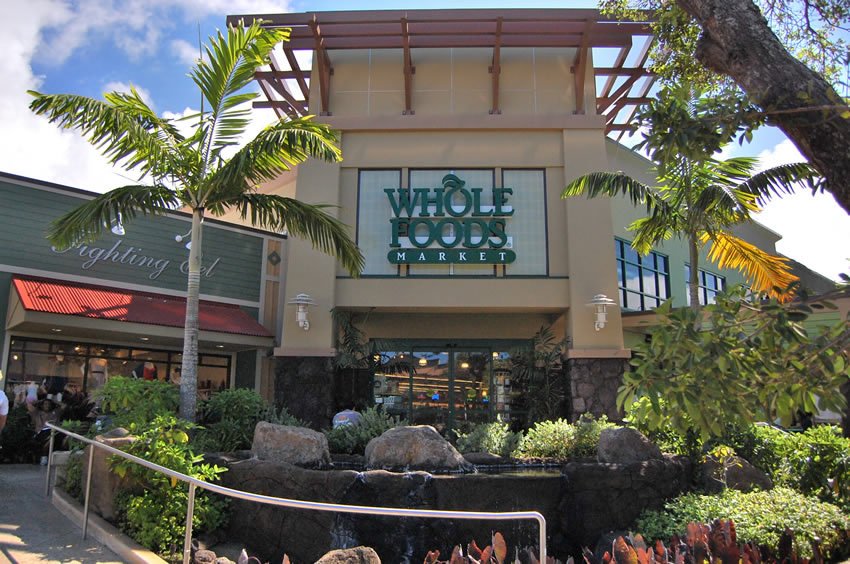 Whole Foods Market
 -
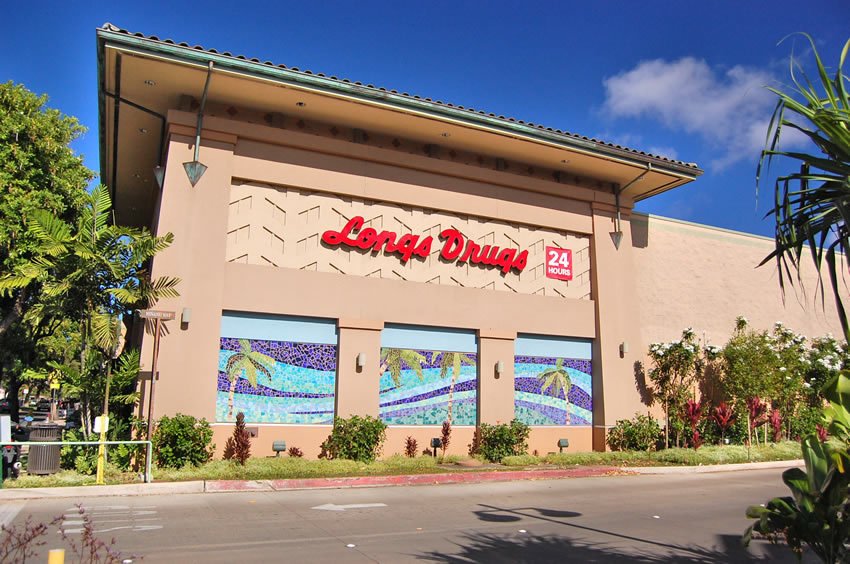 Longs Drugs
 -
 Bank of Hawaii
 -
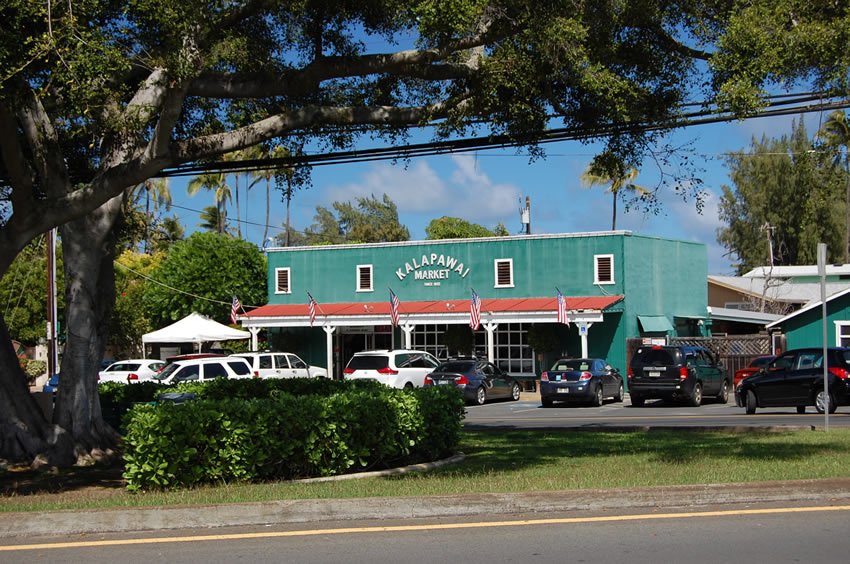 Kalapawai Market
 -
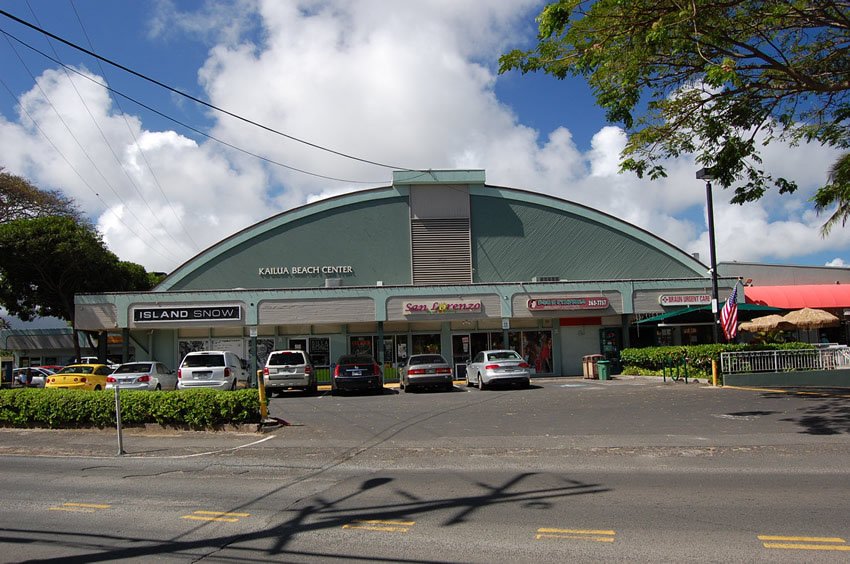 Kailua Beach Center
Kailua, Oahu
Kailua (view panorama) is located on Oahu's windward coast, about 12 miles (19 km) northeast of downtown Honolulu. It is one of the largest residential communities on this side of the island (after neighboring Kaneohe). Kailua has a central commercial district, located along Kailua Road. It is surrounded by mainly single-family homes and a few low-rise apartment buildings.

Kailua's main attraction is its beautiful white-sand beach. Kailua Beach has white, soft and powdery fine sand. It's a beachlover's dream, a typical tropical beach we all know from postcards. In fact, Kailua Beach has been repeatedly ranked among the best beaches in the world. In 1998, it was ranked as the #1 beach in the United States by coastal expert Dr. Stephen Leatherman.
The beach is about 2 miles (3.2 km) long and perfect for beach strolls. The ocean bottom slopes gently to overhead depths. It's a good beach for swimming, bodyboarding and kayaking. Because of the steady tradewinds year-round, Kailua Beach is also an ideal location for kite and windsurfers.
Kailua is also home to the largest wetland in the Hawaiian Islands – Kawai Nui Marsh. It encompasses over 800 acres (3.2 km2). Located just south of Kailua Beach is the small community of Lanikai. It also has a wonderful beach (Lanikai Beach) that was rated as one of the top ten beaches in the world by Sherman's Travel Magazine.
In the Hawaiian language, Kailua means "two seas," or "two currents." The word "kai" means sea or sea water, and the word "elua" means two. So Kailua is a contraction of these two words. The town was named Kailua because of the two lagoons in the district or the two currents that run through Kailua Bay.
Kailua Overview
- Kailua's main attraction is its fantastic white-sand beach, ideal for swimming, long beach strolls, kayaking, bodyboarding, kite and windsurfing
- Home to the largest wetland in Hawaii – Kawai Nui Marsh
- Central commercial district with shops, restaurants and other businesses
- Population: 38,635 (2010 Census)
- Zip code: 96734
Kailua Vacation Rentals



| |||||||

